

 Preservatives(food)
 Flavors
 Acidulants
 Sweeteners
 Antioxidants
 Colorants(food)
 Nutraceutical Ingredients (food)
 Nutrient Supplements
 Emulsifiers
 Collectors
 Dust Suppressants
 Explosives and Blasting Agents
 Flocculants and Coagulants
 Frothers
 Leaching Agents
 pH Modifiers
 Precious Metal Extraction Agents
 Antioxidants(plastic)
 Colorants (Pigments, Dyes)
 Fillers and Reinforcements
 Flame Retardants
 Monomers
 Plasticizers
 Polymerization Initiators
 Stabilizers (UV, Heat)
 Antifoaming Agents
 Chelating Agents
 Coagulants and Flocculants
 Corrosion Inhibitors
 Disinfectants and Biocides
 Oxidizing Agents
 pH Adjusters
 Scale Inhibitors( water)
 Antioxidants(cosmetic)
 Emollients
 Oils
Oils Carrier Oills
 Essential Oils
 Humectants
 Preservatives
 Surfactants(cosmetic)
 Thickeners
 UV Filters
 Fragrance (Cosmetics)
 Fertilizers
 Soil Conditioners
 Plant Growth Regulators
 Animal Feed Additives
 Biostimulants
 Pesticides (Herbicides, Insecticides, Fungicides)
 Active Pharmaceutical Ingredients (APIs)
 Excipients
 Solvents(pharmaceutical)
 Antibiotics
 Antiseptics and Disinfectants
 Vaccine Adjuvants
 Nutraceutical Ingredients (pharmaceutical)
 Analgesics & Antipyretics
 Analytical Reagents
 Solvents(lab)
 Chromatography Chemicals
 Spectroscopy Reagents
 microbiology-and-cell-culture-reagents
 Molecular Biology Reagents
 Biochemical Reagents
 Inorganic and Organic Standards
 Laboratory Safety Chemicals
 Specialty Laboratory Chemicals(Special Laboratory Equipment)
 Demulsifiers
 Hydraulic Fracturing Fluids
 Scale Inhibitors(oil)
 Surfactants(oil)
 Drilling Fluids
 Dyes and Pigments
 Bleaching Agents
 Softening Agents
 Finishing Agents
 Antistatic Agents
 Admixtures
 Waterproofing Agents
 Sealants and Adhesives
 Curing Compounds
 Concrete Repair Chemicals
 Anti-Corrosion Coatings
 Surfactants(cleaning)
 Builders
 Enzymes
 Solvents (Cleaning)
 Electronic Chemicals
 Catalysts
 Lubricants
 Photographic Chemicals
 Refrigerants
 Automotive chemicals
 Pyrotechnic Chemicals
 Biodegradable Surfactants
 Bio-based Solvents
 Renewable Polymers
 Carbon Capture Chemicals
 Wastewater Treatment Chemicals
 Pigments
 Solvents(paint)
 Specialty Coatings
 Binders/Resins
 Additives
 Driers
 Anti-Corrosion Agents
 Functional Coatings
 Application-Specific Coatings
 Leavening Agents
 Dough Conditioners
 Flour Treatments
 Fat Replacers
 Decoratives
 Preservatives(baking)
 Plasticizers & Softeners
 Reinforcing Agents
 Adhesion Promoters
 Vulcanizing Agents
 Antidegradants
 Blowing Agents
 Fillers & Extenders
 Accelerators & Retarders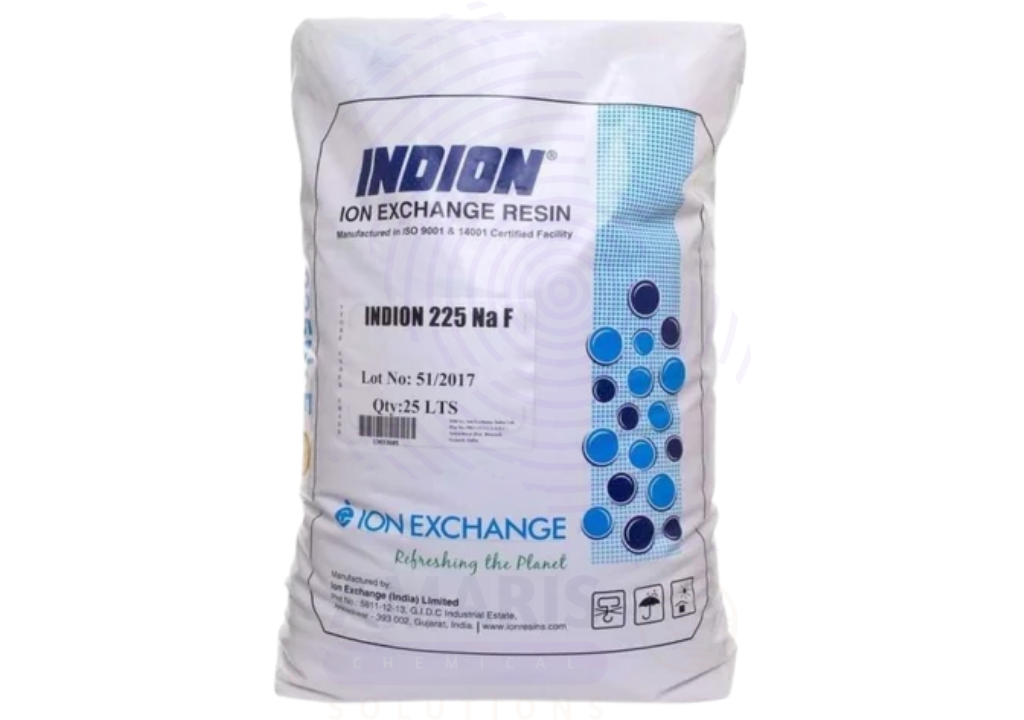


Indion Cation Resin
Indion Cation Resin is a synthetic ion exchange resin designed primarily for the removal of positively charged ions (cations) from water and various liquid streams. Typically composed of a sulfonated polystyrene-divinylbenzene (PS-DVB) copolymer, this resin features a highly porous bead structure with functional groups that exchange hydrogen or sodium ions for calcium, magnesium, iron, and other metallic cations. Available in different forms (strong acid cation, weak acid cation), Indion Cation Resin is widely used in water treatment, industrial processes, and purification systems.
Indion Cation Resin
Primary Uses
- Water Treatment & Purification
- Water Softening: Removes hardness-causing ions (Ca²⁺, Mg²⁺) in residential, commercial, and industrial water systems, preventing scale buildup in boilers and pipes.
- Demineralization/Deionization: Used in combination with anion exchange resins to produce high-purity water by removing nearly all dissolved ionic contaminants.
- Boiler Feed Water Treatment: Ensures low conductivity and reduced scaling in high-pressure boilers by eliminating dissolved salts and metal cations.
- Condensate Polishing: Removes impurities from condensed steam in power plants to protect turbines and condensers from corrosion.
- Industrial Processing
- Chemical Manufacturing: Removes interfering cations in process streams to ensure reaction specificity, purity, and product yield.
- Pharmaceutical & Biotech Applications: Used in water-for-injection (WFI) systems and laboratory-scale purification where ultrapure water is essential.
- Food & Beverage Industry: Applied in beverage processing (e.g., sugar refining, juice clarification) to remove unwanted metallic ions that affect taste, color, and stability.
- Metal Recovery & Separation
- Hydrometallurgy: Extracts valuable metal ions such as copper, nickel, or rare earth elements from leach solutions during mining and ore processing.
- Electroplating Baths: Maintains bath chemistry by removing excess or contaminant metal ions.
Secondary Uses
- Environmental Remediation
- Wastewater Treatment: Removes heavy metals (Pb²⁺, Cd²⁺, Hg²⁺) from industrial effluents before discharge or recycling.
- Groundwater Clean-up: Deployed in environmental engineering to reduce toxic metal content in contaminated aquifers.
- Laboratory Applications
- Analytical Sample Preparation: Conditions and purifies samples by removing matrix interferences prior to spectroscopy or chromatography.
- Ion Chromatography Pre-treatment: Used to condition samples by removing cations that interfere with accurate separation and detection.
- Specialty Applications
- Catalyst Support: Acts as a solid support or medium for acid-catalyzed reactions in organic synthesis and fine chemical manufacturing.
- Electronics Industry: Helps produce ultrapure rinse water in semiconductor and electronics manufacturing.
1. Basic Identification Attributes
- Chemical Name (IUPAC): Polystyrene sulfonic acid (crosslinked with divinylbenzene), hydrogen or sodium form
- Common/Trade Name: Indion Cation Resin
- CAS Number: 69011-20-7 (typical for sulfonated PS-DVB resins)
- HS Code: 3914.00.21 (Ion-exchange resins, based on polymers)
- Synonyms: Cation Exchange Resin; SAC Resin (Strong Acid Cation); WAC Resin (Weak Acid Cation); Polystyrene Sulfonate Resin
2. Physical & Chemical Properties
- Physical State: Spherical beads
- Color & Odor: Amber to golden brown (typical); odorless
- Bead Size: 0.3–1.2 mm (customizable depending on grade)
- Moisture Content: 45–60% (hydrated form)
- Ionic Form: Supplied in H⁺ or Na⁺ form
- Capacity: 1.8–2.2 eq/L (depending on resin type and condition)
- Swelling: ~5–10% upon regeneration (varies by grade)
- Solubility: Insoluble in water and common solvents
- Functional Group: Sulfonic acid (-SO₃H) for SAC resins; carboxylic acid (-COOH) for WAC resins
3. Safety & Hazard Attributes
GHS Classification
- Not classified as hazardous under GHS
Toxicity
- Non-toxic; not absorbed in biological systems
- Not intended for ingestion or inhalation of dry powder
Exposure Limits
- No specific occupational exposure limits established
4. Storage & Handling Attributes
Storage Conditions
- Store in original packaging, away from sunlight and extreme temperatures
- Keep hydrated; never allow resin to dry out completely
Container Type
- Supplied in polyethylene-lined fiber drums, HDPE containers, or bulk super sacks
Shelf Life
- Up to 5 years if stored properly in hydrated form
Handling Precautions
- Avoid impact or crushing to preserve bead integrity
- Use appropriate PPE when handling in bulk or during regeneration with acids/bases
5. Regulatory & Compliance Attributes
- Food & Pharmaceutical Grades: Certain Indion grades are compliant with USP, EP, and FDA regulations for use in water treatment and food processing
- REACH & RoHS Compliance: Many variants meet European regulatory standards
- NSF Certification: Select grades are certified for use in potable water systems
6. Environmental & Health Impact
- Biodegradability: Not biodegradable (synthetic polymer backbone)
- Ecotoxicity: Not inherently toxic to aquatic life in stable, bead form
- Bioaccumulation: Not bioaccumulative
- Disposal: Resin should be disposed according to local regulations; regeneration chemicals must be handled and neutralized appropriately
Safety Handling Precautions
PPE Required
- Gloves, safety goggles, and dust mask when handling in dry form or during transfer
- Apron and face shield during regeneration (acid/base handling)
Handling Guidelines
- Avoid mechanical stress or heat exposure
- Do not let resin dry out (resin performance degrades irreversibly when desiccated)
Storage Measures
- Store in moisture-retaining packaging
- Avoid storage near oxidizing agents or reactive chemicals
First Aid Measures
- Inhalation: If dust or fumes (from regeneration) are inhaled, move to fresh air; seek medical attention if irritation persists
- Skin Contact: Rinse with soap and water if irritation occurs; avoid prolonged contact with regenerant solutions
- Eye Contact: Flush eyes with water for at least 15 minutes; seek medical attention if irritation persists
- Ingestion: Not intended for ingestion; seek medical advice if swallowed
Firefighting Measures
- Fire Hazards: Not flammable; however, will emit toxic fumes (CO, CO₂, SOₓ) when burned
- Extinguishing Media: Use water spray, CO₂, dry chemical, or foam
- Special Precautions: Use SCBA and full protective gear; avoid inhaling combustion gases
Related products
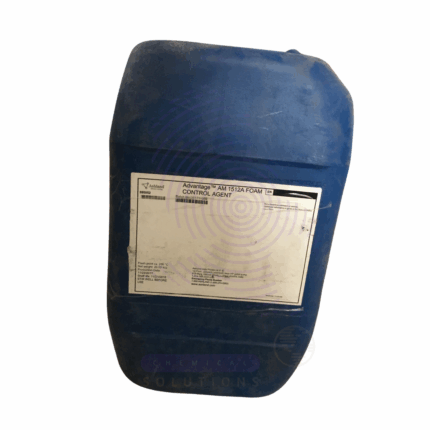
Anti Foam
Anti foams are chemical additives designed to reduce or prevent the formation of foam in industrial processes, manufacturing, and various formulations. Foam can interfere with operations such as mixing, filling, pumping, and heat transfer, leading to reduced efficiency or defects in products. Anti foams work by destabilizing foam bubbles, causing them to coalesce and collapse rapidly. They are widely used in industries including food and beverage, pharmaceuticals, wastewater treatment, paints and coatings, and chemical manufacturing. Different types of anti foams include silicone-based, mineral oil-based, and organic polymer-based formulations, chosen according to the specific application and process conditions.
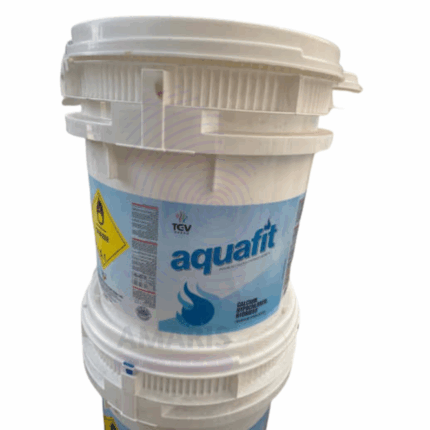
Calcium Hypochlorite
Calcium Hypochlorite Chlorine is a white to slightly yellow crystalline powder or granules known for its strong oxidizing and disinfectant properties. The 65% grade indicates the available chlorine content, making it a powerful bleaching, sanitizing, and oxidizing agent. It is commonly used for water treatment, sanitation, and as a bleaching agent in industrial and household applications. Calcium Hypochlorite dissolves in water to release hypochlorous acid, which effectively kills bacteria, viruses, and fungi.
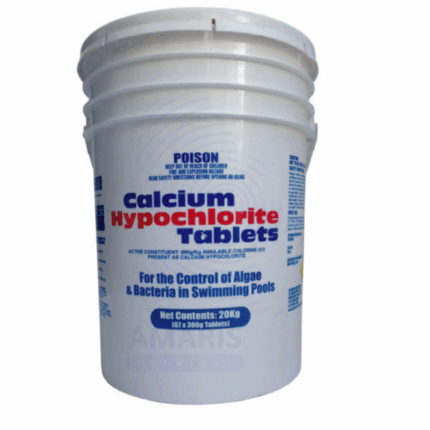
Chlorine Tablets
Chlorine Tablets are solid, compressed forms of chlorine-releasing compounds, typically composed of stabilized trichloroisocyanuric acid (TCCA) or sodium dichloroisocyanurate (SDIC). These tablets are used primarily for water disinfection and sanitation due to their controlled and sustained release of chlorine. They appear as white to off-white, hard tablets with a mild chlorine odor. Chlorine Tablets are widely used in swimming pools, drinking water treatment, wastewater treatment, and industrial sanitization processes. Their slow dissolution ensures prolonged antimicrobial activity, providing effective control against bacteria, viruses, algae, and other pathogens.
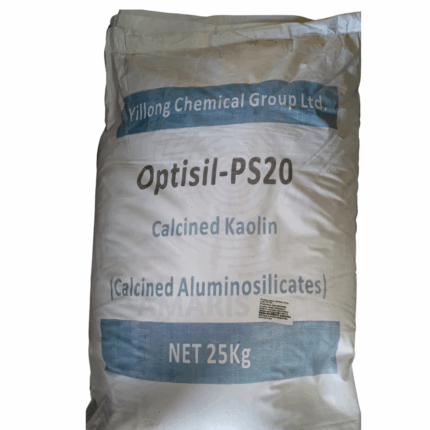
Kaolin
Kaolin is a naturally occurring, fine white clay mineral primarily composed of kaolinite. It features a soft, powdery texture and excellent absorbency. Kaolin is widely used across ceramics, paper, rubber, paint, and cosmetics industries due to its chemical inertness, whiteness, and plasticity. It acts as a filler, coating agent, and extender to enhance product quality and performance.
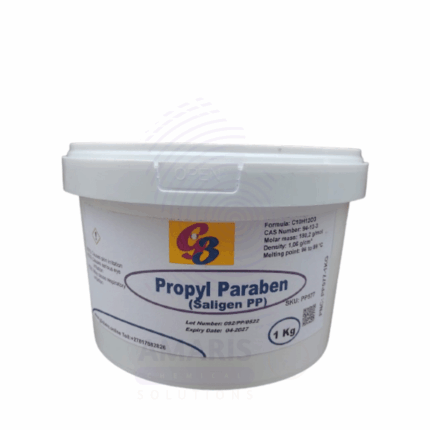
Propyl paraben
Propyl Paraben is a widely used preservative belonging to the paraben family, known for its antimicrobial properties. It is commonly employed to inhibit the growth of bacteria, mold, and yeast in cosmetic, pharmaceutical, and food products. Propyl Paraben is favored for its effectiveness, low toxicity, and compatibility with a broad range of formulations, helping extend product shelf life while maintaining safety.
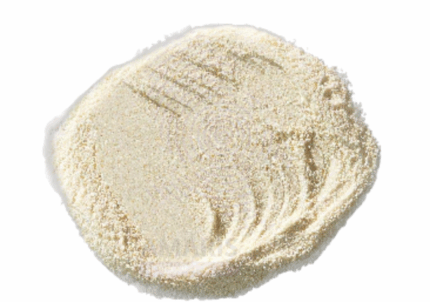
Pullulan
Pullulan is a natural polysaccharide polymer produced by the fermentation of starch by the fungus Aureobasidium pullulans. It is a water-soluble, tasteless, and odorless biopolymer widely used in the food, pharmaceutical, and cosmetic industries due to its excellent film-forming, adhesive, and oxygen barrier properties. Pullulan is biodegradable, non-toxic, and approved for use in various applications requiring edible and biodegradable films.
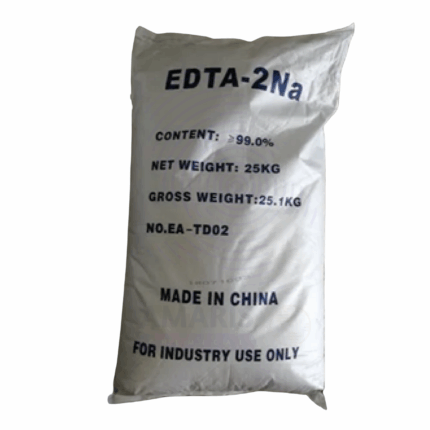
Trilium (EDTA)
Trilium EDTA is a high-purity, versatile chelating agent known chemically as ethylenediaminetetraacetic acid (EDTA) or its trisodium salt form. It is widely used across industries to bind and sequester metal ions, improving product stability and performance. Trilium EDTA effectively prevents metal ion contamination, controls hardness in water, enhances cleaning efficiency, and stabilizes formulations in pharmaceuticals, cosmetics, agriculture, and industrial applications. Its strong chelating properties make it an essential ingredient for complexation and metal ion control.

Vitamin B12( Cyanocobalamin)
Vitamin B12 Cyanocobalamin BP is a pharmaceutical-grade form of vitamin B12, standardized according to the British Pharmacopoeia (BP). It is an essential nutrient involved in red blood cell formation, neurological function, and DNA synthesis. This stable, synthetic cyanocobalamin is widely used in pharmaceuticals, nutraceuticals, and fortified foods to prevent and treat vitamin B12 deficiency.












