

 Preservatives(food)
 Flavor Enhancers
 Acidulants
 Sweeteners
 Antioxidants
 Colorants(food)
 Nutraceutical Ingredients (food)
 Nutrient Supplements
 Emulsifiers
 Collectors
 Dust Suppressants
 Explosives and Blasting Agents
 Flocculants and Coagulants
 Frothers
 Leaching Agents
 pH Modifiers
 Precious Metal Extraction Agents
 Antioxidants(plastic)
 Colorants (Pigments, Dyes)
 Fillers and Reinforcements
 Flame Retardants
 Monomers
 Plasticizers
 Polymerization Initiators
 Stabilizers (UV, Heat)
 Antifoaming Agents
 Chelating Agents
 Coagulants and Flocculants
 Corrosion Inhibitors
 Disinfectants and Biocides
 Oxidizing Agents
 pH Adjusters
 Scale Inhibitors( water)
 Antioxidants(cosmetic)
 Emollients
 Fragrances and Essential Oils
 Humectants
 Preservatives
 Surfactants(cosmetic)
 Thickeners
 UV Filters
 Fertilizers
 Soil Conditioners
 Plant Growth Regulators
 Animal Feed Additives
 Biostimulants
 Pesticides (Herbicides, Insecticides, Fungicides)
 Active Pharmaceutical Ingredients (APIs)
 Excipients
 Solvents(pharmaceutical)
 Antibiotics
 Antiseptics and Disinfectants
 Vaccine Adjuvants
 Nutraceutical Ingredients (pharmaceutical)
 Analgesics & Antipyretics
 Analytical Reagents
 Solvents(lab)
 Chromatography Chemicals
 Spectroscopy Reagents
 microbiology-and-cell-culture-reagents
 Molecular Biology Reagents
 Biochemical Reagents
 Inorganic and Organic Standards
 Laboratory Safety Chemicals
 Specialty Laboratory Chemicals(Special Laboratory Equipment)
 Demulsifiers
 Hydraulic Fracturing Fluids
 Scale Inhibitors(oil)
 Surfactants(oil)
 Drilling Fluids
 Dyes and Pigments
 Bleaching Agents
 Softening Agents
 Finishing Agents
 Antistatic Agents
 Admixtures
 Waterproofing Agents
 Sealants and Adhesives
 Curing Compounds
 Concrete Repair Chemicals
 Anti-Corrosion Coatings
 Surfactants(cleaning)
 Builders
 Enzymes
 Solvents (Cleaning)
 Fragrances
 Electronic Chemicals
 Catalysts
 Lubricants
 Photographic Chemicals
 Refrigerants
 Automotive chemicals
 Pyrotechnic Chemicals
 Biodegradable Surfactants
 Bio-based Solvents
 Renewable Polymers
 Carbon Capture Chemicals
 Wastewater Treatment Chemicals
 Pigments
 Solvents(paint)
 Specialty Coatings
 Binders/Resins
 Additives
 Driers
 Anti-Corrosion Agents
 Functional Coatings
 Application-Specific Coatings
 Leavening Agents
 Dough Conditioners
 Flour Treatments
 Fat Replacers
 Decoratives
 Preservatives(baking)
 Plasticizers & Softeners
 Reinforcing Agents
 Adhesion Promoters
 Vulcanizing Agents
 Antidegradants
 Blowing Agents
 Fillers & Extenders
 Accelerators & Retarders
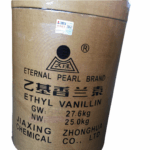

Microcrystalline Cellulose
Microcrystalline Cellulose (MCC) is a purified, partially depolymerized cellulose prepared by treating alpha-cellulose with mineral acids. It appears as a white, odorless, crystalline powder widely used as a binder, filler, and disintegrant in pharmaceutical tablets and capsules. MCC exhibits excellent compressibility and flow properties, making it ideal for direct compression tableting.
Microcrystalline Cellulose
Primary Uses
- Pharmaceutical Industry
-
- Tablet binder in direct compression formulations
- Filler/diluent in capsules and tablets
- Disintegrant to promote tablet breakup
- Adsorbent for liquid formulations
- Food Industry
-
- Anti-caking agent in powdered foods
- Stabilizer in ice creams and frozen desserts
- Fat replacer in low-calorie foods
- Cosmetics & Personal Care
-
- Bulking agent in pressed powders
- Texture modifier in creams and lotions
Secondary Uses
- Industrial Applications
- Reinforcing agent in composites
- Filter aid in chromatography
- Research & Development
- Model excipient for formulation studies
1. Basic Identification Attributes
- Chemical Name: Microcrystalline Cellulose
- CAS Number: 9004-34-6
- INCI Name: Cellulose
- HS Code: 3912.31.00
- Synonyms: MCC, Cellulose gel
2. Physical & Chemical Properties
- Physical State: Fine white powder
- Color: White
- Odor: Odorless
- Solubility:
- Insoluble in water
- Swells in aqueous solutions
- Bulk Density: 0.25-0.45 g/cm³
- Moisture Content: ≤5%
3. Safety & Hazard Attributes
- GHS Classification: Not classified as hazardous
- Toxicity: Non-toxic
- Exposure Limits: No specific limits
4. Storage & Handling Attributes
- Storage Conditions:
- Store in tightly closed containers
- Keep in cool, dry place
- Container Type: Multi-wall paper bags or fiber drums
- Shelf Life: 36 months
- Handling Precautions:
- Avoid dust formation
5. Regulatory & Compliance Attributes
- Complies with:
- USP/NF
- EP
- JP
- FDA 21 CFR 182.1
6. Environmental & Health Impact
- Biodegradability: Fully biodegradable
- Ecotoxicity: None
Safety Handling Precautions
- PPE Required:
- Dust mask
- Safety glasses
- Handling Guidelines:
- Use local exhaust ventilation
First Aid Measures
- Inhalation: Move to fresh air
- Eye Contact: Rinse with water
- Skin Contact: Wash with soap and water
- Ingestion: Drink plenty of water
Firefighting Measures
- Fire Hazards: Non-flammable
- Extinguishing Media: Water spray, foam, CO₂
Related products

Almond Bitter Oil
Almond Bitter Oil, derived from the kernels of bitter almonds (Prunus amygdalus var. amara), is an essential oil known for its sharp, nutty, and marzipan-like aroma. This oil is produced through steam distillation of crushed bitter almond kernels and contains a naturally occurring compound called benzaldehyde, which gives it its characteristic scent. In purified form (free of hydrogen cyanide), bitter almond oil is used in fragrance, flavoring, and pharmaceutical applications.
Due to its potent aroma and biochemical properties, it is widely used in perfumery, baked goods flavoring (in controlled quantities), aromatherapy, and traditional topical remedies. It is important to distinguish between natural bitter almond oil, which must be detoxified, and synthetic benzaldehyde, which is commonly used as a substitute in commercial formulations.
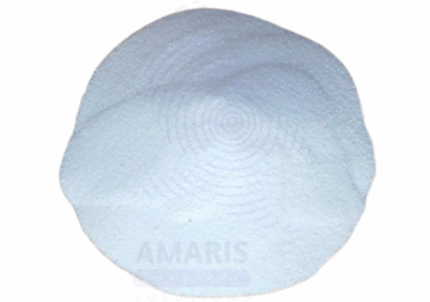
Ammonia Acetate
Ammonia Acetate is a white crystalline solid or granular powder with a mild ammoniacal odor. It is a salt formed from ammonia and acetic acid, widely used in laboratories, industrial processes, and some niche food and pharmaceutical applications. Ammonium Acetate is highly soluble in water and often utilized as a buffer solution in biochemical and analytical chemistry due to its ability to maintain pH. It also serves as a precursor in the synthesis of various chemicals and acts as a neutralizing agent in several industrial applications.

Calcium Sulphate Dihydrate
Calcium Sulphate Dihydrate, commonly known as gypsum, is a naturally occurring mineral widely used in agriculture, construction, and various industrial processes. It appears as a white or slightly translucent crystalline powder with moderate solubility in water. The compound is primarily used as a soil conditioner to improve soil structure and supply calcium and sulfur nutrients essential for plant growth. It also finds applications in the manufacture of plaster, cement, and as a filler in various products.
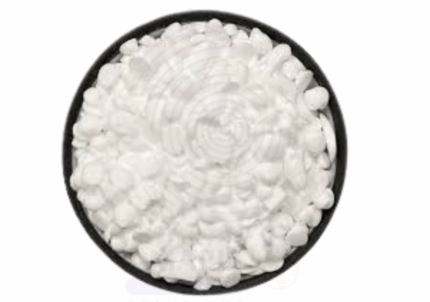
Cetyl Alcohol Flakes
Cetyl Alcohol Flakes is a high-purity fatty alcohol derived mainly from natural sources such as palm oil and coconut oil. Presented as white to off-white waxy flakes, this product contains at least 98% pure cetyl alcohol, ensuring consistent performance and quality. It is valued for its excellent emollient, thickening, and emulsifying properties and is widely used in personal care, pharmaceutical, and industrial formulations. The flake form facilitates easy handling, melting, and dosing in manufacturing processes. Cetyl Alcohol 98% Flakes contributes to the texture, stability, and moisturizing properties of various formulations, providing a non-greasy, smooth finish.
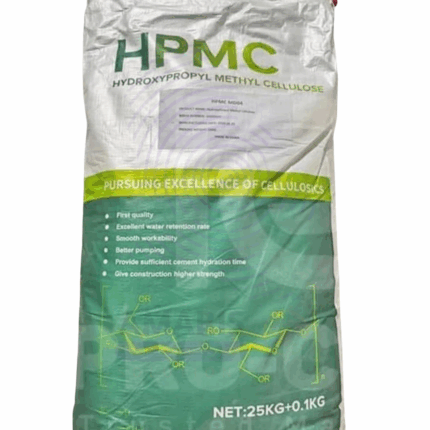
HPMC Vivapharm E50
HPMC Vivapharm is a high-quality, pharmaceutical-grade hydroxypropyl methylcellulose polymer widely used as an excipient and functional ingredient. It appears as a fine, white to off-white, odorless powder with excellent solubility in cold water and forms clear, viscous solutions. This cellulose ether derivative offers excellent film-forming, thickening, emulsifying, and controlled-release properties. Vivapharm E50 is prized in pharmaceutical, food, and cosmetic industries for its versatility, stability, and safety profile.
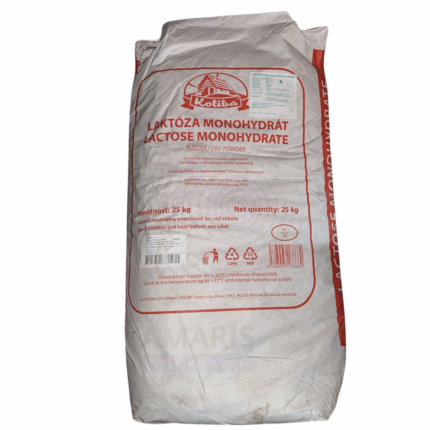
Lactose Monohydrate 200 Mesh
Lactose Monohydrate 200 Mesh is a fine, white, crystalline powder derived from milk sugar with a particle size of 200 mesh, indicating very fine granules. It is widely used in pharmaceutical, food, and confectionery industries as a filler, binder, and stabilizer. Lactose Monohydrate is valued for its excellent compressibility, low hygroscopicity, and compatibility with many active pharmaceutical ingredients (APIs). The monohydrate form contains one molecule of water, enhancing its stability and flow properties.
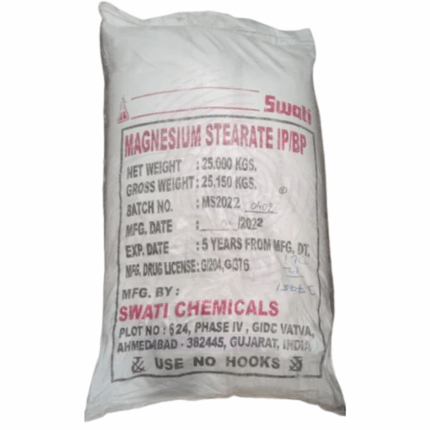
Magnesium Stearate BP
Magnesium Stearate BP is a fine, white, hydrophobic powder composed of the magnesium salt of stearic acid. It is widely used in the pharmaceutical industry as a lubricant and anti-adherent in tablet and capsule manufacturing. Due to its excellent flow-enhancing properties, Magnesium Stearate BP improves powder flowability and prevents ingredients from sticking to equipment during processing. It is also used in cosmetics, food, and various industrial applications for its emulsifying and stabilizing properties.
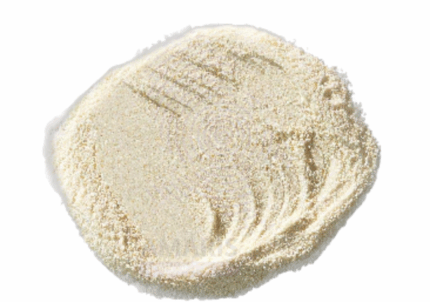
Pullulan
Pullulan is a natural polysaccharide polymer produced by the fermentation of starch by the fungus Aureobasidium pullulans. It is a water-soluble, tasteless, and odorless biopolymer widely used in the food, pharmaceutical, and cosmetic industries due to its excellent film-forming, adhesive, and oxygen barrier properties. Pullulan is biodegradable, non-toxic, and approved for use in various applications requiring edible and biodegradable films.












