

 Preservatives(food)
 Flavor Enhancers
 Acidulants
 Sweeteners
 Antioxidants
 Colorants(food)
 Nutraceutical Ingredients (food)
 Nutrient Supplements
 Emulsifiers
 Collectors
 Dust Suppressants
 Explosives and Blasting Agents
 Flocculants and Coagulants
 Frothers
 Leaching Agents
 pH Modifiers
 Precious Metal Extraction Agents
 Antioxidants(plastic)
 Colorants (Pigments, Dyes)
 Fillers and Reinforcements
 Flame Retardants
 Monomers
 Plasticizers
 Polymerization Initiators
 Stabilizers (UV, Heat)
 Antifoaming Agents
 Chelating Agents
 Coagulants and Flocculants
 Corrosion Inhibitors
 Disinfectants and Biocides
 Oxidizing Agents
 pH Adjusters
 Scale Inhibitors( water)
 Antioxidants(cosmetic)
 Emollients
 Fragrances and Essential Oils
 Humectants
 Preservatives
 Surfactants(cosmetic)
 Thickeners
 UV Filters
 Fertilizers
 Soil Conditioners
 Plant Growth Regulators
 Animal Feed Additives
 Biostimulants
 Pesticides (Herbicides, Insecticides, Fungicides)
 Active Pharmaceutical Ingredients (APIs)
 Excipients
 Solvents(pharmaceutical)
 Antibiotics
 Antiseptics and Disinfectants
 Vaccine Adjuvants
 Nutraceutical Ingredients (pharmaceutical)
 Analgesics & Antipyretics
 Analytical Reagents
 Solvents(lab)
 Chromatography Chemicals
 Spectroscopy Reagents
 microbiology-and-cell-culture-reagents
 Molecular Biology Reagents
 Biochemical Reagents
 Inorganic and Organic Standards
 Laboratory Safety Chemicals
 Specialty Laboratory Chemicals(Special Laboratory Equipment)
 Demulsifiers
 Hydraulic Fracturing Fluids
 Scale Inhibitors(oil)
 Surfactants(oil)
 Drilling Fluids
 Dyes and Pigments
 Bleaching Agents
 Softening Agents
 Finishing Agents
 Antistatic Agents
 Admixtures
 Waterproofing Agents
 Sealants and Adhesives
 Curing Compounds
 Concrete Repair Chemicals
 Anti-Corrosion Coatings
 Surfactants(cleaning)
 Builders
 Enzymes
 Solvents (Cleaning)
 Fragrances
 Electronic Chemicals
 Catalysts
 Lubricants
 Photographic Chemicals
 Refrigerants
 Automotive chemicals
 Pyrotechnic Chemicals
 Biodegradable Surfactants
 Bio-based Solvents
 Renewable Polymers
 Carbon Capture Chemicals
 Wastewater Treatment Chemicals
 Pigments
 Solvents(paint)
 Specialty Coatings
 Binders/Resins
 Additives
 Driers
 Anti-Corrosion Agents
 Functional Coatings
 Application-Specific Coatings
 Leavening Agents
 Dough Conditioners
 Flour Treatments
 Fat Replacers
 Decoratives
 Preservatives(baking)
 Plasticizers & Softeners
 Reinforcing Agents
 Adhesion Promoters
 Vulcanizing Agents
 Antidegradants
 Blowing Agents
 Fillers & Extenders
 Accelerators & Retarders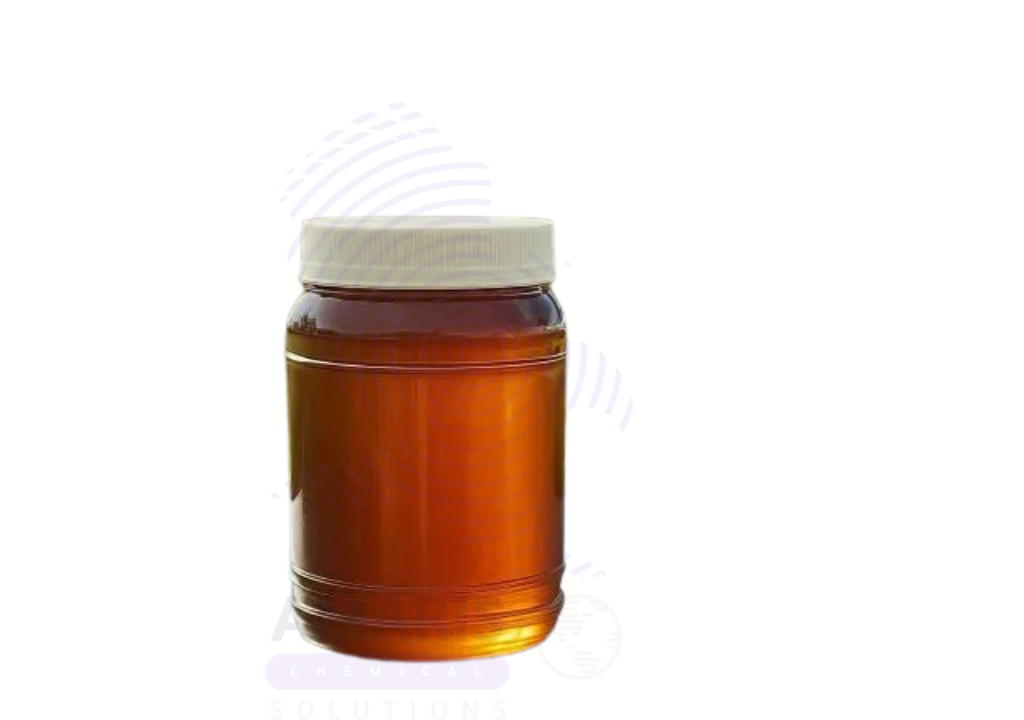


Pure Honey
Pure Honey is a natural sweetener produced by honeybees from the nectar of flowers. It is a viscous, golden liquid known for its sweetness, flavor complexity, and natural preservative qualities. Packed in 30kg jerrycans for bulk supply, pure honey is widely used in food, pharmaceutical, and cosmetic industries due to its nutritional benefits, antimicrobial properties, and versatility.
Pure Honey
Primary Uses
- Food Industry
- Used as a natural sweetener in beverages, bakery, confectionery, and cooking.
- Incorporated into spreads, sauces, dressings, and marinades for flavor enhancement.
- Used in health foods and energy bars for natural energy and nutrition.
- Pharmaceutical Industry
- Employed in cough syrups, throat lozenges, and herbal remedies for soothing effects.
- Used as a carrier or excipient in medicinal formulations.
- Cosmetics and Personal Care
- Added to skincare and haircare products for moisturizing, antioxidant, and antibacterial benefits.
Secondary Uses
- Traditional and Alternative Medicine
- Used in wound care and skin healing due to its antimicrobial properties.
- Incorporated in Ayurveda and naturopathy treatments.
- Food Preservation
- Acts as a natural preservative in jams, jellies, and pickled products.
- Industrial Uses
- Utilized in fermentation processes and as a substrate in bio-based products.
1. Basic Identification Attributes
- Chemical Name (IUPAC): Mixture of sugars (primarily fructose and glucose) and other components
- Common/Trade Name: Pure Honey
- CAS Number: 86902-98-7 (varies depending on composition)
- HS Code: 0409.00
- Synonyms: Natural honey; liquid honey
2. Physical & Chemical Properties
- Physical State: Viscous liquid
- Color & Odor: Golden to amber; characteristic floral aroma
- Solubility: Soluble in water
- Density: Approximately 1.42 g/cm³
- pH: Typically 3.4 to 6.1
3. Safety & Hazard Attributes
- GHS Classification: Not hazardous
- Toxicity: Non-toxic; edible food product
- Exposure Limits: Not applicable
4. Storage & Handling Attributes
- Storage Conditions: Store in a cool, dry place away from direct sunlight
- Container Type: Food-grade plastic jerrycans (30kg)
- Shelf Life: Typically 12–24 months if stored properly
- Handling Precautions: Avoid contamination and moisture ingress
5. Regulatory & Compliance Attributes
- Complies with Codex Alimentarius standards for honey
- Meets food safety regulations by FDA, EFSA, and other authorities
6. Environmental & Health Impact
- Biodegradability: Fully biodegradable
- Ecotoxicity: Low environmental impact
- Bioaccumulation: Not applicable
Safety Handling Precautions
- PPE Required: None under normal handling
- Handling Guidelines: Maintain hygiene to prevent spoilage
First Aid Measures
- Inhalation: Not applicable
- Skin Contact: Generally safe; wash if sticky residue causes irritation
- Eye Contact: Rinse with water if contact occurs
- Ingestion: Safe for consumption; monitor for allergies
Firefighting Measures
- Fire Hazards: Combustible if exposed to high heat or flame
- Extinguishing Media: Water spray, foam, dry chemical, or CO₂
- Special Precautions: Avoid buildup of vapors in confined spaces
- Hazardous Combustion Products: Carbon oxides and organic fumes
Related products
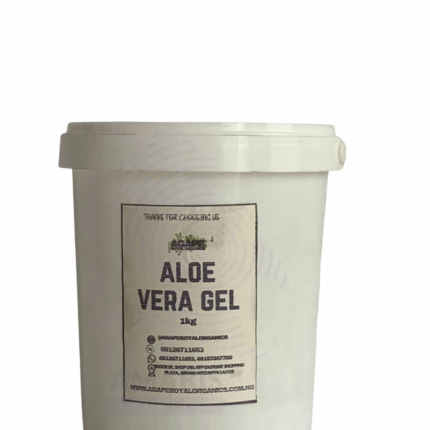
Aloe Vera Gel
Aloe Vera Gel is a clear, jelly-like substance extracted from the inner leaf of the Aloe vera plant. It is widely used in skincare for its soothing, hydrating, and healing properties. Rich in vitamins (especially A, C, and E), enzymes, and amino acids, Aloe Vera Gel is commonly applied to treat sunburns, minor cuts, skin irritation, and dryness. It also has mild anti-inflammatory and antibacterial effects, making it a popular natural remedy in both cosmetic and medicinal products.

Avocado Oil
Avocado Oil is a nutrient-rich, plant-based oil cold-pressed from the pulp of ripe avocados (Persea americana). Recognized for its deep green color and mildly nutty aroma, this oil is highly valued for its high content of monounsaturated fatty acids, especially oleic acid, along with vitamins A, D, and E, sterols, lecithin, and antioxidants.
Due to its excellent penetration, moisturizing, and regenerative properties, Avocado Oil is widely used in cosmetics, personal care, pharmaceutical, and nutraceutical formulations. It helps in restoring skin elasticity, promoting collagen synthesis, and soothing inflammation, making it ideal for dry, sensitive, or aging skin. In hair care, it strengthens and softens hair, improves scalp health, and reduces dandruff.
Additionally, refined, food-grade Avocado Oil is used in cooking due to its high smoke point and nutritional profile. It is also increasingly found in dietary supplements and therapeutic blends
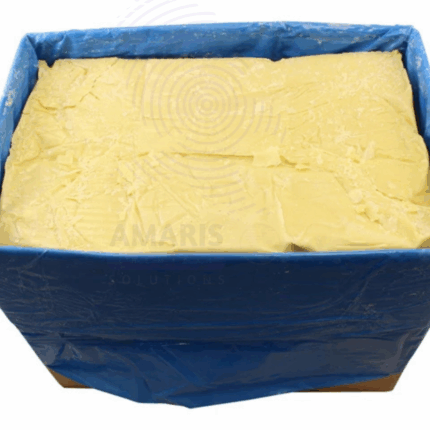
Cocoa Butter
Cocoa Butter, also known as Theobroma oil, is a pale-yellow, edible fat extracted from cocoa beans, primarily from Theobroma cacao. It has a smooth, creamy texture and a mild, characteristic chocolate aroma. Cocoa Butter is solid at room temperature but melts near body temperature, which gives it a luxurious feel when applied to skin or consumed. It is highly valued for its emollient, moisturizing, and protective properties. Cocoa Butter is widely used in cosmetics, pharmaceuticals, food, and confectionery industries. Its stable composition rich in fatty acids such as stearic, palmitic, and oleic acids imparts excellent oxidative stability and a long shelf life.
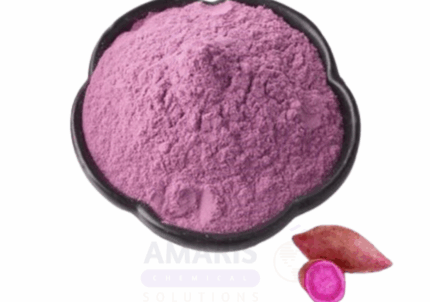
Natural Sweet Potatoes Extract
Natural Sweet Potatoes Extract is a concentrated substance derived from the roots of sweet potatoes (Ipomoea batatas) through processes such as solvent extraction, freeze-drying, or spray drying. Rich in antioxidants, vitamins (especially vitamin A and C), minerals, and natural pigments like beta-carotene and anthocyanins, this extract is valued for its nutritional benefits and vibrant natural color. It is widely used in food, beverage, nutraceutical, cosmetic, and pharmaceutical applications for its health-promoting and coloring properties.
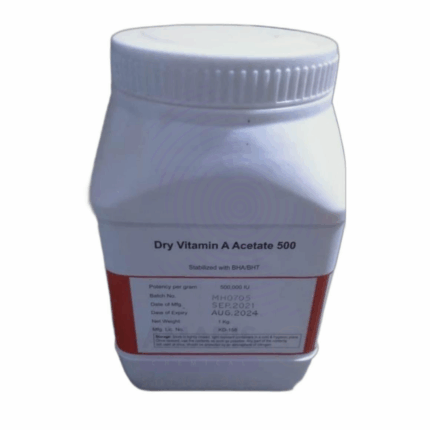
Vitamin A Acetate powder
Vitamin A Acetate Powder is a pale yellow, fine powder used as a stable form of vitamin A in nutritional supplements, pharmaceuticals, and cosmetic formulations. It is essential for vision, immune function, and skin health. The Extra Pure grade ensures high potency and minimal impurities, suitable for analytical and formulation purposes. Due to its sensitivity to light and air, it requires careful storage and handling to maintain stability and effectiveness.
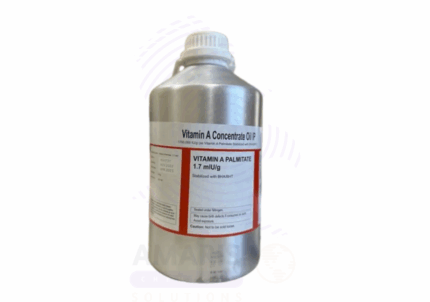
Vitamin A Palmitate
Vitamin A Palmitate is a highly concentrated, stable ester form of vitamin A used extensively in pharmaceuticals, nutraceuticals, cosmetics, and food fortification. This fat-soluble vitamin supports vision, immune function, skin health, and cellular growth. The palmitate ester enhances stability and shelf life, making it ideal for incorporation into powders, capsules, and topical formulations requiring precise dosing.
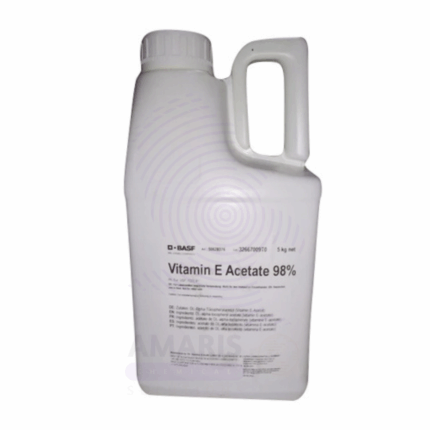
Vitamin E Acetate Oily
Vitamin E Acetate Oily, also known as DL-Alpha-Tocopheryl Acetate, is a synthetic, oil-soluble form of Vitamin E with high purity and exceptional oxidative stability. This viscous liquid is ideal for applications requiring direct incorporation into oil-based systems such as soft gel capsules, cosmetic formulations, and fortified edible oils. Its stability under processing and storage conditions makes it a preferred form of Vitamin E for nutritional, pharmaceutical, cosmetic, and food-grade applications.

Vitamin E Acetate Powder
Vitamin E Acetate Powder, also known as DL-Alpha-Tocopheryl Acetate Powder, is a dry, free-flowing, encapsulated form of Vitamin E, standardized to contain 50% of active DL-Alpha-Tocopheryl Acetate. It is designed for easy handling and uniform mixing in dry formulations and is ideal for use in nutritional supplements, fortified foods, and animal feed. The microencapsulation enhances stability against oxidation, heat, and light, ensuring long shelf life.












