

 Preservatives(food)
 Flavor Enhancers
 Acidulants
 Sweeteners
 Antioxidants
 Colorants(food)
 Nutraceutical Ingredients (food)
 Nutrient Supplements
 Emulsifiers
 Collectors
 Dust Suppressants
 Explosives and Blasting Agents
 Flocculants and Coagulants
 Frothers
 Leaching Agents
 pH Modifiers
 Precious Metal Extraction Agents
 Antioxidants(plastic)
 Colorants (Pigments, Dyes)
 Fillers and Reinforcements
 Flame Retardants
 Monomers
 Plasticizers
 Polymerization Initiators
 Stabilizers (UV, Heat)
 Antifoaming Agents
 Chelating Agents
 Coagulants and Flocculants
 Corrosion Inhibitors
 Disinfectants and Biocides
 Oxidizing Agents
 pH Adjusters
 Scale Inhibitors( water)
 Antioxidants(cosmetic)
 Emollients
 Fragrances and Essential Oils
 Humectants
 Preservatives
 Surfactants(cosmetic)
 Thickeners
 UV Filters
 Fertilizers
 Soil Conditioners
 Plant Growth Regulators
 Animal Feed Additives
 Biostimulants
 Pesticides (Herbicides, Insecticides, Fungicides)
 Active Pharmaceutical Ingredients (APIs)
 Excipients
 Solvents(pharmaceutical)
 Antibiotics
 Antiseptics and Disinfectants
 Vaccine Adjuvants
 Nutraceutical Ingredients (pharmaceutical)
 Analgesics & Antipyretics
 Analytical Reagents
 Solvents(lab)
 Chromatography Chemicals
 Spectroscopy Reagents
 microbiology-and-cell-culture-reagents
 Molecular Biology Reagents
 Biochemical Reagents
 Inorganic and Organic Standards
 Laboratory Safety Chemicals
 Specialty Laboratory Chemicals(Special Laboratory Equipment)
 Demulsifiers
 Hydraulic Fracturing Fluids
 Scale Inhibitors(oil)
 Surfactants(oil)
 Drilling Fluids
 Dyes and Pigments
 Bleaching Agents
 Softening Agents
 Finishing Agents
 Antistatic Agents
 Admixtures
 Waterproofing Agents
 Sealants and Adhesives
 Curing Compounds
 Concrete Repair Chemicals
 Anti-Corrosion Coatings
 Surfactants(cleaning)
 Builders
 Enzymes
 Solvents (Cleaning)
 Fragrances
 Electronic Chemicals
 Catalysts
 Lubricants
 Photographic Chemicals
 Refrigerants
 Automotive chemicals
 Pyrotechnic Chemicals
 Biodegradable Surfactants
 Bio-based Solvents
 Renewable Polymers
 Carbon Capture Chemicals
 Wastewater Treatment Chemicals
 Pigments
 Solvents(paint)
 Specialty Coatings
 Binders/Resins
 Additives
 Driers
 Anti-Corrosion Agents
 Functional Coatings
 Application-Specific Coatings
 Leavening Agents
 Dough Conditioners
 Flour Treatments
 Fat Replacers
 Decoratives
 Preservatives(baking)
 Plasticizers & Softeners
 Reinforcing Agents
 Adhesion Promoters
 Vulcanizing Agents
 Antidegradants
 Blowing Agents
 Fillers & Extenders
 Accelerators & Retarders



Soya Lecithin
Soya Lecithin is a natural phospholipid-rich substance extracted from soybean oil. It is a brownish-yellow viscous liquid or semi-solid with excellent emulsifying, stabilizing, and dispersing properties. This 25kg packaged product is widely used as an additive in food, pharmaceutical, cosmetic, and industrial applications to improve texture, shelf life, and product stability.
Soya Lecithin
Primary Uses
- Food Industry
- Emulsifier: Used in bakery, chocolate, margarine, and confectionery to improve texture and shelf life.
- Release Agent: Prevents sticking in baking and chocolate processing.
- Nutritional Supplement: Added for its phospholipid content and health benefits.
- Pharmaceutical Industry
- Excipient: Acts as an emulsifier and dispersing agent in oral and topical formulations.
- Liposome Production: Used in drug delivery systems.
- Cosmetics & Personal Care
- Emulsifier: Stabilizes creams, lotions, and hair care products.
- Moisturizer: Enhances skin hydration.
- Industrial Applications
- Paints & Coatings: Used as a dispersant and stabilizer.
- Animal Feed: Improves digestibility and nutrient absorption.
Secondary Uses
- Agriculture
- Seed Coating: Used to improve seed handling and germination.
1. Basic Identification Attributes
- Chemical Name (IUPAC): Phosphatidylcholine-rich lecithin mixture
- Common/Trade Name: Soya Lecithin
- CAS Number: 8002-43-5
- HS Code: 2103.90.99
- Synonyms: Soy lecithin, Phosphatidylcholine
2. Physical & Chemical Properties
- Physical State: Viscous liquid or semi-solid paste
- Color & Odor: Brownish-yellow; mild characteristic odor
- Solubility: Dispersible in water and oil phases
- Density: Approx. 1.03 g/cm³
- Phospholipid Content: Typically 60-70%
3. Safety & Hazard Attributes
- GHS Classification: Not classified as hazardous
- Toxicity: Low toxicity; widely regarded as safe
- Exposure Limits: No specific occupational limits
4. Storage & Handling Attributes
- Storage Conditions: Store in a cool, dry place away from direct sunlight
- Container Type: 25kg drums or pails
- Shelf Life: 12-18 months under proper storage
- Handling Precautions: Avoid contamination; maintain hygiene
5. Regulatory & Compliance Attributes
- Generally Recognized As Safe (GRAS) status
- Complies with FDA, EU food additive regulations
- REACH registered
6. Environmental & Health Impact
- Biodegradability: Readily biodegradable
- Ecotoxicity: Low environmental toxicity
- Bioaccumulation: Not expected to bioaccumulate
Safety Handling Precautions
- PPE Required: Gloves recommended for prolonged handling
- Handling Guidelines: Use good manufacturing practice; avoid contamination
- Storage Measures: Keep containers tightly closed
First Aid Measures
- Inhalation: Unlikely route of exposure; move to fresh air if discomfort occurs
- Skin Contact: Wash with soap and water; no significant irritation expected
- Eye Contact: Rinse with water if contact occurs; seek medical advice if irritation persists
- Ingestion: Generally safe; consult physician if adverse effects occur
Firefighting Measures
- Fire Hazards: Combustible at high temperatures
- Extinguishing Media: Foam, dry chemical, CO₂
- Hazardous Combustion Products: Carbon oxides, phosphorous oxides
Related products
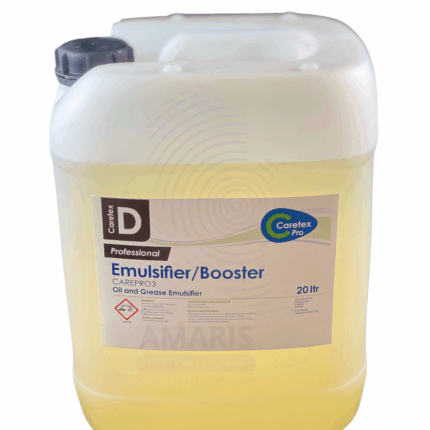
Booster Emulsifier
Booster Emulsifier is a specialized surfactant-based additive formulated to enhance the stability, texture, and uniformity of emulsions in food, cosmetic, and pharmaceutical formulations. It acts by reducing surface tension between immiscible liquids such as oil and water, facilitating the formation of stable, homogeneous emulsions. Booster Emulsifier is valued for its ability to improve product appearance, extend shelf life, and enhance sensory properties such as mouthfeel and creaminess. It is typically available as a liquid or powder and compatible with a wide range of ingredients.

Glycerol Monostearate
Glycerol Monostearate is a white to off-white, free-flowing powder composed of 50% monoglycerides of stearic and palmitic acids, typically derived from vegetable oils. It is a non-ionic emulsifier widely used in food, cosmetics, pharmaceuticals, plastics, and industrial applications. GMS functions as an emulsifying agent, stabilizer, thickener, anti-staling agent, and opacifier. In food, it improves texture and extends shelf life. In cosmetics and pharmaceuticals, it enhances creaminess and stability. GMS 50% is often blended with other emulsifiers or surfactants and is valued for its versatile functionality, safety, and compatibility with a wide range of ingredients.

Pineapple Enzyme Powder
Pineapple Enzyme Powder is a fine, light-colored powder derived from the fruit and stem of the pineapple (Ananas comosus), containing the proteolytic enzyme bromelain. It is produced via extraction and subsequent drying (usually spray or freeze-drying) to preserve enzymatic activity. Known for its protein-digesting, anti-inflammatory, and exfoliating properties, this enzyme is widely used across food, nutraceutical, cosmetic, and pharmaceutical industries.
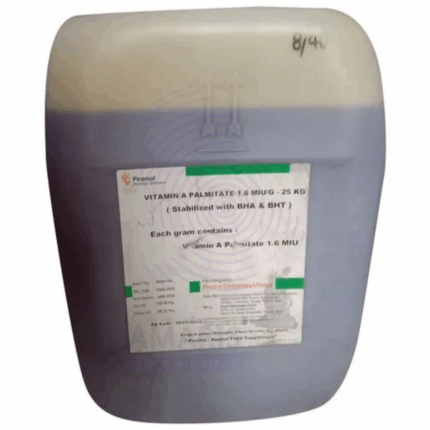
Powdered Vitamin A Palmitate
Powdered Vitamin A Palmitate is a stable, fat-soluble ester of vitamin A widely used as a dietary supplement and food fortification ingredient. It is an essential nutrient important for vision, immune function, skin health, and cellular growth. The powdered form offers ease of handling and incorporation into various food, pharmaceutical, and cosmetic products due to its stability and bioavailability.
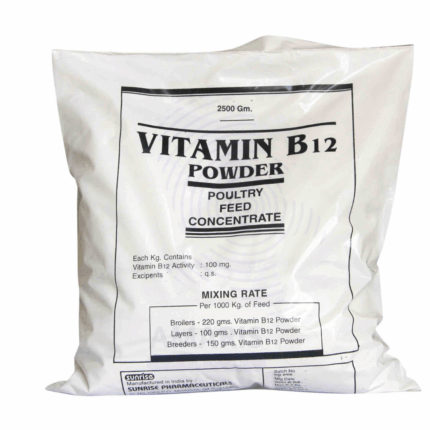
Vitamin B12 USP32
Vitamin B12 USP32 is a pharmaceutical-grade, water-soluble vitamin essential for red blood cell formation, neurological function, and DNA synthesis. This product meets the United States Pharmacopeia (USP) 32 standards, ensuring high purity and quality suitable for pharmaceutical and nutraceutical applications. Vitamin B12 USP32 is commonly supplied as cyanocobalamin or hydroxocobalamin forms, used in injections, tablets, and fortified food products.

Vitamin B12( Cyanocobalamin)
Vitamin B12 Cyanocobalamin BP is a pharmaceutical-grade form of vitamin B12, standardized according to the British Pharmacopoeia (BP). It is an essential nutrient involved in red blood cell formation, neurological function, and DNA synthesis. This stable, synthetic cyanocobalamin is widely used in pharmaceuticals, nutraceuticals, and fortified foods to prevent and treat vitamin B12 deficiency.
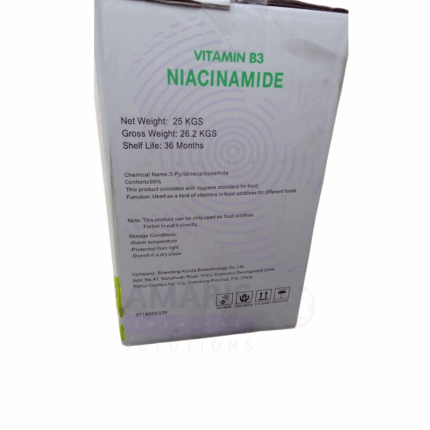
Vitamin B3 (Niacin)
Vitamin B3 Niacin, also known as Niacin or Nicotinic Acid, is a water-soluble vitamin essential for energy metabolism and enzymatic reactions in the body. It plays a key role in the synthesis of coenzymes NAD and NADP, which are critical for cellular respiration and DNA repair. Niacin is widely used in pharmaceuticals, nutraceuticals, food fortification, and animal nutrition to prevent niacin deficiency and support overall health.

Vitamin B3 (Nicotinamide)
Vitamin B3 Nicotinamide, also known as Niacinamide, is a water-soluble amide form of vitamin B3. It plays a crucial role in cellular energy production and DNA repair by serving as a precursor for coenzymes NAD and NADP. Nicotinamide is preferred in many pharmaceutical and cosmetic applications due to its stability and lower side-effect profile compared to niacin. It is widely used in pharmaceuticals, nutraceuticals, cosmetics, and food fortification.












