

 Preservatives(food)
 Flavors
 Acidulants
 Sweeteners
 Antioxidants
 Colorants(food)
 Nutraceutical Ingredients (food)
 Nutrient Supplements
 Emulsifiers
 Collectors
 Dust Suppressants
 Explosives and Blasting Agents
 Flocculants and Coagulants
 Frothers
 Leaching Agents
 pH Modifiers
 Precious Metal Extraction Agents
 Antioxidants(plastic)
 Colorants (Pigments, Dyes)
 Fillers and Reinforcements
 Flame Retardants
 Monomers
 Plasticizers
 Polymerization Initiators
 Stabilizers (UV, Heat)
 Antifoaming Agents
 Chelating Agents
 Coagulants and Flocculants
 Corrosion Inhibitors
 Disinfectants and Biocides
 Oxidizing Agents
 pH Adjusters
 Scale Inhibitors( water)
 Antioxidants(cosmetic)
 Emollients
 Oils
Oils Carrier Oills
 Essential Oils
 Humectants
 Preservatives
 Surfactants(cosmetic)
 Thickeners
 UV Filters
 Fragrance (Cosmetics)
 Fertilizers
 Soil Conditioners
 Plant Growth Regulators
 Animal Feed Additives
 Biostimulants
 Pesticides (Herbicides, Insecticides, Fungicides)
 Active Pharmaceutical Ingredients (APIs)
 Excipients
 Solvents(pharmaceutical)
 Antibiotics
 Antiseptics and Disinfectants
 Vaccine Adjuvants
 Nutraceutical Ingredients (pharmaceutical)
 Analgesics & Antipyretics
 Analytical Reagents
 Solvents(lab)
 Chromatography Chemicals
 Spectroscopy Reagents
 microbiology-and-cell-culture-reagents
 Molecular Biology Reagents
 Biochemical Reagents
 Inorganic and Organic Standards
 Laboratory Safety Chemicals
 Specialty Laboratory Chemicals(Special Laboratory Equipment)
 Demulsifiers
 Hydraulic Fracturing Fluids
 Scale Inhibitors(oil)
 Surfactants(oil)
 Drilling Fluids
 Dyes and Pigments
 Bleaching Agents
 Softening Agents
 Finishing Agents
 Antistatic Agents
 Admixtures
 Waterproofing Agents
 Sealants and Adhesives
 Curing Compounds
 Concrete Repair Chemicals
 Anti-Corrosion Coatings
 Surfactants(cleaning)
 Builders
 Enzymes
 Solvents (Cleaning)
 Electronic Chemicals
 Catalysts
 Lubricants
 Photographic Chemicals
 Refrigerants
 Automotive chemicals
 Pyrotechnic Chemicals
 Biodegradable Surfactants
 Bio-based Solvents
 Renewable Polymers
 Carbon Capture Chemicals
 Wastewater Treatment Chemicals
 Pigments
 Solvents(paint)
 Specialty Coatings
 Binders/Resins
 Additives
 Driers
 Anti-Corrosion Agents
 Functional Coatings
 Application-Specific Coatings
 Leavening Agents
 Dough Conditioners
 Flour Treatments
 Fat Replacers
 Decoratives
 Preservatives(baking)
 Plasticizers & Softeners
 Reinforcing Agents
 Adhesion Promoters
 Vulcanizing Agents
 Antidegradants
 Blowing Agents
 Fillers & Extenders
 Accelerators & Retarders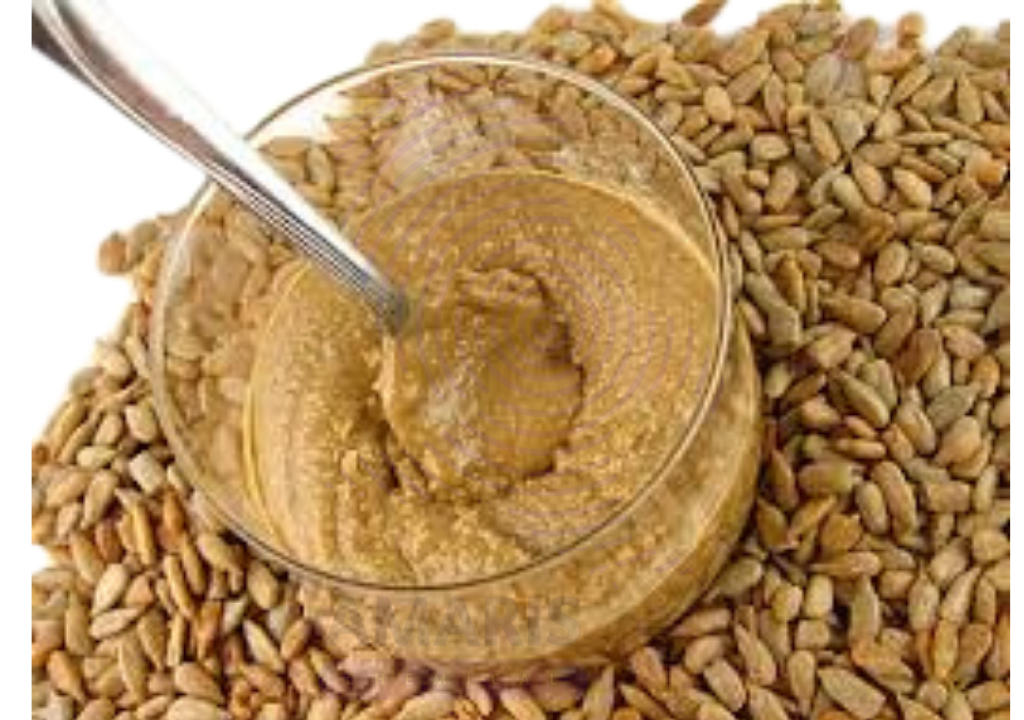


Sunflower Butter
Sunflower Butter is a creamy spread made from roasted sunflower seeds, offering a nutritious and allergen-friendly alternative to traditional nut butters. It is rich in healthy fats, protein, vitamins, and minerals, making it a popular choice for health-conscious consumers. Sunflower Butter has a mild, slightly nutty flavor and smooth texture, suitable for direct consumption or incorporation into various food products.
Sunflower Butter
Primary Uses
- Food Industry
- Spread & Condiment: Used as a direct spread on bread, crackers, and snacks as a nut-free alternative.
- Baking Ingredient: Incorporated into cookies, cakes, and pastries for flavor and texture enhancement.
- Dairy Alternatives: Used in plant-based recipes for sauces, dressings, and smoothies.
- Health & Nutrition
- Protein Source: Included in health foods and dietary supplements for plant-based protein.
- Allergy-Friendly Product: Suitable for consumers allergic to peanuts or tree nuts.
Secondary Uses
- Foodservice Industry
- Ingredient in Snacks: Used in granola bars, energy bites, and snack mixes.
- Flavor Component: Added to flavored spreads, dips, and dessert toppings.
- Cosmetic Industry
- Natural Emollient: Occasionally used in skincare formulations for moisturizing properties.
1. Basic Identification Attributes
- Chemical Name (IUPAC): N/A (Food product)
- Common/Trade Name: Sunflower Butter
- CAS Number: N/A
- HS Code: 2106.90.99 (Food preparations)
- Synonyms: Sunflower seed butter, sunflower seed spread
2. Physical & Chemical Properties
- Physical State: Semi-solid creamy paste
- Color & Odor: Light to medium brown; mild nutty aroma
- Texture: Smooth, spreadable
- Shelf Life: Typically 6-12 months when refrigerated
3. Safety & Hazard Attributes
- GHS Classification: Not classified as hazardous
- Toxicity: Generally recognized as safe (GRAS) for food use
- Allergen Info: Nut-free but may cross-contact with other allergens if not processed separately
4. Storage & Handling Attributes
- Storage Conditions: Store in a cool, dry place; refrigerate after opening to maintain freshness
- Container Type: Jars, tubs, or pouches
- Shelf Life: 6-12 months under proper storage
- Handling Precautions: Avoid contamination and moisture ingress
5. Regulatory & Compliance Attributes
- Complies with food safety regulations such as FDA, EFSA, and Codex Alimentarius
- Produced under Good Manufacturing Practices (GMP)
- Allergen labeling in accordance with relevant standards
6. Environmental & Health Impact
- Biodegradability: Food product; biodegradable packaging recommended
- Ecotoxicity: Not applicable
- Bioaccumulation: Not applicable
Safety Handling Precautions
- PPE Required: None required for normal handling
- Handling Guidelines: Use hygienic practices to avoid contamination
- Storage Measures: Keep sealed and refrigerated after opening
First Aid Measures
- Inhalation: Not applicable
- Skin Contact: Generally safe; wash hands if sticky residue occurs
- Eye Contact: Not applicable
- Ingestion: Safe for consumption; allergic reactions possible in sensitive individuals
Firefighting Measures
- Fire Hazards: Non-flammable food product
- Extinguishing Media: Use standard extinguishing media for food production environments
- Hazardous Combustion Products: None
Related products
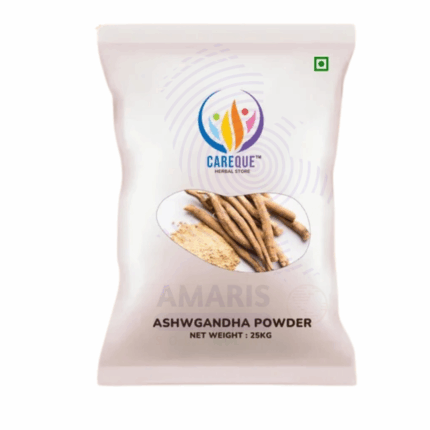
Ashawaganha Powder
Ashawaganha Powder is derived from the dried roots of Withania somnifera, a renowned herb in Ayurvedic and traditional medicine systems. Known as Indian ginseng or winter cherry, Ashwagandha is valued for its adaptogenic properties, helping the body combat stress, enhance vitality, and support overall wellness. The powder is finely ground root material, rich in bioactive compounds such as withanolides, alkaloids, and steroidal lactones. It is widely used as a dietary supplement, in herbal formulations, cosmetics, and traditional medicine.

Avocado Oil
Avocado Oil is a nutrient-rich, plant-based oil cold-pressed from the pulp of ripe avocados (Persea americana). Recognized for its deep green color and mildly nutty aroma, this oil is highly valued for its high content of monounsaturated fatty acids, especially oleic acid, along with vitamins A, D, and E, sterols, lecithin, and antioxidants.
Due to its excellent penetration, moisturizing, and regenerative properties, Avocado Oil is widely used in cosmetics, personal care, pharmaceutical, and nutraceutical formulations. It helps in restoring skin elasticity, promoting collagen synthesis, and soothing inflammation, making it ideal for dry, sensitive, or aging skin. In hair care, it strengthens and softens hair, improves scalp health, and reduces dandruff.
Additionally, refined, food-grade Avocado Oil is used in cooking due to its high smoke point and nutritional profile. It is also increasingly found in dietary supplements and therapeutic blends
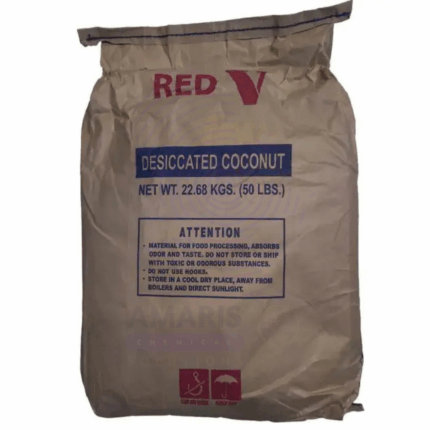
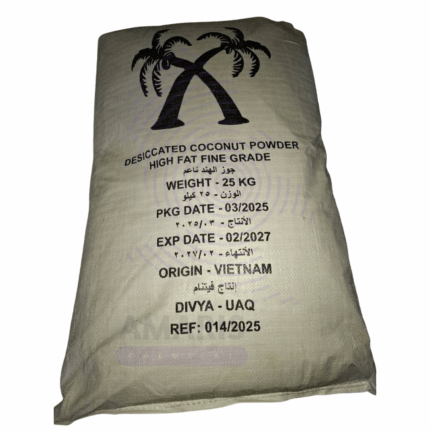
Desiccated Coconut
Desiccated Coconut is finely shredded, dried coconut meat derived from mature coconuts (Cocos nucifera). It is produced by removing the coconut water, then drying the white coconut kernel to reduce moisture content to less than 3%. The drying process preserves the natural flavor, aroma, and nutritional content while extending shelf life. Desiccated coconut is commonly available in various particle sizes and grades, suitable for culinary, bakery, confectionery, and food processing applications. It is valued for its rich texture, nutty flavor, and ability to add moisture and fat to food products.
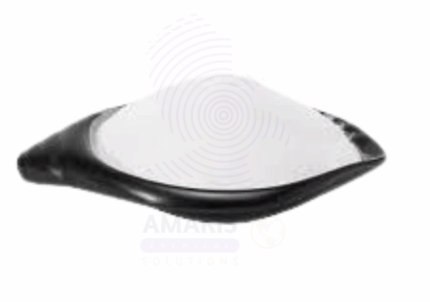
Fish Collagen
Fish Collagen is a natural protein derived from the skin, scales, and bones of various fish species through enzymatic hydrolysis or acid extraction. It is predominantly Type I collagen, known for its excellent bioavailability and biocompatibility. Fish Collagen typically appears as a fine white to off-white powder with low odor and high solubility in water and acidic solutions. It is widely prized in cosmetics, nutraceuticals, pharmaceuticals, and food industries due to its superior absorption compared to mammalian collagen, making it highly effective in skin, joint, and bone health applications. Fish Collagen supports the body’s extracellular matrix, promoting skin elasticity, hydration, and tissue repair.
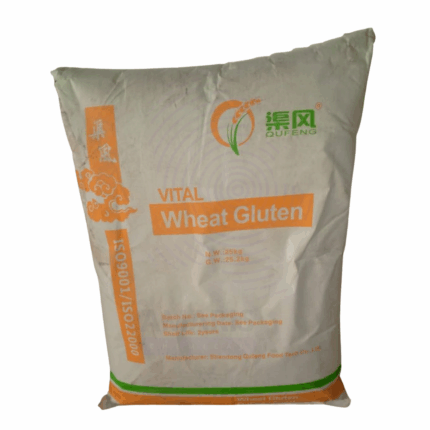
High Gluten Wheat Flour
High Gluten Wheat Flour is a finely milled powder derived from hard wheat varieties known for their high protein content, typically ranging from 12% to 14.5%. This flour has a superior gluten-forming capacity which imparts strong dough elasticity and excellent gas retention properties. It appears as an off-white to pale yellow powder with a neutral to slightly nutty aroma. High Gluten Wheat Flour is prized in baking industries and food manufacturing for producing products with enhanced chewiness, volume, and texture. It is essential for applications requiring strong dough structure and resilience.
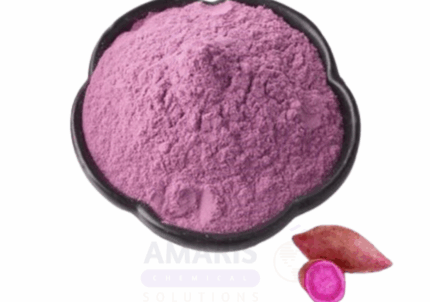
Natural Sweet Potatoes Extract
Natural Sweet Potatoes Extract is a concentrated substance derived from the roots of sweet potatoes (Ipomoea batatas) through processes such as solvent extraction, freeze-drying, or spray drying. Rich in antioxidants, vitamins (especially vitamin A and C), minerals, and natural pigments like beta-carotene and anthocyanins, this extract is valued for its nutritional benefits and vibrant natural color. It is widely used in food, beverage, nutraceutical, cosmetic, and pharmaceutical applications for its health-promoting and coloring properties.
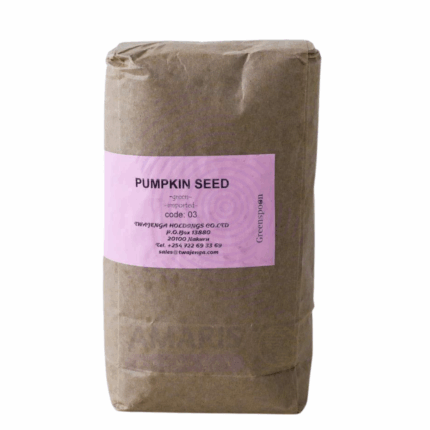
Pumpkin Kernels
Pumpkin kernels, also known as pepitas, are the edible seeds extracted from pumpkins. They are nutrient-rich, containing healthy fats, proteins, vitamins, and minerals, making them a popular ingredient in food products and snacks. Supplied in bulk 25 kg packaging, pumpkin kernels are widely used for their flavor, texture, and nutritional benefits in culinary and industrial applications.

Vitamin E Acetate Powder
Vitamin E Acetate Powder, also known as DL-Alpha-Tocopheryl Acetate Powder, is a dry, free-flowing, encapsulated form of Vitamin E, standardized to contain 50% of active DL-Alpha-Tocopheryl Acetate. It is designed for easy handling and uniform mixing in dry formulations and is ideal for use in nutritional supplements, fortified foods, and animal feed. The microencapsulation enhances stability against oxidation, heat, and light, ensuring long shelf life.












