

 Preservatives(food)
 Flavors
 Acidulants
 Sweeteners
 Antioxidants
 Colorants(food)
 Nutraceutical Ingredients (food)
 Nutrient Supplements
 Emulsifiers
 Collectors
 Dust Suppressants
 Explosives and Blasting Agents
 Flocculants and Coagulants
 Frothers
 Leaching Agents
 pH Modifiers
 Precious Metal Extraction Agents
 Antioxidants(plastic)
 Colorants (Pigments, Dyes)
 Fillers and Reinforcements
 Flame Retardants
 Monomers
 Plasticizers
 Polymerization Initiators
 Stabilizers (UV, Heat)
 Antifoaming Agents
 Chelating Agents
 Coagulants and Flocculants
 Corrosion Inhibitors
 Disinfectants and Biocides
 Oxidizing Agents
 pH Adjusters
 Scale Inhibitors( water)
 Antioxidants(cosmetic)
 Emollients
 Oils
Oils Carrier Oills
 Essential Oils
 Humectants
 Preservatives
 Surfactants(cosmetic)
 Thickeners
 UV Filters
 Fertilizers
 Soil Conditioners
 Plant Growth Regulators
 Animal Feed Additives
 Biostimulants
 Pesticides (Herbicides, Insecticides, Fungicides)
 Active Pharmaceutical Ingredients (APIs)
 Excipients
 Solvents(pharmaceutical)
 Antibiotics
 Antiseptics and Disinfectants
 Vaccine Adjuvants
 Nutraceutical Ingredients (pharmaceutical)
 Analgesics & Antipyretics
 Analytical Reagents
 Solvents(lab)
 Chromatography Chemicals
 Spectroscopy Reagents
 microbiology-and-cell-culture-reagents
 Molecular Biology Reagents
 Biochemical Reagents
 Inorganic and Organic Standards
 Laboratory Safety Chemicals
 Specialty Laboratory Chemicals(Special Laboratory Equipment)
 Demulsifiers
 Hydraulic Fracturing Fluids
 Scale Inhibitors(oil)
 Surfactants(oil)
 Drilling Fluids
 Dyes and Pigments
 Bleaching Agents
 Softening Agents
 Finishing Agents
 Antistatic Agents
 Admixtures
 Waterproofing Agents
 Sealants and Adhesives
 Curing Compounds
 Concrete Repair Chemicals
 Anti-Corrosion Coatings
 Surfactants(cleaning)
 Builders
 Enzymes
 Solvents (Cleaning)
 Fragrances (Cleaning)
 Electronic Chemicals
 Catalysts
 Lubricants
 Photographic Chemicals
 Refrigerants
 Automotive chemicals
 Pyrotechnic Chemicals
 Biodegradable Surfactants
 Bio-based Solvents
 Renewable Polymers
 Carbon Capture Chemicals
 Wastewater Treatment Chemicals
 Pigments
 Solvents(paint)
 Specialty Coatings
 Binders/Resins
 Additives
 Driers
 Anti-Corrosion Agents
 Functional Coatings
 Application-Specific Coatings
 Leavening Agents
 Dough Conditioners
 Flour Treatments
 Fat Replacers
 Decoratives
 Preservatives(baking)
 Plasticizers & Softeners
 Reinforcing Agents
 Adhesion Promoters
 Vulcanizing Agents
 Antidegradants
 Blowing Agents
 Fillers & Extenders
 Accelerators & Retarders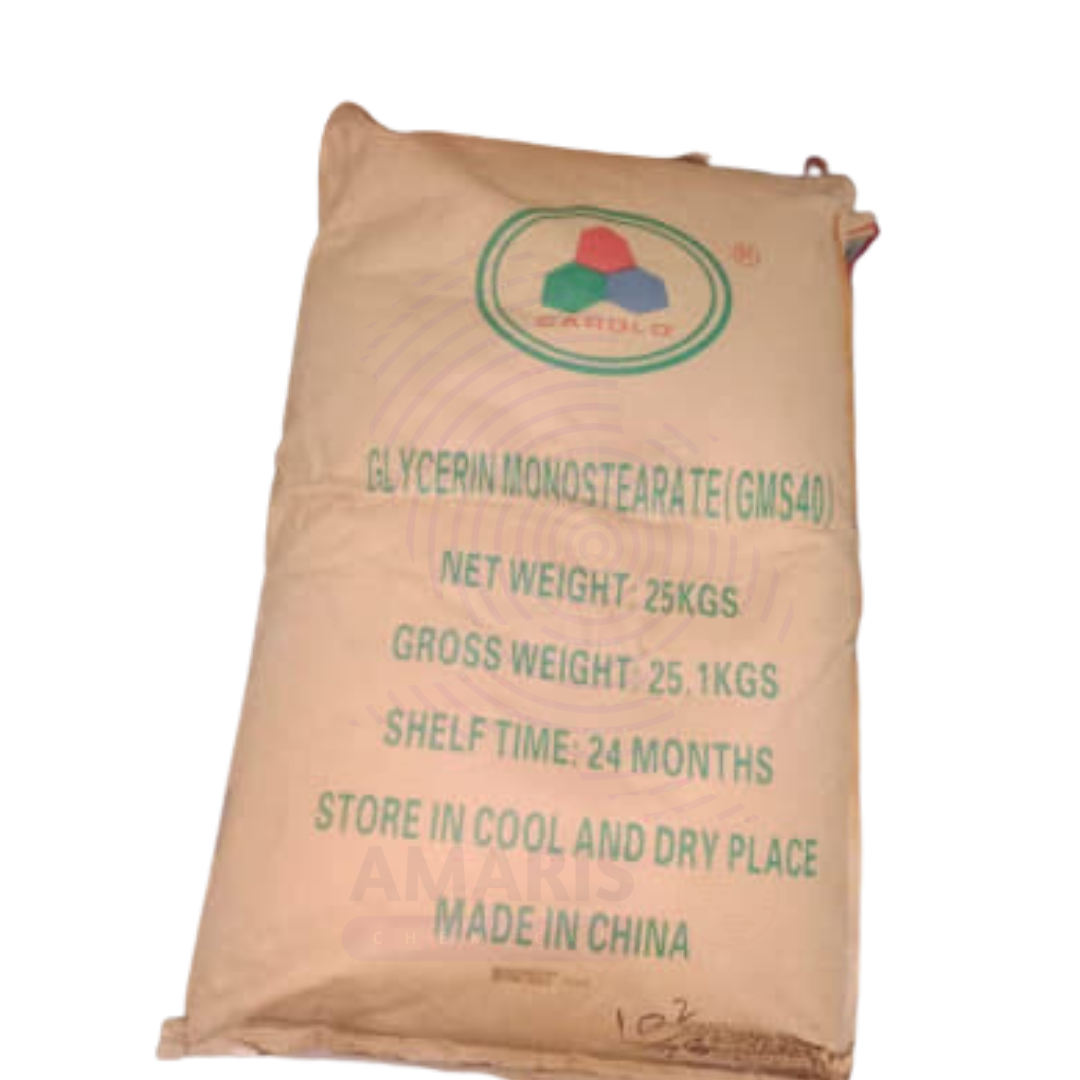

Glycerol Monostearate
Original price was: $ 2.79.$ 2.67Current price is: $ 2.67.
Glycerol Monostearate is a white to off-white, free-flowing powder composed of 50% monoglycerides of stearic and palmitic acids, typically derived from vegetable oils. It is a non-ionic emulsifier widely used in food, cosmetics, pharmaceuticals, plastics, and industrial applications. GMS functions as an emulsifying agent, stabilizer, thickener, anti-staling agent, and opacifier. In food, it improves texture and extends shelf life. In cosmetics and pharmaceuticals, it enhances creaminess and stability. GMS 50% is often blended with other emulsifiers or surfactants and is valued for its versatile functionality, safety, and compatibility with a wide range of ingredients.
Glycerol Monostearate
Primary Uses
- Food Industry
- Emulsifier in margarine, peanut butter, creamers, and spreads to maintain stable oil-water mixtures.
- Anti-staling agent in bread and baked goods; enhances softness, improves crumb structure, and extends shelf life.
- Aerating agent in whipped toppings, ice cream, and bakery creams, improving volume and texture.
- Texturizer and thickener in sauces, processed cheese, and instant pudding mixes.
- Release agent in bakery applications to prevent sticking of dough or batter to molds and pans.
- Fat replacer in reduced-fat food products.
- Stabilizer for beverages containing fat-soluble vitamins or oils (e.g., nutritional drinks).
- Used in chewing gum and confectionery for improved chew and mouthfeel.
- Pharmaceuticals & Nutraceuticals
- Excipient and emulsifying agent in creams, ointments, gels, and lotions for topical application.
- Tablet binder and dispersing agent in solid dosage forms.
- Enhances bioavailability of lipophilic active pharmaceutical ingredients.
- Carrier and stabilizer in vitamin and mineral supplements.
- Used in nutraceutical formulations as a dispersant for functional ingredients.
- Cosmetics & Personal Care
- Emulsifier and stabilizer in lotions, creams, hair conditioners, and sunscreens.
- Opacifier in shampoos and liquid soaps to impart a creamy, pearlescent appearance.
- Skin conditioning agent that enhances skin softness and spreadability of formulations.
- Viscosity modifier to adjust thickness and texture in emulsions.
- Improves water resistance in sunscreens and makeup.
- Plastics & Packaging Industry
- Antistatic and antifog agent in plastic films and containers (especially polyethylene and polypropylene).
- Used in food-safe packaging to improve processability and surface characteristics.
- Internal lubricant and mold release agent in thermoplastic production.
Secondary Uses
- Textile Industry
- Softening agent in textile finishing to improve hand feel.
- Emulsifier for oils and waxes used in fabric treatments.
- Agriculture
- Emulsifying agent in agrochemical formulations such as pesticides and foliar fertilizers.
- Used in animal feed as a stabilizer for vitamin and fat preparations.
- Industrial Lubricants & Coatings
- Emulsifier and thickener in water-based lubricants and metalworking fluids.
- Used in paint formulations to improve dispersion and texture.
- Personal Hygiene Products
- Stabilizer and texture enhancer in deodorants, shaving creams, and cleansing bars.
- Enhances consistency and stability in bath products and hand sanitizers.
| PACK SIZE | 25kg Sack |
|---|
1. Basic Identification Attributes
- Chemical Name (IUPAC): 1-Monostearoyl-rac-glycerol
- Common/Trade Name: Glycerol Monostearate (GMS)
- CAS Number: 31566-31-1 (commercial GMS blend)
- HS Code: 2915.90.70
- Molecular Formula: C21H42O4 (pure GMS)
- Molecular Weight: ~358.56 g/mol
- Synonyms:
- Glyceryl monostearate
- GMS 50
- Monostearin
- E471 (when used as a food additive)
- Octadecanoic acid monoglyceride
2. Physical & Chemical Properties
- Physical State: Fine powder or flakes
- Color & Odor: White to off-white; faint fatty odor
- Purity: 50% monoglycerides minimum
- Melting Point: 55–65 °C
- Solubility:
- Insoluble in water
- Soluble in hot ethanol and oils
- Dispersible in water when melted and homogenized
- pH (1% dispersion): ~6–8
- HLB Value: 3.8–5.6 (oil-in-water emulsifier)
3. Safety & Hazard Attributes
- GHS Classification: Not classified as hazardous
- NFPA Ratings:
- Health: 0
- Flammability: 1
- Reactivity: 0
- Toxicity: Considered safe (GRAS); low acute oral and dermal toxicity
- Irritation: Mild irritant in high concentrations; generally non-sensitizing
4. Storage & Handling Attributes
- Container Type: Multi-layer paper bags with inner polyethylene liners or food-grade fiber drums
- Storage Conditions:
- Store in a cool, dry place
- Protect from heat, humidity, and direct sunlight
- Shelf Life: 24 months in original sealed packaging
- Handling Notes:
- Avoid dust formation
- Hygroscopic—keep container tightly closed
5. Regulatory & Compliance Attributes
- Food Grade Certification: E471 (approved in EU, FDA GRAS in U.S.)
- Pharmaceutical Grade: USP/NF, Ph. Eur. grades available
- REACH Registered: Yes
- GMO-Free / Allergen-Free: Commonly available
- Halal/Kosher Certified: Available depending on manufacturer
6. Environmental & Health Impact
- Biodegradability: Readily biodegradable
- Ecotoxicity: Low to negligible environmental toxicity
- Bioaccumulation: Not expected
- Carcinogenicity/Mutagenicity: No evidence of mutagenic or carcinogenic effects
- Sustainability: Derived from renewable vegetable sources (e.g., palm, soy, or coconut oils)
Safety Handling Precautions
PPE Required:
- Gloves
- Dust mask (for powder handling)
- Safety glasses
Handling Guidelines:
- Avoid inhalation of fine dust
- Prevent moisture contact with open product
- Maintain clean scooping tools and surfaces
Hygiene Practices:
- Wash hands after handling
- Do not eat, drink, or smoke during use
First Aid Measures
- Inhalation: Move to fresh air; seek medical attention if respiratory irritation occurs
- Skin Contact: Wash thoroughly with soap and water
- Eye Contact: Rinse cautiously with water for several minutes
- Ingestion: Non-toxic; rinse mouth and consult physician if discomfort occurs
Firefighting Measures
- Fire Hazards: Combustible at high temperatures
- Flash Point: >180 °C
- Extinguishing Media: Foam, dry chemical, CO₂, or water spray
- Combustion Products: Carbon monoxide, carbon dioxide, and fatty acid fumes
- Firefighter PPE: Use self-contained breathing apparatus and protective gear
Related products
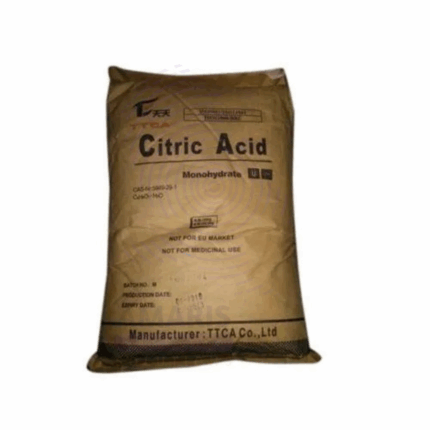
Citric Acid Monohydrate
Citric Acid Monohydrate is a white, crystalline powder or granule form of citric acid containing one molecule of water per molecule of acid. It is a natural organic acid commonly derived from citrus fruits or produced by fermentation processes. Citric Acid Monohydrate is widely used as an acidulant, preservative, and chelating agent in various industries. Compared to the anhydrous form, it has a slightly lower acid concentration due to the water molecule but offers excellent solubility and stability. It is prized for its sour flavor, buffering capacity, and ability to bind metal ions, making it indispensable in food, pharmaceutical, cosmetic, and industrial applications.
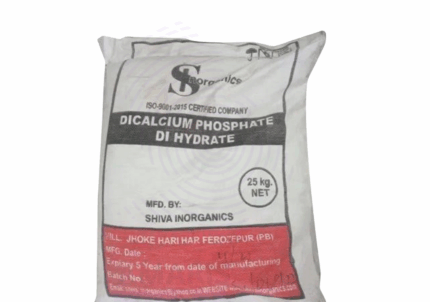
Dicalcium Phosphate Dihydrate
Dicalcium Phosphate Dihydrate (DCP Dihydrate) is an odorless, white crystalline powder or granule composed of calcium and phosphate in a hydrated form. It is widely used in the pharmaceutical, food, animal feed, and industrial sectors. It serves as a calcium and phosphorus supplement, excipient, and abrasive agent, valued for its stability, bioavailability, and neutral taste. DCP Dihydrate complies with various pharmacopeial standards (e.g., USP, BP, FCC) depending on the grade.
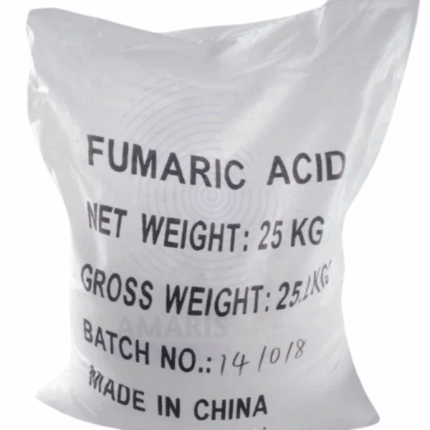
Fumaric Acid
Fumaric Acid is a naturally occurring dicarboxylic acid characterized by its white crystalline powder form and a slightly acidic taste. It is an unsaturated organic acid with the chemical formula C4H4O4 and is an intermediate in the Krebs cycle in biological systems. Fumaric Acid is commonly found in various plants and fungi and is commercially produced by isomerization of maleic acid or by fermentation. It is widely used in the food, pharmaceutical, chemical, and polymer industries due to its acidulant, antioxidant, and crosslinking properties.
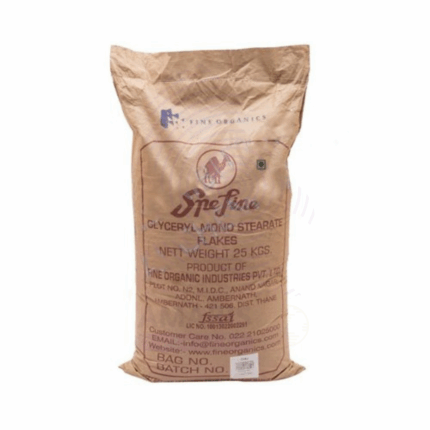
Glycerol Monostearate Flakes
Glycerol Monostearate Flakes is a white to off-white waxy flake form emulsifier composed of 40% monoglycerides of fatty acids, primarily stearic and palmitic acids, combined with other glycerides and esters. Derived mainly from vegetable oils, this food-grade emulsifier is widely utilized in food, cosmetic, pharmaceutical, and industrial sectors for its multifunctional properties. GMS 40% flakes serve as effective emulsifiers, stabilizers, anti-caking agents, and texture enhancers, with excellent compatibility and versatility in formulations requiring semi-solid or solid fats.
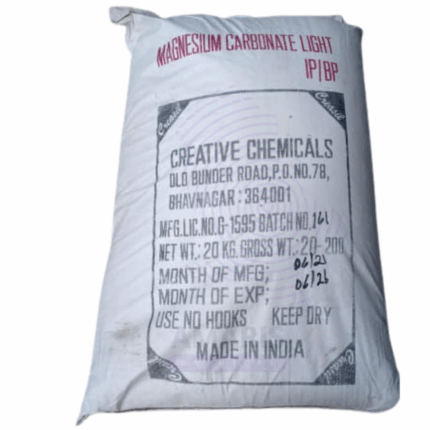
Magnesium Carbonate Light
Magnesium Carbonate Light is a fine, white, odorless powder primarily composed of magnesium carbonate (MgCO₃). It is characterized by its light texture and high purity. This mineral compound is widely used across various industries due to its excellent absorption properties, mild alkalinity, and non-toxic nature. Magnesium Carbonate Light is commonly employed as an antacid, drying agent, filler, and flow aid in food, pharmaceutical, cosmetic, and industrial applications.
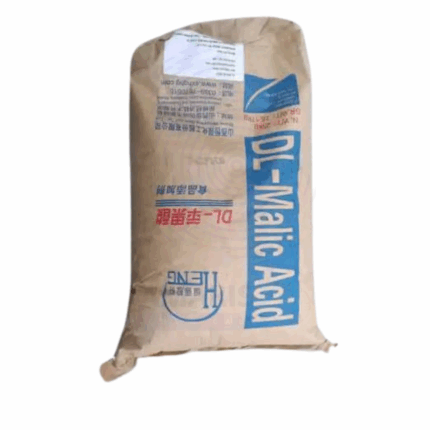
Malic Acid
Malic Acid is a naturally occurring dicarboxylic acid found in many fruits, particularly apples, and is commonly used as a food additive, flavor enhancer, and acidulant. It is available in crystalline or powder form and has a strong, tart taste. Commercially, it is produced synthetically or extracted from natural sources. Malic Acid exists in two isomeric forms: L-malic acid (naturally occurring and biologically active) and DL-malic acid (synthetic racemic mixture). It is highly soluble in water and widely used in food, beverage, cosmetics, and pharmaceutical industries.
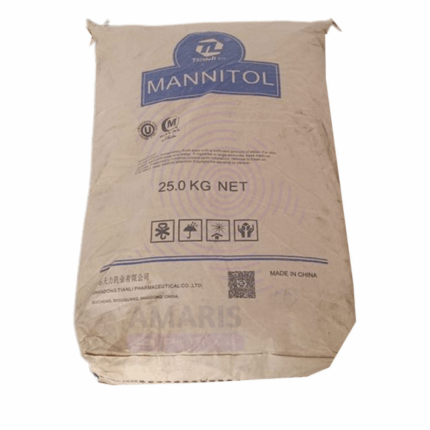
Maninitol BP
Maninitol BP is a white, crystalline, sugar alcohol derived from mannose, widely used in pharmaceutical, food, and cosmetic industries. It functions as a sweetener, humectant, and excipient. Mannitol BP is non-hygroscopic and has low sweetness compared to sucrose, making it ideal for sugar-free formulations. It is commonly employed in tablet manufacturing as a filler and binder, and in medical settings as an osmotic diuretic to reduce intracranial pressure. The British Pharmacopoeia (BP) grade ensures compliance with pharmacopeial standards for purity and quality.

Soya Lecithin
Soya Lecithin is a natural phospholipid-rich substance extracted from soybean oil. It is a brownish-yellow viscous liquid or semi-solid with excellent emulsifying, stabilizing, and dispersing properties. This 25kg packaged product is widely used as an additive in food, pharmaceutical, cosmetic, and industrial applications to improve texture, shelf life, and product stability.












