

 Preservatives(food)
 Flavors
 Acidulants
 Sweeteners
 Antioxidants
 Colorants(food)
 Nutraceutical Ingredients (food)
 Nutrient Supplements
 Emulsifiers
 Collectors
 Dust Suppressants
 Explosives and Blasting Agents
 Flocculants and Coagulants
 Frothers
 Leaching Agents
 pH Modifiers
 Precious Metal Extraction Agents
 Antioxidants(plastic)
 Colorants (Pigments, Dyes)
 Fillers and Reinforcements
 Flame Retardants
 Monomers
 Plasticizers
 Polymerization Initiators
 Stabilizers (UV, Heat)
 Antifoaming Agents
 Chelating Agents
 Coagulants and Flocculants
 Corrosion Inhibitors
 Disinfectants and Biocides
 Oxidizing Agents
 pH Adjusters
 Scale Inhibitors( water)
 Antioxidants(cosmetic)
 Emollients
 Oils
Oils Carrier Oills
 Essential Oils
 Humectants
 Preservatives
 Surfactants(cosmetic)
 Thickeners
 UV Filters
 Fertilizers
 Soil Conditioners
 Plant Growth Regulators
 Animal Feed Additives
 Biostimulants
 Pesticides (Herbicides, Insecticides, Fungicides)
 Active Pharmaceutical Ingredients (APIs)
 Excipients
 Solvents(pharmaceutical)
 Antibiotics
 Antiseptics and Disinfectants
 Vaccine Adjuvants
 Nutraceutical Ingredients (pharmaceutical)
 Analgesics & Antipyretics
 Analytical Reagents
 Solvents(lab)
 Chromatography Chemicals
 Spectroscopy Reagents
 microbiology-and-cell-culture-reagents
 Molecular Biology Reagents
 Biochemical Reagents
 Inorganic and Organic Standards
 Laboratory Safety Chemicals
 Specialty Laboratory Chemicals(Special Laboratory Equipment)
 Demulsifiers
 Hydraulic Fracturing Fluids
 Scale Inhibitors(oil)
 Surfactants(oil)
 Drilling Fluids
 Dyes and Pigments
 Bleaching Agents
 Softening Agents
 Finishing Agents
 Antistatic Agents
 Admixtures
 Waterproofing Agents
 Sealants and Adhesives
 Curing Compounds
 Concrete Repair Chemicals
 Anti-Corrosion Coatings
 Surfactants(cleaning)
 Builders
 Enzymes
 Solvents (Cleaning)
 Fragrances (Cleaning)
 Electronic Chemicals
 Catalysts
 Lubricants
 Photographic Chemicals
 Refrigerants
 Automotive chemicals
 Pyrotechnic Chemicals
 Biodegradable Surfactants
 Bio-based Solvents
 Renewable Polymers
 Carbon Capture Chemicals
 Wastewater Treatment Chemicals
 Pigments
 Solvents(paint)
 Specialty Coatings
 Binders/Resins
 Additives
 Driers
 Anti-Corrosion Agents
 Functional Coatings
 Application-Specific Coatings
 Leavening Agents
 Dough Conditioners
 Flour Treatments
 Fat Replacers
 Decoratives
 Preservatives(baking)
 Plasticizers & Softeners
 Reinforcing Agents
 Adhesion Promoters
 Vulcanizing Agents
 Antidegradants
 Blowing Agents
 Fillers & Extenders
 Accelerators & Retarders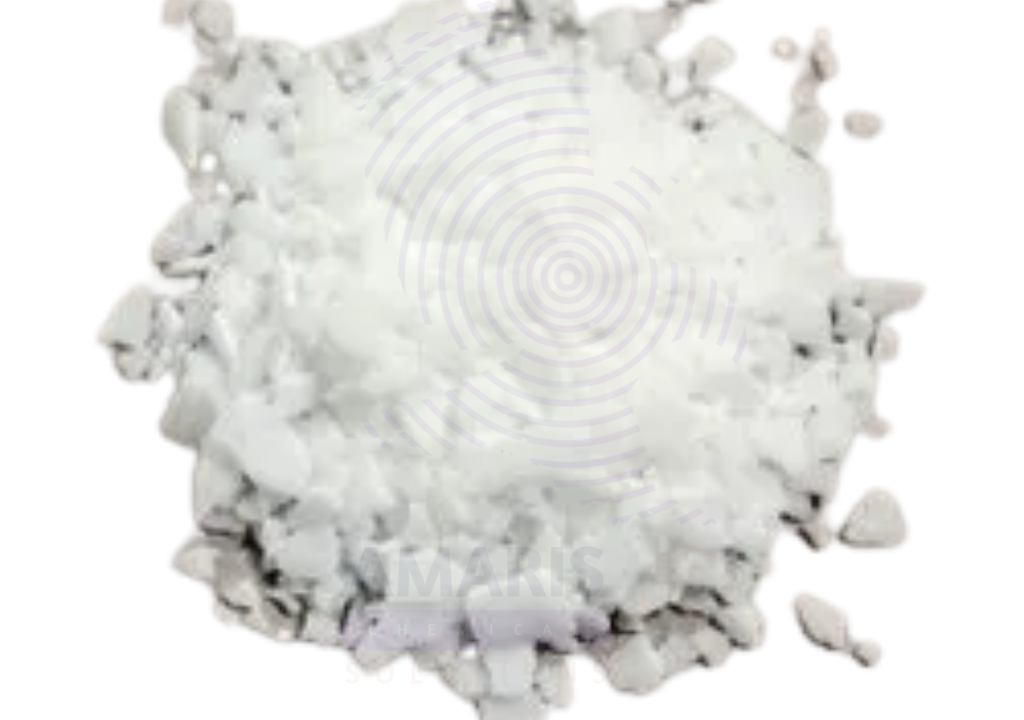


Polyglyceryl
Polyglyceryl refers to a family of non-ionic surfactants and emulsifiers made by the polymerization of glycerol units. Depending on the number of glycerol units (e.g., Polyglyceryl-2, -3, -6, -10) and fatty acid esterification (e.g., laurate, oleate, stearate), they offer different emulsifying and solubilizing properties. These compounds are biodegradable, mild, and skin-friendly, making them ideal for use in cosmetics, food, pharmaceuticals, and personal care products. Polyglyceryl esters are often chosen in natural and organic product formulations due to their origin and non-toxic profile.
Polyglyceryl
Primary Uses
- Cosmetics & Personal Care Products
- Serve as emulsifiers in creams, lotions, sunscreens, serums, and cleansers.
- Excellent for oil-in-water (O/W) and water-in-oil (W/O) emulsions depending on HLB value.
- Provide a light, non-greasy feel, making them suitable for facial care and sensitive skin products.
- Common in natural, vegan, and clean-label cosmetic formulations.
- Food Industry
- Used as food-grade emulsifiers and dispersing agents (especially Polyglyceryl esters of fatty acids).
- Help stabilize emulsions in sauces, dressings, ice cream, and non-dairy creamers.
- Improve mouthfeel and texture in reduced-fat or low-calorie foods.
- Approved for use under various food additive codes (e.g., E475, E476).
- Pharmaceutical Formulations
- Act as emulsifiers and solubilizers for oral suspensions, creams, and suppositories.
- Improve the solubility and delivery of active pharmaceutical ingredients (APIs).
- Used in topical preparations to enhance absorption and skin feel.
- Baby Care & Sensitive Skin Products
- Due to their non-irritating, non-sensitizing nature, they are widely used in baby lotions, creams, and shampoos.
- Ideal for eczema and allergy-prone formulations.
Secondary Uses
- Oral Care
- Used as mild emulsifiers and solubilizers in toothpastes, mouthwashes, and dental gels.
- Makeup & Color Cosmetics
- Help disperse pigments uniformly in foundations, BB creams, mascaras, and lip products.
- Improve long-wear and spreadability.
- Hair Care
- Used in shampoos, conditioners, and hair masks to enhance foam stability and moisture retention.
- Pet Care Products
- Incorporated in grooming sprays, lotions, and medicated baths for pets due to their non-toxic nature.
- Industrial & Biotech Applications
- Used in bio-lubricants, enzyme formulations, and fermentation processes for their stabilizing properties.
1. Basic Identification Attributes
- Chemical Name (IUPAC): Polyglycerol or Polyglyceryl esters (depends on variant)
- Common/Trade Name: Polyglyceryl (e.g., Polyglyceryl-3 Laurate, Polyglyceryl-10 Oleate)
- CAS Number: Varies by type (e.g., 29894-35-7 for Polyglyceryl-3)
- HS Code: 3402.13.00 (Non-ionic surfactants)
- Synonyms: Poly(glycerol); Polyglycerol esters; PG-esters
2. Physical & Chemical Properties
- Physical State: Liquid, viscous paste, or soft solid (depends on molecular weight)
- Color & Odor: Colorless to pale yellow; mild to neutral odor
- Solubility: Varies (water-dispersible to water-soluble)
- HLB Value: Broad range (from 4 to 14 depending on ester type)
- pH (1% solution): ~5.0–7.5
- Acid Value: Typically <10 mg KOH/g
- Saponification Value: 80–180 mg KOH/g
3. Safety & Hazard Attributes
- GHS Classification: Not classified as hazardous
- Toxicity: Non-toxic; suitable for ingestion and topical use
- Irritation Potential: Very low; suitable for sensitive skin and mucosal membranes
- Allergen Status: Allergen-free, non-sensitizing
4. Storage & Handling Attributes
- Storage Conditions: Store in tightly closed containers in a cool, dry place (15–25°C)
- Container Type: HDPE drums, food-grade pails, or IBCs
- Shelf Life: 2–3 years under optimal storage conditions
- Handling Precautions: Avoid contamination; use clean, dry equipment during handling
5. Regulatory & Compliance Attributes
- Complies with:
- EU Cosmetic Regulation (EC) No. 1223/2009
- FDA GRAS status (for specific esters in food)
- ECOCERT and COSMOS-approved (many types)
- REACH registered
6. Environmental & Health Impact
- Biodegradability: Readily biodegradable
- Ecotoxicity: Low environmental impact
- Bioaccumulation: Not expected
- Allergenic Potential: Very low; suitable for hypoallergenic products
Safety Handling Precautions
- PPE Required: Gloves and goggles for bulk handling
- Handling Guidelines:
- Avoid contact with eyes and prolonged skin exposure in concentrated form
- Ensure clean tools and containers to avoid contamination
- Storage Measures: Protect from heat, moisture, and direct sunlight
First Aid Measures
- Inhalation: Unlikely; move to fresh air if mist inhaled
- Skin Contact: Rinse with water; safe at cosmetic levels
- Eye Contact: Rinse thoroughly with clean water
- Ingestion: Generally safe; in large quantities, seek medical advice
Firefighting Measures
- Fire Hazards: Non-flammable
- Flash Point: >200°C
- Extinguishing Media: Water spray, CO₂, foam, or dry chemical
- Special Precautions: Use standard firefighting gear
- Hazardous Combustion Products: Carbon dioxide, carbon monoxide
Related products
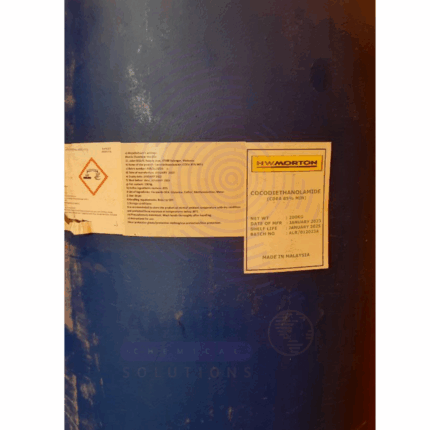
Cocodiethanolamide (CDEA)
Cocodiethanolamide (CDEA) is a viscous, amber to dark brown liquid derived from the reaction of coconut oil fatty acids with diethanolamine. It is a non-ionic surfactant and foam stabilizer commonly used in personal care and cleaning products. CDEA enhances foam quality, viscosity, and skin conditioning properties in formulations. Due to its excellent emulsifying and thickening abilities, it is widely used as a secondary surfactant to boost the performance of primary detergents. It is valued for its biodegradability, mildness, and compatibility with various surfactants and other ingredients in cosmetics and industrial formulations.
![Diethanolamine [C4H11NO2 or (CH2CH2OH)2NH] Amaris Chemicals](https://amarischemicalsolutions.com/wp-content/uploads/2025/07/Diethanolamine-C4H11NO2-or-CH2CH2OH2NH-Amaris-Chemicals-430x430.png)
Diethanolamine
Diethanolamine is a colorless to pale yellow, viscous liquid with a mild ammonia-like odor. It is a secondary amine and diol, widely used in various industrial, pharmaceutical, and cosmetic applications. DEA is highly soluble in water and many organic solvents. It acts as an intermediate in the synthesis of surfactants, emulsifiers, corrosion inhibitors, and pharmaceuticals. It is valued for its alkalinity, emulsifying properties, and ability to form stable complexes with fatty acids.
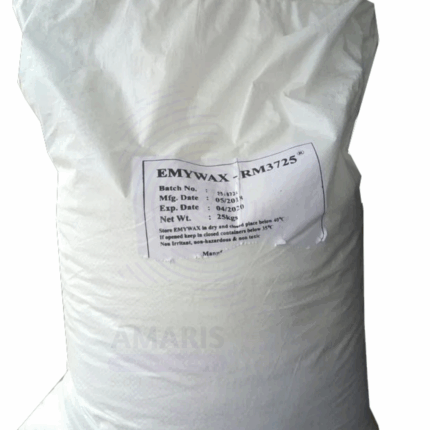
Emulsifying Wax Anionic
Emulsifying Wax Anionic is a versatile surfactant blend composed primarily of fatty alcohols (such as cetyl or stearyl alcohol) and anionic surfactants like sodium lauryl sulfate. It is designed to stabilize oil-in-water (O/W) emulsions by reducing interfacial tension between water and oil phases. It appears as white to off-white solid flakes or pellets, with a mild fatty odor and is dispersible in water with agitation and mild heat. Known for its excellent emulsification, cleansing, and thickening properties, this emulsifying wax is widely used in cosmetics, pharmaceuticals, household cleaners, and industrial applications.
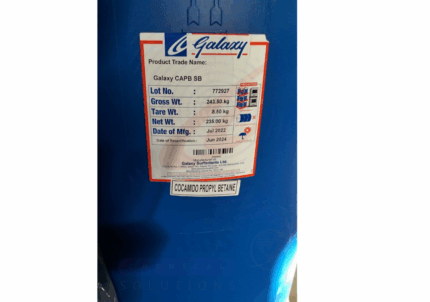
Galaxy CAPB
Galaxy CAPB is a high-performance amphoteric surfactant based on Cocamidopropyl Betaine, produced from coconut fatty acids. It appears as a translucent to pale yellow liquid with mild viscosity and a mild coconut-like odor. As a zwitterionic surfactant, it provides exceptional foaming, mildness, and synergistic compatibility with other surfactants, making it ideal for personal care, household, and industrial formulations.
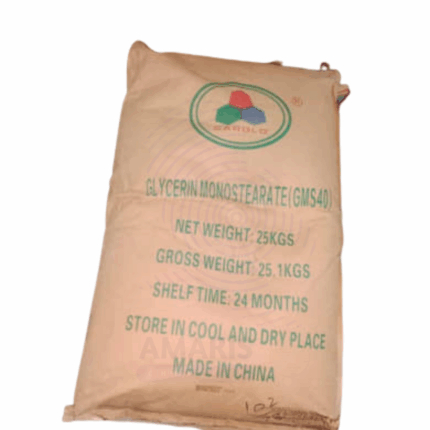
Glycerol Monostearate
Glycerol Monostearate is a white to off-white, free-flowing powder composed of 50% monoglycerides of stearic and palmitic acids, typically derived from vegetable oils. It is a non-ionic emulsifier widely used in food, cosmetics, pharmaceuticals, plastics, and industrial applications. GMS functions as an emulsifying agent, stabilizer, thickener, anti-staling agent, and opacifier. In food, it improves texture and extends shelf life. In cosmetics and pharmaceuticals, it enhances creaminess and stability. GMS 50% is often blended with other emulsifiers or surfactants and is valued for its versatile functionality, safety, and compatibility with a wide range of ingredients.

Myristic Acid
Myristic Acid is a saturated fatty acid with a 14-carbon chain, naturally found in nutmeg, coconut oil, palm kernel oil, and butter fat. It appears as a white crystalline solid with a faint odor. It is widely used in the manufacture of soaps, cosmetics, surfactants, and food additives due to its emollient and cleansing properties. Myristic Acid acts as a key intermediate in the production of esters, detergents, and lubricants.
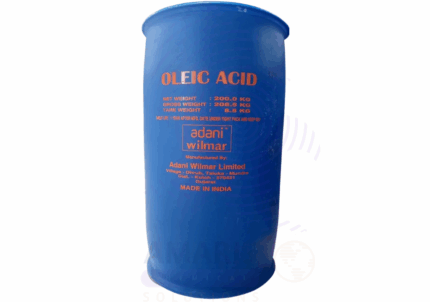
Oleic Acid
Oleic Acid is a naturally occurring monounsaturated fatty acid commonly derived from vegetable oils such as olive, sunflower, and canola oils. This oily liquid is widely used in the chemical, pharmaceutical, cosmetic, and food industries due to its excellent emollient, surfactant, and stabilizing properties. Oleic Acid 75% is a key raw material in manufacturing soaps, detergents, lubricants, and personal care products. Its amphiphilic nature makes it an effective emulsifier and penetration enhancer.
Polyglycerol-10-Laurate
Polyglycerol-10-Laurate is a non-ionic, biodegradable surfactant and emulsifier derived from natural lauric acid and polyglycerol (with ten glycerol units). It is known for its excellent emulsifying, dispersing, and solubilizing properties, especially in oil-in-water systems. Commonly used in cosmetics, food, pharmaceuticals, and personal care products, it is valued for being mild, non-toxic, and suitable for sensitive applications, including baby care and oral care.












