

 Preservatives(food)
 Flavors
 Acidulants
 Sweeteners
 Antioxidants
 Colorants(food)
 Nutraceutical Ingredients (food)
 Nutrient Supplements
 Emulsifiers
 Collectors
 Dust Suppressants
 Explosives and Blasting Agents
 Flocculants and Coagulants
 Frothers
 Leaching Agents
 pH Modifiers
 Precious Metal Extraction Agents
 Antioxidants(plastic)
 Colorants (Pigments, Dyes)
 Fillers and Reinforcements
 Flame Retardants
 Monomers
 Plasticizers
 Polymerization Initiators
 Stabilizers (UV, Heat)
 Antifoaming Agents
 Chelating Agents
 Coagulants and Flocculants
 Corrosion Inhibitors
 Disinfectants and Biocides
 Oxidizing Agents
 pH Adjusters
 Scale Inhibitors( water)
 Antioxidants(cosmetic)
 Emollients
 Oils
Oils Carrier Oills
 Essential Oils
 Humectants
 Preservatives
 Surfactants(cosmetic)
 Thickeners
 UV Filters
 Fertilizers
 Soil Conditioners
 Plant Growth Regulators
 Animal Feed Additives
 Biostimulants
 Pesticides (Herbicides, Insecticides, Fungicides)
 Active Pharmaceutical Ingredients (APIs)
 Excipients
 Solvents(pharmaceutical)
 Antibiotics
 Antiseptics and Disinfectants
 Vaccine Adjuvants
 Nutraceutical Ingredients (pharmaceutical)
 Analgesics & Antipyretics
 Analytical Reagents
 Solvents(lab)
 Chromatography Chemicals
 Spectroscopy Reagents
 microbiology-and-cell-culture-reagents
 Molecular Biology Reagents
 Biochemical Reagents
 Inorganic and Organic Standards
 Laboratory Safety Chemicals
 Specialty Laboratory Chemicals(Special Laboratory Equipment)
 Demulsifiers
 Hydraulic Fracturing Fluids
 Scale Inhibitors(oil)
 Surfactants(oil)
 Drilling Fluids
 Dyes and Pigments
 Bleaching Agents
 Softening Agents
 Finishing Agents
 Antistatic Agents
 Admixtures
 Waterproofing Agents
 Sealants and Adhesives
 Curing Compounds
 Concrete Repair Chemicals
 Anti-Corrosion Coatings
 Surfactants(cleaning)
 Builders
 Enzymes
 Solvents (Cleaning)
 Fragrances (Cleaning)
 Electronic Chemicals
 Catalysts
 Lubricants
 Photographic Chemicals
 Refrigerants
 Automotive chemicals
 Pyrotechnic Chemicals
 Biodegradable Surfactants
 Bio-based Solvents
 Renewable Polymers
 Carbon Capture Chemicals
 Wastewater Treatment Chemicals
 Pigments
 Solvents(paint)
 Specialty Coatings
 Binders/Resins
 Additives
 Driers
 Anti-Corrosion Agents
 Functional Coatings
 Application-Specific Coatings
 Leavening Agents
 Dough Conditioners
 Flour Treatments
 Fat Replacers
 Decoratives
 Preservatives(baking)
 Plasticizers & Softeners
 Reinforcing Agents
 Adhesion Promoters
 Vulcanizing Agents
 Antidegradants
 Blowing Agents
 Fillers & Extenders
 Accelerators & Retarders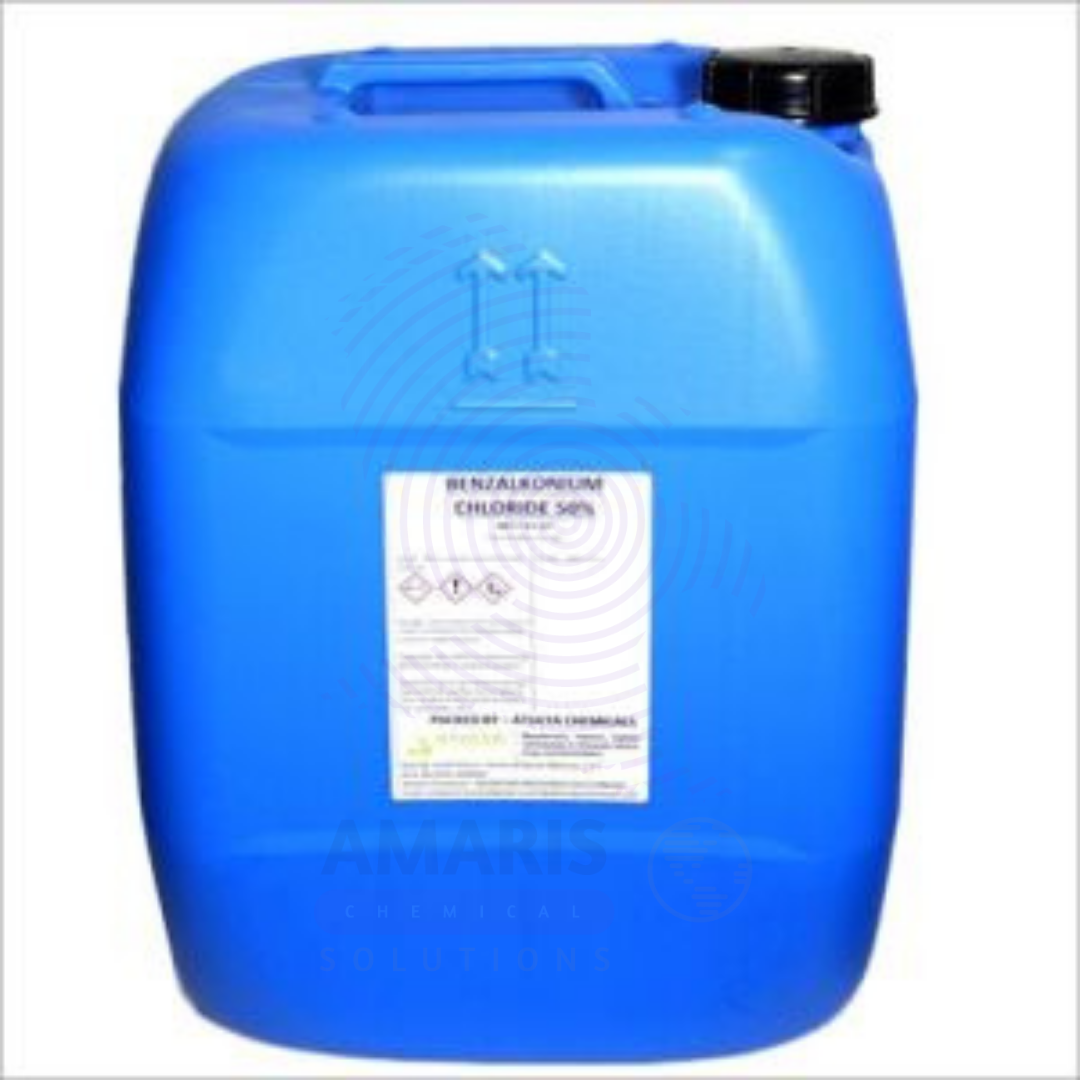

Benzyl Konium Chloride
Benzyl Konium Chloride (BAC) 50% is a quaternary ammonium compound with potent antimicrobial and disinfectant properties. It is a cationic surfactant widely used for its bactericidal, fungicidal, and virucidal effects. This clear to pale yellow liquid concentrate is highly soluble in water and is commonly used in healthcare, sanitation, and industrial hygiene applications. BAC 50% solutions serve as active ingredients in disinfectants, sanitizers, and antiseptics due to their effectiveness against a broad spectrum of microorganisms.
Benzyl Konium Chloride
Primary Uses
- Healthcare & Medical
- Used as an active ingredient in hospital-grade disinfectants, antiseptics, and wound care products.
- Incorporated in hand sanitizers and surface disinfectants to control pathogenic microbes.
- Employed in ophthalmic and nasal formulations as a preservative and antimicrobial agent.
- Industrial & Institutional Cleaning
- Used in disinfectants and sanitizers for food processing plants, kitchens, and public facilities.
- Incorporated in cleaning agents for hospitals, laboratories, and institutional environments.
- Applied in water treatment to control microbial growth.
- Personal Care & Cosmetics
- Used as a preservative and antimicrobial agent in shampoos, conditioners, lotions, and deodorants.
- Helps extend shelf life of cosmetic products by preventing microbial contamination.
- Agriculture & Animal Care
- Used as a disinfectant in veterinary clinics and animal husbandry.
- Applied to sanitize equipment and facilities to reduce infection risks.
Secondary Uses
- Employed in cooling tower water treatment to control biofilms and microbial contamination.
- Used in textile and paper industries as an antimicrobial additive.
- Utilized in household cleaning products for antibacterial properties.
1. Basic Identification Attributes
- Chemical Name (IUPAC): Benzyl-dimethyl-hexadecylammonium chloride
- Common/Trade Names: Benzalkonium Chloride, BAC, Benzyl Konium Chloride
- CAS Number: 8001-54-5 (for BAC mixtures)
- HS Code: 2923.29.90
- Molecular Formula: C₂₇H₄₂ClN (varies with chain length)
- Synonyms: Alkyl dimethyl benzyl ammonium chloride, Quaternary ammonium compound
2. Physical & Chemical Properties
- Physical State: Clear to pale yellow liquid (50% aqueous solution)
- Color & Odor: Slightly yellow, mild ammoniacal odor
- pH: Typically 6–8 (at 1% solution)
- Density: ~1.0–1.05 g/cm³
- Solubility: Miscible with water, soluble in alcohols
- Vapor Pressure: Negligible
- Flash Point: > 100°C (non-flammable aqueous solution)
- Stability: Stable under normal conditions
3. Safety & Hazard Attributes
- Hazard Class (GHS): Skin irritant, Category 2; Eye irritant, Category 2A
- NFPA Ratings: Health 2, Flammability 0, Reactivity 0
- Exposure Limits: No specific OSHA PEL; avoid skin and eye contact
- Toxicity: Moderate acute toxicity; can cause irritation to skin and eyes
4. Storage & Handling Attributes
- Storage Conditions: Store in a cool, dry, well-ventilated area away from strong oxidizers and acids
- Container Type: Polyethylene or stainless steel containers recommended
- Shelf Life: 2 years when stored properly
- Special Handling: Use PPE including gloves, goggles; avoid inhalation of mist or vapor
5. Regulatory & Compliance Attributes
- EPA: Registered as an antimicrobial pesticide in many countries
- FDA: Approved for use in certain pharmaceutical and cosmetic products
- Transportation: Non-flammable liquid; handle as irritant material
- Waste Disposal: Dispose according to local environmental regulations
6. Environmental & Health Impact
- Ecotoxicity: Toxic to aquatic organisms; avoid release into waterways
- Persistence: Biodegradable under aerobic conditions
- Carcinogenicity: Not classified as carcinogenic
- Biodegradability: Readily biodegradable
Safety Handling Precautions
- PPE: Wear chemical-resistant gloves, goggles, and protective clothing.
- Ventilation: Ensure adequate ventilation to avoid inhalation of mists or vapors.
- Spill Response: Contain spills with inert absorbents; prevent environmental contamination.
- Storage: Keep containers tightly closed; avoid exposure to incompatible substances.
- Hygiene: Wash thoroughly after handling; avoid ingestion and prolonged skin contact.
First Aid Measures
- Inhalation: Move to fresh air; seek medical attention if breathing difficulties occur.
- Skin Contact: Wash affected area with soap and water; seek medical advice if irritation persists.
- Eye Contact: Rinse immediately with plenty of water for at least 15 minutes; consult a physician.
- Ingestion: Do not induce vomiting; rinse mouth and seek immediate medical attention.
Firefighting Measures
- Fire Hazards: Non-flammable aqueous solution; may decompose on heating releasing toxic fumes.
- Extinguishing Media: Use water spray, foam, dry chemical, or CO₂.
- Special Precautions: Firefighters should wear full protective gear and breathing apparatus.
- Preventive Actions: Avoid exposure to strong oxidizers and heat sources.
Related products
Acticide HF (Incan)
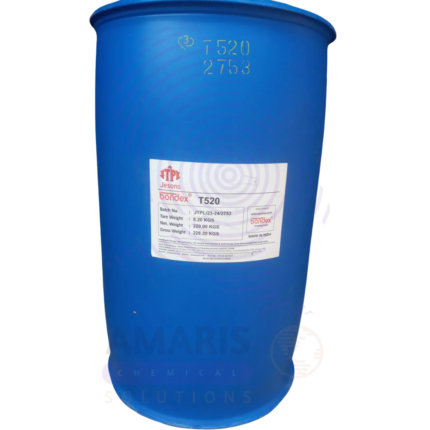
Acticide HF is a proven, broad-spectrum industrial biocide manufactured by Thor Group specifically for in-can preservation of water-based industrial products. It is a clear, colorless to pale blue or pale green liquid with a mild odor, designed for easy incorporation into aqueous formulations. The product is based on a synergistic combination of active ingredients including 5-Chloro-2-methyl-4-isothiazolin-3-one (CIT), 2-Methyl-4-isothiazolin-3-one (MIT), and formaldehyde. This well-established formulation protects water-based formulations against bacteria, molds, and yeasts, ensuring product stability and extended shelf life across demanding conditions. Technical grade Acticide HF is manufactured for industrial use and is not intended for direct human consumption, medical applications, or food preservation.
Activated Carbon (Charcoal)
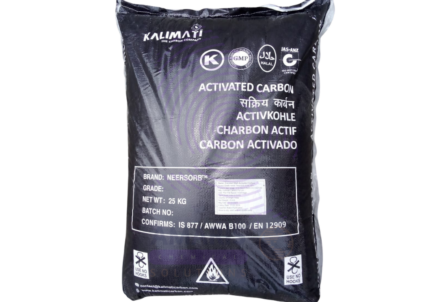
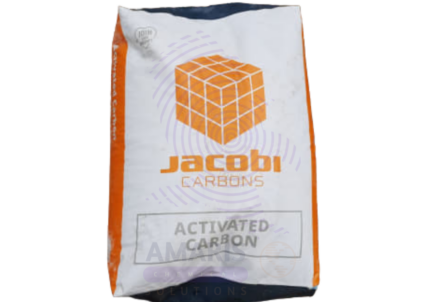
Activated carbon is a highly porous, adsorptive material processed to have an exceptionally large surface area (typically 500-1500 m²/g) through thermal or chemical activation of carbon-rich source materials. This versatile adsorbent exists in powdered (PAC), granular (GAC), pelletized, and extruded forms, with pore structures specifically engineered for different applications ranging from water purification to gas treatment. Its extended surface area and complex pore network (micropores <2nm, mesopores 2-50nm, macropores >50nm) enable superior physical adsorption of contaminants through van der Waals forces, as well as chemical interactions with surface functional groups.
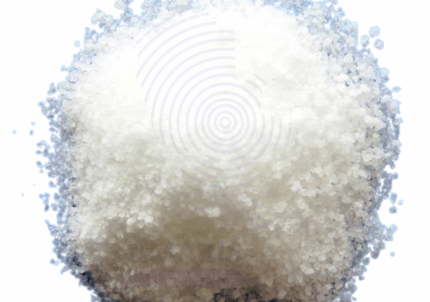
Ammonium Cupric Chloride
Ammonium Cupric Chloride is a blue-green crystalline inorganic compound composed of copper, ammonium, and chloride ions. It is widely used as a source of copper in agricultural fungicides and bactericides, as well as in electroplating, chemical synthesis, and textile dyeing. Its antimicrobial properties make it valuable for controlling fungal and bacterial infections in plants. Additionally, it serves as a precursor in various industrial and laboratory applications.
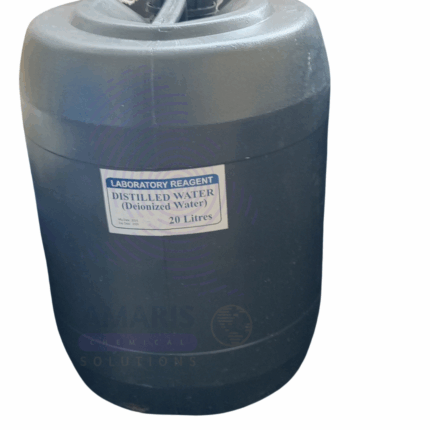
Distilled Water
Distilled Water is purified water that has been processed through distillation, a method involving evaporation and subsequent condensation to remove impurities, salts, minerals, and organic matter. This results in ultra-pure, clear, odorless, and tasteless water free of dissolved solids and contaminants. Distilled water is non-conductive, neutral in pH under ideal storage, and chemically stable. It is widely used across pharmaceutical, laboratory, medical, industrial, and consumer applications where high water purity is critical.
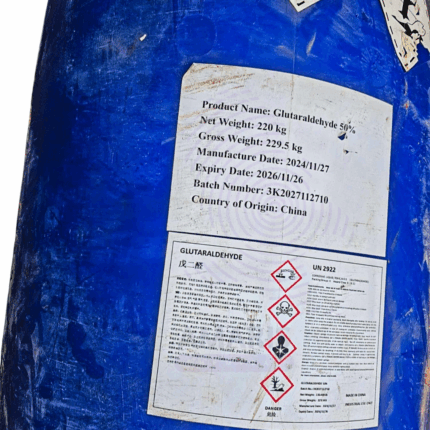
Glutardehyde
Glutardehydeis a potent biocidal agent and chemical sterilant widely used in healthcare, water treatment, and industrial applications. It is a colorless to pale yellow oily liquid with a pungent, sharp odor. Chemically, it is a dialdehyde, primarily valued for its ability to cross-link proteins, making it highly effective as a disinfectant, fixative, and preservative. Typically supplied in concentrations of 25% or 50% aqueous solutions, Glutaraldehyde is used where high-level disinfection is needed—especially against bacteria, viruses, fungi, and spores. Its versatility also extends to tanning, laboratory science, and wastewater treatment.

Lysol (Cresol BP)
Lysol (Cresol BP) is a concentrated solution of cresol, a phenolic compound derived from coal tar or petroleum. It is a potent disinfectant and antiseptic with strong antimicrobial properties. This product typically contains 50% cresol in water or solvent and is used extensively in industrial, healthcare, agricultural, and household settings for its broad-spectrum efficacy against bacteria, fungi, and viruses. It appears as a colorless to pale yellow liquid with a characteristic phenolic odor and is highly effective for sterilization, deodorization, and sanitation.
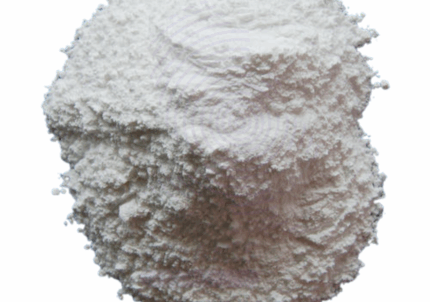
Methyl Paraben
Methyl Paraben is a white to off-white crystalline powder widely used as an antimicrobial preservative in cosmetics, pharmaceuticals, and food products. It is a member of the paraben family of preservatives known for their effectiveness against a broad spectrum of bacteria and fungi. Methyl Paraben helps extend the shelf life of products by preventing microbial growth without affecting the product's texture or color.
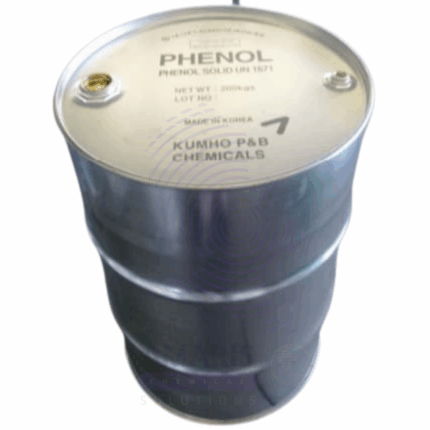
Phenol Ice Crystals
Phenol Ice Crystals, also known as carbolic acid in solid form, are crystalline compounds of phenol with a melting point near room temperature, giving them an “ice-like” appearance. Phenol is a aromatic organic compound widely used as a precursor in chemical synthesis, disinfectants, and pharmaceuticals. It exhibits antiseptic, antiseptic, and solvent properties. Due to its toxicity and corrosiveness, phenol requires careful handling.












