

 Preservatives(food)
 Flavors
 Acidulants
 Sweeteners
 Antioxidants
 Colorants(food)
 Nutraceutical Ingredients (food)
 Nutrient Supplements
 Emulsifiers
 Collectors
 Dust Suppressants
 Explosives and Blasting Agents
 Flocculants and Coagulants
 Frothers
 Leaching Agents
 pH Modifiers
 Precious Metal Extraction Agents
 Antioxidants(plastic)
 Colorants (Pigments, Dyes)
 Fillers and Reinforcements
 Flame Retardants
 Monomers
 Plasticizers
 Polymerization Initiators
 Stabilizers (UV, Heat)
 Antifoaming Agents
 Chelating Agents
 Coagulants and Flocculants
 Corrosion Inhibitors
 Disinfectants and Biocides
 Oxidizing Agents
 pH Adjusters
 Scale Inhibitors( water)
 Antioxidants(cosmetic)
 Emollients
 Oils
Oils Carrier Oills
 Essential Oils
 Humectants
 Preservatives
 Surfactants(cosmetic)
 Thickeners
 UV Filters
 Fertilizers
 Soil Conditioners
 Plant Growth Regulators
 Animal Feed Additives
 Biostimulants
 Pesticides (Herbicides, Insecticides, Fungicides)
 Active Pharmaceutical Ingredients (APIs)
 Excipients
 Solvents(pharmaceutical)
 Antibiotics
 Antiseptics and Disinfectants
 Vaccine Adjuvants
 Nutraceutical Ingredients (pharmaceutical)
 Analgesics & Antipyretics
 Analytical Reagents
 Solvents(lab)
 Chromatography Chemicals
 Spectroscopy Reagents
 microbiology-and-cell-culture-reagents
 Molecular Biology Reagents
 Biochemical Reagents
 Inorganic and Organic Standards
 Laboratory Safety Chemicals
 Specialty Laboratory Chemicals(Special Laboratory Equipment)
 Demulsifiers
 Hydraulic Fracturing Fluids
 Scale Inhibitors(oil)
 Surfactants(oil)
 Drilling Fluids
 Dyes and Pigments
 Bleaching Agents
 Softening Agents
 Finishing Agents
 Antistatic Agents
 Admixtures
 Waterproofing Agents
 Sealants and Adhesives
 Curing Compounds
 Concrete Repair Chemicals
 Anti-Corrosion Coatings
 Surfactants(cleaning)
 Builders
 Enzymes
 Solvents (Cleaning)
 Fragrances (Cleaning)
 Electronic Chemicals
 Catalysts
 Lubricants
 Photographic Chemicals
 Refrigerants
 Automotive chemicals
 Pyrotechnic Chemicals
 Biodegradable Surfactants
 Bio-based Solvents
 Renewable Polymers
 Carbon Capture Chemicals
 Wastewater Treatment Chemicals
 Pigments
 Solvents(paint)
 Specialty Coatings
 Binders/Resins
 Additives
 Driers
 Anti-Corrosion Agents
 Functional Coatings
 Application-Specific Coatings
 Leavening Agents
 Dough Conditioners
 Flour Treatments
 Fat Replacers
 Decoratives
 Preservatives(baking)
 Plasticizers & Softeners
 Reinforcing Agents
 Adhesion Promoters
 Vulcanizing Agents
 Antidegradants
 Blowing Agents
 Fillers & Extenders
 Accelerators & Retarders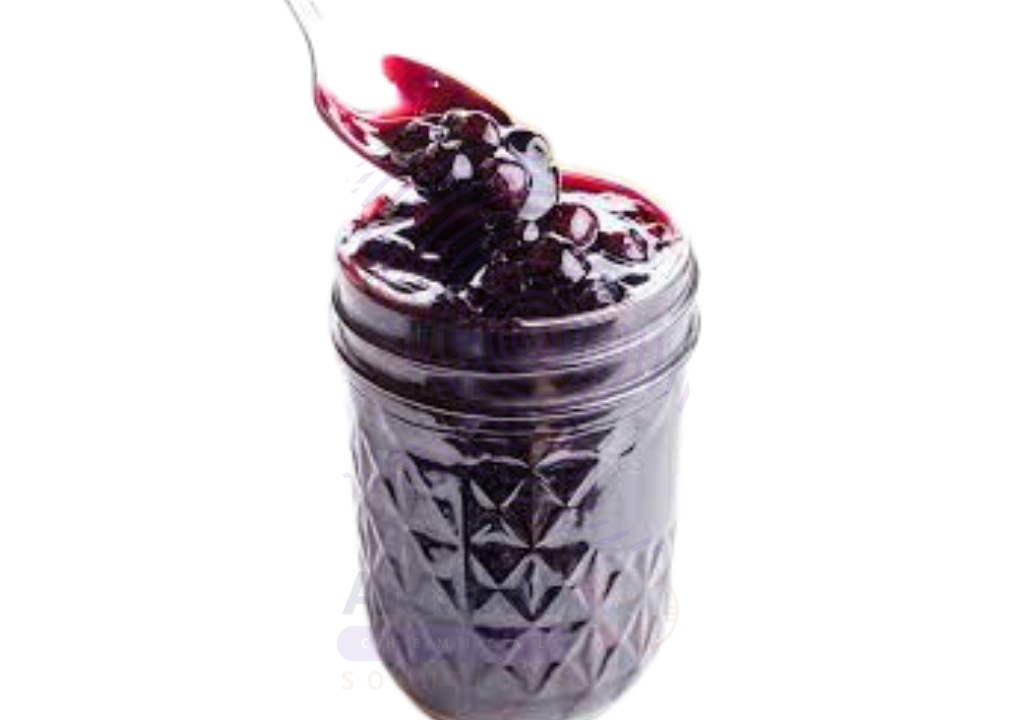


Blueberry Toppings
Blueberry Toppings are sweet, fruit-based condiment preparations made primarily from blueberries, sugar, and thickening agents. They are characterized by a vibrant blue-purple color, fruity aroma, and a sweet-tart flavor profile. Typically semi-viscous with chunks or pureed pieces of blueberry, these toppings are used as finishing ingredients in desserts, breakfast foods, and beverages. Blueberry toppings may be prepared as preserves, syrups, or glazes and often contain natural flavors and preservatives to enhance shelf life and sensory appeal.
Blueberry Toppings
Primary Uses
- Food Service and Culinary
- Used as a dessert topping for cakes, cheesecakes, ice cream, pancakes, waffles, and yogurt.
- Added to breakfast cereals and oatmeal to provide natural fruity sweetness and texture.
- Incorporated as a filling or glaze in bakery products such as muffins, donuts, and pastries.
- Beverage Industry
- Mixed into smoothies, milkshakes, and specialty coffee drinks for added flavor and color.
- Used as a flavor enhancer or decorative swirl in cocktails and mocktails.
- Retail Food Products
- Packaged for direct consumer use as jarred fruit toppings or squeeze bottles for home culinary use.
Secondary Uses
- Food Manufacturing
- Used as an ingredient in fruit-flavored yogurts, ice cream mixes, and frozen desserts.
- Incorporated in cereal bars and snack foods for natural fruit flavor and sweetness.
- Catering & Events
- Utilized for food decoration and presentation at large-scale catering events, buffets, and dessert bars.
- Nutritional & Health Products
- Sometimes fortified with antioxidants and vitamins for functional food products emphasizing health benefits.
1. Basic Identification Attributes
- Chemical Name (IUPAC): Not applicable (complex food mixture)
- Common/Trade Name: Blueberry Toppings
- CAS Number: Not applicable
- HS Code: 2009.79.90 (Fruit preparations, other than those with added sugar)
- Synonyms:
- Blueberry dessert topping
- Blueberry fruit topping
- Blueberry pie topping
- Blueberry sauce
2. Physical & Chemical Properties
- Physical State: Semi-viscous liquid or gel with fruit pieces
- Color & Odor: Blue to purple; fresh blueberry aroma
- Melting Point: Not applicable
- Boiling Point: Not applicable
- Density: Approximately 1.1–1.3 g/cm³ (varies with formulation)
- Solubility: Miscible with water; dispersible in other aqueous food matrices
- pH: Typically 3.0–4.0 (acidic due to natural fruit acids)
- Vapor Pressure: Negligible
- Stability: Stable under refrigerated or room temperature conditions; susceptible to microbial spoilage if untreated
3. Safety & Hazard Attributes
- Hazard Class (GHS): Not hazardous (food product)
- NFPA Ratings:
- Health: 0
- Flammability: 0
- Reactivity: 0
- Exposure Limits: None applicable
- Toxicity: Non-toxic; edible food-grade product
- Reactivity: Stable; minimal chemical reactivity under normal storage
4. Storage & Handling Attributes
- Storage Conditions: Store in a cool, dry place away from direct sunlight; refrigeration recommended after opening
- Container Type: Glass jars, plastic tubs, or squeeze bottles with airtight seals
- Shelf Life: Typically 12–18 months unopened; 2–4 weeks refrigerated after opening
- Special Handling: Avoid contamination; use clean utensils; keep sealed when not in use
5. Regulatory & Compliance Attributes
- FDA Status: Generally Recognized As Safe (GRAS) for intended use as food topping
- Food Standards: Compliant with Codex Alimentarius standards for fruit preserves and toppings
- Labeling: Must list ingredients, allergens, and nutritional information as per local regulations
- Transportation: Not regulated as hazardous
- Waste Disposal: Food waste disposal regulations; biodegradable packaging preferred
6. Environmental & Health Impact
- Ecotoxicity: Minimal; biodegradable organic product
- Persistence: Naturally biodegradable
- Bioaccumulation: Not applicable
- Carcinogenicity/Mutagenicity: None known
- Biodegradability: Biodegradable; composed of natural fruit and food-grade additives
Safety Handling Precautions
Personal Protective Equipment (PPE):
- Generally not required for handling finished product
- Use gloves if sensitive to food acids or allergens
Handling Measures:
- Use clean, sanitized utensils to avoid contamination
- Avoid prolonged exposure to heat or direct sunlight
Storage Measures:
- Keep containers sealed and refrigerated after opening to maintain quality and prevent spoilage
Hygiene Practices:
- Wash hands before and after handling product
- Maintain sanitary conditions to avoid microbial contamination
First Aid Measures
- Inhalation: Not applicable (food product)
- Skin Contact: Wash with water if irritation occurs due to acidity or allergens
- Eye Contact: Rinse with water if splashed; seek medical advice if irritation persists
- Ingestion: Safe for consumption; if allergic reaction occurs, seek medical help
Firefighting Measures
- Fire Hazards: Non-flammable, water-based food product
- Extinguishing Media: Not applicable
- Special Precautions: None required
- Decomposition Products: None hazardous under normal conditions
Related products
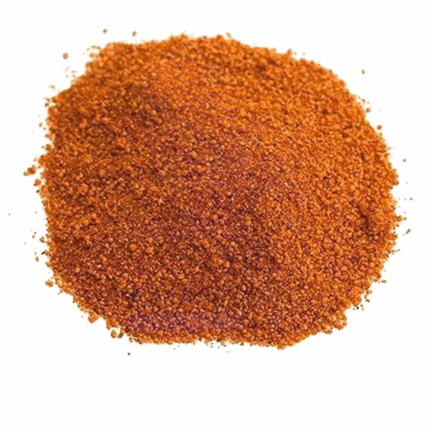
Barbeque Seasoning Powder Flavour
Barbeque Seasoning Powder Flavour is a premium food-grade powdered flavoring designed to impart the rich, smoky, and savory taste characteristic of classic barbeque dishes. This versatile seasoning powder combines a balanced blend of spices and smoky notes to enhance the flavor profile of a wide range of foods. It is ideal for use in marinades, dry rubs, snack seasonings, sauces, and ready-to-eat products. The powder form ensures ease of handling, uniform distribution, and excellent stability during cooking and storage.
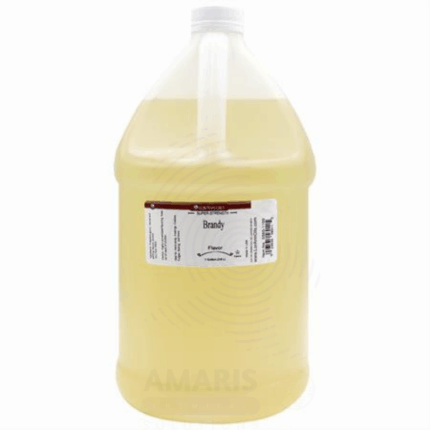
Brandy Liquid Flavor
Brandy Liquid Flavor is a premium food-grade liquid flavor designed to replicate the rich, smooth, and aromatic profile of brandy. It is formulated to provide authentic flavor notes characteristic of aged brandy, including fruity, woody, and slightly spicy undertones. This flavor is ideal for use in a variety of food and beverage applications such as baked goods, confectionery, dairy products, and beverages, offering consistent taste and excellent stability in different formulations.
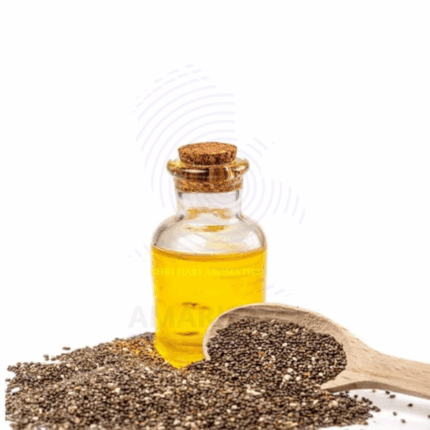
Chia Oil
Chia Oil is a cold-pressed, nutrient-rich oil derived from the seeds of the Salvia hispanica plant, native to Central and South America. This light, fast-absorbing oil is celebrated for its exceptionally high content of omega-3 fatty acids (especially alpha-linolenic acid), antioxidants, vitamins, and phytonutrients. It has a mild, nutty aroma and is typically golden in color.
Due to its powerful antioxidant and anti-inflammatory properties, Chia Oil is used extensively in cosmetics, personal care, nutraceuticals, and food products. It helps support skin barrier function, reduce redness, and improve skin elasticity and hydration. In food and dietary supplements, it’s valued for its cardiovascular, brain, and skin health benefits.
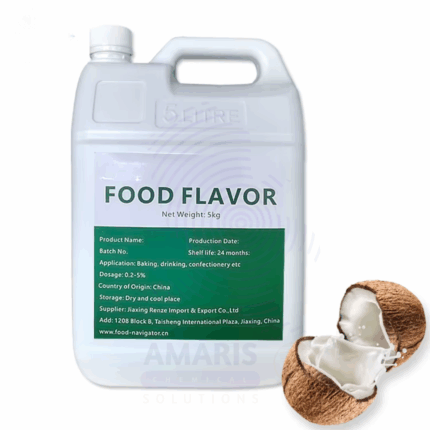
Coconut Liquid Flavour
Coconut Liquid Flavour is a premium food-grade flavoring agent that delivers the sweet, creamy, and tropical aroma and taste of natural coconut in a convenient liquid form. It is specially formulated to provide consistent flavor and excellent stability in a variety of food and beverage applications. This flavor enhances bakery, confectionery, dairy, beverages, and savory products with its authentic coconut profile, making it ideal for creating delicious and exotic culinary experiences.
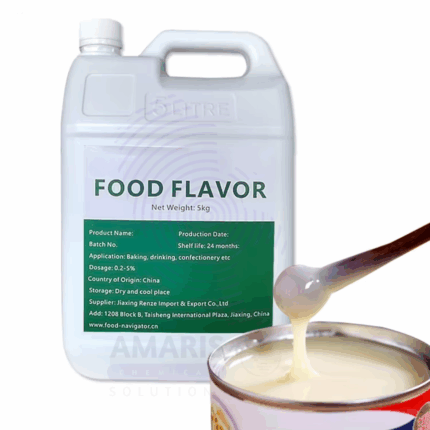
Condence Milk Liquid Flavor
Condence Milk Liquid Flavor is a high-quality food-grade flavoring agent that replicates the rich, creamy, and sweet aroma and taste of traditional condensed milk. It is designed to provide consistent and authentic dairy notes in a liquid form, making it ideal for a wide range of food and beverage applications. This flavor enhances the sensory appeal of bakery items, desserts, confectionery, dairy products, and beverages by adding a smooth, milky sweetness that is both comforting and indulgent.
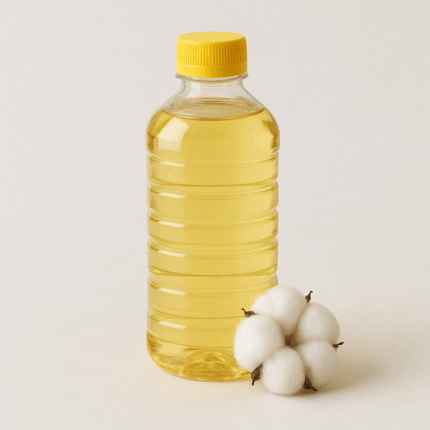
Cotton Seed Oil
Cotton Seed Oil is a light, odorless, vegetable oil extracted from the seeds of the cotton plant (Gossypium hirsutum and Gossypium herbaceum) through solvent extraction and refining processes. It is pale yellow with a neutral flavor, making it ideal for culinary, cosmetic, and industrial applications. Rich in polyunsaturated fatty acids, tocopherols, and antioxidants, Cotton Seed Oil is valued for its stability and high smoke point in cooking, as well as its emollient and conditioning properties in skin and hair care products.
In cosmetic formulations, it helps soften, nourish, and protect skin and hair, while in food production, it is used in frying oils, dressings, and snacks. Industrially, it finds applications in biodiesel production and soap manufacturing.

Potassium Metabisulphite Food Grade
Potassium Metabisulphite Food Grade is a white crystalline powder with strong antioxidant and preservative properties. It is widely used in the food and beverage industry as a disinfectant, antioxidant, and preservative to prevent spoilage and microbial growth. It also acts as a bleaching agent and sulfur dioxide (SO₂) source. This compound is critical in winemaking, brewing, and food processing to maintain product quality and extend shelf life.
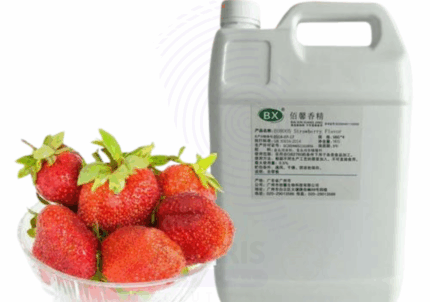
Strawberry Liquid Flavor
Strawberry Liquid Flavor is a premium quality flavoring agent that captures the fresh, sweet, and slightly tart essence of ripe strawberries. Widely used in the food and beverage industry, this flavor enhances the taste and aroma of a variety of products including beverages, confectionery, dairy, and baked goods. It is water and alcohol soluble, allowing easy incorporation into multiple formulations. The natural and authentic strawberry profile makes it ideal for creating flavorful and appealing consumer products.












