

 Preservatives(food)
 Flavors
 Acidulants
 Sweeteners
 Antioxidants
 Colorants(food)
 Nutraceutical Ingredients (food)
 Nutrient Supplements
 Emulsifiers
 Collectors
 Dust Suppressants
 Explosives and Blasting Agents
 Flocculants and Coagulants
 Frothers
 Leaching Agents
 pH Modifiers
 Precious Metal Extraction Agents
 Antioxidants(plastic)
 Colorants (Pigments, Dyes)
 Fillers and Reinforcements
 Flame Retardants
 Monomers
 Plasticizers
 Polymerization Initiators
 Stabilizers (UV, Heat)
 Antifoaming Agents
 Chelating Agents
 Coagulants and Flocculants
 Corrosion Inhibitors
 Disinfectants and Biocides
 Oxidizing Agents
 pH Adjusters
 Scale Inhibitors( water)
 Antioxidants(cosmetic)
 Emollients
 Oils
Oils Carrier Oills
 Essential Oils
 Humectants
 Preservatives
 Surfactants(cosmetic)
 Thickeners
 UV Filters
 Fertilizers
 Soil Conditioners
 Plant Growth Regulators
 Animal Feed Additives
 Biostimulants
 Pesticides (Herbicides, Insecticides, Fungicides)
 Active Pharmaceutical Ingredients (APIs)
 Excipients
 Solvents(pharmaceutical)
 Antibiotics
 Antiseptics and Disinfectants
 Vaccine Adjuvants
 Nutraceutical Ingredients (pharmaceutical)
 Analgesics & Antipyretics
 Analytical Reagents
 Solvents(lab)
 Chromatography Chemicals
 Spectroscopy Reagents
 microbiology-and-cell-culture-reagents
 Molecular Biology Reagents
 Biochemical Reagents
 Inorganic and Organic Standards
 Laboratory Safety Chemicals
 Specialty Laboratory Chemicals(Special Laboratory Equipment)
 Demulsifiers
 Hydraulic Fracturing Fluids
 Scale Inhibitors(oil)
 Surfactants(oil)
 Drilling Fluids
 Dyes and Pigments
 Bleaching Agents
 Softening Agents
 Finishing Agents
 Antistatic Agents
 Admixtures
 Waterproofing Agents
 Sealants and Adhesives
 Curing Compounds
 Concrete Repair Chemicals
 Anti-Corrosion Coatings
 Surfactants(cleaning)
 Builders
 Enzymes
 Solvents (Cleaning)
 Fragrances (Cleaning)
 Electronic Chemicals
 Catalysts
 Lubricants
 Photographic Chemicals
 Refrigerants
 Automotive chemicals
 Pyrotechnic Chemicals
 Biodegradable Surfactants
 Bio-based Solvents
 Renewable Polymers
 Carbon Capture Chemicals
 Wastewater Treatment Chemicals
 Pigments
 Solvents(paint)
 Specialty Coatings
 Binders/Resins
 Additives
 Driers
 Anti-Corrosion Agents
 Functional Coatings
 Application-Specific Coatings
 Leavening Agents
 Dough Conditioners
 Flour Treatments
 Fat Replacers
 Decoratives
 Preservatives(baking)
 Plasticizers & Softeners
 Reinforcing Agents
 Adhesion Promoters
 Vulcanizing Agents
 Antidegradants
 Blowing Agents
 Fillers & Extenders
 Accelerators & Retarders
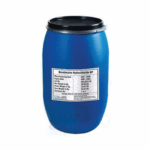


Bronopol
Bronopol (2-Bromo-2-nitropropane-1,3-diol) is a water-soluble, white crystalline powder or granules with a slight odor. It is a synthetic antimicrobial agent widely used as a preservative in personal care products, pharmaceuticals, cosmetics, and industrial applications. Bronopol exhibits broad-spectrum bactericidal and fungicidal activity, making it effective against a wide range of microorganisms. It works by releasing active formaldehyde slowly, which disrupts microbial metabolism and reproduction.
Bronopol
Primary Uses
- Personal Care & Cosmetics
- Used as a preservative in shampoos, conditioners, lotions, creams, and other cosmetic formulations to inhibit bacterial and fungal growth.
- Helps extend shelf life and maintain product integrity by preventing microbial contamination.
- Pharmaceuticals
- Employed as a preservative in topical pharmaceutical formulations such as ointments and eye drops.
- Industrial Applications
- Used as a biocide in paper mills, cooling water systems, and other industrial water treatment to control microbial growth and biofilm formation.
- Applied in leather tanning and textile processing to prevent microbial degradation.
Secondary Uses
- Household Products
- Incorporated in cleaning agents and detergents as a preservative and antimicrobial agent.
- Agriculture
- Occasionally used in seed treatment formulations to control fungal contamination.
1. Basic Identification Attributes
- Chemical Name (IUPAC): 2-Bromo-2-nitropropane-1,3-diol
- Common/Trade Name: Bronopol
- CAS Number: 52-51-7
- HS Code: 2924.99.90
- Molecular Formula: C3H6BrNO4
- Synonyms:
- Bronopol
- 2-Bromo-2-nitro-1,3-propanediol
- BNPD
2. Physical & Chemical Properties
- Physical State: Crystalline powder or granules
- Color & Odor: White; slight characteristic odor
- Melting Point: 130–132°C (decomposes)
- Boiling Point: Not applicable (decomposes)
- Density: Approx. 1.8 g/cm³
- Solubility: Soluble in water; insoluble in most organic solvents
- pH: Slightly acidic to neutral in aqueous solution
- Stability: Stable under recommended storage; decomposes under alkaline conditions or heat
3. Safety & Hazard Attributes
- Hazard Class (GHS): Skin irritant; may cause serious eye irritation; harmful if swallowed
- NFPA Ratings:
- Health: 2
- Flammability: 1
- Reactivity: 1
- Exposure Limits: No specific OSHA limits; avoid inhalation and skin contact
- Toxicity: Moderate toxicity; can cause skin sensitization and allergic reactions in some individuals
- Reactivity: Reactive with strong acids, bases, and oxidizing agents
4. Storage & Handling Attributes
- Storage Conditions: Store in a cool, dry, well-ventilated area away from incompatible substances
- Container Type: Sealed plastic or glass containers, corrosion-resistant
- Shelf Life: Typically 2–3 years if stored properly
- Special Handling: Avoid dust formation; use PPE; handle in well-ventilated areas
5. Regulatory & Compliance Attributes
- FDA Status: Approved for limited use in cosmetics and pharmaceuticals as a preservative
- REACH Registration: Registered under EU regulations
- Transportation: Not classified as hazardous for transport under normal conditions
- Waste Disposal: Dispose of as chemical waste in accordance with local regulations
6. Environmental & Health Impact
- Ecotoxicity: Moderately toxic to aquatic organisms; avoid release into waterways
- Persistence: Degrades slowly in the environment
- Bioaccumulation: Low potential for bioaccumulation
- Carcinogenicity/Mutagenicity: Not classified as carcinogenic; some concern for mutagenicity at high concentrations
- Biodegradability: Partial biodegradability under aerobic conditions
Safety Handling Precautions
Personal Protective Equipment (PPE):
- Gloves
- Protective goggles
- Dust mask or respirator if dust exposure is likely
- Protective clothing
Handling Measures:
- Avoid inhalation, ingestion, and skin or eye contact
- Use local exhaust ventilation to minimize dust
- Work in well-ventilated areas
Storage Measures:
- Keep containers tightly closed
- Protect from moisture, heat, and incompatible materials
Hygiene Practices:
- Wash hands thoroughly after handling
- Do not eat, drink, or smoke in work areas
First Aid Measures
- Inhalation: Move to fresh air; seek medical attention if breathing difficulties occur
- Skin Contact: Wash immediately with soap and water; seek medical advice if irritation develops
- Eye Contact: Rinse cautiously with water for at least 15 minutes; seek immediate medical attention
- Ingestion: Do not induce vomiting; rinse mouth and seek medical attention immediately
Firefighting Measures
- Fire Hazards: Combustible; emits toxic gases on decomposition
- Extinguishing Media: Use water spray, foam, dry chemical, or CO₂ as appropriate
- Special Precautions: Firefighters should wear full protective gear and SCBA
- Decomposition Products: May produce bromine, nitrogen oxides, and other toxic fumes when heated
Related products
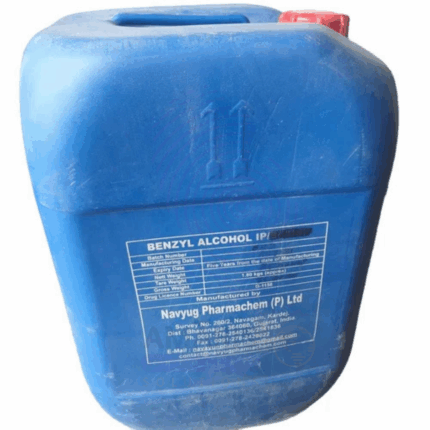
Benzyl Alcohol
Benzyl Alcohol is an aromatic alcohol with a mild pleasant odor and clear, colorless liquid appearance. It serves as a versatile solvent, preservative, and intermediate in chemical synthesis. Benzyl Alcohol is widely used across pharmaceuticals, cosmetics, paints, coatings, and as a bacteriostatic agent in injectable drugs. Its relatively low toxicity and good solvent properties make it valuable in both industrial and consumer products.
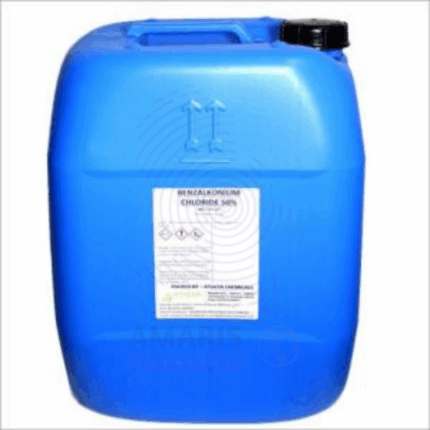
Benzyl Konium Chloride
Benzyl Konium Chloride (BAC) 50% is a quaternary ammonium compound with potent antimicrobial and disinfectant properties. It is a cationic surfactant widely used for its bactericidal, fungicidal, and virucidal effects. This clear to pale yellow liquid concentrate is highly soluble in water and is commonly used in healthcare, sanitation, and industrial hygiene applications. BAC 50% solutions serve as active ingredients in disinfectants, sanitizers, and antiseptics due to their effectiveness against a broad spectrum of microorganisms.
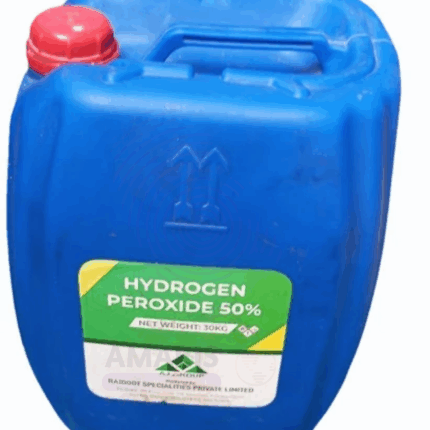
Hydrogen Peroxide Tech Grade
Hydrogen Peroxide Tech Grade is a highly concentrated aqueous solution of hydrogen peroxide (H₂O₂) designed primarily for industrial and technical applications. It is a clear, colorless liquid with a sharp, acrid odor. Known for its strong oxidizing, bleaching, and disinfecting properties, this tech-grade formulation is typically used where high reactivity is required, often in non-food processes. It decomposes into environmentally benign by-products—water and oxygen—making it a preferred agent for sustainable industrial processes.
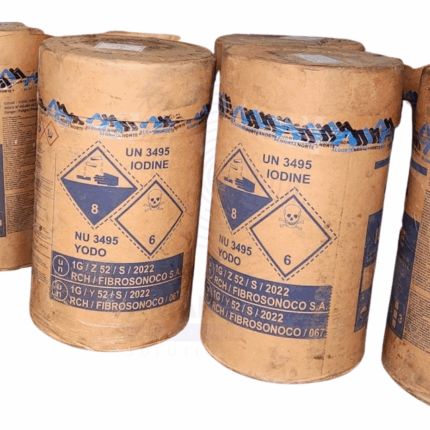
Iodine Crystals
Iodine Crystals are high-purity elemental iodine in solid crystalline form. These dark violet-black crystals have a characteristic pungent odor and sublime easily at room temperature, releasing violet iodine vapors. Iodine is a halogen element widely used for its antiseptic, oxidizing, and chemical reagent properties in pharmaceutical, industrial, and laboratory applications.
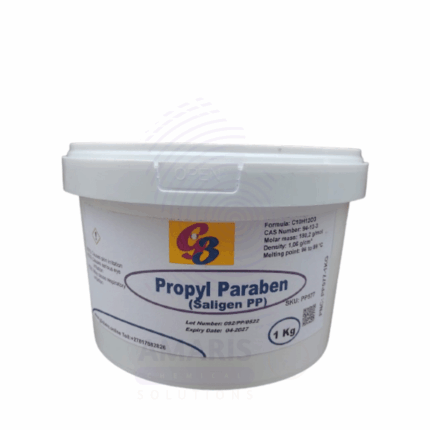
Propyl paraben
Propyl Paraben is a widely used preservative belonging to the paraben family, known for its antimicrobial properties. It is commonly employed to inhibit the growth of bacteria, mold, and yeast in cosmetic, pharmaceutical, and food products. Propyl Paraben is favored for its effectiveness, low toxicity, and compatibility with a broad range of formulations, helping extend product shelf life while maintaining safety.
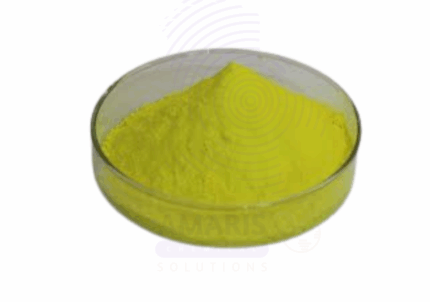
Santophene( 4-chloro-2-Benzyl phenol)
Santophene (4-chloro-2-benzylphenol) is a chlorinated phenolic compound used primarily as a biocide and preservative in various industrial applications. It exhibits strong antimicrobial properties, effectively controlling the growth of bacteria, fungi, and algae. This compound is widely applied in coatings, paints, wood preservation, and water treatment to protect materials from microbial degradation and extend their service life.
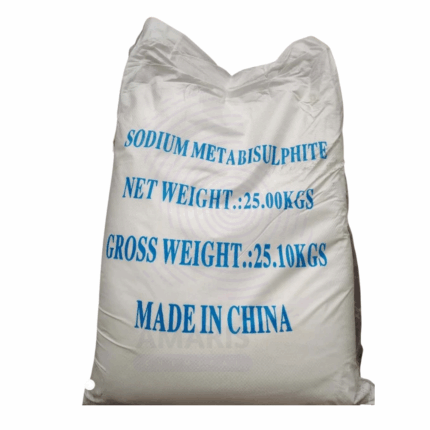
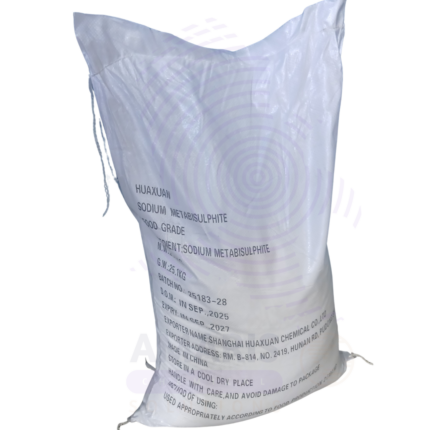
Sodium Metabisulphite
Sodium Metabisulphite is a white crystalline powder widely used as an antioxidant, disinfectant, and preservative. It dissolves readily in water, releasing sulfur dioxide, which acts as a powerful antimicrobial and antioxidant agent. This chemical finds broad applications in food processing, water treatment, pharmaceuticals, and industrial manufacturing to prevent spoilage, control microbial growth, and protect equipment from corrosion.

Tricide 30E
Tricide 30E is a versatile emulsifiable concentrate formulation primarily used as a broad-spectrum biocide. It is designed to control bacterial, fungal, and algal growth in industrial water treatment, cooling towers, paper mills, and oilfield applications. The product combines potent antimicrobial agents to effectively inhibit microbial contamination, biofilm formation, and corrosion, thereby enhancing system efficiency and longevity. Tricide 30E is favored for its ease of use, stability in diverse water chemistries, and strong efficacy against a wide range of microorganisms.












