

 Preservatives(food)
 Flavors
 Acidulants
 Sweeteners
 Antioxidants
 Colorants(food)
 Nutraceutical Ingredients (food)
 Nutrient Supplements
 Emulsifiers
 Collectors
 Dust Suppressants
 Explosives and Blasting Agents
 Flocculants and Coagulants
 Frothers
 Leaching Agents
 pH Modifiers
 Precious Metal Extraction Agents
 Antioxidants(plastic)
 Colorants (Pigments, Dyes)
 Fillers and Reinforcements
 Flame Retardants
 Monomers
 Plasticizers
 Polymerization Initiators
 Stabilizers (UV, Heat)
 Antifoaming Agents
 Chelating Agents
 Coagulants and Flocculants
 Corrosion Inhibitors
 Disinfectants and Biocides
 Oxidizing Agents
 pH Adjusters
 Scale Inhibitors( water)
 Antioxidants(cosmetic)
 Emollients
 Oils
Oils Carrier Oills
 Essential Oils
 Humectants
 Preservatives
 Surfactants(cosmetic)
 Thickeners
 UV Filters
 Fertilizers
 Soil Conditioners
 Plant Growth Regulators
 Animal Feed Additives
 Biostimulants
 Pesticides (Herbicides, Insecticides, Fungicides)
 Active Pharmaceutical Ingredients (APIs)
 Excipients
 Solvents(pharmaceutical)
 Antibiotics
 Antiseptics and Disinfectants
 Vaccine Adjuvants
 Nutraceutical Ingredients (pharmaceutical)
 Analgesics & Antipyretics
 Analytical Reagents
 Solvents(lab)
 Chromatography Chemicals
 Spectroscopy Reagents
 microbiology-and-cell-culture-reagents
 Molecular Biology Reagents
 Biochemical Reagents
 Inorganic and Organic Standards
 Laboratory Safety Chemicals
 Specialty Laboratory Chemicals(Special Laboratory Equipment)
 Demulsifiers
 Hydraulic Fracturing Fluids
 Scale Inhibitors(oil)
 Surfactants(oil)
 Drilling Fluids
 Dyes and Pigments
 Bleaching Agents
 Softening Agents
 Finishing Agents
 Antistatic Agents
 Admixtures
 Waterproofing Agents
 Sealants and Adhesives
 Curing Compounds
 Concrete Repair Chemicals
 Anti-Corrosion Coatings
 Surfactants(cleaning)
 Builders
 Enzymes
 Solvents (Cleaning)
 Fragrances (Cleaning)
 Electronic Chemicals
 Catalysts
 Lubricants
 Photographic Chemicals
 Refrigerants
 Automotive chemicals
 Pyrotechnic Chemicals
 Biodegradable Surfactants
 Bio-based Solvents
 Renewable Polymers
 Carbon Capture Chemicals
 Wastewater Treatment Chemicals
 Pigments
 Solvents(paint)
 Specialty Coatings
 Binders/Resins
 Additives
 Driers
 Anti-Corrosion Agents
 Functional Coatings
 Application-Specific Coatings
 Leavening Agents
 Dough Conditioners
 Flour Treatments
 Fat Replacers
 Decoratives
 Preservatives(baking)
 Plasticizers & Softeners
 Reinforcing Agents
 Adhesion Promoters
 Vulcanizing Agents
 Antidegradants
 Blowing Agents
 Fillers & Extenders
 Accelerators & Retarders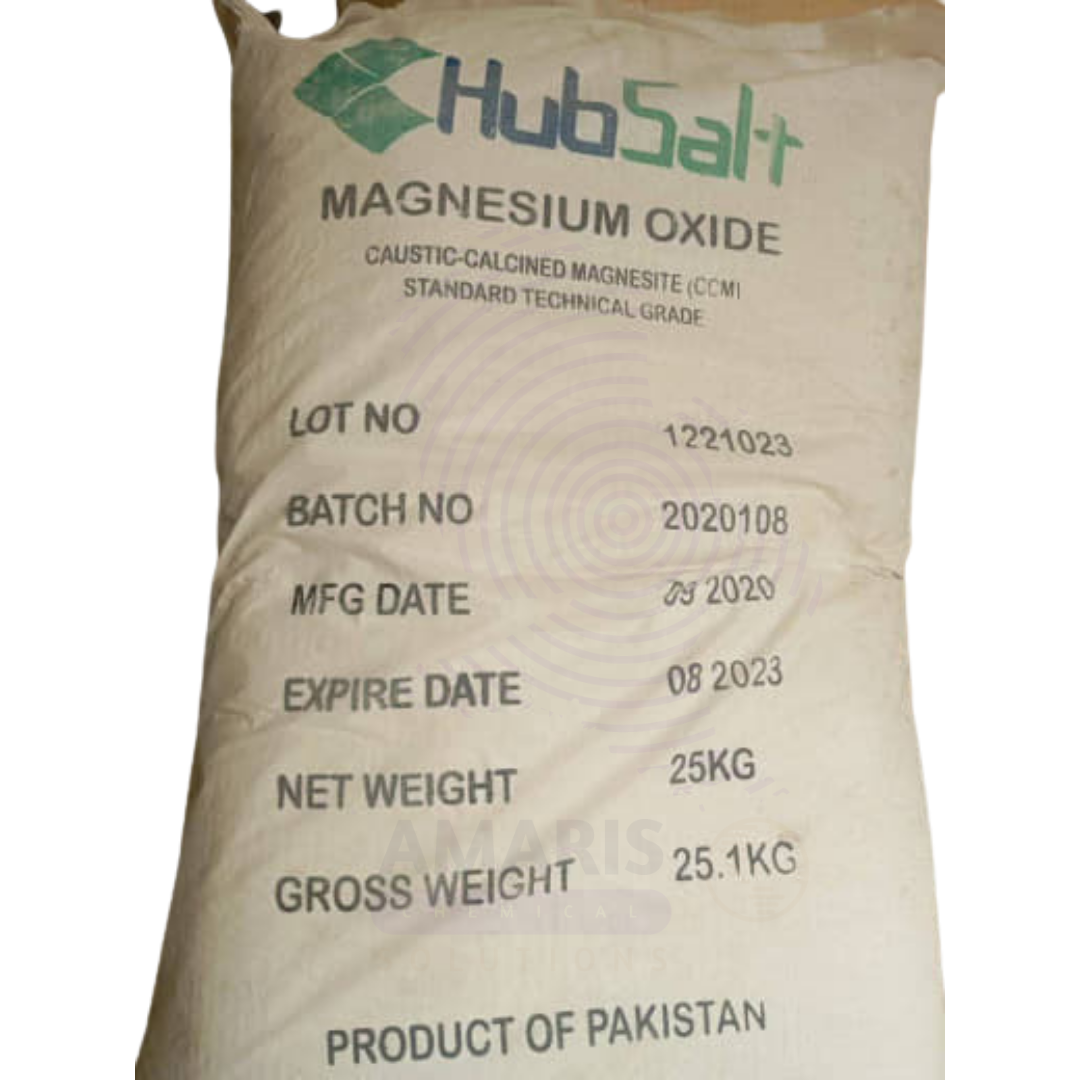


Magnesium Oxide
Original price was: $ 1.35.$ 1.25Current price is: $ 1.25.
Magnesium Oxide (MgO) is a white, odorless, alkaline earth metal oxide powder. It is produced by calcining magnesium carbonate or hydroxide at high temperatures, resulting in a fine, white powder with a high melting point. Magnesium Oxide is widely used for its refractory properties, chemical stability, and ability to neutralize acids. It serves important roles in pharmaceuticals, agriculture, environmental applications, and various industrial processes.
Magnesium Oxide
Primary Uses
- Pharmaceutical Industry
- Used as an antacid to neutralize stomach acid and relieve indigestion, heartburn, and acid reflux.
- Functions as a laxative in oral medications to treat constipation.
- Acts as a source of magnesium supplement in dietary formulations.
- Refractory and Construction Industry
- Utilized as a refractory material in furnace linings, kiln construction, and crucibles due to its high melting point and thermal stability.
- Incorporated in cement and concrete formulations to improve durability and resistance to chemicals.
- Agriculture
- Used as a magnesium supplement in animal feed to improve livestock health and productivity.
- Acts as a soil conditioner and neutralizer to correct acidic soils, enhancing nutrient availability.
- Environmental Applications
- Employed in wastewater treatment to precipitate heavy metals and neutralize acidic waste streams.
- Used in flue gas treatment systems to reduce sulfur dioxide emissions.
- Chemical Industry
- Serves as a catalyst and raw material in the production of magnesium chemicals and fertilizers.
- Acts as a drying agent for gases and liquids due to its hygroscopic nature.
Secondary Uses
- Food Industry
- Used as a food additive and acidity regulator under regulated conditions.
- Cosmetics and Personal Care
- Included in skincare products as an absorbent and pH adjuster.
- Paper and Rubber Industries
- Used as a filler and anti-caking agent to improve texture and processing characteristics.
1. Basic Identification Attributes
- Chemical Name (IUPAC): Magnesium oxide
- Common/Trade Name: Magnesium Oxide
- CAS Number: 1309-48-4
- HS Code: 2519.90.00
- Synonyms: Magnesia; MgO; Calcined magnesia; Periclase
2. Physical & Chemical Properties
- Physical State: Fine white powder
- Color & Odor: White; odorless
- Melting Point: 2852 °C
- Boiling Point: 3600 °C
- Density: 3.58 g/cm³
- Solubility: Slightly soluble in water, soluble in acids
- pH (aqueous suspension): Alkaline (~10-12)
3. Safety & Hazard Attributes
- GHS Classification: Not classified as hazardous under normal use
- Toxicity: Low toxicity; may cause mild irritation to eyes and respiratory tract
- Exposure Limits: No specific occupational exposure limit, avoid inhalation of dust
4. Storage & Handling Attributes
- Storage Conditions: Store in a cool, dry, well-ventilated place, away from moisture and acids
- Container Type: Sealed bags or drums made of plastic or paper-lined materials
- Shelf Life: Stable for several years if stored properly
- Handling Precautions: Avoid dust generation and inhalation; use PPE as required
5. Regulatory & Compliance Attributes
- Complies with relevant industrial and pharmaceutical standards where applicable
- Approved for use in food, pharmaceutical, and agricultural applications under regulatory guidelines
6. Environmental & Health Impact
- Biodegradability: Inorganic compound, not biodegradable but environmentally inert
- Ecotoxicity: Low toxicity to aquatic life, avoid large releases in waterways
- Bioaccumulation: Not expected to bioaccumulate
- Carcinogenicity/Mutagenicity: Not classified as carcinogenic or mutagenic
Safety Handling Precautions
- PPE Required: Dust mask or respirator, gloves, and safety goggles during handling
- Handling Guidelines: Work in well-ventilated areas; avoid inhalation of dust and contact with eyes
- Storage Measures: Keep container tightly closed and dry; store away from acids and moisture
First Aid Measures
- Inhalation: Move to fresh air; seek medical attention if irritation or breathing difficulties occur
- Skin Contact: Wash thoroughly with soap and water; seek medical advice if irritation develops
- Eye Contact: Rinse immediately with plenty of water for at least 15 minutes; consult physician if irritation persists
- Ingestion: Rinse mouth; seek medical attention if large quantities ingested
Firefighting Measures
- Fire Hazards: Non-flammable and non-combustible
- Extinguishing Media: Use water spray, foam, dry chemical or CO₂ to extinguish surrounding fires
- Special Precautions: Avoid inhalation of dust generated by firefighting operations
- Hazardous Combustion Products: May produce magnesium oxide dust and fumes
Related products
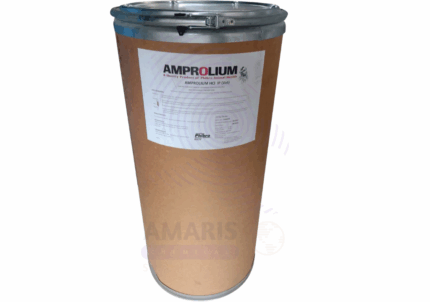
Amprolium Hydrochloride
Amprolium Hydrochloride is a white, odorless, crystalline powder used primarily as a coccidiostat, which means it inhibits the growth of Eimeria species (protozoan parasites) responsible for coccidiosis in poultry and other animals. It works by mimicking thiamine (vitamin B1), thereby competitively inhibiting thiamine uptake by the parasite, disrupting its metabolism, and preventing its proliferation. Amprolium HCl is widely used in veterinary medicine, especially in poultry farming, and is often included in feed or drinking water. It complies with BP 2008 and USP 32 pharmacopeial standards.
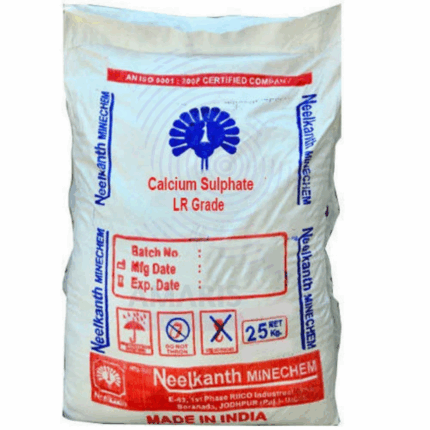
Calcium Sulphate
Calcium Sulphate is an inorganic compound composed of calcium, sulfur, and oxygen, commonly found in two forms: dihydrate (gypsum, CaSO4·2H2O) and anhydrous (CaSO4). It appears as a white or off-white crystalline powder or granules with low solubility in water. Calcium Sulphate is widely used in construction, agriculture, pharmaceuticals, food industry, and various industrial applications. It acts as a filler, hardening agent, and drying agent due to its physical and chemical properties. The dihydrate form (gypsum) is notable for use in plaster and cement, while the anhydrous form is often used as a drying agent and in refractory materials.
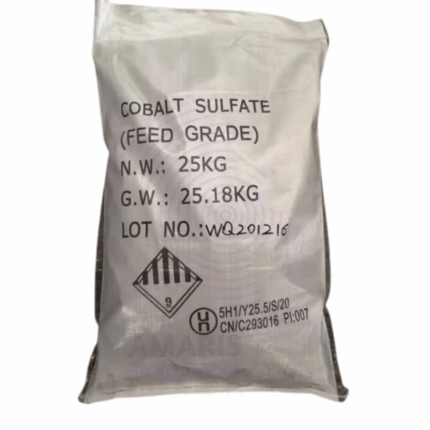
Cobalt Sulphate Feed Grade
Cobalt Sulphate Feed Grade is a cobalt salt of sulfuric acid, typically appearing as a pink to reddish crystalline powder or granules. It is specifically manufactured and purified for use as a trace mineral supplement in animal nutrition. Cobalt is an essential trace element required in small amounts for the synthesis of vitamin B12 (cobalamin) in ruminants, playing a vital role in maintaining proper metabolism, growth, and overall health. Feed grade cobalt sulfate ensures safe, bioavailable cobalt supply to livestock such as cattle, sheep, goats, and poultry, supporting rumen microbial activity, appetite, and red blood cell production.

Mineral lick ( Rock Salt)
Mineral Lick, commonly known as Rock Salt, is a naturally occurring mineral primarily composed of sodium chloride. It is harvested from salt deposits and widely used as a mineral supplement for livestock and wildlife, providing essential nutrients. Mineral Lick enhances animal health by promoting hydration, digestion, and mineral balance. It also has applications in industry, agriculture, and food processing.
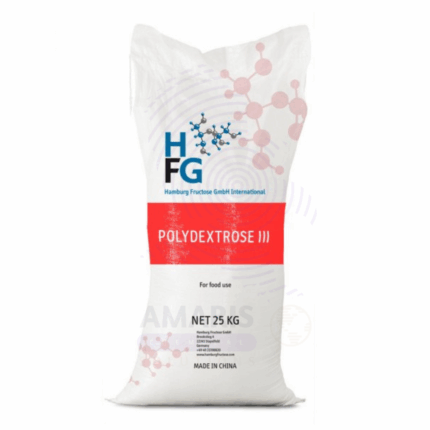
Polydextrose
Polydextrose is a synthetic, highly branched polymer of glucose used primarily as a soluble dietary fiber, bulking agent, and low-calorie sweetener. It is produced through the polycondensation of dextrose with sorbitol and citric acid. Polydextrose offers numerous health and functional benefits, such as improving texture, replacing sugar or fat, and supporting digestive health. It is extensively used in food, beverages, pharmaceuticals, and nutraceuticals for its fiber enrichment properties and technological versatility.
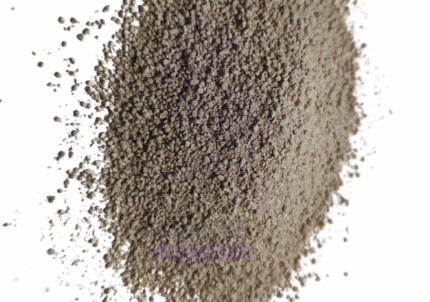
Salinomycin Granular Feed Grade
Salinomycin Granular Feed Grade is an ionophore antibiotic widely used as a coccidiostat in poultry and livestock feed. It helps control and prevent coccidiosis, a parasitic disease affecting the intestinal tract of animals, thereby improving growth performance and feed efficiency. This granular formulation ensures uniform mixing in feed and stable dosage delivery.
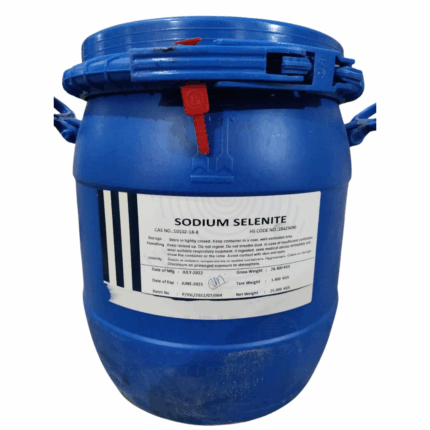
Sodium Selenite
Sodium Selenite is an inorganic selenium compound with the formula Na₂SeO₃. In its commercial 45% concentration, it is typically supplied as a colorless to slightly yellow aqueous solution or as a crystalline solid with 45% selenium content. It is primarily used as a micronutrient additive in animal nutrition, a reagent in the pharmaceutical and glass industries, and in various research applications. Highly bioavailable, it serves as a key selenium source where controlled selenium supplementation is critical. This 25kg product offers precise dosing, stability, and ease of handling in industrial and agricultural settings.
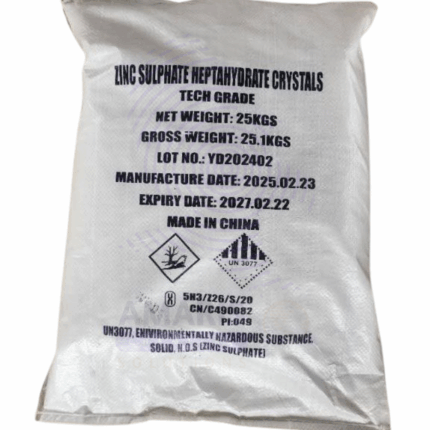
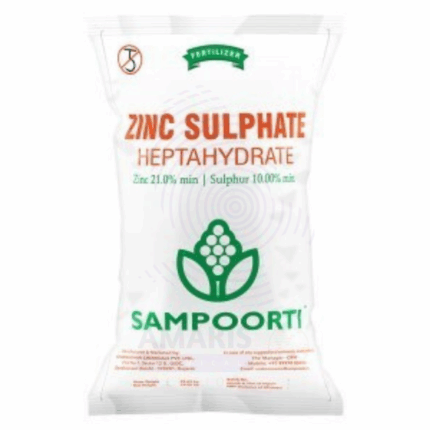
Zinc Sulphate Heptahydrate
Zinc Sulphate Heptahydrate (ZnSO₄·7H₂O) is a white, crystalline, water-soluble compound commonly used as a dietary supplement to treat zinc deficiency. It serves as a key ingredient in fertilizers, animal feeds, and industrial applications like water treatment and dyeing. The heptahydrate form contains seven water molecules, making it highly soluble and effective for various agricultural, medical, and chemical uses.












