

 Preservatives(food)
 Flavors
 Acidulants
 Sweeteners
 Antioxidants
 Colorants(food)
 Nutraceutical Ingredients (food)
 Nutrient Supplements
 Emulsifiers
 Collectors
 Dust Suppressants
 Explosives and Blasting Agents
 Flocculants and Coagulants
 Frothers
 Leaching Agents
 pH Modifiers
 Precious Metal Extraction Agents
 Antioxidants(plastic)
 Colorants (Pigments, Dyes)
 Fillers and Reinforcements
 Flame Retardants
 Monomers
 Plasticizers
 Polymerization Initiators
 Stabilizers (UV, Heat)
 Antifoaming Agents
 Chelating Agents
 Coagulants and Flocculants
 Corrosion Inhibitors
 Disinfectants and Biocides
 Oxidizing Agents
 pH Adjusters
 Scale Inhibitors( water)
 Antioxidants(cosmetic)
 Emollients
 Oils
Oils Carrier Oills
 Essential Oils
 Humectants
 Preservatives
 Surfactants(cosmetic)
 Thickeners
 UV Filters
 Fertilizers
 Soil Conditioners
 Plant Growth Regulators
 Animal Feed Additives
 Biostimulants
 Pesticides (Herbicides, Insecticides, Fungicides)
 Active Pharmaceutical Ingredients (APIs)
 Excipients
 Solvents(pharmaceutical)
 Antibiotics
 Antiseptics and Disinfectants
 Vaccine Adjuvants
 Nutraceutical Ingredients (pharmaceutical)
 Analgesics & Antipyretics
 Analytical Reagents
 Solvents(lab)
 Chromatography Chemicals
 Spectroscopy Reagents
 microbiology-and-cell-culture-reagents
 Molecular Biology Reagents
 Biochemical Reagents
 Inorganic and Organic Standards
 Laboratory Safety Chemicals
 Specialty Laboratory Chemicals(Special Laboratory Equipment)
 Demulsifiers
 Hydraulic Fracturing Fluids
 Scale Inhibitors(oil)
 Surfactants(oil)
 Drilling Fluids
 Dyes and Pigments
 Bleaching Agents
 Softening Agents
 Finishing Agents
 Antistatic Agents
 Admixtures
 Waterproofing Agents
 Sealants and Adhesives
 Curing Compounds
 Concrete Repair Chemicals
 Anti-Corrosion Coatings
 Surfactants(cleaning)
 Builders
 Enzymes
 Solvents (Cleaning)
 Fragrances (Cleaning)
 Electronic Chemicals
 Catalysts
 Lubricants
 Photographic Chemicals
 Refrigerants
 Automotive chemicals
 Pyrotechnic Chemicals
 Biodegradable Surfactants
 Bio-based Solvents
 Renewable Polymers
 Carbon Capture Chemicals
 Wastewater Treatment Chemicals
 Pigments
 Solvents(paint)
 Specialty Coatings
 Binders/Resins
 Additives
 Driers
 Anti-Corrosion Agents
 Functional Coatings
 Application-Specific Coatings
 Leavening Agents
 Dough Conditioners
 Flour Treatments
 Fat Replacers
 Decoratives
 Preservatives(baking)
 Plasticizers & Softeners
 Reinforcing Agents
 Adhesion Promoters
 Vulcanizing Agents
 Antidegradants
 Blowing Agents
 Fillers & Extenders
 Accelerators & Retarders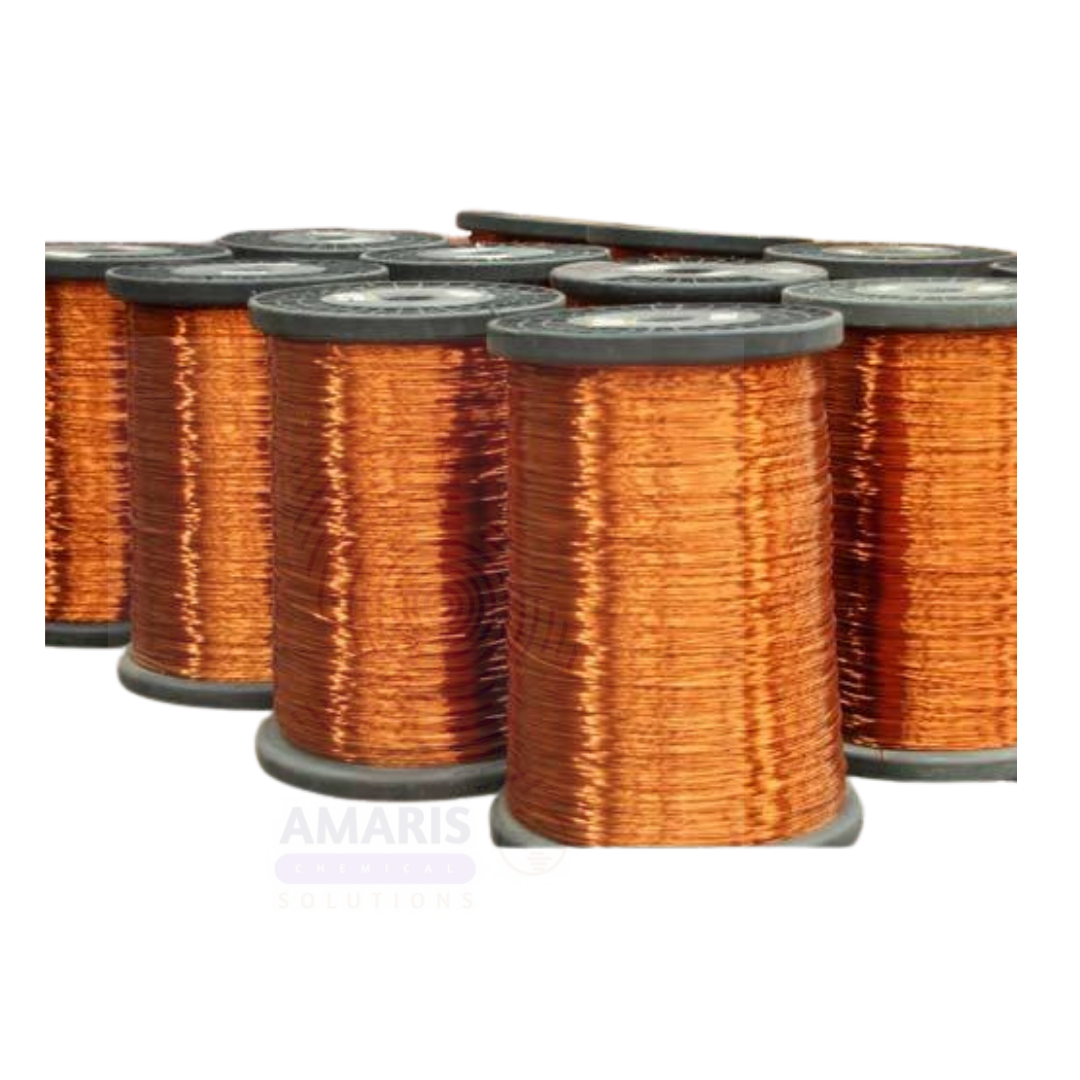


Bare Enamelled Copper Wire
Original price was: $ 12.50.$ 12.45Current price is: $ 12.45.
Bare Enamelled Copper Wire is a high-quality electrical conductor coated with a thin layer of insulating enamel. It is widely used in electrical and electronic applications where insulation and durability are required without adding bulk. The enamel coating provides excellent resistance to heat, abrasion, and chemicals, making it suitable for winding coils, transformers, motors, and inductors. The bare enamelled copper wire ensures efficient conductivity combined with insulation properties, ideal for both laboratory research and industrial manufacturing processes.
Bare Enamelled Copper Wire
Primary Uses
- Laboratory Applications
- Used for making electromagnetic coils and prototypes in electrical experiments.
- Essential in research involving electric motors, transformers, and inductors.
- Utilized in testing insulation and conductivity properties.
- Applied in custom winding and circuit design in R&D laboratories.
Secondary Uses
- Industrial Applications
- Used extensively in the manufacturing of motors, transformers, inductors, and solenoids.
- Integral component in electrical appliances and machinery wiring.
- Employed in production lines for coil winding and electromagnet assembly.
- Utilized in repair and maintenance of electrical equipment.
1.Basic Identification Attributes
- Material: Copper with enamel insulation
- Wire Type: Bare enamelled (magnet) wire
- Insulation: Thin enamel coating providing electrical insulation
2.Physical & Chemical Properties
- Conductivity: Excellent electrical conductivity due to copper core
- Thermal Resistance: Withstands elevated temperatures depending on enamel type
- Diameter: Available in various gauges for different applications
- Flexibility: Good mechanical flexibility for winding and shaping
3.Safety & Hazard Attributes
- Electrical Risks: Risk of electric shock if improperly handled; ensure insulation integrity
- Toxicity: Non-toxic, though enamel coating may emit fumes if overheated
- Allergens: None reported
4.Storage & Handling Attributes
- Storage Conditions: Store in dry, cool environment to prevent oxidation
- Handling Precautions: Avoid sharp bends or abrasion that could damage enamel coating
5.Regulatory & Compliance Attributes
- Complies with electrical standards for insulation and conductivity
- Manufactured to industrial quality standards for electrical wiring
6.Environmental & Health Impact
- Copper is recyclable; enamel coating disposal should follow environmental regulations
- Minimal environmental footprint during normal use
Safety Handling Precautions
- Use insulated gloves when handling live wires
- Avoid overheating to prevent enamel degradation
First Aid Measures
- Skin Contact: Wash if irritation occurs from dust or fumes
- Inhalation: Move to fresh air if exposed to fumes from overheating enamel
- Eye Contact: Rinse with water if contact with dust or fumes occurs
- Ingestion: Seek medical attention if enamel particles ingested
Firefighting Measures
- Fire Hazard: Copper wire itself is non-flammable; enamel coating may burn under extreme heat
- Extinguishing Media: Use dry chemical, CO2, or foam for enamel fire
- Special Precautions: Avoid inhaling fumes from burning enamel
Related products
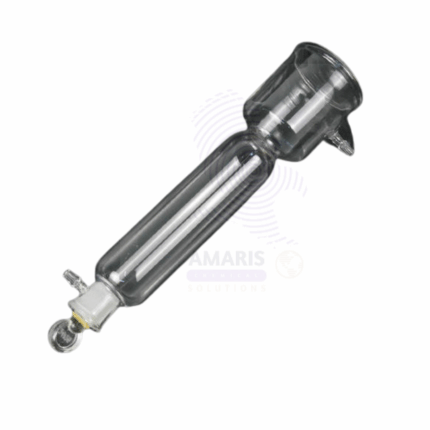
Absorption Tower
An Absorption Tower is a vertical vessel used in industrial processes to remove specific components from gas streams by contact with a liquid solvent. This equipment facilitates mass transfer between the gas and liquid phases, allowing targeted pollutants or valuable compounds to be absorbed efficiently. Absorption Towers are commonly employed in chemical plants, refineries, and environmental control systems for gas scrubbing, purification, and recovery applications. They are designed for optimal gas-liquid contact, often using packing materials or trays to enhance surface area and improve absorption efficiency.
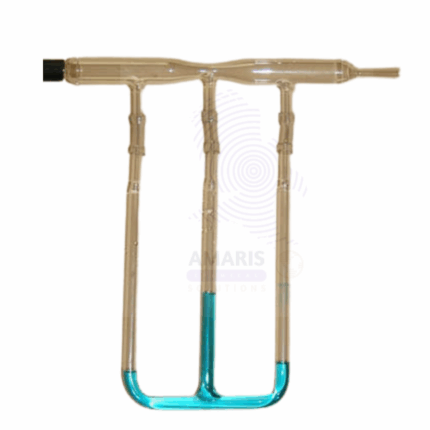
Bernoulli Tube Apparatus
Bernoulli Tube Apparatus is a precision-engineered device designed to demonstrate and analyze the principles of fluid dynamics, specifically Bernoulli’s theorem. It consists of a transparent, variable-diameter horizontal tube equipped with multiple pressure tap points connected to manometer tubes. This allows for the visual observation and quantitative measurement of pressure, velocity, and flow relationships as fluid moves through different cross-sectional areas. Commonly used in laboratory and industrial fluid mechanics testing, it helps validate theoretical predictions in controlled experimental conditions.
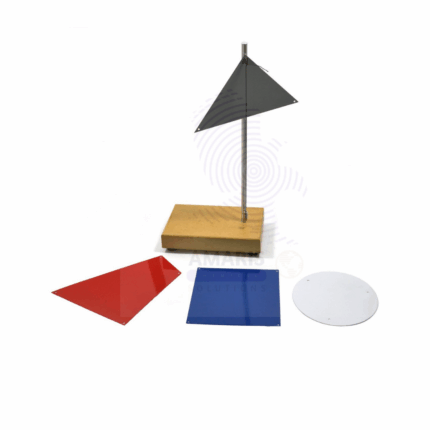
Centre of Gravity apparatus
The Centre of Gravity Apparatus is a precision instrument designed to demonstrate and measure the center of gravity of various objects. It consists of a rigid frame, adjustable clamps, and pointers that help identify the balance point of irregular shapes and composite bodies. Widely used in physics laboratories and industrial training, this apparatus aids in understanding the principles of equilibrium, stability, and moments. Its sturdy construction ensures accurate and repeatable measurements essential for educational and quality control purposes.

Chromatogram Paper
Chromatogram Paper is a specialized high-quality absorbent paper used primarily in chromatography techniques for the separation and analysis of chemical substances. Manufactured to have consistent texture and porosity, it facilitates effective migration of solvents and analytes, allowing clear and reproducible chromatographic patterns. Widely utilized in laboratories for qualitative and quantitative chemical analysis, Chromatogram Paper is essential for research, quality control, and educational purposes.

clinostat clock type
The Clinostat Clock Type is a precision laboratory instrument designed to simulate microgravity conditions by continuously rotating biological samples or small objects along a horizontal axis. This rotation counteracts the effect of gravity, allowing researchers to study the effects of weightlessness on plant growth, cell cultures, and other biological specimens. Constructed with durable materials and calibrated for smooth, consistent rotation, the Clinostat Clock Type is widely used in botanical, microbiological, and space biology research.
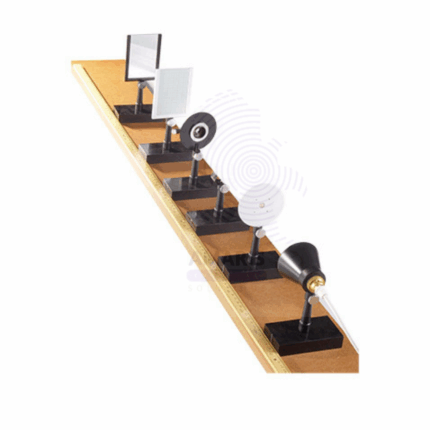
Complete optical bench
Product Description
Complete Optical Bench is a precision laboratory apparatus designed to facilitate experiments involving optics, such as the study of lenses, mirrors, light refraction, reflection, and focal lengths. It consists of a rigid, graduated base rail with movable holders for optical components like lenses, mirrors, prisms, and light sources. The modular design allows flexible setup of various optical experiments, making it an essential tool in physics laboratories for teaching and research.
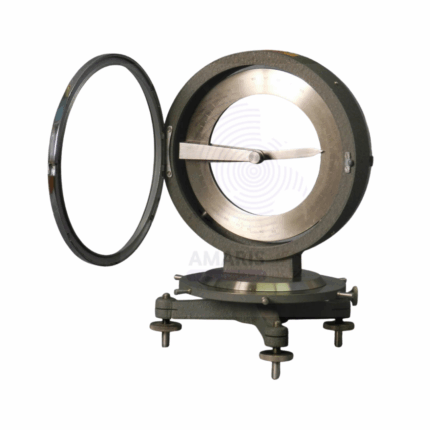
Dip Circle
A Dip Circle is a precision scientific instrument used for measuring the magnetic dip or inclination angle of the Earth’s magnetic field at a specific location. It consists of a magnetic needle or dip needle mounted on a graduated circular scale, which can rotate freely in the vertical plane. The instrument allows geologists, physicists, and surveyors to determine the angle between the horizontal plane and the Earth’s magnetic field lines, an important parameter in geomagnetic studies and navigation. Dip circles are commonly employed in academic research, mineral exploration, and educational demonstrations to analyze variations in Earth’s magnetism and assist in directional orientation.
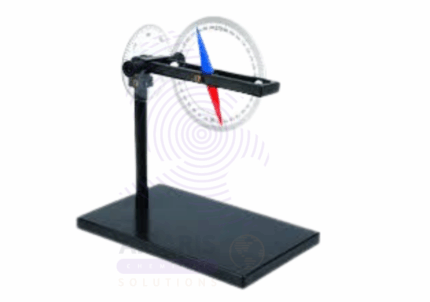
Dip Needle
A Dip Needle is a finely balanced magnetic needle used to measure the magnetic dip or inclination angle of the Earth’s magnetic field. Mounted to pivot freely in a vertical plane, the needle aligns itself with the Earth’s magnetic field lines, enabling precise determination of the angle between the horizontal plane and magnetic field direction. Dip Needles are essential instruments in geophysics, navigation, and laboratory studies of magnetism. They provide crucial data for mapping magnetic variations, compass calibration, and educational demonstrations. Typically constructed with magnetized steel or alloy, dip needles are designed for sensitivity and durability in field and lab environments.












