

 Preservatives(food)
 Flavors
 Acidulants
 Sweeteners
 Antioxidants
 Colorants(food)
 Nutraceutical Ingredients (food)
 Nutrient Supplements
 Emulsifiers
 Collectors
 Dust Suppressants
 Explosives and Blasting Agents
 Flocculants and Coagulants
 Frothers
 Leaching Agents
 pH Modifiers
 Precious Metal Extraction Agents
 Antioxidants(plastic)
 Colorants (Pigments, Dyes)
 Fillers and Reinforcements
 Flame Retardants
 Monomers
 Plasticizers
 Polymerization Initiators
 Stabilizers (UV, Heat)
 Antifoaming Agents
 Chelating Agents
 Coagulants and Flocculants
 Corrosion Inhibitors
 Disinfectants and Biocides
 Oxidizing Agents
 pH Adjusters
 Scale Inhibitors( water)
 Antioxidants(cosmetic)
 Emollients
 Oils
Oils Carrier Oills
 Essential Oils
 Humectants
 Preservatives
 Surfactants(cosmetic)
 Thickeners
 UV Filters
 Fertilizers
 Soil Conditioners
 Plant Growth Regulators
 Animal Feed Additives
 Biostimulants
 Pesticides (Herbicides, Insecticides, Fungicides)
 Active Pharmaceutical Ingredients (APIs)
 Excipients
 Solvents(pharmaceutical)
 Antibiotics
 Antiseptics and Disinfectants
 Vaccine Adjuvants
 Nutraceutical Ingredients (pharmaceutical)
 Analgesics & Antipyretics
 Analytical Reagents
 Solvents(lab)
 Chromatography Chemicals
 Spectroscopy Reagents
 microbiology-and-cell-culture-reagents
 Molecular Biology Reagents
 Biochemical Reagents
 Inorganic and Organic Standards
 Laboratory Safety Chemicals
 Specialty Laboratory Chemicals(Special Laboratory Equipment)
 Demulsifiers
 Hydraulic Fracturing Fluids
 Scale Inhibitors(oil)
 Surfactants(oil)
 Drilling Fluids
 Dyes and Pigments
 Bleaching Agents
 Softening Agents
 Finishing Agents
 Antistatic Agents
 Admixtures
 Waterproofing Agents
 Sealants and Adhesives
 Curing Compounds
 Concrete Repair Chemicals
 Anti-Corrosion Coatings
 Surfactants(cleaning)
 Builders
 Enzymes
 Solvents (Cleaning)
 Fragrances (Cleaning)
 Electronic Chemicals
 Catalysts
 Lubricants
 Photographic Chemicals
 Refrigerants
 Automotive chemicals
 Pyrotechnic Chemicals
 Biodegradable Surfactants
 Bio-based Solvents
 Renewable Polymers
 Carbon Capture Chemicals
 Wastewater Treatment Chemicals
 Pigments
 Solvents(paint)
 Specialty Coatings
 Binders/Resins
 Additives
 Driers
 Anti-Corrosion Agents
 Functional Coatings
 Application-Specific Coatings
 Leavening Agents
 Dough Conditioners
 Flour Treatments
 Fat Replacers
 Decoratives
 Preservatives(baking)
 Plasticizers & Softeners
 Reinforcing Agents
 Adhesion Promoters
 Vulcanizing Agents
 Antidegradants
 Blowing Agents
 Fillers & Extenders
 Accelerators & Retarders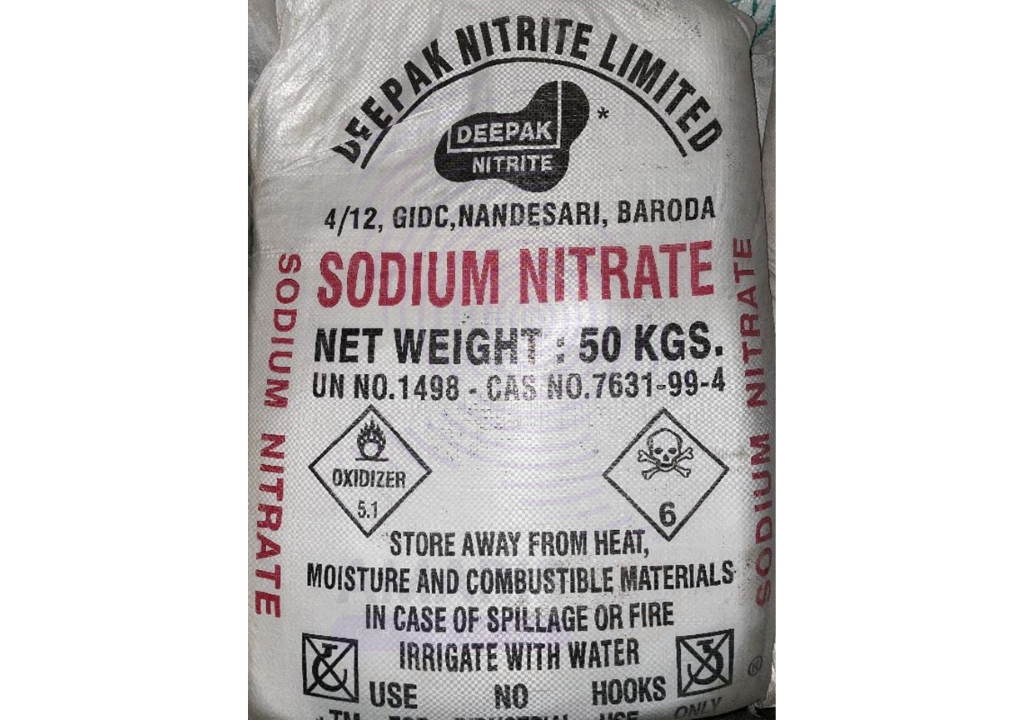


Sodium Nitrate
Sodium Nitrate is an inorganic white crystalline solid with the chemical formula NaNO₃. This 25kg packaged industrial-grade product serves as a powerful oxidizing agent and nitrogen source, widely used in fertilizers, pyrotechnics, food preservation, and chemical manufacturing. Its high solubility and stability make it ideal for controlled oxidation processes and nitrate salt production.
Sodium Nitrate
Primary Uses
- Fertilizers & Agriculture
- Provides immediately available nitrogen for crop nutrition
- Improves yields in high-value crops like vegetables and fruits
- Pyrotechnics & Explosives
- Oxidizer in fireworks, flares, and smoke bombs
- Key component in blasting explosives and propellants
- Food Preservation (E251)
- Curing agent for meats (ham, bacon, sausages)
- Prevents botulism and extends shelf life
- Glass & Ceramics
- Refining agent in glass production
- Lowers melting temperature of silica
- Chemical Manufacturing
- Raw material for potassium nitrate production
- Nitrating agent in organic synthesis
- Metal Treatment
- Passivation of aluminum alloys
- Heat treatment salt baths
Secondary Uses
- Pharmaceuticals
- Vasodilator in certain medications
- Precursor for pharmaceutical nitrates
- Wastewater Treatment
- Denitrification agent in biological processes
- Oxygen source for microbial treatment
- Solar Energy
- Heat transfer fluid in concentrated solar plants
- Rubber Industry
- Accelerator in rubber vulcanization
- Laboratory Reagents
- Standard nitrate solutions for testing
1. Basic Identification Attributes
- Chemical Name (IUPAC): Sodium nitrate
- Common/Trade Name: Chile saltpeter, Nitratine
- CAS Number: 7631-99-4
- HS Code: 3102.50.00
- Synonyms: Soda niter, Nitric acid sodium salt
2. Physical & Chemical Properties
- Physical State: White crystalline solid
- Color & Odor: White; odorless
- Solubility: 92 g/100 mL water (25°C)
- Density: 2.26 g/cm³
- pH: ~7 (neutral)
3. Safety & Hazard Attributes
- GHS Classification: Oxidizer (Category 3)
- Toxicity: LD₅₀ 3,236 mg/kg (oral, rat)
- Exposure Limits: TWA 5 mg/m³ (nitrate)
4. Storage & Handling Attributes
- Storage Conditions: Cool, dry, away from combustibles
- Container Type: 25kg poly-lined woven bags
- Shelf Life: 3 years in original packaging
- Handling Precautions: Avoid friction/impact
5. Regulatory & Compliance Attributes
- REACH registered
- Food-grade meets FCC/EC specifications (E251)
- UN1498 (Oxidizing Substances)
6. Environmental & Health Impact
- Biodegradability: Not biodegradable
- Ecotoxicity: LC₅₀ 1,650 mg/L (fish)
- Bioaccumulation: None
Safety Handling Precautions
- PPE Required: Nitrile gloves, dust mask, goggles
- Handling Guidelines: Prevent dust formation
- Storage Measures: Separate from organic materials
First Aid Measures
- Inhalation: Move to fresh air
- Skin Contact: Wash with soap/water
- Eye Contact: Flush with water 15 minutes
- Ingestion: Rinse mouth, seek medical help
Firefighting Measures
- Fire Hazards: Intensifies fires
- Extinguishing Media: Water spray from protected position
- Hazardous Combustion Products: Nitrogen oxides
Related products
Ammonia solution
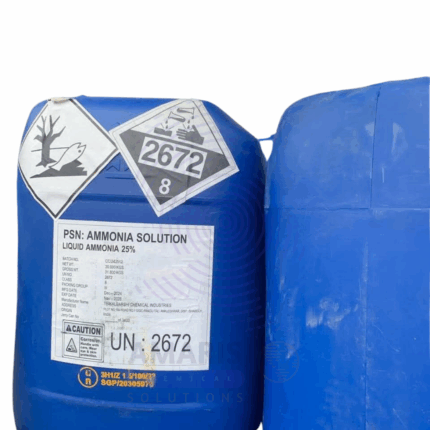
Ammonia solutions, often referred to as aqueous ammonia or ammonium hydroxide, are clear, colorless liquids consisting of ammonia gas dissolved in water. The concentration of ammonia in these solutions typically ranges from 5% to 35% by weight. Ammonia solutions possess a pungent odor characteristic of ammonia gas and are alkaline with a pH typically between 11 and 12.5. This solution is widely used across various industries due to its excellent cleaning properties, reactivity, and role as a nitrogen source.
Ammonium Sulphate
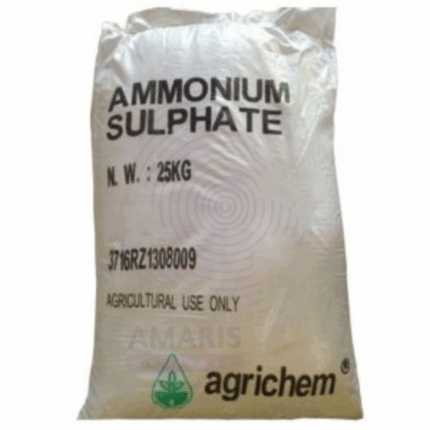
Ammonium Sulphate is an inorganic salt with the formula (NH₄)₂SO₄. It appears as a white crystalline solid, highly soluble in water, and is widely used as a fertilizer due to its high nitrogen and sulfur content. Besides agriculture, ammonium sulphate finds extensive use in industrial processes, food additives, pharmaceutical applications, and water treatment. It acts as a soil amendment to improve nitrogen levels and acidity, a flocculating agent in water purification, and a stabilizer or precipitant in biochemical and pharmaceutical formulations.

Barium Nitrate
Barium Nitrate is an inorganic chemical compound, a white crystalline solid composed of barium and nitrate ions. It is highly soluble in water and serves as an oxidizing agent. Due to its energetic properties, barium nitrate is widely used in pyrotechnics to produce vibrant green colors and as an oxidizer in explosives and fireworks. It is also utilized in the manufacturing of barium oxide and other barium compounds. Barium nitrate must be handled carefully due to its toxicity and oxidizing nature.
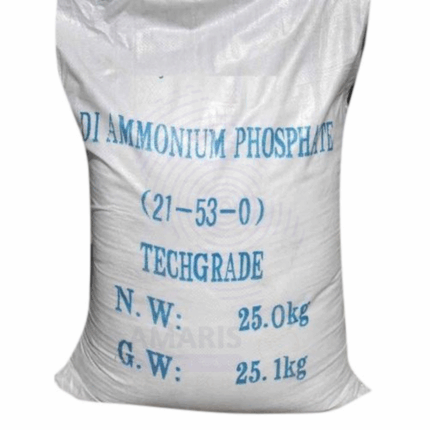
Diammonium Phosphate
Diammonium Phosphate (DAP) is a highly water-soluble, white crystalline fertilizer containing nitrogen and phosphorus. It is one of the most widely used phosphate fertilizers globally, providing a balanced source of nutrients essential for plant growth. DAP supplies ammonium nitrogen (NH₄⁺) and phosphate (PO₄³⁻), which promote vigorous root development, improve soil fertility, and enhance crop yield and quality. Besides agriculture, DAP serves important roles in food additives, fire retardants, and industrial applications. It’s favored for its high nutrient content, ease of application, and compatibility with other fertilizers and soil amendments.
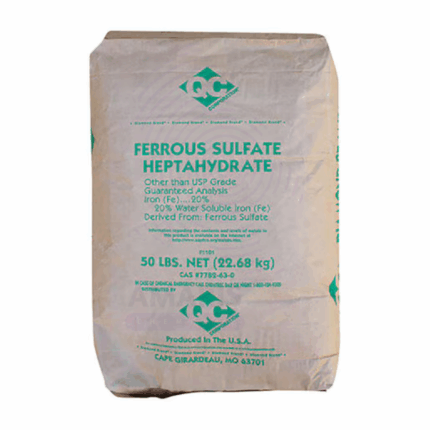
Ferrous Sulphate Heptahydrate
Ferrous Sulphate Heptahydrate, also known as iron(II) sulfate heptahydrate, is a pale green crystalline solid containing seven molecules of water of crystallization (FeSO₄·7H₂O). It is a widely used inorganic iron compound characterized by its high iron content (approximately 20% Fe) and good solubility in water. This hydrated salt is commonly used in agriculture, pharmaceuticals, water treatment, and various industrial processes. The heptahydrate form is preferred for many applications due to its stability, ease of handling, and cost-effectiveness.
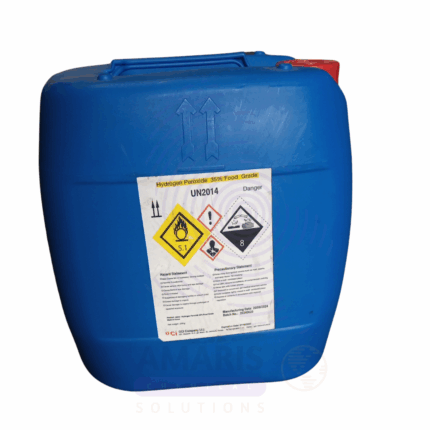

Hydrogen Peroxide Food Grade
Hydrogen Peroxide Food Grade is a highly concentrated aqueous solution of hydrogen peroxide (H₂O₂), formulated specifically for use in food processing and related applications. It appears as a clear, colorless liquid with a slightly sharp, acrid odor. Renowned for its powerful oxidizing and bleaching properties, hydrogen peroxide is a strong antimicrobial agent and environmentally friendly disinfectant that decomposes into water and oxygen, leaving no harmful residues. The food-grade designation ensures compliance with strict purity standards, making it suitable for direct and indirect food contact uses, including sterilization, sanitation, and preservation.
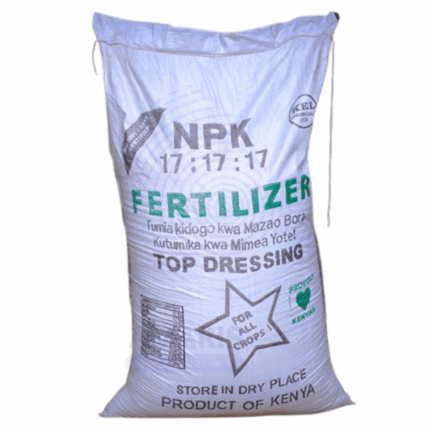
NPK 17-17-17
NPK 17-17-17 is a balanced, water-soluble fertilizer containing three essential macronutrients: Nitrogen (N), Phosphorus (P), and Potassium (K), each at 17% concentration. This balanced formula supports overall plant growth by providing vital nutrients for root development, flowering, and fruiting. It is commonly used in various agricultural and horticultural applications to optimize crop yield and quality.
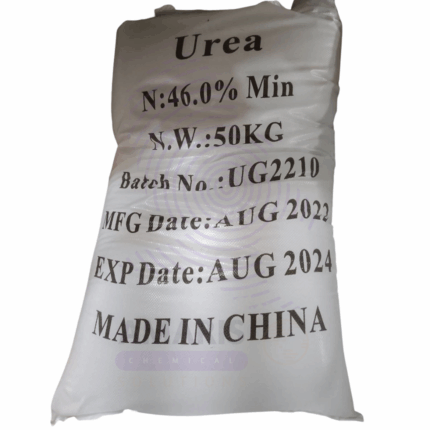
Urea
Urea is a highly water-soluble organic compound widely used as a nitrogen-release fertilizer in agriculture. It serves as a key source of nitrogen for plant growth and development. Apart from agriculture, urea is utilized in various industrial applications such as resin production, animal feed, and chemical manufacturing. Its high nitrogen content and easy handling make it a versatile and essential raw material in multiple sectors.












