

 Preservatives(food)
 Flavors
 Acidulants
 Sweeteners
 Antioxidants
 Colorants(food)
 Nutraceutical Ingredients (food)
 Nutrient Supplements
 Emulsifiers
 Collectors
 Dust Suppressants
 Explosives and Blasting Agents
 Flocculants and Coagulants
 Frothers
 Leaching Agents
 pH Modifiers
 Precious Metal Extraction Agents
 Antioxidants(plastic)
 Colorants (Pigments, Dyes)
 Fillers and Reinforcements
 Flame Retardants
 Monomers
 Plasticizers
 Polymerization Initiators
 Stabilizers (UV, Heat)
 Antifoaming Agents
 Chelating Agents
 Coagulants and Flocculants
 Corrosion Inhibitors
 Disinfectants and Biocides
 Oxidizing Agents
 pH Adjusters
 Scale Inhibitors( water)
 Antioxidants(cosmetic)
 Emollients
 Oils
Oils Carrier Oills
 Essential Oils
 Humectants
 Preservatives
 Surfactants(cosmetic)
 Thickeners
 UV Filters
 Fertilizers
 Soil Conditioners
 Plant Growth Regulators
 Animal Feed Additives
 Biostimulants
 Pesticides (Herbicides, Insecticides, Fungicides)
 Active Pharmaceutical Ingredients (APIs)
 Excipients
 Solvents(pharmaceutical)
 Antibiotics
 Antiseptics and Disinfectants
 Vaccine Adjuvants
 Nutraceutical Ingredients (pharmaceutical)
 Analgesics & Antipyretics
 Analytical Reagents
 Solvents(lab)
 Chromatography Chemicals
 Spectroscopy Reagents
 microbiology-and-cell-culture-reagents
 Molecular Biology Reagents
 Biochemical Reagents
 Inorganic and Organic Standards
 Laboratory Safety Chemicals
 Specialty Laboratory Chemicals(Special Laboratory Equipment)
 Demulsifiers
 Hydraulic Fracturing Fluids
 Scale Inhibitors(oil)
 Surfactants(oil)
 Drilling Fluids
 Dyes and Pigments
 Bleaching Agents
 Softening Agents
 Finishing Agents
 Antistatic Agents
 Admixtures
 Waterproofing Agents
 Sealants and Adhesives
 Curing Compounds
 Concrete Repair Chemicals
 Anti-Corrosion Coatings
 Surfactants(cleaning)
 Builders
 Enzymes
 Solvents (Cleaning)
 Fragrances (Cleaning)
 Electronic Chemicals
 Catalysts
 Lubricants
 Photographic Chemicals
 Refrigerants
 Automotive chemicals
 Pyrotechnic Chemicals
 Biodegradable Surfactants
 Bio-based Solvents
 Renewable Polymers
 Carbon Capture Chemicals
 Wastewater Treatment Chemicals
 Pigments
 Solvents(paint)
 Specialty Coatings
 Binders/Resins
 Additives
 Driers
 Anti-Corrosion Agents
 Functional Coatings
 Application-Specific Coatings
 Leavening Agents
 Dough Conditioners
 Flour Treatments
 Fat Replacers
 Decoratives
 Preservatives(baking)
 Plasticizers & Softeners
 Reinforcing Agents
 Adhesion Promoters
 Vulcanizing Agents
 Antidegradants
 Blowing Agents
 Fillers & Extenders
 Accelerators & Retarders
![Powder Sodium Mono Fluoro Phosphate [Na2PO3F] Amaris Chemicals](https://amarischemicalsolutions.com/wp-content/uploads/2025/09/Powder-Sodium-Mono-Fluoro-Phosphate-Na2PO3F-Amaris-Chemicals-150x150.png)

Pure Vanilin Powder Flavor
Pure Vanilin Powder Flavor is a fine, crystalline powder recognized as the principal flavor compound derived from vanilla beans. It imparts a sweet, creamy vanilla aroma and taste, making it a critical ingredient in food, pharmaceutical, and cosmetic formulations. This high-purity grade is suitable for direct use in consumables and fragrance products.
Pure Vanilin Powder Flavor
Primary Uses
- Food & Beverage Industry
- Used extensively as a flavoring agent in baked goods such as cakes, cookies, and pastries.
- Adds vanilla flavor to chocolates, ice creams, yogurts, and other dairy-based desserts.
- Incorporated in beverages including flavored coffees, teas, and soft drinks.
- Used in confectionery items like candies, chewing gums, and syrups to enhance flavor.
- Applied in savory products like sauces and dressings to balance flavor profiles.
- Pharmaceuticals
- Used in medicinal syrups, cough remedies, and throat lozenges to mask bitter tastes.
- Employed as a flavoring agent in chewable tablets and oral care products.
- Cosmetics and Personal Care
- Added to perfumes, colognes, and scented lotions for its characteristic vanilla scent.
- Incorporated into soaps, shampoos, and creams to provide aromatic appeal.
Secondary Uses
- Chemical Intermediate
- Used in the synthesis of more complex flavor and fragrance molecules.
- Household Products
- Added to air fresheners, cleaning products, and candles for fragrance enhancement.
- Research & Development
- Utilized as a standard reference material in analytical testing of flavors and fragrances.
- Food Packaging Industry
- Used in active packaging materials to impart mild aroma and mask odors.
- Animal Feed
- Added as a palatability enhancer in certain animal nutrition products.
1. Basic Identification Attributes
- Chemical Name (IUPAC): 4-Hydroxy-3-methoxybenzaldehyde
- Common/Trade Name: Pure Vanillin
- CAS Number: 121-33-5
- HS Code: 29123200
- Synonyms: Vanillin, vanilla aldehyde
2. Physical & Chemical Properties
- Physical State: Fine crystalline powder
- Color & Odor: White to pale yellow; characteristic vanilla aroma
- Solubility: Soluble in alcohol, ether; slightly soluble in water
- Melting Point: 81–83 °C
- Density: Approx. 1.05 g/cm³
3. Safety & Hazard Attributes
- GHS Classification: Not classified as hazardous; may cause mild irritation
- Toxicity: Low toxicity; avoid inhalation and prolonged skin contact
- Exposure Limits: Refer to safety data sheet for guidance
4. Storage & Handling Attributes
- Storage Conditions: Store in cool, dry, well-ventilated area away from light and heat sources
- Container Type: Sealed plastic or glass containers to maintain purity
- Shelf Life: Typically 24 months if stored properly
- Handling Precautions: Use gloves and dust mask to prevent irritation and inhalation
5. Regulatory & Compliance Attributes
- Complies with FDA, EFSA, and other international food safety standards
- Generally Recognized As Safe (GRAS) for use in food and beverages
- Manufactured in GMP-certified facilities
6. Environmental & Health Impact
- Biodegradability: Biodegradable under typical environmental conditions
- Ecotoxicity: Low risk to aquatic organisms
- Bioaccumulation: Not significant
Safety Handling Precautions
- PPE Required: Gloves, goggles, and dust masks recommended when handling powder
- Handling Guidelines: Avoid dust formation; work in well-ventilated areas
First Aid Measures
- Inhalation: Move to fresh air; seek medical advice if respiratory irritation occurs
- Skin Contact: Wash thoroughly with soap and water; seek medical advice if irritation persists
- Eye Contact: Rinse with plenty of water for 15 minutes; get medical attention if irritation continues
- Ingestion: Rinse mouth; do not induce vomiting; seek medical attention
Firefighting Measures
- Fire Hazards: Combustible solid; avoid ignition sources
- Extinguishing Media: Water spray, foam, dry chemical, or CO₂
- Special Precautions: Use protective equipment and self-contained breathing apparatus if needed
- Hazardous Combustion Products: Carbon oxides and aromatic compounds
Related products
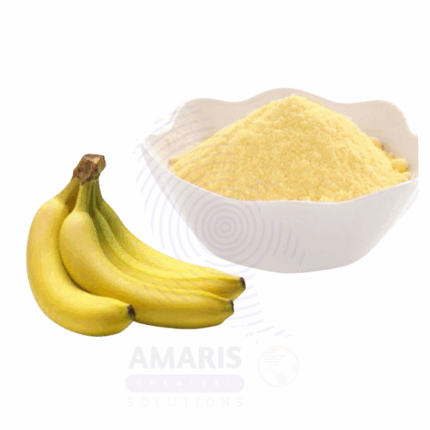
Banana Powder Flavour
Banana Powder Flavour is a premium food-grade powdered flavoring agent that delivers the sweet, creamy, and natural aroma of ripe bananas. It is designed for easy incorporation into dry food products, beverages, and culinary mixes. The powder form offers excellent stability, ease of handling, and uniform dispersion, making it ideal for bakery products, confectionery, snacks, and powdered drink mixes. This flavor maintains its potency and aroma even under high-temperature processing and extended storage.
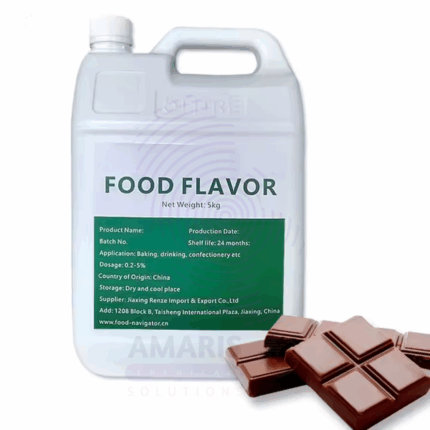
Chocolate Liquid Flavour
Chocolate Liquid Flavour is a premium food-grade flavoring agent designed to impart a rich, smooth, and authentic chocolate aroma and taste to a wide variety of food and beverage products. This liquid flavor is formulated for excellent solubility and stability, making it ideal for confectionery, bakery, dairy, beverage, and dessert applications. It enhances the sensory appeal of products by delivering a consistent and natural chocolate flavor profile that consumers enjoy.
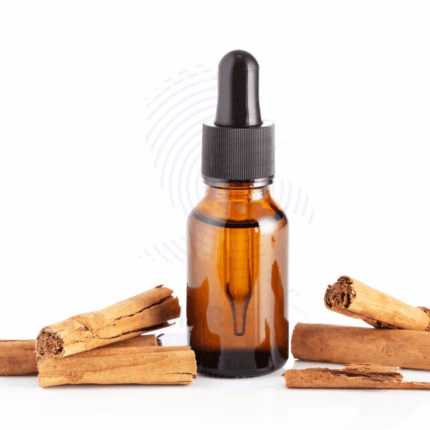
cinnamon Bark Oil
Cinnamon Bark Oil is a potent essential oil obtained by steam distillation of the inner bark of the Cinnamomum verum (also known as Cinnamomum zeylanicum) tree, native to Sri Lanka and parts of Southeast Asia. This oil possesses a warm, spicy, and sweet aroma with a rich, woody undertone, and is prized for its high cinnamaldehyde content.
Renowned for its strong antimicrobial, antifungal, and antioxidant properties, Cinnamon Bark Oil has been used traditionally in natural medicine, culinary applications, and perfumery. It is frequently found in formulations aimed at immune support, pain relief, and emotional stimulation. In modern industries, it serves as a natural flavoring agent, a powerful aromatherapeutic component, and a natural preservative in cosmetics and personal care.
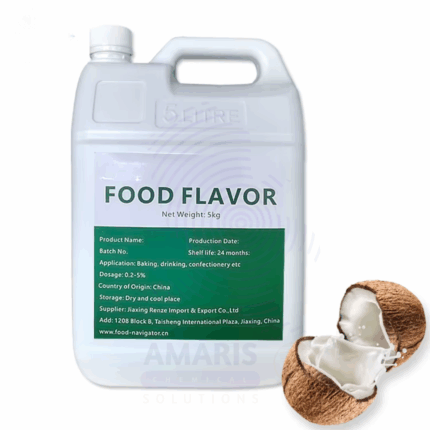
Coconut Liquid Flavour
Coconut Liquid Flavour is a premium food-grade flavoring agent that delivers the sweet, creamy, and tropical aroma and taste of natural coconut in a convenient liquid form. It is specially formulated to provide consistent flavor and excellent stability in a variety of food and beverage applications. This flavor enhances bakery, confectionery, dairy, beverages, and savory products with its authentic coconut profile, making it ideal for creating delicious and exotic culinary experiences.
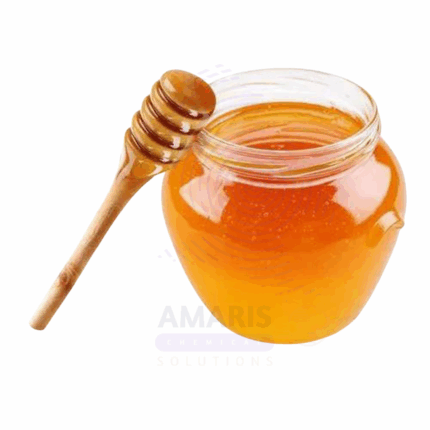
Honey Special Liquid Flavour
Honey Special Liquid Flavour is a premium food-grade flavoring agent designed to replicate the rich, sweet, and natural aroma and taste of pure honey. This liquid flavor is ideal for enhancing the sensory qualities of a variety of food and beverage products. It offers excellent stability and solubility, making it suitable for use in drinks, baked goods, confectionery, dairy products, and sauces. The flavoring is carefully formulated to provide an authentic honey experience without the viscosity of natural honey, allowing for easy blending and consistent flavor delivery. Manufactured under strict quality control, it complies with food safety regulations and supports clean-label product development.
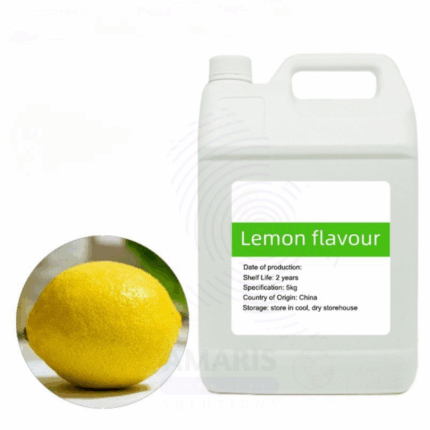
Lemon Liquid Flavor
Lemon Liquid Flavor is a high-quality, citrus-based flavoring solution designed to impart the tangy, zesty taste of fresh lemons to a variety of food and beverage products. Known for its bright, refreshing profile, it is widely used in both sweet and savory formulations. The liquid form allows for easy mixing and dispersion in syrups, confections, baked goods, and dairy products. Its stability under typical processing conditions and compatibility with other flavor notes make it a versatile and essential ingredient in the food industry.
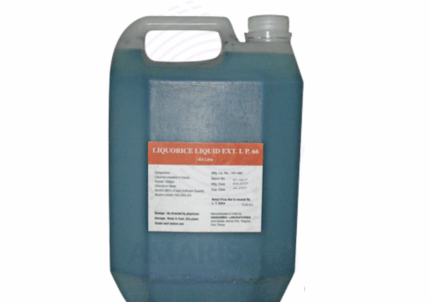
Liquorice Liquid
Liquorice Liquid is the dried root extract of the Glycyrrhiza glabra plant, known for its distinctive sweet flavor and medicinal properties. It contains glycyrrhizin, a compound that is 30–50 times sweeter than sugar. Liquorice is widely used as a flavoring agent in confectionery, beverages, and tobacco, as well as in traditional and modern medicine for its soothing, anti-inflammatory, and expectorant effects.
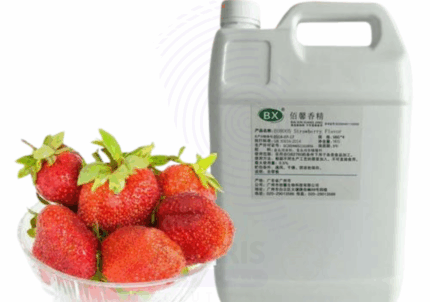
Strawberry Liquid Flavor
Strawberry Liquid Flavor is a premium quality flavoring agent that captures the fresh, sweet, and slightly tart essence of ripe strawberries. Widely used in the food and beverage industry, this flavor enhances the taste and aroma of a variety of products including beverages, confectionery, dairy, and baked goods. It is water and alcohol soluble, allowing easy incorporation into multiple formulations. The natural and authentic strawberry profile makes it ideal for creating flavorful and appealing consumer products.












