Preservatives(food)
 Flavors
 Acidulants
 Sweeteners
 Antioxidants
 Colorants(food)
 Nutraceutical Ingredients (food)
 Nutrient Supplements
 Emulsifiers
 Collectors
 Dust Suppressants
 Explosives and Blasting Agents
 Flocculants and Coagulants
 Frothers
 Leaching Agents
 pH Modifiers
 Precious Metal Extraction Agents
 Antioxidants(plastic)
 Colorants (Pigments, Dyes)
 Fillers and Reinforcements
 Flame Retardants
 Monomers
 Plasticizers
 Polymerization Initiators
 Stabilizers (UV, Heat)
 Antifoaming Agents
 Chelating Agents
 Coagulants and Flocculants
 Corrosion Inhibitors
 Disinfectants and Biocides
 Oxidizing Agents
 pH Adjusters
 Scale Inhibitors( water)
 Antioxidants(cosmetic)
 Emollients
 Oils
Oils Carrier Oills
 Essential Oils
 Humectants
 Preservatives
 Surfactants(cosmetic)
 Thickeners
 UV Filters
 Fragrance (Cosmetics)
 Fertilizers
 Soil Conditioners
 Plant Growth Regulators
 Animal Feed Additives
 Biostimulants
 Pesticides (Herbicides, Insecticides, Fungicides)
 Active Pharmaceutical Ingredients (APIs)
 Excipients
 Solvents(pharmaceutical)
 Antibiotics
 Antiseptics and Disinfectants
 Vaccine Adjuvants
 Nutraceutical Ingredients (pharmaceutical)
 Analgesics & Antipyretics
 Analytical Reagents
 Solvents(lab)
 Chromatography Chemicals
 Spectroscopy Reagents
 microbiology-and-cell-culture-reagents
 Molecular Biology Reagents
 Biochemical Reagents
 Inorganic and Organic Standards
 Laboratory Safety Chemicals
 Specialty Laboratory Chemicals(Special Laboratory Equipment)
 Demulsifiers
 Hydraulic Fracturing Fluids
 Scale Inhibitors(oil)
 Surfactants(oil)
 Drilling Fluids
 Dyes and Pigments
 Bleaching Agents
 Softening Agents
 Finishing Agents
 Antistatic Agents
 Admixtures
 Waterproofing Agents
 Sealants and Adhesives
 Curing Compounds
 Concrete Repair Chemicals
 Anti-Corrosion Coatings
 Surfactants(cleaning)
 Builders
 Enzymes
 Solvents (Cleaning)
 Electronic Chemicals
 Catalysts
 Lubricants
 Photographic Chemicals
 Refrigerants
 Automotive chemicals
 Pyrotechnic Chemicals
 Biodegradable Surfactants
 Bio-based Solvents
 Renewable Polymers
 Carbon Capture Chemicals
 Wastewater Treatment Chemicals
 Pigments
 Solvents(paint)
 Specialty Coatings
 Binders/Resins
 Additives
 Driers
 Anti-Corrosion Agents
 Functional Coatings
 Application-Specific Coatings
 Leavening Agents
 Dough Conditioners
 Flour Treatments
 Fat Replacers
 Decoratives
 Preservatives(baking)
 Plasticizers & Softeners
 Reinforcing Agents
 Adhesion Promoters
 Vulcanizing Agents
 Antidegradants
 Blowing Agents
 Fillers & Extenders
 Accelerators & Retarders
🌱 Soil Health: Why Testing Comes Before Fertilizing 🧪🌾🚜

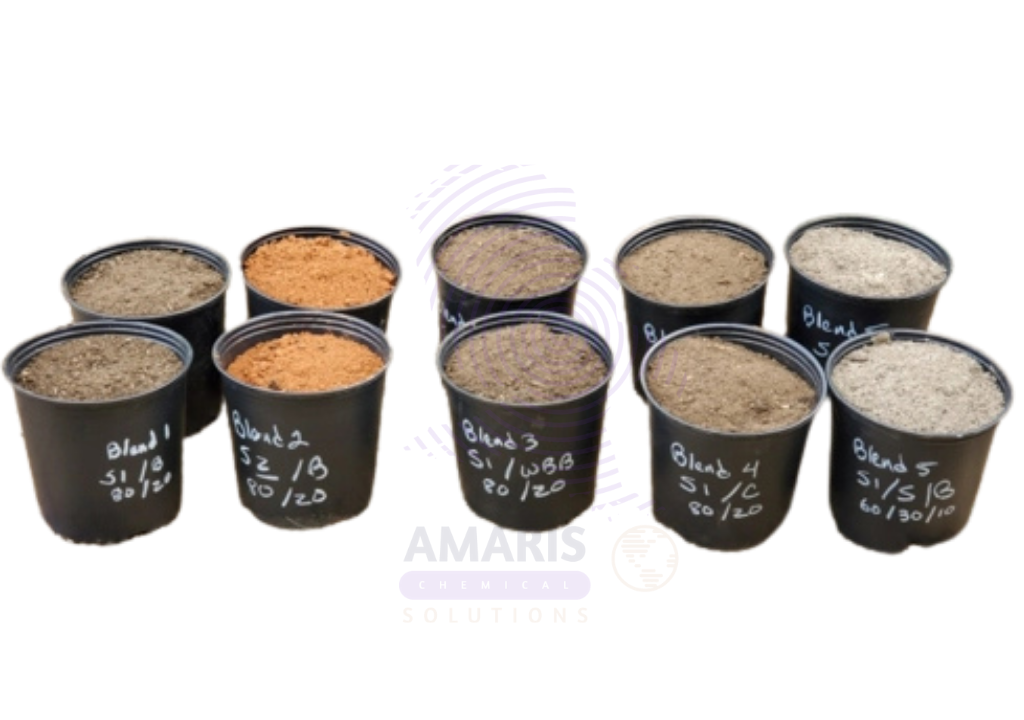
Healthy soil is one of the most valuable resources in agriculture. It provides plants with nutrients, water, oxygen, and physical support while creating an environment where roots and beneficial microorganisms can thrive. However, soil conditions vary significantly from one farm, field, or even section of a field to another. This is why soil testing should come before fertilizing. Instead of guessing what the soil needs, farmers can use test results to make more informed decisions about nutrients, soil amendments, and crop management.
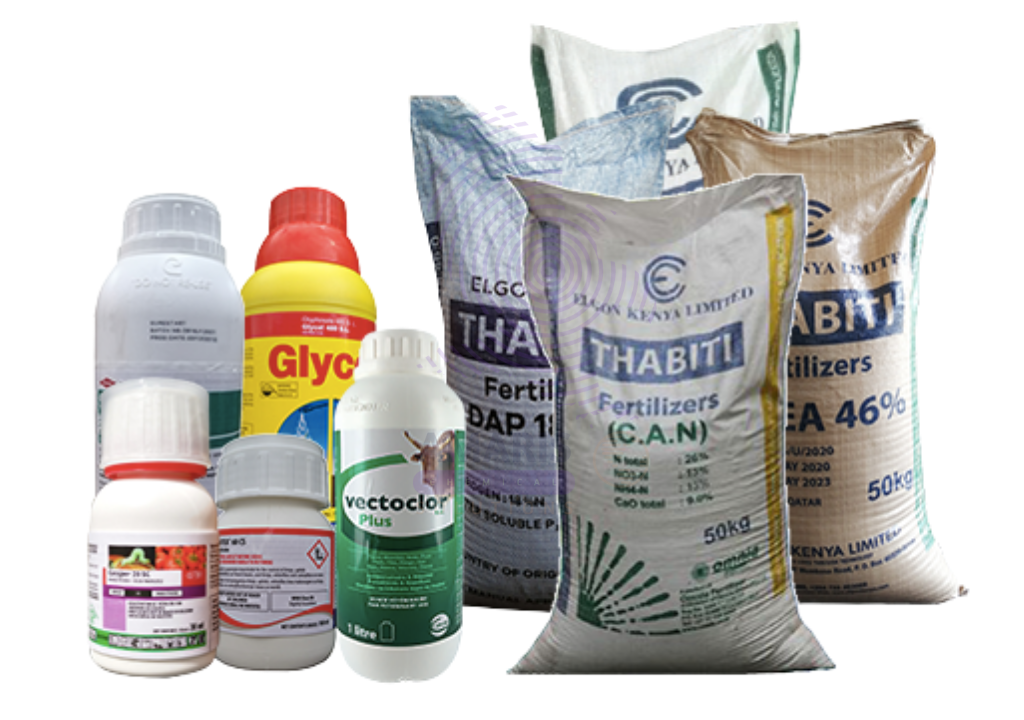
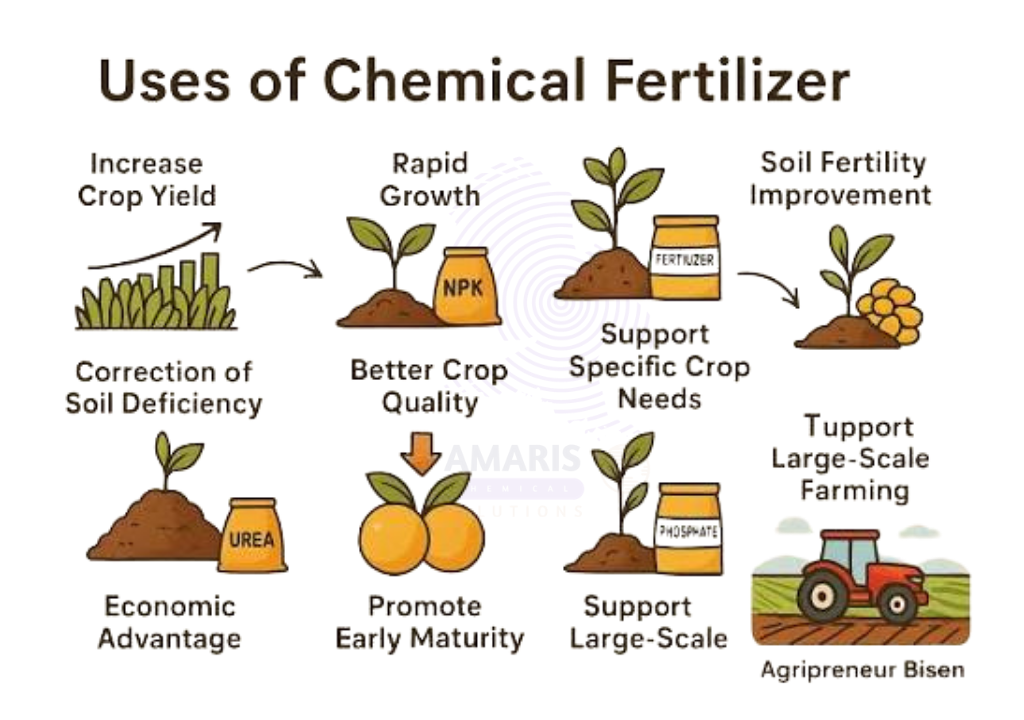
Fertilizers are designed to provide nutrients that plants require for growth, including nitrogen, phosphorus, potassium, and various secondary and micronutrients. However, applying fertilizer without understanding existing soil conditions can lead to unnecessary costs or nutrient imbalances. Soil testing provides valuable information that helps farmers determine which nutrients may be deficient, present in sufficient quantities, or potentially excessive. 🧪📊
One of the most important measurements provided by a soil test is soil pH. Soil pH affects how easily plants can access nutrients. If the soil is too acidic or too alkaline, certain nutrients may become less available to plants even when they are physically present in the soil. Understanding pH therefore helps farmers determine whether the soil requires an amendment before or alongside a fertilizer program.
Soil testing can also measure the levels of major nutrients. Nitrogen, phosphorus, and potassium are particularly important for crop development, but plants also require nutrients such as calcium, magnesium, sulfur, iron, zinc, manganese, and boron. Not every field needs the same nutrient combination. A soil test helps identify specific requirements and supports more targeted fertilizer applications. 🌾🔬
Another important benefit is cost efficiency. Fertilizer represents a significant expense for many farmers, especially when large areas are being cultivated. Applying nutrients that are already available in adequate quantities can result in unnecessary spending. By identifying actual deficiencies, farmers can focus their resources where they are most likely to improve crop performance.
Testing also helps reduce the risk of excessive fertilizer application. More fertilizer does not automatically mean higher yields. Applying nutrients beyond crop requirements can contribute to nutrient losses and environmental problems, particularly when rainfall or irrigation carries excess nutrients into surrounding water systems. Responsible nutrient management aims to provide crops with what they need while minimizing unnecessary losses. 💧🌍
Soil testing is also valuable when selecting soil conditioners and amendments. Some soils may have poor structure, low organic matter, drainage challenges, or other characteristics that affect crop development. Understanding these conditions can help farmers choose appropriate strategies for improving the soil environment. Fertilizers provide nutrients, while soil amendments and conditioners can address other aspects of soil quality.
The timing of soil testing can also influence its usefulness. Farmers should follow appropriate sampling practices and consider the crop, previous fertilizer applications, and local agricultural recommendations. Collecting representative samples is important because testing a single unusual area may not accurately reflect the condition of the entire field. 🔬🌱
Modern agriculture is increasingly using soil testing together with precision farming technologies. GPS mapping, field sensors, satellite imagery, and digital farm-management systems can help farmers understand how soil conditions vary across different areas. This information can support variable-rate fertilizer applications, where inputs are adjusted according to specific field requirements rather than applying the same amount everywhere.
Regular soil testing can also help farmers monitor changes over time. Comparing results from different growing seasons can reveal whether nutrient levels, pH, or other soil characteristics are improving or declining. This creates a foundation for long-term soil management rather than relying only on short-term responses to crop performance.
For farmers across Africa, soil testing can be particularly valuable because soil conditions vary widely between regions. Different climates, cropping systems, soil types, and cultivation practices create different nutrient requirements. Using soil analysis allows agricultural decisions to be based on actual field conditions rather than assumptions. 🌍🚜
It is important to remember that soil testing is only the first step. Results should be interpreted carefully, preferably with guidance from qualified agricultural professionals, agronomists, or soil specialists. The appropriate fertilizer type, application rate, and timing should consider the crop being grown, expected yield, soil characteristics, and local recommendations.
In conclusion, testing before fertilizing is one of the foundations of smart nutrient management. Soil testing helps identify nutrient requirements, understand pH, reduce unnecessary fertilizer use, control costs, and support healthier soils. By combining soil analysis with responsible fertilizer application, farmers can improve crop productivity while protecting valuable soil and water resources. 🌱🧪♻️
The future of agriculture depends on making every input count. Before reaching for a fertilizer bag, understanding what is already in the soil can be one of the smartest decisions a farmer makes. 🌾🚜✨