

 Preservatives(food)
 Flavor Enhancers
 Acidulants
 Sweeteners
 Antioxidants
 Colorants(food)
 Nutraceutical Ingredients (food)
 Nutrient Supplements
 Emulsifiers
 Collectors
 Dust Suppressants
 Explosives and Blasting Agents
 Flocculants and Coagulants
 Frothers
 Leaching Agents
 pH Modifiers
 Precious Metal Extraction Agents
 Antioxidants(plastic)
 Colorants (Pigments, Dyes)
 Fillers and Reinforcements
 Flame Retardants
 Monomers
 Plasticizers
 Polymerization Initiators
 Stabilizers (UV, Heat)
 Antifoaming Agents
 Chelating Agents
 Coagulants and Flocculants
 Corrosion Inhibitors
 Disinfectants and Biocides
 Oxidizing Agents
 pH Adjusters
 Scale Inhibitors( water)
 Antioxidants(cosmetic)
 Emollients
 Fragrances and Essential Oils
 Humectants
 Preservatives
 Surfactants(cosmetic)
 Thickeners
 UV Filters
 Fertilizers
 Soil Conditioners
 Plant Growth Regulators
 Animal Feed Additives
 Biostimulants
 Pesticides (Herbicides, Insecticides, Fungicides)
 Active Pharmaceutical Ingredients (APIs)
 Excipients
 Solvents(pharmaceutical)
 Antibiotics
 Antiseptics and Disinfectants
 Vaccine Adjuvants
 Nutraceutical Ingredients (pharmaceutical)
 Analgesics & Antipyretics
 Analytical Reagents
 Solvents(lab)
 Chromatography Chemicals
 Spectroscopy Reagents
 microbiology-and-cell-culture-reagents
 Molecular Biology Reagents
 Biochemical Reagents
 Inorganic and Organic Standards
 Laboratory Safety Chemicals
 Specialty Laboratory Chemicals(Special Laboratory Equipment)
 Demulsifiers
 Hydraulic Fracturing Fluids
 Scale Inhibitors(oil)
 Surfactants(oil)
 Drilling Fluids
 Dyes and Pigments
 Bleaching Agents
 Softening Agents
 Finishing Agents
 Antistatic Agents
 Admixtures
 Waterproofing Agents
 Sealants and Adhesives
 Curing Compounds
 Concrete Repair Chemicals
 Anti-Corrosion Coatings
 Surfactants(cleaning)
 Builders
 Enzymes
 Solvents (Cleaning)
 Fragrances
 Electronic Chemicals
 Catalysts
 Lubricants
 Photographic Chemicals
 Refrigerants
 Automotive chemicals
 Pyrotechnic Chemicals
 Biodegradable Surfactants
 Bio-based Solvents
 Renewable Polymers
 Carbon Capture Chemicals
 Wastewater Treatment Chemicals
 Pigments
 Solvents(paint)
 Specialty Coatings
 Binders/Resins
 Additives
 Driers
 Anti-Corrosion Agents
 Functional Coatings
 Application-Specific Coatings
 Leavening Agents
 Dough Conditioners
 Flour Treatments
 Fat Replacers
 Decoratives
 Preservatives(baking)
 Plasticizers & Softeners
 Reinforcing Agents
 Adhesion Promoters
 Vulcanizing Agents
 Antidegradants
 Blowing Agents
 Fillers & Extenders
 Accelerators & Retarders















Thickeners are key ingredients used to modify the viscosity and consistency of cosmetic formulations, creating richer lotions, creamy serums, and stable gels. Common thickeners include natural polymers (like xanthan gum or carrageenan), synthetic agents (such as carbomers), and waxes (like beeswax or cetyl alcohol). They improve product spreadability, stability, and sensory appeal while helping to suspend active ingredients. Modern formulations prioritize skin-friendly thickeners that deliver luxurious textures without compromising performance.
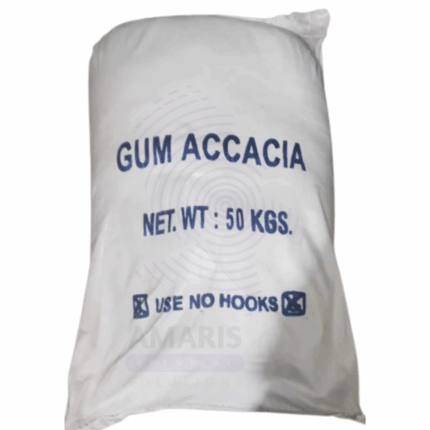
Arabic Gum
Arabic Gum, also known as Gum Acacia, is a natural gum harvested from the sap of Acacia trees, primarily Acacia senegal and Acacia seyal. It is a complex mixture of polysaccharides and glycoproteins, valued for its excellent emulsifying, stabilizing, and thickening properties. Arabic Gum is water-soluble, forms clear solutions, and is widely used in the food industry as a stabilizer and emulsifier. Additionally, it finds applications in pharmaceuticals, cosmetics, and printing industries due to its biodegradability, non-toxicity, and versatility.
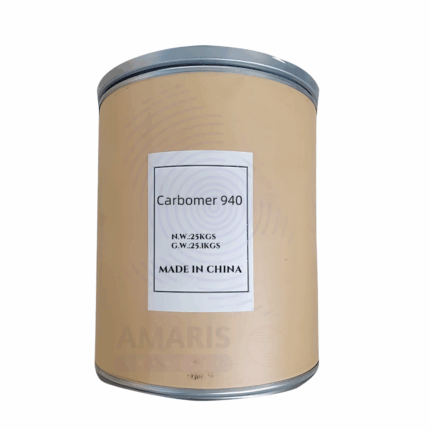
Carbomer
Carbomer is a high molecular weight, crosslinked polyacrylic acid polymer used primarily as a rheology modifier, thickening agent, and suspension stabilizer. Supplied as a fluffy white powder, it exhibits high viscosity and excellent clarity when neutralized and dispersed in water or alcohol-water systems. Carbomer 940 is widely valued for its ability to form clear gels, control flow properties, and stabilize emulsions. It is commonly used in cosmetics, personal care, pharmaceuticals, and household formulations due to its consistency, compatibility, and efficient thickening performance at low concentrations.
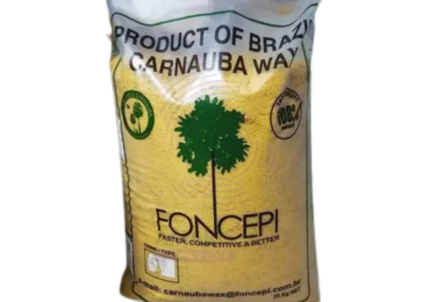
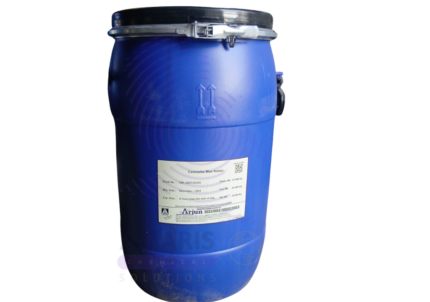
Carnauba Wax Prime Yellow
Carnauba Wax Prime Yellow, also known as Type 1 or Prime Yellow Grade, is the highest quality and purest form of carnauba wax derived from the leaves of the Copernicia cerifera palm tree, native to Brazil. It is a natural, vegetable-based wax prized for its exceptional hardness, high gloss, high melting point, and emulsification properties. Prime Yellow grade represents the finest classification, characterized by its light yellow to pale amber color, low impurities, and superior film-forming characteristics. It is obtained through a meticulous process of harvesting, drying, and processing the palm leaves to extract the waxy coating, which is then refined and graded. Carnauba Wax is often referred to as the "Queen of Waxes" due to its unique combination of properties unmatched by synthetic alternatives. Technical grade Carnauba Wax Prime Yellow is used across numerous industries for its ability to impart gloss, hardness, slip resistance, and moisture barrier properties. It is not intended for direct food consumption but is widely used in food-contact applications such as coatings and packaging.
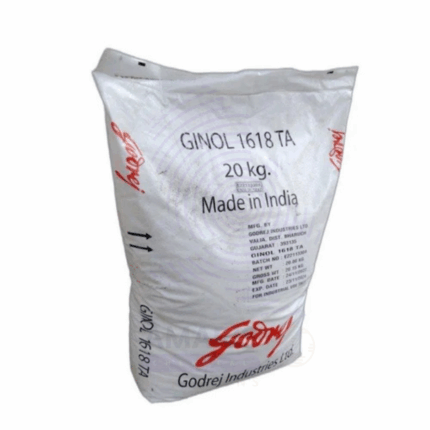
Ceto Stearyl Alcohol
Ceto Stearyl Alcohol 1618TA is a high-quality fatty alcohol blend primarily composed of cetyl (C16) and stearyl (C18) alcohols. It appears as a white, waxy solid or flakes with a mild fatty odor. This blend is widely used as an emollient, thickener, and co-emulsifier in cosmetic, pharmaceutical, and industrial formulations. Ceto Stearyl Alcohol 1618TA offers excellent lubricity, thickening, and stabilizing properties, enhancing the texture, consistency, and moisturizing characteristics of creams, lotions, and hair care products. It serves as a skin conditioning agent and contributes to the structural integrity of emulsions.
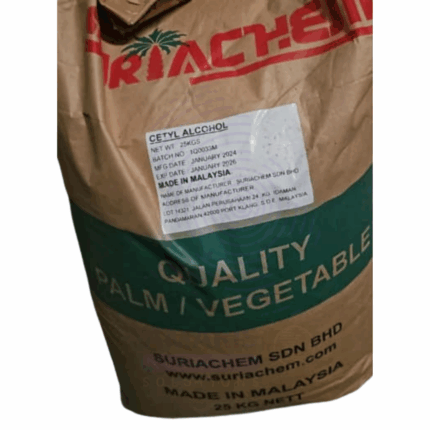
Cetyl Alcohol
Cetyl Alcohol, also known as 1-Hexadecanol or Palmityl Alcohol, is a fatty alcohol derived primarily from natural sources such as palm oil and coconut oil. It appears as a waxy, white to pale yellow solid with a faint fatty odor. Cetyl Alcohol is widely used in cosmetic, pharmaceutical, and industrial formulations due to its emollient, emulsifying, thickening, and stabilizing properties. It helps improve texture, consistency, and moisturizing effects in personal care products. Cetyl Alcohol is compatible with many ingredients, making it a versatile multifunctional ingredient.
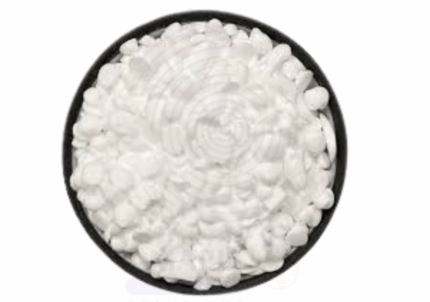
Cetyl Alcohol Flakes
Cetyl Alcohol Flakes is a high-purity fatty alcohol derived mainly from natural sources such as palm oil and coconut oil. Presented as white to off-white waxy flakes, this product contains at least 98% pure cetyl alcohol, ensuring consistent performance and quality. It is valued for its excellent emollient, thickening, and emulsifying properties and is widely used in personal care, pharmaceutical, and industrial formulations. The flake form facilitates easy handling, melting, and dosing in manufacturing processes. Cetyl Alcohol 98% Flakes contributes to the texture, stability, and moisturizing properties of various formulations, providing a non-greasy, smooth finish.
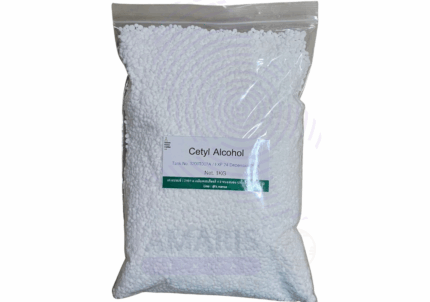
Cetyl Stearyl Alcohol (CSA)
Cetyl Stearyl Alcohol (CSA), also known as Cetearyl Alcohol, is a blended fatty alcohol consisting primarily of cetyl (C16) and stearyl (C18) alcohols. It appears as white to pale yellow waxy flakes or pellets with a mild fatty odor. CSA is widely used in cosmetics, pharmaceuticals, and personal care products as an emollient, thickener, and co-emulsifier. It enhances texture, improves stability, and provides a smooth, velvety skin feel in formulations. Being a non-ionic surfactant, it also aids in stabilizing oil-in-water emulsions and is favored for its gentle nature on the skin and hair.
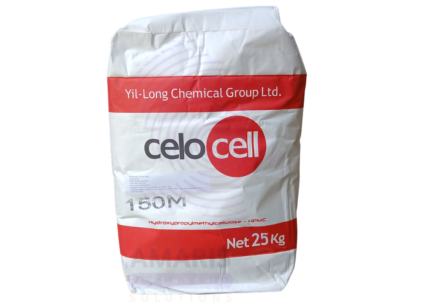
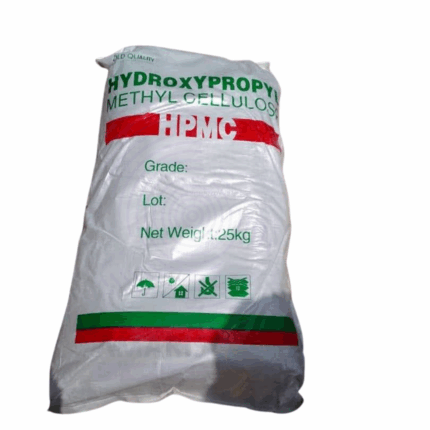
Hydroxypropyl Methylcellulose
Hydroxypropyl Methylcellulose HPMC, also known as hypromellose, is a semi-synthetic, non-ionic cellulose ether derived by chemically modifying cellulose through methylation and hydroxypropylation. It is a white to off-white, odorless, tasteless powder that dissolves in cold water to form clear, viscous solutions. HPMC is renowned for its thickening, film-forming, emulsifying, and controlled-release properties. It is widely used in pharmaceuticals, food, cosmetics, construction, and industrial applications due to its safety profile, versatility, and compatibility with various ingredients.
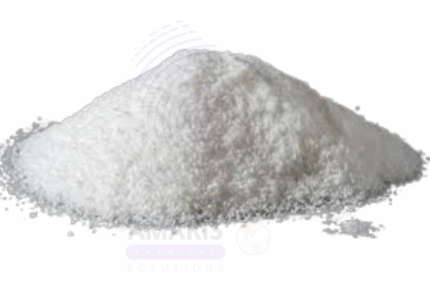
Methyl Cellulose 400mpc
Methyl Cellulose 400mpc is a chemically modified cellulose derivative in powder form. It is a non-ionic, water-soluble polymer widely used as a thickener, binder, emulsifier, and film former. It exhibits excellent water retention, viscosity control, and thermal gelation properties, making it ideal for applications in construction, pharmaceuticals, food, and cosmetics.
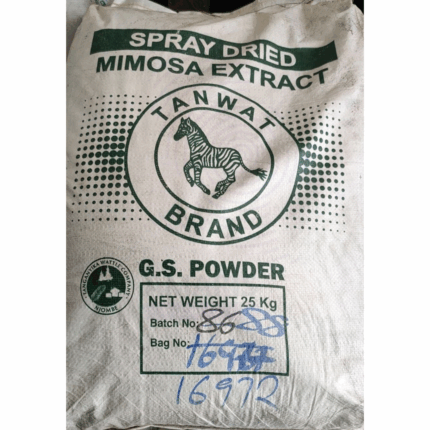
Mimosa Powder
Mimosa Powder is a fine, light to dark brown powder derived from the bark of the Mimosa tenuiflora tree (also known as Mimosa hostilis or Jurema). Rich in tannins and natural polyphenolic compounds, this plant-based powder is widely recognized for its natural astringent, antioxidant, and antimicrobial properties. It is commonly used in cosmetics, traditional medicine, leather tanning, dyeing, and industrial applications. The powder is biodegradable and sustainable, making it a popular choice for natural product formulations.
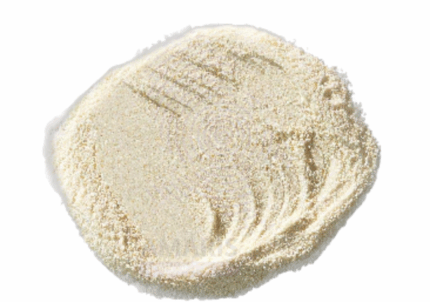
Pullulan
Pullulan is a natural polysaccharide polymer produced by the fermentation of starch by the fungus Aureobasidium pullulans. It is a water-soluble, tasteless, and odorless biopolymer widely used in the food, pharmaceutical, and cosmetic industries due to its excellent film-forming, adhesive, and oxygen barrier properties. Pullulan is biodegradable, non-toxic, and approved for use in various applications requiring edible and biodegradable films.












