

 Preservatives(food)
 Flavors
 Acidulants
 Sweeteners
 Antioxidants
 Colorants(food)
 Nutraceutical Ingredients (food)
 Nutrient Supplements
 Emulsifiers
 Collectors
 Dust Suppressants
 Explosives and Blasting Agents
 Flocculants and Coagulants
 Frothers
 Leaching Agents
 pH Modifiers
 Precious Metal Extraction Agents
 Antioxidants(plastic)
 Colorants (Pigments, Dyes)
 Fillers and Reinforcements
 Flame Retardants
 Monomers
 Plasticizers
 Polymerization Initiators
 Stabilizers (UV, Heat)
 Antifoaming Agents
 Chelating Agents
 Coagulants and Flocculants
 Corrosion Inhibitors
 Disinfectants and Biocides
 Oxidizing Agents
 pH Adjusters
 Scale Inhibitors( water)
 Antioxidants(cosmetic)
 Emollients
 Oils
Oils Carrier Oills
 Essential Oils
 Humectants
 Preservatives
 Surfactants(cosmetic)
 Thickeners
 UV Filters
 Fragrance (Cosmetics)
 Fertilizers
 Soil Conditioners
 Plant Growth Regulators
 Animal Feed Additives
 Biostimulants
 Pesticides (Herbicides, Insecticides, Fungicides)
 Active Pharmaceutical Ingredients (APIs)
 Excipients
 Solvents(pharmaceutical)
 Antibiotics
 Antiseptics and Disinfectants
 Vaccine Adjuvants
 Nutraceutical Ingredients (pharmaceutical)
 Analgesics & Antipyretics
 Analytical Reagents
 Solvents(lab)
 Chromatography Chemicals
 Spectroscopy Reagents
 microbiology-and-cell-culture-reagents
 Molecular Biology Reagents
 Biochemical Reagents
 Inorganic and Organic Standards
 Laboratory Safety Chemicals
 Specialty Laboratory Chemicals(Special Laboratory Equipment)
 Demulsifiers
 Hydraulic Fracturing Fluids
 Scale Inhibitors(oil)
 Surfactants(oil)
 Drilling Fluids
 Dyes and Pigments
 Bleaching Agents
 Softening Agents
 Finishing Agents
 Antistatic Agents
 Admixtures
 Waterproofing Agents
 Sealants and Adhesives
 Curing Compounds
 Concrete Repair Chemicals
 Anti-Corrosion Coatings
 Surfactants(cleaning)
 Builders
 Enzymes
 Solvents (Cleaning)
 Electronic Chemicals
 Catalysts
 Lubricants
 Photographic Chemicals
 Refrigerants
 Automotive chemicals
 Pyrotechnic Chemicals
 Biodegradable Surfactants
 Bio-based Solvents
 Renewable Polymers
 Carbon Capture Chemicals
 Wastewater Treatment Chemicals
 Pigments
 Solvents(paint)
 Specialty Coatings
 Binders/Resins
 Additives
 Driers
 Anti-Corrosion Agents
 Functional Coatings
 Application-Specific Coatings
 Leavening Agents
 Dough Conditioners
 Flour Treatments
 Fat Replacers
 Decoratives
 Preservatives(baking)
 Plasticizers & Softeners
 Reinforcing Agents
 Adhesion Promoters
 Vulcanizing Agents
 Antidegradants
 Blowing Agents
 Fillers & Extenders
 Accelerators & Retarders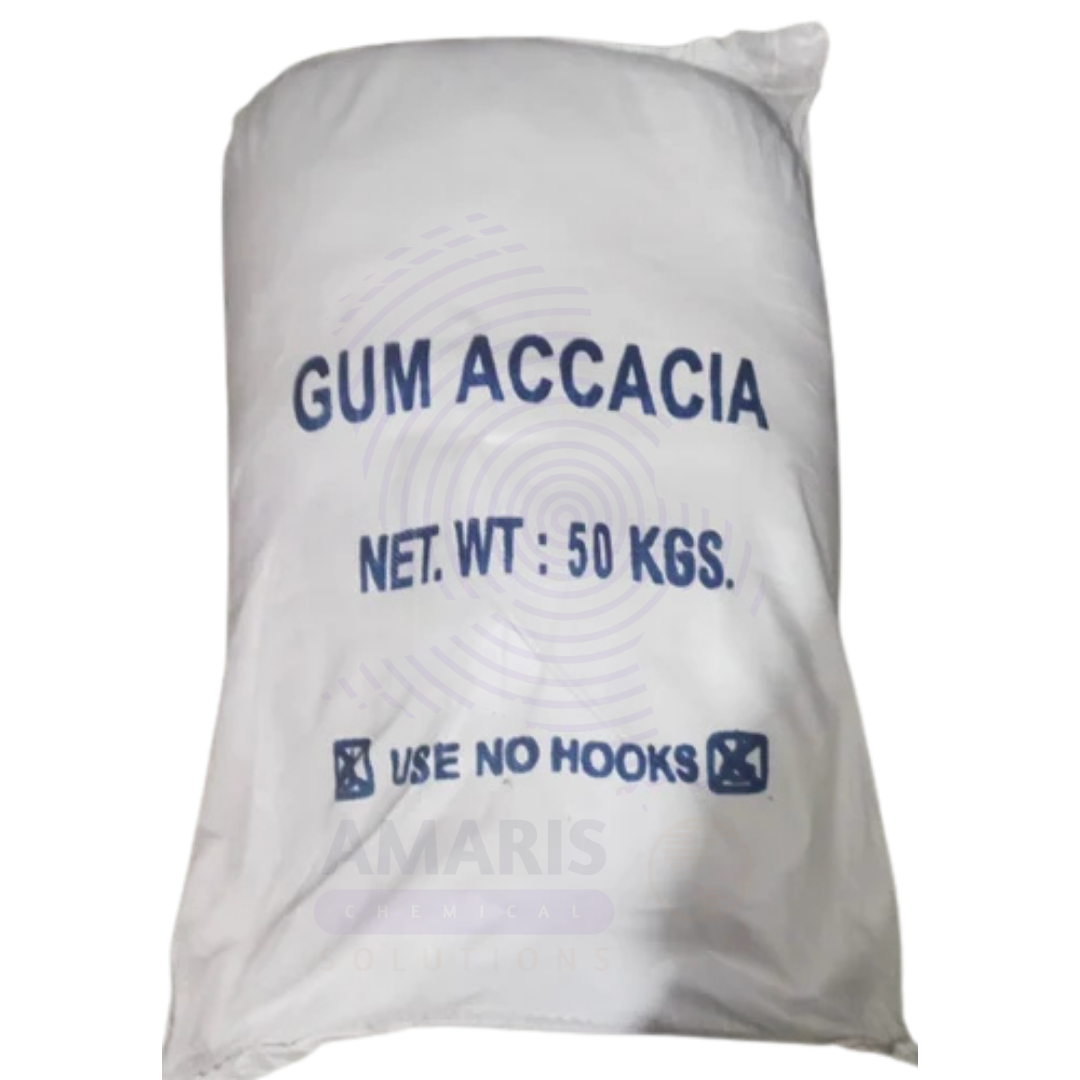


Arabic Gum
$ 6.19
Arabic Gum, also known as Gum Acacia, is a natural gum harvested from the sap of Acacia trees, primarily Acacia senegal and Acacia seyal. It is a complex mixture of polysaccharides and glycoproteins, valued for its excellent emulsifying, stabilizing, and thickening properties. Arabic Gum is water-soluble, forms clear solutions, and is widely used in the food industry as a stabilizer and emulsifier. Additionally, it finds applications in pharmaceuticals, cosmetics, and printing industries due to its biodegradability, non-toxicity, and versatility.
Arabic Gum
Primary Uses
- Food & Beverages
- Emulsifier and stabilizer in soft drinks, confectionery (especially gummy candies), and baked goods.
- Thickening agent in syrups, icings, and sauces to improve texture and mouthfeel.
- Dietary fiber and low-calorie bulking agent.
- Encapsulation of flavors and essential oils for controlled release.
- Pharmaceuticals
- Binder and emulsifier in tablet formulations and suspensions.
- Soothing agent in cough syrups and lozenges.
- Controlled-release agent in drug delivery systems.
- Cosmetics & Personal Care
- Stabilizer and film-former in lotions, creams, and makeup products.
- Provides moisturizing and skin-soothing effects.
- Printing & Textile Industry
- Thickener in printing inks and textile finishing.
- Binder in lithography and printing processes.
Secondary Uses
- Adhesive formulations for natural binding properties.
- Stabilizer in water-based paints.
- Fining agent in alcoholic beverage production.
1. Basic Identification Attributes
- Chemical Name (IUPAC): Complex polysaccharide and glycoprotein mixture
- Common/Trade Names: Arabic Gum, Gum Acacia
- CAS Number: 9000-01-5
- HS Code: 1301.30.00
- Molecular Formula: Variable, complex polysaccharide
- Synonyms: Gum Acacia, Acacia Gum
2. Physical & Chemical Properties
- Physical State: Natural powder or granules
- Color & Odor: Off-white to light brown, odorless or faintly characteristic
- Melting Point: Decomposes before melting
- Boiling Point: N/A
- Density: ~1.56 g/cm³
- Solubility: Highly soluble in cold and hot water, forms viscous solutions
- pH Level: Slightly acidic to neutral (pH 4.5–6.5 in 10% solution)
- Vapor Pressure: Negligible
3. Safety & Hazard Attributes
- Hazard Class (GHS): Generally recognized as safe (GRAS)
- NFPA Ratings: Health 0, Flammability 1, Reactivity 0
- Exposure Limits: No specific OSHA/ACGIH limits
- Reactivity: Stable under normal conditions
- Incompatibilities: Strong oxidizing agents
4. Storage & Handling Attributes
- Storage Conditions: Cool, dry place, protected from moisture
- Container Type: Airtight, moisture-proof containers/bags
- Shelf Life: 2–3 years under proper storage
- Special Handling: Avoid dust formation; use dust masks if handling large quantities
5. Regulatory & Compliance Attributes
- FDA (USA): Approved food additive (21 CFR 184.1330)
- EFSA (EU): Approved as food additive (E414)
- JECFA: Evaluated and approved
- Hazard Symbols (GHS): None
- Transportation Restrictions: Non-hazardous
- Waste Disposal: Non-toxic, biodegradable; dispose as organic waste
6. Environmental & Health Impact
- Ecotoxicity: Low; biodegradable and environmentally friendly
- Persistence: Biodegradable
- Carcinogenicity/Mutagenicity: Not classified as hazardous
- Biodegradability: Readily biodegradable
Safety Handling Precautions
- Use gloves and dust masks to avoid respiratory irritation when handling powder.
- Work in well-ventilated areas to minimize dust exposure.
- Avoid contact with moisture to prevent caking.
- Wash hands after handling.
First Aid Measures
- Inhalation: Move to fresh air; seek medical attention if respiratory irritation persists.
- Skin Contact: Wash with soap and water; seek medical advice if irritation occurs.
- Eye Contact: Rinse thoroughly with water for 15 minutes; consult a physician if irritation continues.
- Ingestion: Generally safe; if large amounts ingested and symptoms occur, seek medical advice.
Firefighting Measures
- Fire Hazards: Slightly combustible; dust may pose explosion hazard.
- Extinguishing Media: Water spray, foam, dry chemical powder.
- Special Precautions: Avoid dust cloud formation; firefighters should wear protective gear and breathing apparatus if dust is present.
Related products
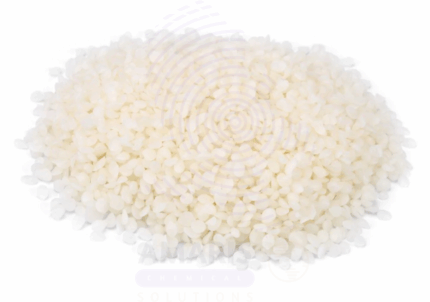
Avocado Wax
Avocado wax is a natural plant-derived wax extracted primarily from the pulp and seed of the avocado fruit (Persea americana). It appears as a hard, yellowish wax with excellent emollient, film-forming, and moisturizing properties. Valued for its biodegradability, compatibility with various formulations, and sustainability, avocado wax is widely used as a natural alternative to synthetic waxes in cosmetics, pharmaceuticals, food, and industrial applications.
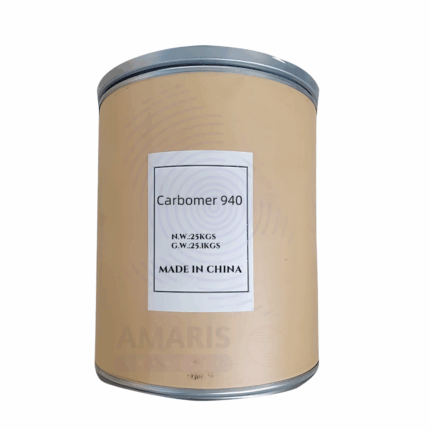
Carbomer
Carbomer is a high molecular weight, crosslinked polyacrylic acid polymer used primarily as a rheology modifier, thickening agent, and suspension stabilizer. Supplied as a fluffy white powder, it exhibits high viscosity and excellent clarity when neutralized and dispersed in water or alcohol-water systems. Carbomer 940 is widely valued for its ability to form clear gels, control flow properties, and stabilize emulsions. It is commonly used in cosmetics, personal care, pharmaceuticals, and household formulations due to its consistency, compatibility, and efficient thickening performance at low concentrations.
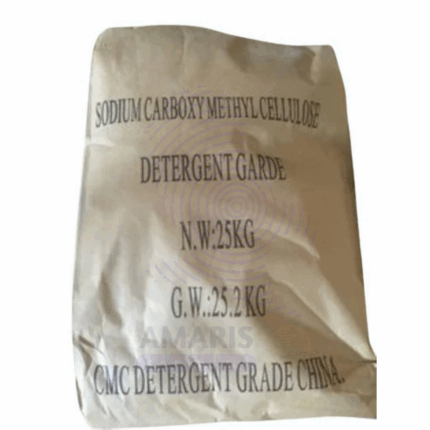
Carboxymethyl Cellulose Detergent Grade
Carboxymethyl Cellulose Detergent Grade is a water-soluble cellulose derivative produced by the etherification of cellulose with monochloroacetic acid. It is a fine, white to off-white powder with excellent thickening, stabilizing, and water retention properties. The detergent grade of CMC is specifically tailored to meet the requirements of laundry and cleaning formulations, offering superior dispersing and anti-redeposition performance. It is biodegradable, non-toxic, and widely used as a functional additive to enhance cleaning efficiency and fabric care in detergent products. Its excellent compatibility with surfactants and enzymes makes it an essential ingredient in both powder and liquid detergents.
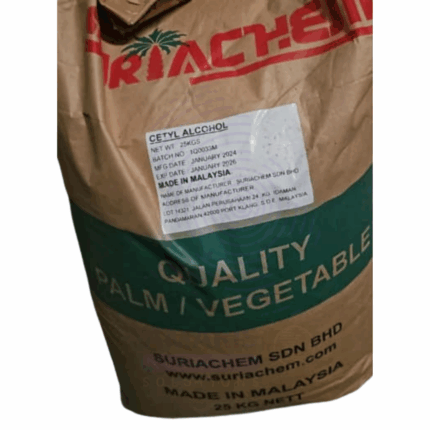
Cetyl Alcohol
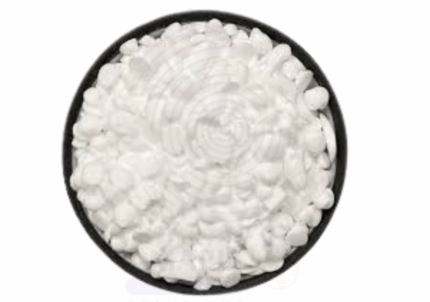
Cetyl Alcohol, also known as 1-Hexadecanol or Palmityl Alcohol, is a fatty alcohol derived primarily from natural sources such as palm oil and coconut oil. It appears as a waxy, white to pale yellow solid with a faint fatty odor. Cetyl Alcohol is widely used in cosmetic, pharmaceutical, and industrial formulations due to its emollient, emulsifying, thickening, and stabilizing properties. It helps improve texture, consistency, and moisturizing effects in personal care products. Cetyl Alcohol is compatible with many ingredients, making it a versatile multifunctional ingredient.
Cetyl Alcohol Flakes
Cetyl Alcohol Flakes is a high-purity fatty alcohol derived mainly from natural sources such as palm oil and coconut oil. Presented as white to off-white waxy flakes, this product contains at least 98% pure cetyl alcohol, ensuring consistent performance and quality. It is valued for its excellent emollient, thickening, and emulsifying properties and is widely used in personal care, pharmaceutical, and industrial formulations. The flake form facilitates easy handling, melting, and dosing in manufacturing processes. Cetyl Alcohol 98% Flakes contributes to the texture, stability, and moisturizing properties of various formulations, providing a non-greasy, smooth finish.
Guar Gum
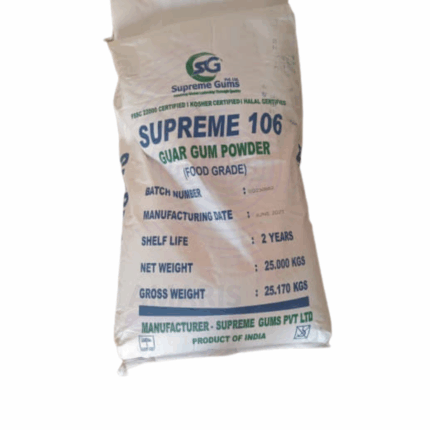
Guar Gum is a natural polysaccharide extracted from the endosperm of the guar bean (Cyamopsis tetragonoloba). It appears as an off-white to cream-colored powder with a neutral odor and bland taste. Guar Gum is a galactomannan composed mainly of mannose and galactose units, known for its excellent water-binding, thickening, and stabilizing properties. It forms highly viscous solutions even at low concentrations, making it a versatile hydrocolloid used widely across food, pharmaceutical, cosmetic, oilfield, and industrial applications.
Pullulan
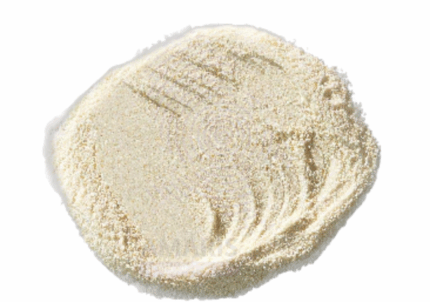
Pullulan is a natural polysaccharide polymer produced by the fermentation of starch by the fungus Aureobasidium pullulans. It is a water-soluble, tasteless, and odorless biopolymer widely used in the food, pharmaceutical, and cosmetic industries due to its excellent film-forming, adhesive, and oxygen barrier properties. Pullulan is biodegradable, non-toxic, and approved for use in various applications requiring edible and biodegradable films.
Sodium Carboxymethyl Cellulose
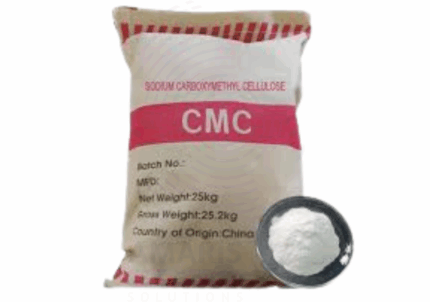
Sodium Carboxymethyl Cellulose , is a water-soluble anionic cellulose ether derived from natural cellulose. It appears as a white to off-white, odorless, tasteless powder or granule. Known for its excellent thickening, stabilizing, emulsifying, and water-retention properties, CMC is widely used in food, pharmaceutical, personal care, industrial, and detergent applications. It functions by modifying the rheological properties of solutions and suspensions, offering control over viscosity and flow. Its biocompatibility, non-toxicity, and biodegradability make it suitable for both human use and environmentally friendly formulations.












