

 Preservatives(food)
 Flavors
 Acidulants
 Sweeteners
 Antioxidants
 Colorants(food)
 Nutraceutical Ingredients (food)
 Nutrient Supplements
 Emulsifiers
 Collectors
 Dust Suppressants
 Explosives and Blasting Agents
 Flocculants and Coagulants
 Frothers
 Leaching Agents
 pH Modifiers
 Precious Metal Extraction Agents
 Antioxidants(plastic)
 Colorants (Pigments, Dyes)
 Fillers and Reinforcements
 Flame Retardants
 Monomers
 Plasticizers
 Polymerization Initiators
 Stabilizers (UV, Heat)
 Antifoaming Agents
 Chelating Agents
 Coagulants and Flocculants
 Corrosion Inhibitors
 Disinfectants and Biocides
 Oxidizing Agents
 pH Adjusters
 Scale Inhibitors( water)
 Antioxidants(cosmetic)
 Emollients
 Oils
Oils Carrier Oills
 Essential Oils
 Humectants
 Preservatives
 Surfactants(cosmetic)
 Thickeners
 UV Filters
 Fragrance (Cosmetics)
 Fertilizers
 Soil Conditioners
 Plant Growth Regulators
 Animal Feed Additives
 Biostimulants
 Pesticides (Herbicides, Insecticides, Fungicides)
 Active Pharmaceutical Ingredients (APIs)
 Excipients
 Solvents(pharmaceutical)
 Antibiotics
 Antiseptics and Disinfectants
 Vaccine Adjuvants
 Nutraceutical Ingredients (pharmaceutical)
 Analgesics & Antipyretics
 Analytical Reagents
 Solvents(lab)
 Chromatography Chemicals
 Spectroscopy Reagents
 microbiology-and-cell-culture-reagents
 Molecular Biology Reagents
 Biochemical Reagents
 Inorganic and Organic Standards
 Laboratory Safety Chemicals
 Specialty Laboratory Chemicals(Special Laboratory Equipment)
 Demulsifiers
 Hydraulic Fracturing Fluids
 Scale Inhibitors(oil)
 Surfactants(oil)
 Drilling Fluids
 Dyes and Pigments
 Bleaching Agents
 Softening Agents
 Finishing Agents
 Antistatic Agents
 Admixtures
 Waterproofing Agents
 Sealants and Adhesives
 Curing Compounds
 Concrete Repair Chemicals
 Anti-Corrosion Coatings
 Surfactants(cleaning)
 Builders
 Enzymes
 Solvents (Cleaning)
 Electronic Chemicals
 Catalysts
 Lubricants
 Photographic Chemicals
 Refrigerants
 Automotive chemicals
 Pyrotechnic Chemicals
 Biodegradable Surfactants
 Bio-based Solvents
 Renewable Polymers
 Carbon Capture Chemicals
 Wastewater Treatment Chemicals
 Pigments
 Solvents(paint)
 Specialty Coatings
 Binders/Resins
 Additives
 Driers
 Anti-Corrosion Agents
 Functional Coatings
 Application-Specific Coatings
 Leavening Agents
 Dough Conditioners
 Flour Treatments
 Fat Replacers
 Decoratives
 Preservatives(baking)
 Plasticizers & Softeners
 Reinforcing Agents
 Adhesion Promoters
 Vulcanizing Agents
 Antidegradants
 Blowing Agents
 Fillers & Extenders
 Accelerators & Retarders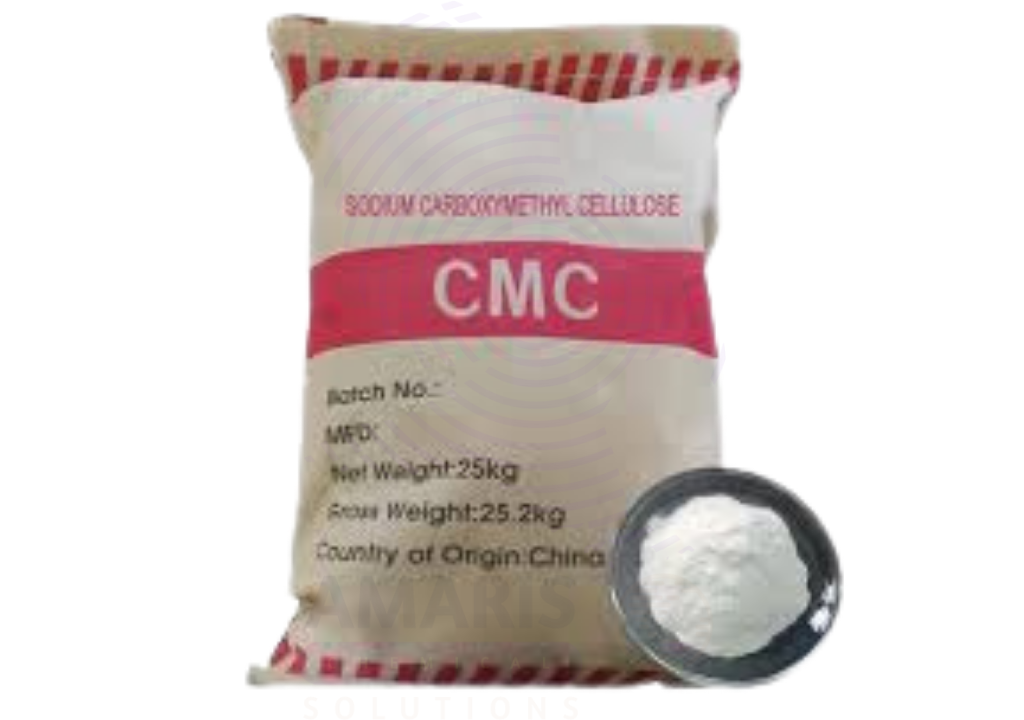


Sodium Carboxymethyl Cellulose
$ 1.00
Sodium Carboxymethyl Cellulose , is a water-soluble anionic cellulose ether derived from natural cellulose. It appears as a white to off-white, odorless, tasteless powder or granule. Known for its excellent thickening, stabilizing, emulsifying, and water-retention properties, CMC is widely used in food, pharmaceutical, personal care, industrial, and detergent applications. It functions by modifying the rheological properties of solutions and suspensions, offering control over viscosity and flow. Its biocompatibility, non-toxicity, and biodegradability make it suitable for both human use and environmentally friendly formulations.
Sodium Carboxymethyl Cellulose
Primary Uses
- Food Industry (as Food Grade CMC)
- Used as a thickener, stabilizer, and emulsifier in products like ice cream, yogurt, jelly, bakery fillings, sauces, and beverages.
- Prevents ice crystal formation in frozen desserts and improves mouthfeel.
- Acts as a fat replacer in low-fat and calorie-reduced foods.
- Provides suspension stability in flavored milk and juice drinks.
- Designated as E466 in the EU as a permitted food additive.
- Pharmaceuticals
- Used as a binder, disintegrant, and stabilizer in tablets and capsules.
- Acts as a thickener in oral suspensions, syrups, creams, and gels.
- Improves mucoadhesion in oral and topical formulations for prolonged contact.
- Used in wound care products as a moisture-retentive agent.
- Personal Care & Cosmetics
- Functions as a viscosity modifier and stabilizer in lotions, creams, toothpaste, shampoos, and hair gels.
- Provides film-forming and conditioning effects in skin and hair care formulations.
- Offers stabilization for emulsions and suspensions in cosmetics.
- Detergents & Household Products (Detergent Grade CMC)
- Prevents soil redeposition on fabrics during washing.
- Enhances suspension stability in liquid detergents and cleaners.
- Improves viscosity and texture in cleaning pastes and gels.
- Industrial Applications
- Used in paper manufacturing as a surface sizing agent to improve printability and strength.
- In textile printing, it acts as a thickener for dye pastes.
- Serves as a binder and film former in ceramics, adhesives, and coatings.
- Used in paint and coatings for viscosity control and dispersion stability.
Secondary Uses
- Oil & Gas Industry
- Used in drilling fluids as a viscosity modifier and fluid loss reducer.
- Improves the stability of drilling muds under varying temperature and pressure conditions.
- Construction
- Acts as a water-retaining agent and binder in cement, mortar, and plaster formulations.
- Enhances workability, reduces cracking, and improves adhesion.
- Agriculture
- Used in pesticide formulations for improved suspension and application.
- Acts as a soil conditioner to enhance water retention in dry soils.
- Printing Inks
- Improves flow properties and suspension stability in water-based inks.
- Biomedical Research
- Used in hydrogels and tissue engineering for drug delivery systems and scaffolding due to its biocompatibility and gel-forming ability.
1. Basic Identification Attributes
- Chemical Name (IUPAC): Sodium carboxymethyl cellulose
- Common/Trade Name: CMC Sodium
- CAS Number: 9004-32-4
- HS Code: 3912.31.00
- Molecular Formula: Variable (C₆H₇O₂(OH)₂CH₂COONa)n
- Synonyms:
- Sodium CMC
- Carboxymethylcellulose sodium
- Cellulose gum
- E466 (food grade)
2. Physical & Chemical Properties
- Physical State: Powder or granules
- Color & Odor: White to off-white; odorless and tasteless
- Solubility: Freely soluble in cold or hot water; insoluble in most organic solvents
- pH (1% solution): 6.0–8.5
- Viscosity: Ranges from 10 to 10,000 cps depending on grade and concentration
- Moisture Content: Typically ≤10%
- Stability: Stable under normal conditions; hygroscopic
3. Safety & Hazard Attributes
- Hazard Class (GHS): Not classified as hazardous
- NFPA Ratings:
- Health: 0
- Flammability: 1
- Reactivity: 0
- Exposure Limits: Not established; considered safe under normal use
- Toxicity: Non-toxic, non-sensitizing, and non-irritant in typical use concentration
- Reactivity: Inert under normal conditions
4. Storage & Handling Attributes
- Storage Conditions: Store in a cool, dry area in tightly closed containers
- Container Type: Paper or plastic bags with moisture-proof lining or drums
- Shelf Life: Up to 2 years when stored properly
- Special Handling: Avoid contact with moisture; use dust protection during handling
5. Regulatory & Compliance Attributes
- FDA Status: GRAS (Generally Recognized As Safe) under 21 CFR §182.1745 (for food use)
- EU Food Additive Code: E466
- REACH Status: Registered
- Transportation: Not regulated as hazardous material
- Waste Disposal: Biodegradable; dispose in accordance with local regulations
6. Environmental & Health Impact
- Ecotoxicity: Low environmental risk; safe for aquatic and terrestrial environments
- Persistence: Biodegradable
- Bioaccumulation: Not expected
- Carcinogenicity/Mutagenicity: Not classified as carcinogenic or mutagenic
- Biodegradability: Readily biodegradable under aerobic conditions
Safety Handling Precautions
PPE:
- Dust mask
- Safety goggles
- Gloves if prolonged handling is expected
Handling Measures:
- Avoid dust generation
- Ensure adequate ventilation
- Do not mix with strong oxidizers
Storage Measures:
- Keep container tightly sealed
- Avoid humidity and direct contact with moisture
- Use FIFO inventory method
Hygiene Practices:
- Wash hands after handling
- Avoid eating or drinking while handling
First Aid Measures
- Inhalation: Move to fresh air; rinse mouth; seek medical help if irritation occurs
- Skin Contact: Wash with soap and water; seek attention if irritation persists
- Eye Contact: Flush eyes with water for at least 15 minutes; seek medical advice if needed
- Ingestion: Non-toxic in small amounts; rinse mouth and drink water; seek help if large quantity is ingested
Firefighting Measures
- Fire Hazards: Combustible at high temperatures
- Extinguishing Media: Water spray, foam, CO₂, or dry chemical
- Special Precautions: Firefighters should wear protective equipment and breathing apparatus
- Decomposition Products: May emit carbon monoxide and carbon dioxide when burned
Related products
Bentonite Powder
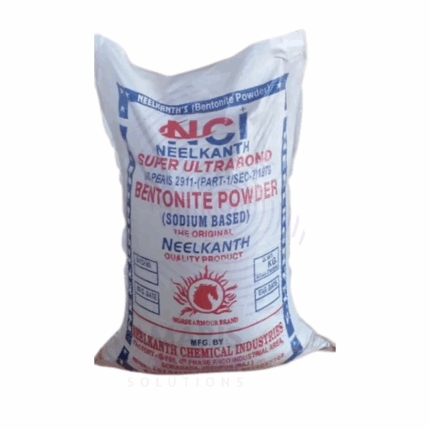
Bentonite powder is a naturally occurring absorbent clay primarily composed of montmorillonite, a type of smectite clay mineral. It exhibits excellent swelling and water absorption properties, making it highly versatile in industrial and commercial applications. Bentonite forms a gel-like substance when mixed with water, which imparts viscosity and plasticity. It is used extensively for its binding, sealing, and adsorptive characteristics. Its fine powder form allows for easy incorporation in various processes including drilling, foundry, cosmetics, pharmaceuticals, and agriculture.
Carboxymethyl Cellulose Detergent Grade
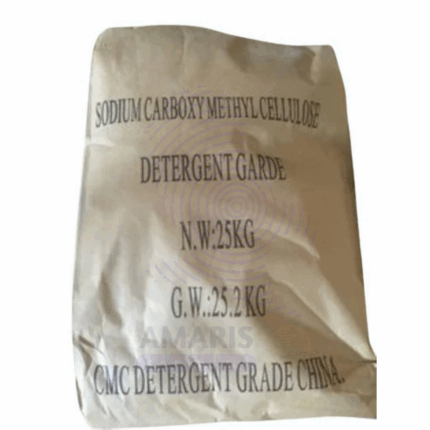
Carboxymethyl Cellulose Detergent Grade is a water-soluble cellulose derivative produced by the etherification of cellulose with monochloroacetic acid. It is a fine, white to off-white powder with excellent thickening, stabilizing, and water retention properties. The detergent grade of CMC is specifically tailored to meet the requirements of laundry and cleaning formulations, offering superior dispersing and anti-redeposition performance. It is biodegradable, non-toxic, and widely used as a functional additive to enhance cleaning efficiency and fabric care in detergent products. Its excellent compatibility with surfactants and enzymes makes it an essential ingredient in both powder and liquid detergents.
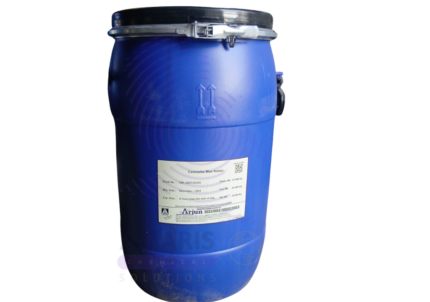
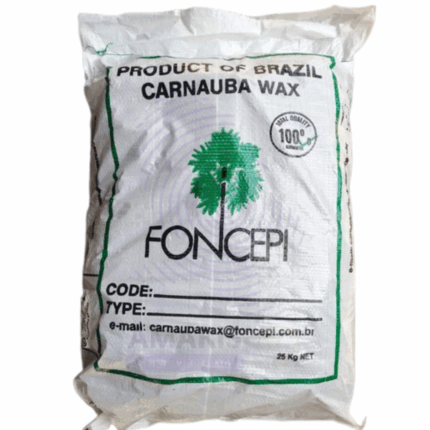
Carnauba Wax
Carnauba Wax is a natural vegetable wax obtained from the leaves of the Copernicia prunifera palm tree, native to northeastern Brazil. It appears as a hard, brittle, yellow to brownish-yellow wax with a faint, characteristic odor. Known as the “queen of waxes,” Carnauba Wax is prized for its exceptionally high melting point, glossy finish, and excellent hardness. It is a premium wax widely used in cosmetics, food, pharmaceuticals, automotive, and industrial applications as a natural, biodegradable alternative to synthetic waxes. Its film-forming, emulsifying, and protective properties make it highly versatile for use in coatings, polishes, and skincare products.
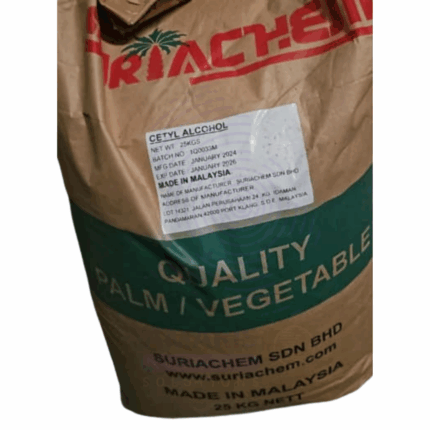
Cetyl Alcohol
Cetyl Alcohol, also known as 1-Hexadecanol or Palmityl Alcohol, is a fatty alcohol derived primarily from natural sources such as palm oil and coconut oil. It appears as a waxy, white to pale yellow solid with a faint fatty odor. Cetyl Alcohol is widely used in cosmetic, pharmaceutical, and industrial formulations due to its emollient, emulsifying, thickening, and stabilizing properties. It helps improve texture, consistency, and moisturizing effects in personal care products. Cetyl Alcohol is compatible with many ingredients, making it a versatile multifunctional ingredient.
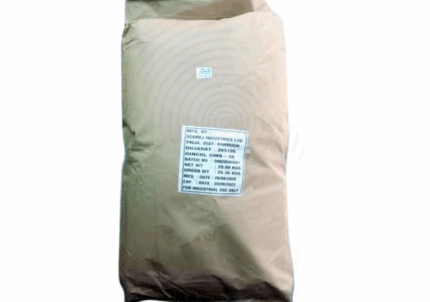
Cetyl Palmitate
Cetyl Palmitate is a naturally derived ester formed by the reaction of cetyl alcohol and palmitic acid. It appears as a white to off-white waxy solid with a mild fatty odor. This compound is widely used in cosmetic, pharmaceutical, and industrial formulations for its emollient, thickening, and texture-enhancing properties. Cetyl Palmitate imparts a smooth, creamy feel to products and contributes to improved stability and consistency in creams, lotions, balms, and ointments. Its film-forming and skin-conditioning attributes make it a preferred ingredient in personal care products as well as in specialty industrial applications.
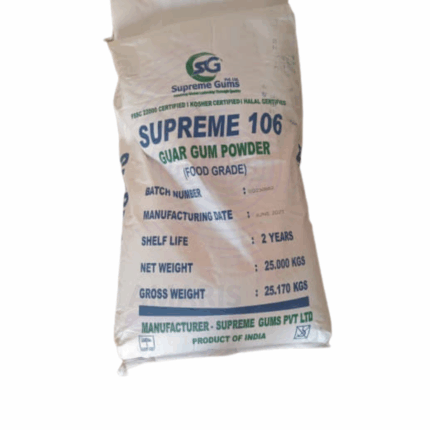
Guar Gum
Guar Gum is a natural polysaccharide extracted from the endosperm of the guar bean (Cyamopsis tetragonoloba). It appears as an off-white to cream-colored powder with a neutral odor and bland taste. Guar Gum is a galactomannan composed mainly of mannose and galactose units, known for its excellent water-binding, thickening, and stabilizing properties. It forms highly viscous solutions even at low concentrations, making it a versatile hydrocolloid used widely across food, pharmaceutical, cosmetic, oilfield, and industrial applications.
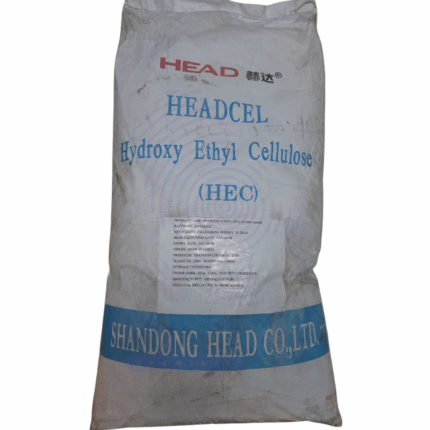
Hydroxyethyl Cellulose
Hydroxyethyl Cellulose , marketed under brand names such as Natrosol, is a non-ionic, water-soluble polymer derived from cellulose by reacting alkali cellulose with ethylene oxide. It appears as a white to off-white, free-flowing powder with excellent thickening, binding, and film-forming properties. HEC is widely used as a rheology modifier and stabilizer due to its high water retention, solubility, and compatibility with a broad range of ingredients. It is valued in many industries including cosmetics, pharmaceuticals, paints, adhesives, and personal care products.
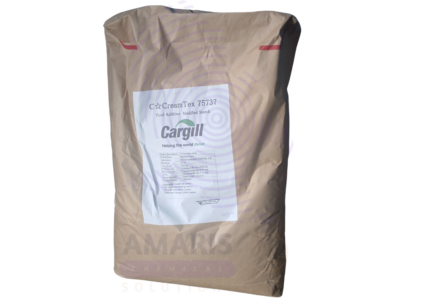
Modified Starch
Modified Starch is a chemically modified, food-grade starch designed to enhance texture, stability, and clarity in various food and industrial applications. It provides excellent thickening, gelling, and stabilizing properties, while maintaining clarity in finished products. The modification improves resistance to heat, acid, and shear, making it ideal for complex processing conditions. Clearam CH 4020 is widely used in processed foods, beverages, pharmaceuticals, and personal care products.












