

 Preservatives(food)
 Flavors
 Acidulants
 Sweeteners
 Antioxidants
 Colorants(food)
 Nutraceutical Ingredients (food)
 Nutrient Supplements
 Emulsifiers
 Collectors
 Dust Suppressants
 Explosives and Blasting Agents
 Flocculants and Coagulants
 Frothers
 Leaching Agents
 pH Modifiers
 Precious Metal Extraction Agents
 Antioxidants(plastic)
 Colorants (Pigments, Dyes)
 Fillers and Reinforcements
 Flame Retardants
 Monomers
 Plasticizers
 Polymerization Initiators
 Stabilizers (UV, Heat)
 Antifoaming Agents
 Chelating Agents
 Coagulants and Flocculants
 Corrosion Inhibitors
 Disinfectants and Biocides
 Oxidizing Agents
 pH Adjusters
 Scale Inhibitors( water)
 Antioxidants(cosmetic)
 Emollients
 Oils
Oils Carrier Oills
 Essential Oils
 Humectants
 Preservatives
 Surfactants(cosmetic)
 Thickeners
 UV Filters
 Fragrance (Cosmetics)
 Fertilizers
 Soil Conditioners
 Plant Growth Regulators
 Animal Feed Additives
 Biostimulants
 Pesticides (Herbicides, Insecticides, Fungicides)
 Active Pharmaceutical Ingredients (APIs)
 Excipients
 Solvents(pharmaceutical)
 Antibiotics
 Antiseptics and Disinfectants
 Vaccine Adjuvants
 Nutraceutical Ingredients (pharmaceutical)
 Analgesics & Antipyretics
 Analytical Reagents
 Solvents(lab)
 Chromatography Chemicals
 Spectroscopy Reagents
 microbiology-and-cell-culture-reagents
 Molecular Biology Reagents
 Biochemical Reagents
 Inorganic and Organic Standards
 Laboratory Safety Chemicals
 Specialty Laboratory Chemicals(Special Laboratory Equipment)
 Demulsifiers
 Hydraulic Fracturing Fluids
 Scale Inhibitors(oil)
 Surfactants(oil)
 Drilling Fluids
 Dyes and Pigments
 Bleaching Agents
 Softening Agents
 Finishing Agents
 Antistatic Agents
 Admixtures
 Waterproofing Agents
 Sealants and Adhesives
 Curing Compounds
 Concrete Repair Chemicals
 Anti-Corrosion Coatings
 Surfactants(cleaning)
 Builders
 Enzymes
 Solvents (Cleaning)
 Electronic Chemicals
 Catalysts
 Lubricants
 Photographic Chemicals
 Refrigerants
 Automotive chemicals
 Pyrotechnic Chemicals
 Biodegradable Surfactants
 Bio-based Solvents
 Renewable Polymers
 Carbon Capture Chemicals
 Wastewater Treatment Chemicals
 Pigments
 Solvents(paint)
 Specialty Coatings
 Binders/Resins
 Additives
 Driers
 Anti-Corrosion Agents
 Functional Coatings
 Application-Specific Coatings
 Leavening Agents
 Dough Conditioners
 Flour Treatments
 Fat Replacers
 Decoratives
 Preservatives(baking)
 Plasticizers & Softeners
 Reinforcing Agents
 Adhesion Promoters
 Vulcanizing Agents
 Antidegradants
 Blowing Agents
 Fillers & Extenders
 Accelerators & Retarders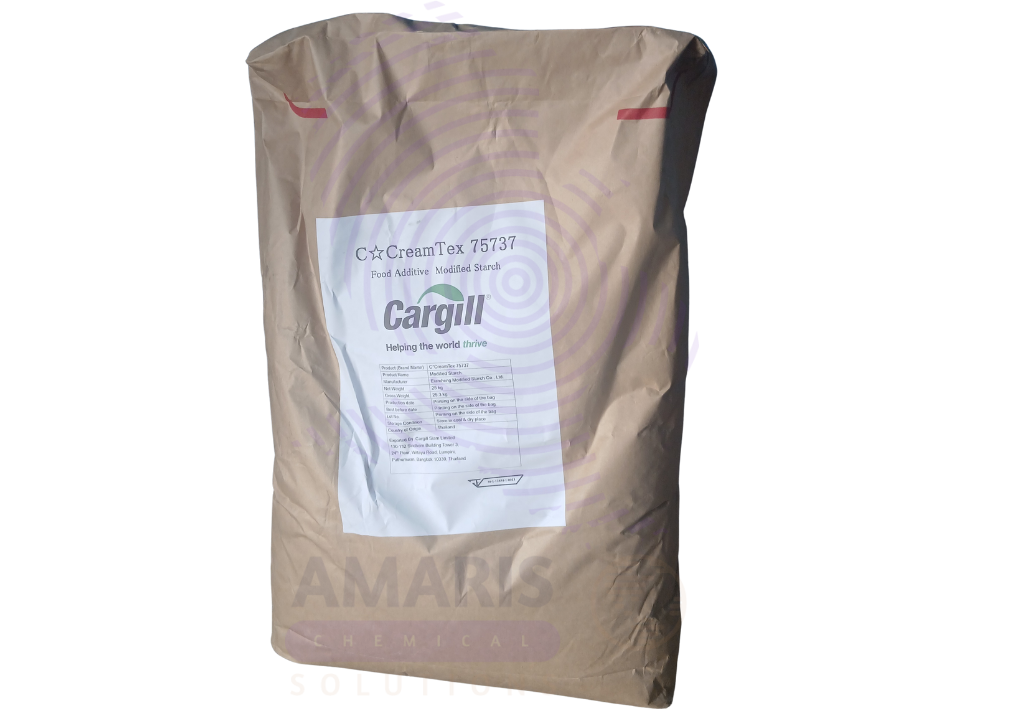

Modified Starch
Original price was: $ 4.40.$ 4.33Current price is: $ 4.33.
Modified Starch is a chemically modified, food-grade starch designed to enhance texture, stability, and clarity in various food and industrial applications. It provides excellent thickening, gelling, and stabilizing properties, while maintaining clarity in finished products. The modification improves resistance to heat, acid, and shear, making it ideal for complex processing conditions. Clearam CH 4020 is widely used in processed foods, beverages, pharmaceuticals, and personal care products.
Modified Starch
Primary Uses
- Food Industry
- Thickener and stabilizer in sauces, soups, gravies, and dressings.
- Improves texture and mouthfeel in dairy products such as yogurt and cream.
- Used in canned foods and ready meals to maintain consistency during processing and storage.
- Enhances clarity and viscosity in clear beverages and fruit juices.
- Baking and Confectionery
- Acts as a binder and moisture retainer in bakery fillings, icings, and confections.
- Provides freeze-thaw stability in frozen desserts and bakery goods.
- Pharmaceuticals
- Excipient in tablet formulations as a binder and disintegrant.
- Used in suspensions and syrups for viscosity control and stability.
Secondary Uses
- Personal Care Products
- Thickener and stabilizer in lotions, creams, and gels.
- Enhances texture and sensory feel in cosmetics and toiletries.
- Industrial Applications
- Used in paper coating formulations for improved surface properties.
- Employed in adhesives for controlled viscosity and film formation.
- Nutraceuticals
- Stabilizes liquid supplements and enhances bioavailability of active compounds.
1. Basic Identification Attributes
- Chemical Name (IUPAC): Modified starch (hydroxypropylated or other substitution types)
- Common/Trade Name: Modified Starch Clearam CH 4020
- CAS Number: Typically mixture; depends on starch source
- HS Code: 3505.10 (Dextrins and other modified starches)
- Synonyms: Modified food starch; Clearam CH 4020
2. Physical & Chemical Properties
- Physical State: Fine powder
- Color & Odor: White to off-white; odorless or faint characteristic starch odor
- Solubility: Dispersible in cold water; forms clear gel upon heating
- Particle Size: Typically 10–50 microns
- Functional Properties: Heat stable, acid resistant, shear resistant
3. Safety & Hazard Attributes
- GHS Classification: Not classified as hazardous
- Toxicity: Generally recognized as safe (GRAS) for food and cosmetic use
- Exposure Limits: No specific limits; standard hygiene practices recommended
4. Storage & Handling Attributes
- Storage Conditions: Store in a cool, dry place away from moisture and contaminants
- Container Type: Supplied in kraft paper bags with polyethylene lining or bulk containers
- Shelf Life: Typically 12–24 months if stored properly
- Handling Precautions: Avoid dust formation; use dust masks if necessary
5. Regulatory & Compliance Attributes
- Complies with FDA food additive regulations (21 CFR)
- Meets Codex Alimentarius standards for modified starches
- Approved for use in EU, Japan, and other major markets
6. Environmental & Health Impact
- Biodegradability: Fully biodegradable, environmentally friendly
- Ecotoxicity: Low environmental impact
- Bioaccumulation: Not applicable
- Carcinogenicity/Mutagenicity: Not classified as hazardous
Safety Handling Precautions
- PPE Required: Dust masks and gloves recommended during handling of powder
- Handling Guidelines: Use in well-ventilated areas; avoid inhalation of dust
- Storage Measures: Keep containers tightly closed; protect from moisture
First Aid Measures
- Inhalation: Move to fresh air if irritation occurs
- Skin Contact: Wash with soap and water if irritation develops
- Eye Contact: Rinse with water for at least 15 minutes; seek medical advice if irritation persists
- Ingestion: Generally safe; seek medical advice if large amounts ingested
Firefighting Measures
- Fire Hazards: Combustible dust; avoid dust cloud formation
- Extinguishing Media: Water spray, foam, dry chemical
- Special Precautions: Use breathing apparatus if dust is present
- Hazardous Combustion Products: Carbon oxides
Related products
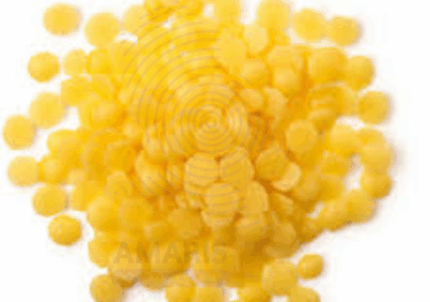
Candelilla Wax
Candelilla Wax is a natural vegetable wax derived from the leaves of the Euphorbia cerifera shrub, native to northern Mexico and the southwestern United States. It appears as a hard, brittle, light yellow to brown wax with a mild, characteristic odor. This wax is valued for its high melting point, gloss-enhancing properties, and excellent binding capabilities. It is widely used in cosmetics, pharmaceuticals, food, and industrial applications as a vegan alternative to beeswax. Its film-forming, emollient, and stabilizing attributes make it a multifunctional ingredient across several industries.
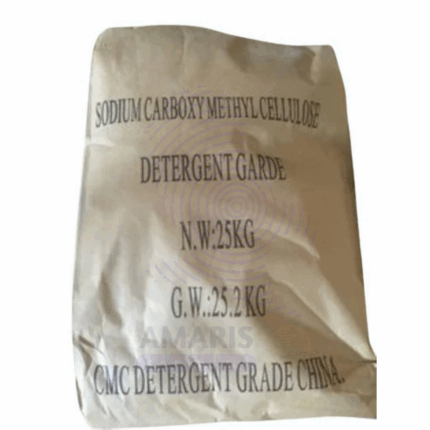
Carboxymethyl Cellulose Detergent Grade
Carboxymethyl Cellulose Detergent Grade is a water-soluble cellulose derivative produced by the etherification of cellulose with monochloroacetic acid. It is a fine, white to off-white powder with excellent thickening, stabilizing, and water retention properties. The detergent grade of CMC is specifically tailored to meet the requirements of laundry and cleaning formulations, offering superior dispersing and anti-redeposition performance. It is biodegradable, non-toxic, and widely used as a functional additive to enhance cleaning efficiency and fabric care in detergent products. Its excellent compatibility with surfactants and enzymes makes it an essential ingredient in both powder and liquid detergents.
Cetyl Palmitate
Cetyl Palmitate is a naturally derived ester formed by the reaction of cetyl alcohol and palmitic acid. It appears as a white to off-white waxy solid with a mild fatty odor. This compound is widely used in cosmetic, pharmaceutical, and industrial formulations for its emollient, thickening, and texture-enhancing properties. Cetyl Palmitate imparts a smooth, creamy feel to products and contributes to improved stability and consistency in creams, lotions, balms, and ointments. Its film-forming and skin-conditioning attributes make it a preferred ingredient in personal care products as well as in specialty industrial applications.
Desgel HG (Carbomer)
Desgel HG is a high-purity Carbomer-based thickening agent, widely used in pharmaceutical, cosmetic, and personal care formulations. It is a cross-linked polyacrylic acid polymer, neutralized to form high-viscosity gels with excellent clarity and stability. Desgel HG is prized for its thickening, suspending, emulsifying, and stabilizing capabilities, especially in aqueous and hydroalcoholic systems. It is highly efficient at low concentrations and compatible with a wide pH range (when neutralized). This makes it ideal for use in gels, creams, lotions, hand sanitizers, topical formulations, and other semi-solid systems.
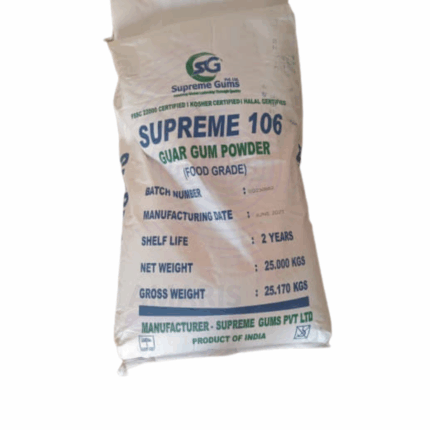
Guar Gum
Guar Gum is a natural polysaccharide extracted from the endosperm of the guar bean (Cyamopsis tetragonoloba). It appears as an off-white to cream-colored powder with a neutral odor and bland taste. Guar Gum is a galactomannan composed mainly of mannose and galactose units, known for its excellent water-binding, thickening, and stabilizing properties. It forms highly viscous solutions even at low concentrations, making it a versatile hydrocolloid used widely across food, pharmaceutical, cosmetic, oilfield, and industrial applications.
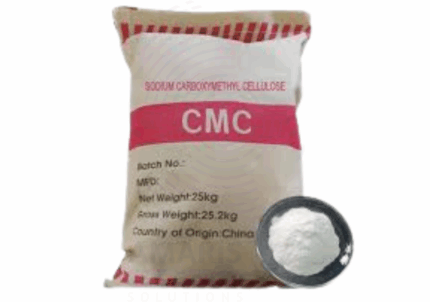
Sodium Carboxymethyl Cellulose
Sodium Carboxymethyl Cellulose , is a water-soluble anionic cellulose ether derived from natural cellulose. It appears as a white to off-white, odorless, tasteless powder or granule. Known for its excellent thickening, stabilizing, emulsifying, and water-retention properties, CMC is widely used in food, pharmaceutical, personal care, industrial, and detergent applications. It functions by modifying the rheological properties of solutions and suspensions, offering control over viscosity and flow. Its biocompatibility, non-toxicity, and biodegradability make it suitable for both human use and environmentally friendly formulations.
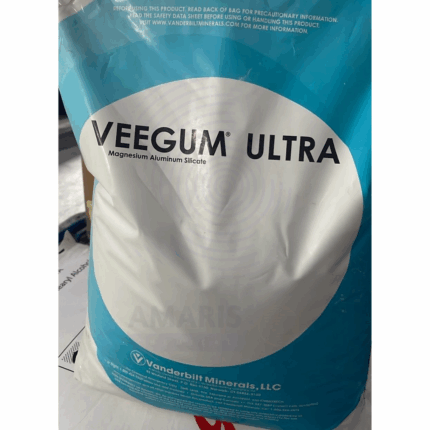
Veegum
Veegum is a purified magnesium aluminum silicate clay known for its excellent suspending, thickening, and stabilizing properties. It is widely used in pharmaceuticals, cosmetics, and industrial applications as a rheology modifier, suspension stabilizer, and emulsifier. Veegum enhances the texture, consistency, and stability of formulations, providing improved performance in both liquid and semi-solid systems.
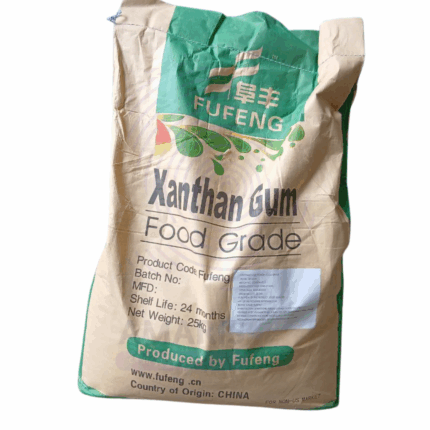
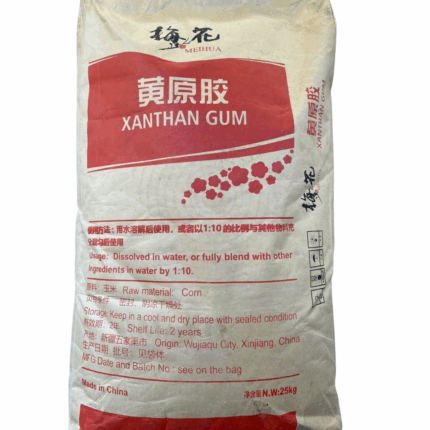
Xantham Gum
Xantham Gum is a high-molecular-weight polysaccharide produced by fermentation of glucose or sucrose by the bacterium Xanthomonas campestris. It is widely used as a thickening, stabilizing, and emulsifying agent in various industries due to its excellent viscosity properties, even at low concentrations. Xanthan Gum imparts improved texture, consistency, and shelf life to finished products, making it indispensable in food, pharmaceutical, cosmetic, and industrial formulations.












