

 Preservatives(food)
 Flavor Enhancers
 Acidulants
 Sweeteners
 Antioxidants
 Colorants(food)
 Nutraceutical Ingredients (food)
 Nutrient Supplements
 Emulsifiers
 Collectors
 Dust Suppressants
 Explosives and Blasting Agents
 Flocculants and Coagulants
 Frothers
 Leaching Agents
 pH Modifiers
 Precious Metal Extraction Agents
 Antioxidants(plastic)
 Colorants (Pigments, Dyes)
 Fillers and Reinforcements
 Flame Retardants
 Monomers
 Plasticizers
 Polymerization Initiators
 Stabilizers (UV, Heat)
 Antifoaming Agents
 Chelating Agents
 Coagulants and Flocculants
 Corrosion Inhibitors
 Disinfectants and Biocides
 Oxidizing Agents
 pH Adjusters
 Scale Inhibitors( water)
 Antioxidants(cosmetic)
 Emollients
 Fragrances and Essential Oils
 Humectants
 Preservatives
 Surfactants(cosmetic)
 Thickeners
 UV Filters
 Fertilizers
 Soil Conditioners
 Plant Growth Regulators
 Animal Feed Additives
 Biostimulants
 Pesticides (Herbicides, Insecticides, Fungicides)
 Active Pharmaceutical Ingredients (APIs)
 Excipients
 Solvents(pharmaceutical)
 Antibiotics
 Antiseptics and Disinfectants
 Vaccine Adjuvants
 Nutraceutical Ingredients (pharmaceutical)
 Analgesics & Antipyretics
 Analytical Reagents
 Solvents(lab)
 Chromatography Chemicals
 Spectroscopy Reagents
 microbiology-and-cell-culture-reagents
 Molecular Biology Reagents
 Biochemical Reagents
 Inorganic and Organic Standards
 Laboratory Safety Chemicals
 Specialty Laboratory Chemicals(Special Laboratory Equipment)
 Demulsifiers
 Hydraulic Fracturing Fluids
 Scale Inhibitors(oil)
 Surfactants(oil)
 Drilling Fluids
 Dyes and Pigments
 Bleaching Agents
 Softening Agents
 Finishing Agents
 Antistatic Agents
 Admixtures
 Waterproofing Agents
 Sealants and Adhesives
 Curing Compounds
 Concrete Repair Chemicals
 Anti-Corrosion Coatings
 Surfactants(cleaning)
 Builders
 Enzymes
 Solvents (Cleaning)
 Fragrances
 Electronic Chemicals
 Catalysts
 Lubricants
 Photographic Chemicals
 Refrigerants
 Automotive chemicals
 Pyrotechnic Chemicals
 Biodegradable Surfactants
 Bio-based Solvents
 Renewable Polymers
 Carbon Capture Chemicals
 Wastewater Treatment Chemicals
 Pigments
 Solvents(paint)
 Specialty Coatings
 Binders/Resins
 Additives
 Driers
 Anti-Corrosion Agents
 Functional Coatings
 Application-Specific Coatings
 Leavening Agents
 Dough Conditioners
 Flour Treatments
 Fat Replacers
 Decoratives
 Preservatives(baking)
 Plasticizers & Softeners
 Reinforcing Agents
 Adhesion Promoters
 Vulcanizing Agents
 Antidegradants
 Blowing Agents
 Fillers & Extenders
 Accelerators & Retarders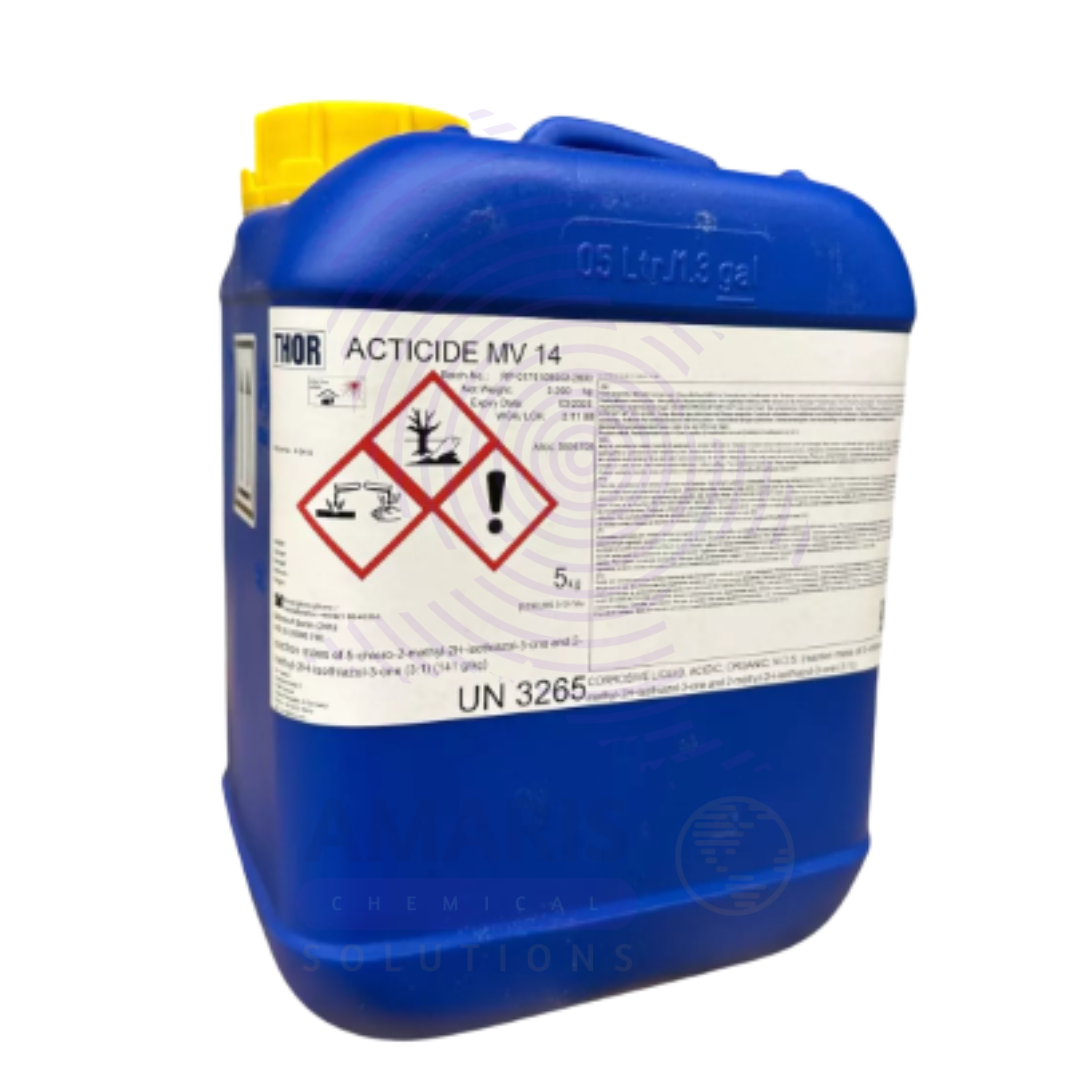


Acticide EPW (Dry Film)
$ 1.00
Acticide EPW is a VOC-free, water-based dry film biocide manufactured by Thor Group specifically formulated to protect exterior and interior water-based coatings, paints, and inks from surface fungal and algal growth. It appears as a white to off-white milky dispersion or suspension with a mild odor. The product is based on a synergistic blend of active ingredients including benzimidazole carbamate, 2-n-octyl-4-isothiazolin-3-one (OIT), and a urea derivative with AMME™ technology. This alkali-stable and UV-stable formulation is free from AOX (Adsorbable Organic Halogens) and VOC (Volatile Organic Compounds), making it suitable for low-VOC and environmentally conscious product formulations. Acticide EPW is manufactured for industrial use and is not intended for direct human consumption, medical applications, or food preservation.
Acticide EPW (Dry Film)
Primary Uses
1. Paints and Coatings Chemicals
-
Dry film biocide for exterior architectural coatings including masonry paints, facade paints, and exterior wall coatings to prevent algae, mold, and fungal growth on painted surfaces
-
Used in interior paints and coatings for high-humidity areas including bathrooms, kitchens, basements, and swimming pool areas
-
Protects industrial coatings including roof coatings, bridge coatings, and infrastructure coatings from biological degradation
-
Applied in elastomeric wall coatings, textured coatings, and decorative renders
-
Used in wood stains, wood preservatives, and timber coatings to prevent surface fungal attack
-
Added to clear varnishes and lacquers for outdoor applications
-
Protects marine coatings including boat paints and dock coatings from algae and barnacle growth
-
Used in anti-graffiti coatings and protective barrier coatings
2. Plaster and Dry Mortar Formulations
-
Dry film biocide for exterior plasters, stucco, and render systems
-
Used in tile grouts, tile adhesives, and cementitious grouts for wet areas
-
Protects dry mortar formulations including repair mortars, screeds, and self-leveling compounds
-
Added to joint fillers, crack fillers, and expansion joint compounds
3. Construction Chemicals
-
Protects waterproofing membranes, liquid applied membranes, and bituminous coatings
-
Used in concrete sealers, concrete stains, and concrete protective coatings
-
Added to building sealants, weatherproofing compounds, and facade sealants
-
Protects roofing membranes, PVC roofing, and TPO roofing materials
4. Inks and Printing Products
-
Dry film biocide for exterior printing inks including billboard inks, banner inks, and outdoor signage inks
-
Used in screen printing inks for outdoor applications including vehicle graphics and marine decals
-
Protects digital printing inks, UV-curable inks, and solvent-based inks for exterior use
-
Added to overprint varnishes and protective coatings for printed materials exposed to outdoor conditions
5. Plastics and Polymer Manufacturing Chemicals
-
Protects plastic films, sheets, and molded plastic products used in outdoor applications
-
Used in vinyl siding, window profiles, and plastic building materials to prevent surface fungal growth
-
Added to polymer roofing materials, plastic decking, and outdoor furniture plastics
-
Protects agricultural films, greenhouse films, and mulch films from biological degradation
6. Specialty and Fine Chemicals
-
Dry film biocide for fabric coatings, canvas coatings, and outdoor textile finishes
-
Used in leather coatings and leather finishes for outdoor applications
-
Protects paper coatings, cardboard coatings, and packaging materials exposed to humid conditions
-
Added to filter media coatings, HVAC filter treatments, and air filtration materials
Secondary Uses
1. Adhesives and Sealants
-
Protects exterior adhesives including construction adhesives, roofing adhesives, and glazing adhesives
-
Used in sealants for wet areas including bathroom sealants, kitchen sealants, and pool sealants
-
Added to weatherstripping adhesives and gasket adhesives
2. Textile Chemicals
-
Applied to outdoor fabrics including awnings, umbrellas, marine fabrics, and camping equipment
-
Used in geotextiles, landscape fabrics, and erosion control fabrics
-
Protects tent fabrics, tarpaulins, and canvas covers from mold and mildew
3. Wood Treatment Chemicals
-
Used in wood preservatives for decking, fencing, siding, and outdoor furniture
-
Protects pressure-treated wood, wood composites, and engineered wood products
-
Added to wood sealers, wood stains, and wood finishes
4. Roofing Materials
-
Protects roofing felts, underlayments, and roofing membranes
-
Used in clay roof tile coatings, concrete roof tile sealers, and slate roof treatments
-
Added to metal roof coatings and reflective roof coatings
5. Automotive and Transportation
-
Used in automotive underbody coatings, truck bed liners, and vehicle protective coatings
-
Protects trailer coatings, marine trailer paints, and equipment coatings exposed to outdoor conditions
6. Agricultural Chemicals
-
Applied to agricultural equipment coatings, farm building paints, and silo coatings
-
Used in greenhouse coatings, shade house paints, and nursery surface treatments
1. Basic Identification Attributes
-
Chemical Name: Blend of benzimidazole carbamate, 2-n-octyl-4-isothiazolin-3-one (OIT), and urea derivative
-
Common/Trade Name: Acticide EPW; ACTICIDE® EPW
-
CAS Number: Mixture
-
HS Code: 3808.94 (Biocides)
-
Synonyms: ACTICIDE EPW, Thor Acticide EPW, Dry film biocide, Water-based film preservative, OIT-based biocide, AMME™ technology biocide, VOC-free biocide
2. Physical & Chemical Properties
-
Physical State: Milky dispersion or suspension
-
Color: White to off-white
-
Odor: Mild characteristic odor
-
pH: 6.0 to 8.0
-
Density: Approximately 1.02 to 1.05 g/cm³ at 20°C
-
Solubility: Dispersible in water; miscible with water-based coating systems
-
Stability: Alkali-stable and UV-stable; effective over a broad pH range
-
VOC Content: VOC-free (zero volatile organic compounds)
-
AOX Content: Free from AOX (Adsorbable Organic Halogens)
3. Safety & Hazard Attributes
-
GHS Classification:
-
H317: May cause an allergic skin reaction
-
H319: Causes serious eye irritation
-
H410: Very toxic to aquatic life with long-lasting effects
-
-
Toxicity: Low acute toxicity; requires normal industrial hygiene practices
-
Irritation: May cause eye and skin irritation
-
Allergenicity: Isothiazolinone components are known skin sensitizers
-
Flammability: Non-flammable
-
Environmental: Very toxic to aquatic life
4. Storage & Handling Attributes
-
Storage Conditions: Store in a cool, dry, well-ventilated area away from direct sunlight and heat sources. Protect from freezing. Keep containers tightly closed when not in use.
-
Container Type: Plastic drums, HDPE containers, or IBC totes
-
Shelf Life: 12 months from date of manufacture when stored under recommended conditions
-
Handling Precautions: Use with adequate ventilation; avoid contact with eyes, skin, and clothing; avoid breathing mists or aerosols; wear appropriate personal protective equipment
-
Storage Measures: Store separately from incompatible materials; maintain temperature between 5°C and 40°C; protect from freezing
5. Regulatory & Compliance Attributes
-
Regulatory Status: EPA registered for industrial use; REACH registered for use in EU markets; TSCA listed components; DSL listed components; compliant with Biocidal Products Regulation (BPR)
-
VOC Compliance: VOC-free formulation meets low-VOC and zero-VOC regulatory requirements
-
Labeling Requirements: Must carry GHS hazard pictograms for sensitization and environmental toxicity
-
Use Restrictions: Not approved for food contact, medical devices, or pharmaceutical applications
6. Environmental & Health Impact
-
Biodegradability: Active ingredients are biodegradable under appropriate conditions
-
Ecotoxicity: Very toxic to aquatic organisms with long-lasting effects; must not be released into waterways
-
VOC Impact: VOC-free formulation does not contribute to air pollution or smog formation
-
AOX Status: Free from adsorbable organic halogens; reduced environmental persistence
-
Waste Disposal: Dispose of in accordance with local, state, and federal regulations; do not discharge to drains or natural waterways
1. Safety Handling Precautions
-
PPE Required: Chemical splash goggles or safety glasses; chemical-resistant gloves (nitrile recommended); protective clothing or lab coat; use respiratory protection if mists or aerosols are generated
-
Handling Guidelines: Use only in well-ventilated areas; avoid generating mists or aerosols; do not eat, drink, or smoke in handling areas; wash hands and exposed skin thoroughly after handling; remove contaminated clothing immediately and launder before reuse
-
Storage Measures: Store in original, labeled containers with tight-fitting lids; protect from freezing; if frozen, thaw at room temperature and mix before use; keep away from strong oxidizing agents
-
Hygiene Practices: Wash hands thoroughly after handling; shower at the end of each work shift; do not take contaminated clothing home
2. First Aid Measures
-
Inhalation: Move person to fresh air. If breathing is difficult, administer oxygen. Seek medical attention if symptoms persist.
-
Skin Contact: Remove contaminated clothing. Rinse skin with plenty of water for at least fifteen minutes. Wash with soap and water. Seek medical attention if irritation develops.
-
Eye Contact: Immediately rinse eyes with lukewarm, gently flowing water for at least fifteen minutes while holding eyelids open. Remove contact lenses if present. Seek medical attention if irritation persists.
-
Ingestion: Rinse mouth thoroughly with water. Do NOT induce vomiting. Drink one or two glasses of water. Seek medical attention if large quantities are swallowed.
3. Firefighting Measures
-
Fire Hazards: Non-flammable. May evolve toxic fumes when heated to decomposition.
-
Extinguishing Media: Use water spray, foam, dry chemical, or carbon dioxide. Select media appropriate for surrounding materials.
-
Special Firefighting Procedures: Wear full protective clothing and self-contained breathing apparatus (SCBA); use water spray to cool exposed containers; contain firefighting runoff to prevent environmental contamination
-
Hazardous Combustion Products: Oxides of carbon, oxides of nitrogen, oxides of sulfur, hydrogen chloride
Related products
Benzyl Konium Chloride
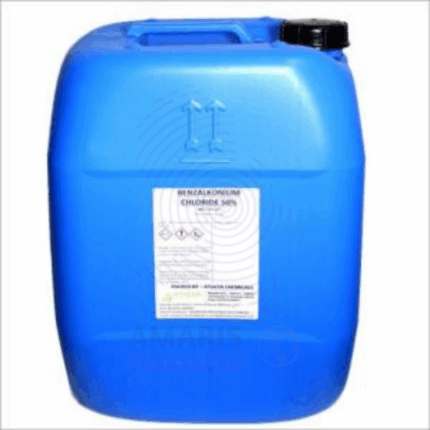
Benzyl Konium Chloride (BAC) 50% is a quaternary ammonium compound with potent antimicrobial and disinfectant properties. It is a cationic surfactant widely used for its bactericidal, fungicidal, and virucidal effects. This clear to pale yellow liquid concentrate is highly soluble in water and is commonly used in healthcare, sanitation, and industrial hygiene applications. BAC 50% solutions serve as active ingredients in disinfectants, sanitizers, and antiseptics due to their effectiveness against a broad spectrum of microorganisms.
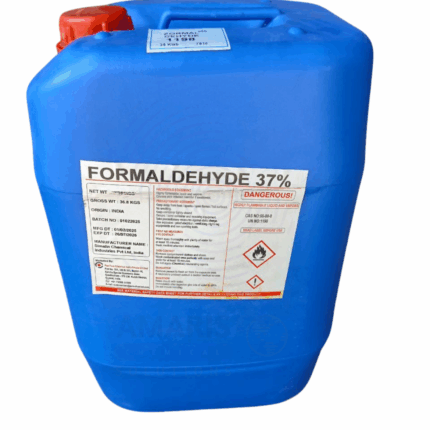
Formaldehyde (Formalin)
Formaldehyde (Formalin) is an aqueous solution containing approximately 37% formaldehyde by weight, stabilized typically with 10-15% methanol to prevent polymerization. It is a clear, colorless liquid with a pungent, penetrating odor. Formaldehyde is a simple aldehyde widely used as a disinfectant, preservative, and chemical intermediate. Formalin’s powerful antimicrobial and tissue-fixation properties make it essential in medical, laboratory, industrial, and manufacturing applications. It is one of the most commonly used chemicals worldwide for sterilization, embalming, and resin production.
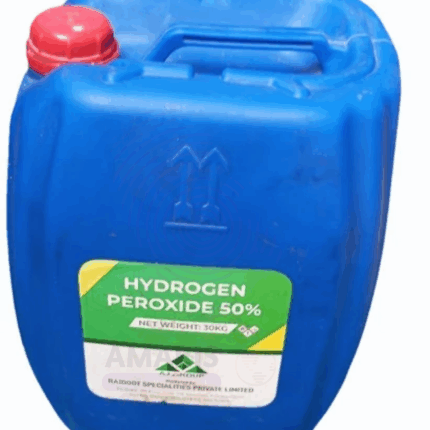
Hydrogen Peroxide Tech Grade
Hydrogen Peroxide Tech Grade is a highly concentrated aqueous solution of hydrogen peroxide (H₂O₂) designed primarily for industrial and technical applications. It is a clear, colorless liquid with a sharp, acrid odor. Known for its strong oxidizing, bleaching, and disinfecting properties, this tech-grade formulation is typically used where high reactivity is required, often in non-food processes. It decomposes into environmentally benign by-products—water and oxygen—making it a preferred agent for sustainable industrial processes.

Lysol (Cresol BP)
Lysol (Cresol BP) is a concentrated solution of cresol, a phenolic compound derived from coal tar or petroleum. It is a potent disinfectant and antiseptic with strong antimicrobial properties. This product typically contains 50% cresol in water or solvent and is used extensively in industrial, healthcare, agricultural, and household settings for its broad-spectrum efficacy against bacteria, fungi, and viruses. It appears as a colorless to pale yellow liquid with a characteristic phenolic odor and is highly effective for sterilization, deodorization, and sanitation.
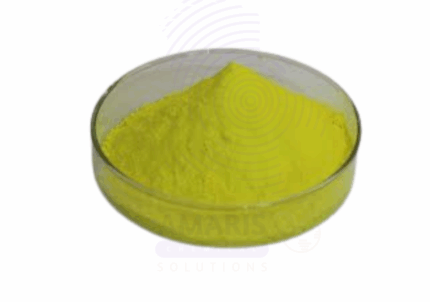
Santophene( 4-chloro-2-Benzyl phenol)
Santophene (4-chloro-2-benzylphenol) is a chlorinated phenolic compound used primarily as a biocide and preservative in various industrial applications. It exhibits strong antimicrobial properties, effectively controlling the growth of bacteria, fungi, and algae. This compound is widely applied in coatings, paints, wood preservation, and water treatment to protect materials from microbial degradation and extend their service life.
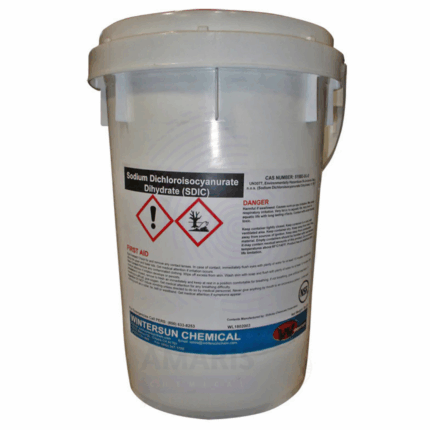
Sodium Dichloroisocyanurate
Sodium Dichloroisocyanurate (NaDCC) is a white crystalline powder used primarily as a disinfectant, sanitizer, and biocide. It is a stable, slow-releasing chlorine compound effective against bacteria, viruses, and fungi. Widely applied in water treatment, swimming pool sanitation, food processing, and healthcare, it provides long-lasting antimicrobial activity. Its high chlorine content and ease of handling make it an essential chemical for hygiene and sterilization applications.
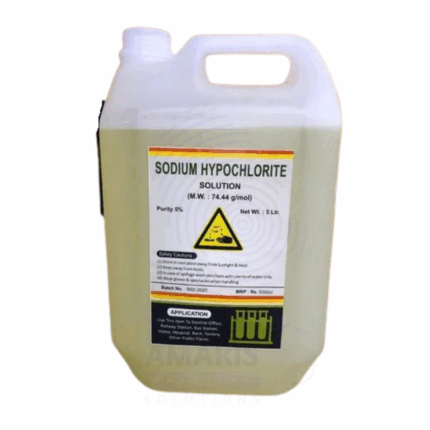
Sodium Hypochlorite
Sodium Hypochlorite 10-12% (commonly known as Jik) is a clear to pale greenish-yellow liquid with a strong chlorine odor. It is a widely used disinfectant and bleaching agent, known for its powerful oxidizing properties. This grade is commonly employed in household cleaning, water treatment, and industrial sanitation processes. It is effective against a broad spectrum of microorganisms, making it a popular choice for disinfection and sterilization.

Tricide 30E
Tricide 30E is a versatile emulsifiable concentrate formulation primarily used as a broad-spectrum biocide. It is designed to control bacterial, fungal, and algal growth in industrial water treatment, cooling towers, paper mills, and oilfield applications. The product combines potent antimicrobial agents to effectively inhibit microbial contamination, biofilm formation, and corrosion, thereby enhancing system efficiency and longevity. Tricide 30E is favored for its ease of use, stability in diverse water chemistries, and strong efficacy against a wide range of microorganisms.












