Preservatives(food)
 Flavor Enhancers
 Acidulants
 Sweeteners
 Antioxidants
 Colorants(food)
 Nutraceutical Ingredients (food)
 Nutrient Supplements
 Emulsifiers
 Collectors
 Dust Suppressants
 Explosives and Blasting Agents
 Flocculants and Coagulants
 Frothers
 Leaching Agents
 pH Modifiers
 Precious Metal Extraction Agents
 Antioxidants(plastic)
 Colorants (Pigments, Dyes)
 Fillers and Reinforcements
 Flame Retardants
 Monomers
 Plasticizers
 Polymerization Initiators
 Stabilizers (UV, Heat)
 Antifoaming Agents
 Chelating Agents
 Coagulants and Flocculants
 Corrosion Inhibitors
 Disinfectants and Biocides
 Oxidizing Agents
 pH Adjusters
 Scale Inhibitors( water)
 Antioxidants(cosmetic)
 Emollients
 Fragrances and Essential Oils
 Humectants
 Preservatives
 Surfactants(cosmetic)
 Thickeners
 UV Filters
 Fertilizers
 Soil Conditioners
 Plant Growth Regulators
 Animal Feed Additives
 Biostimulants
 Pesticides (Herbicides, Insecticides, Fungicides)
 Active Pharmaceutical Ingredients (APIs)
 Excipients
 Solvents(pharmaceutical)
 Antibiotics
 Antiseptics and Disinfectants
 Vaccine Adjuvants
 Nutraceutical Ingredients (pharmaceutical)
 Analgesics & Antipyretics
 Analytical Reagents
 Solvents(lab)
 Chromatography Chemicals
 Spectroscopy Reagents
 microbiology-and-cell-culture-reagents
 Molecular Biology Reagents
 Biochemical Reagents
 Inorganic and Organic Standards
 Laboratory Safety Chemicals
 Specialty Laboratory Chemicals(Special Laboratory Equipment)
 Demulsifiers
 Hydraulic Fracturing Fluids
 Scale Inhibitors(oil)
 Surfactants(oil)
 Drilling Fluids
 Dyes and Pigments
 Bleaching Agents
 Softening Agents
 Finishing Agents
 Antistatic Agents
 Admixtures
 Waterproofing Agents
 Sealants and Adhesives
 Curing Compounds
 Concrete Repair Chemicals
 Anti-Corrosion Coatings
 Surfactants(cleaning)
 Builders
 Enzymes
 Solvents (Cleaning)
 Fragrances
 Electronic Chemicals
 Catalysts
 Lubricants
 Photographic Chemicals
 Refrigerants
 Automotive chemicals
 Pyrotechnic Chemicals
 Biodegradable Surfactants
 Bio-based Solvents
 Renewable Polymers
 Carbon Capture Chemicals
 Wastewater Treatment Chemicals
 Pigments
 Solvents(paint)
 Specialty Coatings
 Binders/Resins
 Additives
 Driers
 Anti-Corrosion Agents
 Functional Coatings
 Application-Specific Coatings
 Leavening Agents
 Dough Conditioners
 Flour Treatments
 Fat Replacers
 Decoratives
 Preservatives(baking)
 Plasticizers & Softeners
 Reinforcing Agents
 Adhesion Promoters
 Vulcanizing Agents
 Antidegradants
 Blowing Agents
 Fillers & Extenders
 Accelerators & Retarders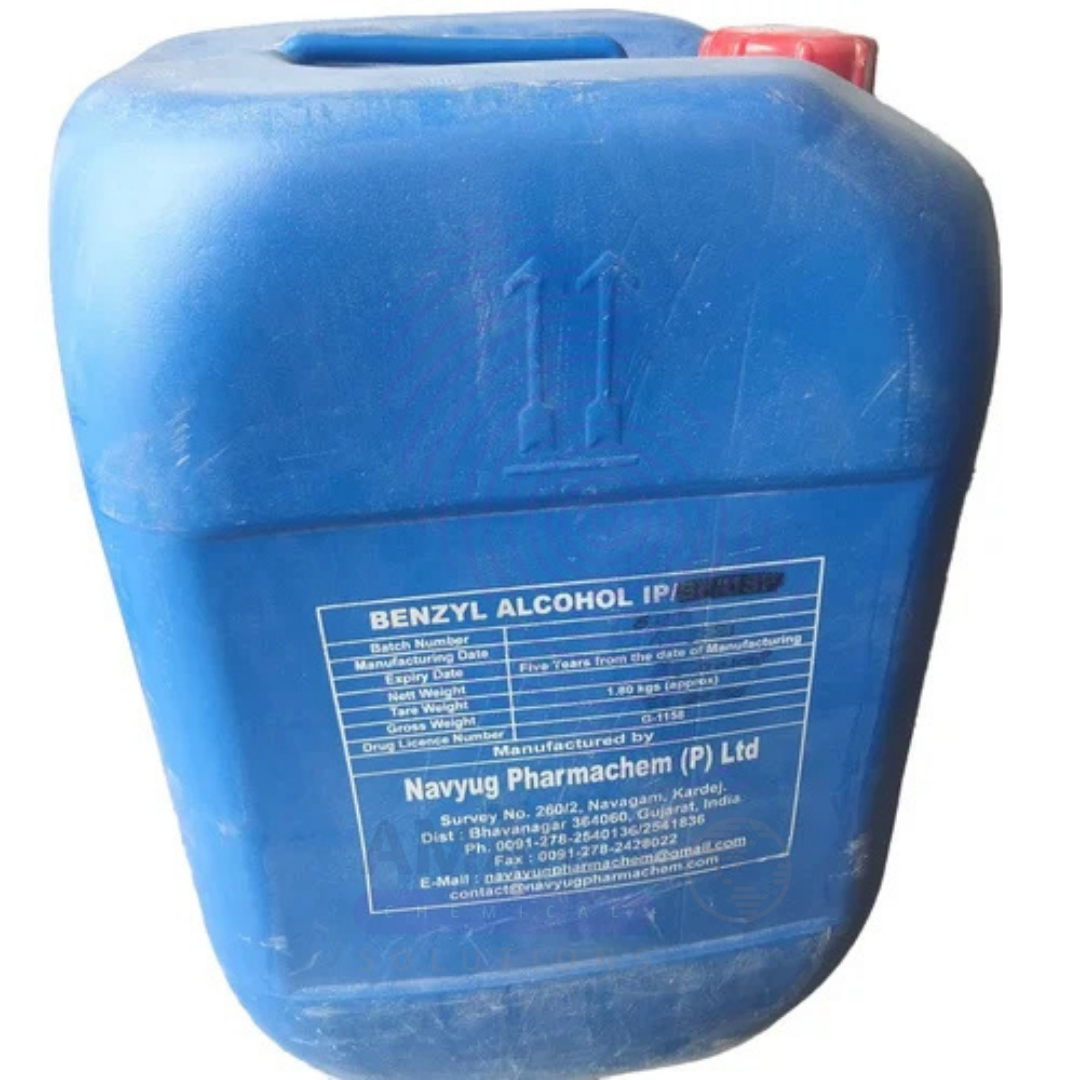


Benzyl Alcohol
Benzyl Alcohol is an aromatic alcohol with a mild pleasant odor and clear, colorless liquid appearance. It serves as a versatile solvent, preservative, and intermediate in chemical synthesis. Benzyl Alcohol is widely used across pharmaceuticals, cosmetics, paints, coatings, and as a bacteriostatic agent in injectable drugs. Its relatively low toxicity and good solvent properties make it valuable in both industrial and consumer products.
Benzyl Alcohol
Primary Uses
- Pharmaceuticals & Medical
- Used as a bacteriostatic preservative in injectable drugs and intravenous solutions.
- Acts as a solvent for various active pharmaceutical ingredients (APIs).
- Included in topical, ophthalmic, and nasal formulations for its antimicrobial properties.
- Cosmetics & Personal Care
- Serves as a preservative and solvent in creams, lotions, shampoos, and other personal care products.
- Used in fragrances and perfumes as a solvent and fixative.
- Included for its antimicrobial properties in skin care formulations.
- Industrial Applications
- Solvent in paints, coatings, inks, and varnishes due to its moderate evaporation rate.
- Used in manufacturing plasticizers, dyes, and synthetic flavors/fragrances.
- Intermediate in the synthesis of various chemicals including esters and benzyl derivatives.
- Food Industry
- Used as a flavoring agent and preservative in some food products (regulated usage).
Secondary Uses
- Employed in printing and textile industries as a solvent for dyes and inks.
- Utilized in the synthesis of esters for plasticizers and perfumes.
- Used in woodworking and cleaning applications as a solvent and preservative.
1. Basic Identification Attributes
- Chemical Name (IUPAC): Benzyl alcohol
- Common/Trade Names: Benzyl Alcohol, Phenylcarbinol
- CAS Number: 100-51-6
- HS Code: 2914.39.00
- Molecular Formula: C7H8O
- Synonyms: Phenylmethanol, Benzenemethanol
2. Physical & Chemical Properties
- Physical State: Colorless liquid
- Color & Odor: Colorless, mild pleasant aromatic odor
- Melting Point: -15°C
- Boiling Point: 205.3°C
- Density: 1.04 g/cm³
- Solubility: Slightly soluble in water (~4 g/100 mL at 20°C), miscible with most organic solvents
- pH Level: Neutral to slightly acidic
- Vapor Pressure: 0.13 mm Hg at 25°C
- Flash Point: 93°C (closed cup)
- Autoignition Temperature: 450°C
- Viscosity: ~4.3 mPa·s at 20°C
3. Safety & Hazard Attributes
- Hazard Class (GHS): Flammable liquid, Category 4
- NFPA Ratings: Health 1, Flammability 2, Reactivity 0
- Exposure Limits: OSHA PEL = 10 ppm (benzyl alcohol vapor)
- Reactivity: Stable under normal conditions; incompatible with strong oxidizers
- Toxicity: Low acute toxicity; may cause skin or eye irritation on prolonged exposure
4. Storage & Handling Attributes
- Storage Conditions: Store in a cool, well-ventilated area away from heat or ignition sources
- Container Type: Glass or metal containers recommended
- Shelf Life: Typically 2–3 years under proper storage
- Special Handling: Use gloves and eye protection; prevent vapor buildup and avoid inhalation
5. Regulatory & Compliance Attributes
- FDA: Approved for use as a food additive and in pharmaceuticals
- EU: Approved for use in cosmetics (INCI name Benzyl Alcohol) and food flavoring
- Transportation: Classified as flammable liquid; handle according to regulations
- Waste Disposal: Dispose of according to local environmental regulations
6. Environmental & Health Impact
- Ecotoxicity: Low to moderate toxicity to aquatic life; avoid environmental release
- Persistence: Biodegradable under aerobic conditions
- Carcinogenicity: Not classified as carcinogenic by IARC or OSHA
- Biodegradability: Readily biodegradable
Safety Handling Precautions
- PPE: Use chemical-resistant gloves, safety goggles, and protective clothing.
- Ventilation: Handle in well-ventilated areas to avoid vapor accumulation.
- Fire Safety: Keep away from open flames, sparks, and hot surfaces. Use proper grounding to prevent static discharge.
- Spill Response: Absorb spills with inert material; avoid release into drains or environment.
- Hygiene: Wash hands thoroughly after handling; avoid ingestion and inhalation.
First Aid Measures
- Inhalation: Move to fresh air; seek medical attention if respiratory irritation or difficulty occurs.
- Skin Contact: Wash thoroughly with soap and water; remove contaminated clothing; seek medical care if irritation persists.
- Eye Contact: Rinse immediately with plenty of water for at least 15 minutes; seek medical attention if irritation continues.
- Ingestion: Rinse mouth; do not induce vomiting; seek immediate medical assistance.
Firefighting Measures
- Fire Hazards: Flammable liquid; vapors may ignite and cause flash fires.
- Extinguishing Media: Use foam, dry chemical, carbon dioxide, or water spray.
- Special Precautions: Firefighters should wear full protective gear and self-contained breathing apparatus (SCBA). Cool containers exposed to fire with water spray.
Related products
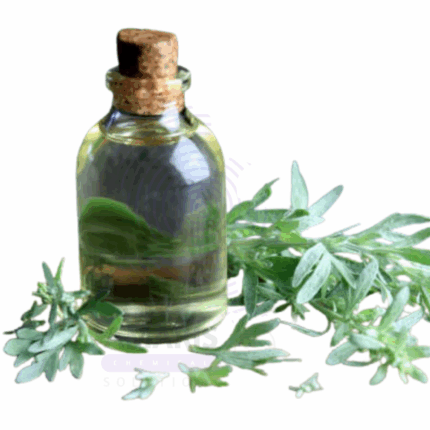
Absinth Oil
Absinth Oil, also known as Wormwood Essential Oil, is a highly aromatic essential oil extracted through steam distillation from the leaves and flowering tops of the Artemisia absinthium plant. Native to Europe and Asia and known historically for its use in absinthe liqueur, this oil features a sharp, bitter, herbaceous aroma with a green and slightly medicinal edge. Rich in thujone, chamazulene, and other bioactive compounds, Absinth Oil is known for its antimicrobial, anti-inflammatory, and digestive-stimulating properties.
While traditionally associated with herbal medicine and ritualistic use, modern applications of Absinth Oil span personal care, pharmaceuticals, and natural pest repellents. Due to its intensity and potential toxicity in high concentrations, it is used in very controlled amounts in fragrance and therapeutic blends. It is valued for its distinctive scent and potent botanical properties, particularly in cosmetics, aromatherapy, and natural cleaning formulations.
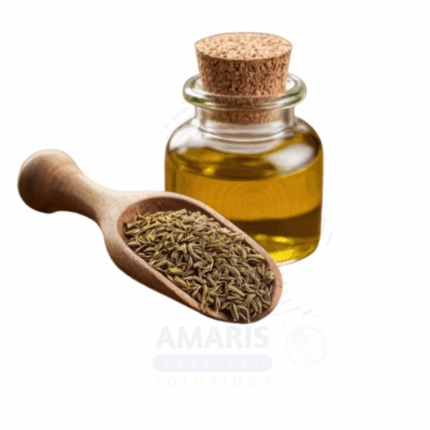
Ajowan oil
Ajowan Oil, also known as Ajwain Oil or Trachyspermum Ammi Oil, is an essential oil obtained by steam distillation of the seeds of the Trachyspermum ammi plant. With a strong, pungent, thyme-like aroma, Ajowan Oil is rich in thymol—a powerful compound known for its antiseptic, antimicrobial, and digestive properties. Traditionally used in Ayurvedic and Unani medicine, Ajowan Oil is valued today across food preservation, pharmaceuticals, and natural personal care formulations.
This oil exhibits broad-spectrum antimicrobial effects and is widely used in therapeutic balms, oral care, digestive tonics, and antiseptic blends. It also finds applications in fragrance formulations that benefit from its spicy, herbal character. Its potent biological activity makes it effective in natural pest control and disinfectant preparations.
Allspice Pimento Berry Oil
Allspice Pimento Berry Oil is a warm, spicy-sweet essential oil steam-distilled from the dried berries of the Pimenta dioica plant, native to the Caribbean and Central America. Known for its rich, clove-like aroma with hints of cinnamon, nutmeg, and pepper, the oil derives its name from its resemblance to a blend of “all spices.” It contains high concentrations of eugenol and other phenolic compounds, lending it powerful antiseptic, analgesic, and aromatic properties.
Widely used in personal care, massage oils, pharmaceutical balms, and perfumery, Allspice Oil is prized for its warming and comforting scent as well as its therapeutic action. It also finds applications in culinary essence formulations, natural insect repellents, and wellness therapies.
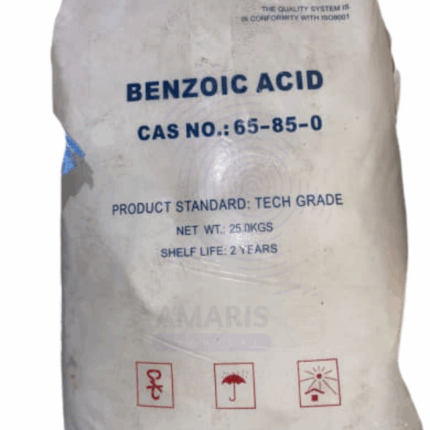
Benzoic Acid
Benzoic Acid is a white crystalline solid with a faint, pleasant odor, classified as a simple aromatic carboxylic acid. It is widely used as a food preservative, antimicrobial agent, and chemical intermediate. Naturally occurring in many plants, it is commercially produced through oxidation of toluene or extraction from natural sources. Benzoic acid is valued for its ability to inhibit the growth of mold, yeast, and certain bacteria, making it essential in food preservation and cosmetic formulations. It also serves as a precursor in the manufacture of various pharmaceuticals, dyes, and plasticizers.
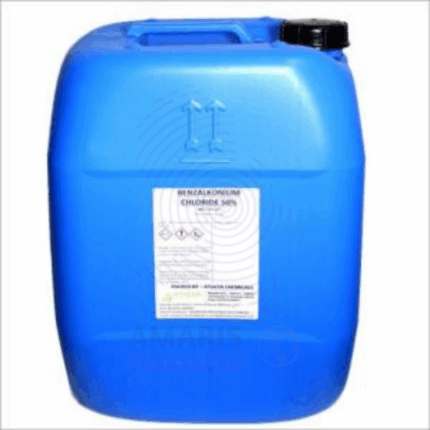
Benzyl Konium Chloride
Benzyl Konium Chloride (BAC) 50% is a quaternary ammonium compound with potent antimicrobial and disinfectant properties. It is a cationic surfactant widely used for its bactericidal, fungicidal, and virucidal effects. This clear to pale yellow liquid concentrate is highly soluble in water and is commonly used in healthcare, sanitation, and industrial hygiene applications. BAC 50% solutions serve as active ingredients in disinfectants, sanitizers, and antiseptics due to their effectiveness against a broad spectrum of microorganisms.
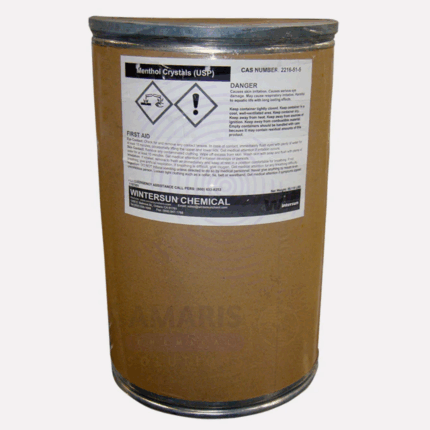
Menthol crystals
Menthol Crystals are natural organic compounds derived from peppermint or other mint oils, presenting as clear or white crystalline solids with a strong, cooling mint aroma. They possess analgesic, antiseptic, and flavoring properties. Widely used in pharmaceuticals, cosmetics, food, and personal care products, menthol crystals provide a refreshing cooling sensation and fragrance, enhancing product efficacy and consumer appeal.
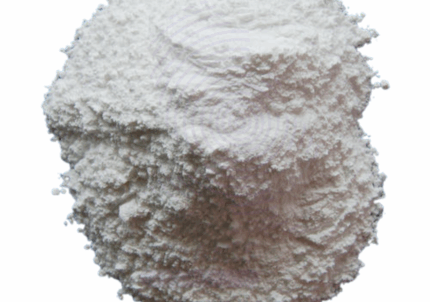
Methyl Paraben
Methyl Paraben is a white to off-white crystalline powder widely used as an antimicrobial preservative in cosmetics, pharmaceuticals, and food products. It is a member of the paraben family of preservatives known for their effectiveness against a broad spectrum of bacteria and fungi. Methyl Paraben helps extend the shelf life of products by preventing microbial growth without affecting the product's texture or color.