

 Preservatives(food)
 Flavor Enhancers
 Acidulants
 Sweeteners
 Antioxidants
 Colorants(food)
 Nutraceutical Ingredients (food)
 Nutrient Supplements
 Emulsifiers
 Collectors
 Dust Suppressants
 Explosives and Blasting Agents
 Flocculants and Coagulants
 Frothers
 Leaching Agents
 pH Modifiers
 Precious Metal Extraction Agents
 Antioxidants(plastic)
 Colorants (Pigments, Dyes)
 Fillers and Reinforcements
 Flame Retardants
 Monomers
 Plasticizers
 Polymerization Initiators
 Stabilizers (UV, Heat)
 Antifoaming Agents
 Chelating Agents
 Coagulants and Flocculants
 Corrosion Inhibitors
 Disinfectants and Biocides
 Oxidizing Agents
 pH Adjusters
 Scale Inhibitors( water)
 Antioxidants(cosmetic)
 Emollients
 Fragrances and Essential Oils
 Humectants
 Preservatives
 Surfactants(cosmetic)
 Thickeners
 UV Filters
 Fertilizers
 Soil Conditioners
 Plant Growth Regulators
 Animal Feed Additives
 Biostimulants
 Pesticides (Herbicides, Insecticides, Fungicides)
 Active Pharmaceutical Ingredients (APIs)
 Excipients
 Solvents(pharmaceutical)
 Antibiotics
 Antiseptics and Disinfectants
 Vaccine Adjuvants
 Nutraceutical Ingredients (pharmaceutical)
 Analgesics & Antipyretics
 Analytical Reagents
 Solvents(lab)
 Chromatography Chemicals
 Spectroscopy Reagents
 microbiology-and-cell-culture-reagents
 Molecular Biology Reagents
 Biochemical Reagents
 Inorganic and Organic Standards
 Laboratory Safety Chemicals
 Specialty Laboratory Chemicals(Special Laboratory Equipment)
 Demulsifiers
 Hydraulic Fracturing Fluids
 Scale Inhibitors(oil)
 Surfactants(oil)
 Drilling Fluids
 Dyes and Pigments
 Bleaching Agents
 Softening Agents
 Finishing Agents
 Antistatic Agents
 Admixtures
 Waterproofing Agents
 Sealants and Adhesives
 Curing Compounds
 Concrete Repair Chemicals
 Anti-Corrosion Coatings
 Surfactants(cleaning)
 Builders
 Enzymes
 Solvents (Cleaning)
 Fragrances
 Electronic Chemicals
 Catalysts
 Lubricants
 Photographic Chemicals
 Refrigerants
 Automotive chemicals
 Pyrotechnic Chemicals
 Biodegradable Surfactants
 Bio-based Solvents
 Renewable Polymers
 Carbon Capture Chemicals
 Wastewater Treatment Chemicals
 Pigments
 Solvents(paint)
 Specialty Coatings
 Binders/Resins
 Additives
 Driers
 Anti-Corrosion Agents
 Functional Coatings
 Application-Specific Coatings
 Leavening Agents
 Dough Conditioners
 Flour Treatments
 Fat Replacers
 Decoratives
 Preservatives(baking)
 Plasticizers & Softeners
 Reinforcing Agents
 Adhesion Promoters
 Vulcanizing Agents
 Antidegradants
 Blowing Agents
 Fillers & Extenders
 Accelerators & Retarders


Deionized Water
Original price was: $ 0.49.$ 0.38Current price is: $ 0.38.
Deionized Water (DI Water), also known as demineralized water, is highly purified water that has had almost all of its mineral ions (such as sodium, calcium, iron, copper, chloride, and sulfate) removed through ion exchange, reverse osmosis, or other purification methods. It is a clear, colorless, odorless liquid with extremely low electrical conductivity and is considered chemically pure. Deionized water is used in applications where water purity is critical, including pharmaceuticals, electronics, cosmetics, laboratory use, and various industrial processes. Its lack of minerals makes it highly reactive with contaminants, which makes it both useful and sensitive in technical applications.
Deionized Water
Primary Uses
- Pharmaceuticals & Biotechnology
- Used in the formulation of non-parenteral and topical pharmaceutical preparations.
- Employed in the cleaning of pharmaceutical equipment to prevent mineral deposits or microbial growth.
- Acts as a diluent for drug production and analysis where ionic purity is essential.
- Cosmetics & Personal Care
- Serves as the primary solvent in formulations for creams, lotions, serums, shampoos, and conditioners.
- Ensures product stability and purity by eliminating contaminants that can interact with active ingredients.
- Laboratory & Analytical Applications
- Used as a solvent and rinse agent in analytical chemistry, titrations, and spectroscopy.
- Critical for preparing standards, reagents, and sample dilutions in analytical and research laboratories.
- Electronics Manufacturing
- Utilized in the rinsing and cleaning of semiconductors, circuit boards, and other electronic components.
- Prevents ionic contamination that can disrupt the performance of microelectronic devices.
- Automotive & Battery Production
- Used as electrolyte preparation water in lead-acid and lithium-ion battery manufacturing.
- Included in radiator coolants and windshield washer fluids to prevent mineral scaling and corrosion.
Secondary Uses
- Industrial & Power Generation
- Employed in boiler feedwater and steam turbines to reduce scaling and corrosion in high-pressure systems.
- Used in cooling towers and heat exchangers where mineral content must be strictly controlled.
- Food & Beverage Industry
- Used for equipment cleaning and ingredient water in beverage production (non-consumption).
- Provides a controlled medium in flavor and aroma testing or concentration standardization.
- Medical Devices & Hospitals
- Rinsing agent for surgical instruments and sterilized equipment to prevent residue buildup.
- Used in autoclaves and as a base for preparation of antiseptic solutions.
- Textile & Dyeing Industry
- Used in dye formulations and rinsing to prevent interaction of minerals with textile dyes.
- Ensures consistent color fastness and fabric quality.
- Photographic & Printing
- Used in developing and fixing photographic films and printing plates.
- Prevents streaking, spotting, or haze caused by dissolved salts.
1. Basic Identification Attributes
- Chemical Name (IUPAC): Water (H₂O)
- Common/Trade Name: Deionized Water
- CAS Number: 7732-18-5
- HS Code: 2853.90.90
- Molecular Formula: H₂O
- Synonyms:
- DI Water
- Demineralized Water
- Purified Water (non-sterile)
- Ultrapure Water (depending on grade)
2. Physical & Chemical Properties
- Physical State: Liquid
- Color & Odor: Clear, colorless, odorless
- Melting Point: 0°C
- Boiling Point: 100°C at 1 atm
- Density: ~1.00 g/cm³ at 25°C
- Solubility: Miscible with all solvents
- Electrical Conductivity: <1 µS/cm (depending on grade; ultrapure can be <0.1 µS/cm)
- pH: 5.5–7.0 (slightly acidic due to dissolved CO₂)
- Stability: Chemically stable; highly reactive with contaminants and air-exposed surfaces
3. Safety & Hazard Attributes
- Hazard Class (GHS): Not classified as hazardous
- NFPA Ratings:
- Health: 0
- Flammability: 0
- Reactivity: 0
- Exposure Limits: None established
- Toxicity: Non-toxic; however, not suitable for direct human consumption if not microbiologically treated
- Reactivity: May leach ions and metals from piping or containers due to high purity
4. Storage & Handling Attributes
- Storage Conditions: Store in clean, inert, and non-reactive containers (e.g., HDPE or glass)
- Container Type: Closed, non-leaching, sterile or non-sterile containers depending on application
- Shelf Life: 6 to 12 months if sealed and uncontaminated
- Special Handling: Protect from microbial contamination and airborne particles; use sterile techniques where applicable
5. Regulatory & Compliance Attributes
- FDA Status: Complies with USP/NF for Purified Water if validated
- Pharmacopoeia Grades:
- USP: Purified Water
- EP: Aqua purificata
- JP: Purified Water
- REACH Status: Not classified as a dangerous substance
- Transportation: Not regulated
- Waste Disposal: Dispose of as non-hazardous liquid; no special handling required
6. Environmental & Health Impact
- Ecotoxicity: No known environmental toxicity
- Persistence: Fully miscible and naturally integrated into the hydrological cycle
- Bioaccumulation: None
- Carcinogenicity/Mutagenicity: None
- Biodegradability: Not applicable; water is a natural component of the environment
Safety Handling Precautions
Personal Protective Equipment (PPE):
- Typically not required under normal conditions
- In cleanroom or sterile environments, use gloves and closed systems to prevent contamination
Handling Measures:
- Use clean tools and equipment to avoid contamination
- Avoid exposure to ambient air for prolonged periods
Storage Measures:
- Store in closed, sterile containers if used in pharmaceutical or medical applications
- Label containers clearly to avoid confusion with other liquids
Hygiene Practices:
- Use aseptic techniques where purity is critical
- Avoid reusing containers unless properly sterilized
First Aid Measures
- Inhalation: Not applicable
- Skin Contact: No irritation expected
- Eye Contact: No irritation expected
- Ingestion: Non-toxic; not suitable for regular consumption due to lack of essential minerals
Firefighting Measures
- Fire Hazards: Non-flammable
- Extinguishing Media: Not applicable
- Special Precautions: None required
- Decomposition Products: None; water remains stable under fire conditions
Related products
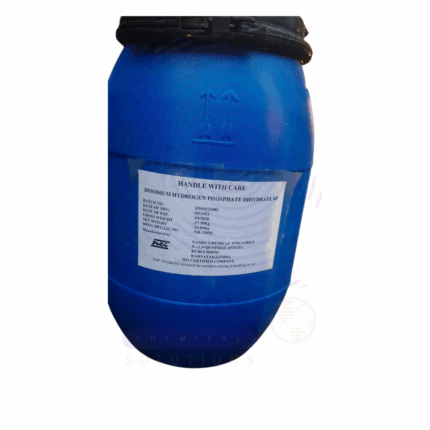
Disodium Hydrogen Phosphate Dihydrate
Disodium Hydrogen Phosphate Dihydrate is the hydrated form of disodium hydrogen phosphate, a white crystalline powder commonly used as a buffering agent, emulsifier, and sequestrant. The dihydrate form contains two water molecules per formula unit, which affects its physical properties such as melting point and solubility. It is widely applied in food, pharmaceutical, water treatment, and industrial processes to maintain pH stability, improve texture, and supply essential sodium and phosphate ions.
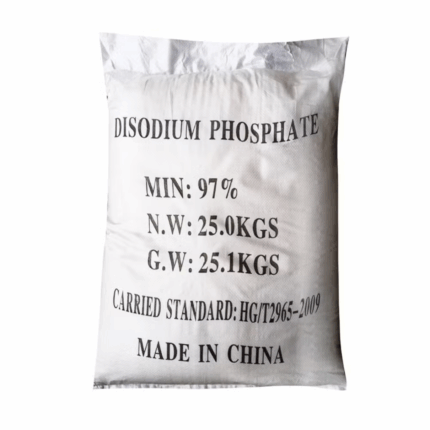
Disodium Phosphate
Disodium Phosphate, also known as sodium phosphate dibasic, is an inorganic compound widely used for its buffering, emulsifying, and chelating properties. It commonly appears as a white, odorless crystalline powder or granules that are highly soluble in water and alkaline in nature. Disodium Phosphate plays a vital role in regulating pH, improving stability in formulations, and providing essential sodium and phosphate ions. It finds extensive use across food processing, pharmaceuticals, water treatment, agriculture, and industrial applications.
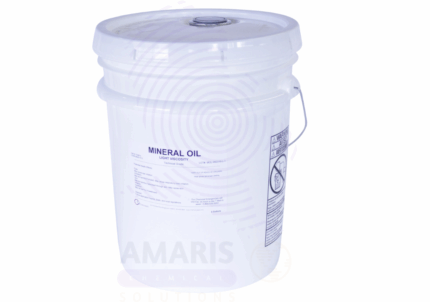
Light White Mineral Oil Tech Grade
Light White Mineral Oil Tech Grade is a highly refined, colorless, odorless, and tasteless petroleum-derived oil. It is characterized by its low viscosity and excellent lubricating properties. This technical-grade mineral oil undergoes stringent purification processes to remove impurities, making it suitable for various industrial, cosmetic, pharmaceutical, and food-related applications. Its chemical stability, non-reactivity, and safety profile make it a versatile ingredient and lubricant in many manufacturing and processing sectors.
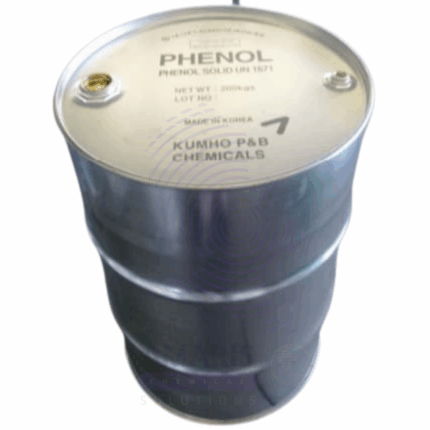
Phenol Ice Crystals
Phenol Ice Crystals, also known as carbolic acid in solid form, are crystalline compounds of phenol with a melting point near room temperature, giving them an “ice-like” appearance. Phenol is a aromatic organic compound widely used as a precursor in chemical synthesis, disinfectants, and pharmaceuticals. It exhibits antiseptic, antiseptic, and solvent properties. Due to its toxicity and corrosiveness, phenol requires careful handling.
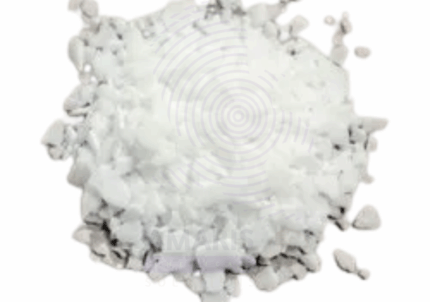
Polyglyceryl
Polyglyceryl refers to a family of non-ionic surfactants and emulsifiers made by the polymerization of glycerol units. Depending on the number of glycerol units (e.g., Polyglyceryl-2, -3, -6, -10) and fatty acid esterification (e.g., laurate, oleate, stearate), they offer different emulsifying and solubilizing properties. These compounds are biodegradable, mild, and skin-friendly, making them ideal for use in cosmetics, food, pharmaceuticals, and personal care products. Polyglyceryl esters are often chosen in natural and organic product formulations due to their origin and non-toxic profile.
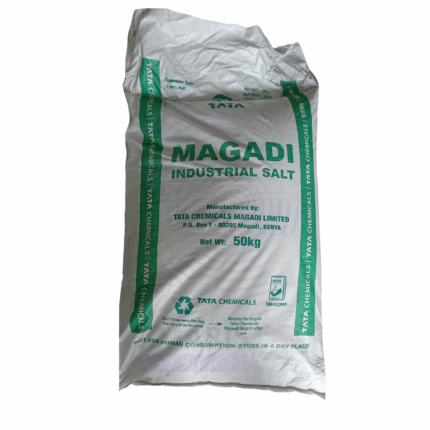
Sodium Chloride (Industrial Salt)
Sodium Chloride (Industrial Salt) is a highly purified, sterile, and non-pyrogenic salt intended for intravenous, intramuscular, and subcutaneous administration. It is commonly used in medical and pharmaceutical settings as a key component of intravenous fluids, for rehydration therapy, electrolyte replenishment, and as a diluent for injectable drugs. This grade meets stringent pharmacopoeial standards (British Pharmacopoeia) ensuring safety and compatibility with parenteral use.
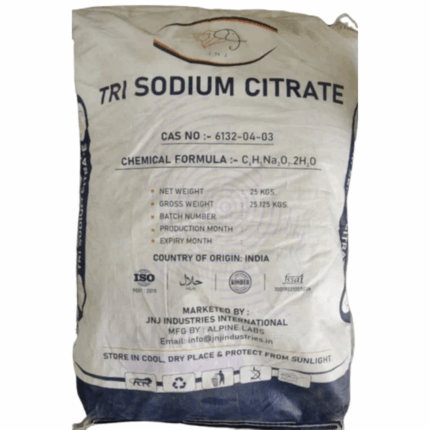
Sodium Citrate
Sodium Citrate is the sodium salt of citric acid, available as a white, crystalline powder or granules. It functions primarily as a buffering agent, acidity regulator, and sequestrant in food, pharmaceutical, and industrial applications. It helps maintain pH stability, enhances flavor, and prevents metal ion-induced spoilage. The 25kg packaging is typical for bulk industrial or food processing use.
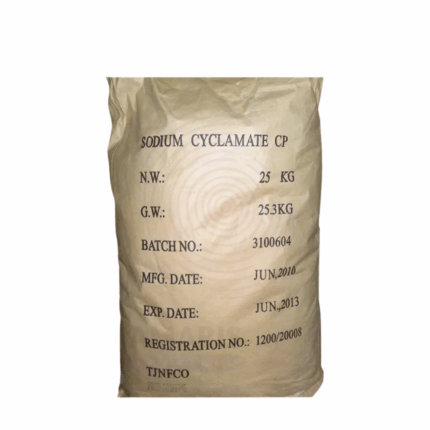
Sodium Cyclamate
Sodium Cyclamate 80 Mesh is a white, crystalline powder used as an artificial sweetener. It is approximately 30 to 50 times sweeter than sucrose (table sugar) and provides a low-calorie sugar substitute. Due to its high sweetness and stability under heat and acidic conditions, it is commonly used in food and beverage formulations, pharmaceuticals, and personal care products as a sugar alternative.












