

 Preservatives(food)
 Flavor Enhancers
 Acidulants
 Sweeteners
 Antioxidants
 Colorants(food)
 Nutraceutical Ingredients (food)
 Nutrient Supplements
 Emulsifiers
 Collectors
 Dust Suppressants
 Explosives and Blasting Agents
 Flocculants and Coagulants
 Frothers
 Leaching Agents
 pH Modifiers
 Precious Metal Extraction Agents
 Antioxidants(plastic)
 Colorants (Pigments, Dyes)
 Fillers and Reinforcements
 Flame Retardants
 Monomers
 Plasticizers
 Polymerization Initiators
 Stabilizers (UV, Heat)
 Antifoaming Agents
 Chelating Agents
 Coagulants and Flocculants
 Corrosion Inhibitors
 Disinfectants and Biocides
 Oxidizing Agents
 pH Adjusters
 Scale Inhibitors( water)
 Antioxidants(cosmetic)
 Emollients
 Fragrances and Essential Oils
 Humectants
 Preservatives
 Surfactants(cosmetic)
 Thickeners
 UV Filters
 Fertilizers
 Soil Conditioners
 Plant Growth Regulators
 Animal Feed Additives
 Biostimulants
 Pesticides (Herbicides, Insecticides, Fungicides)
 Active Pharmaceutical Ingredients (APIs)
 Excipients
 Solvents(pharmaceutical)
 Antibiotics
 Antiseptics and Disinfectants
 Vaccine Adjuvants
 Nutraceutical Ingredients (pharmaceutical)
 Analgesics & Antipyretics
 Analytical Reagents
 Solvents(lab)
 Chromatography Chemicals
 Spectroscopy Reagents
 microbiology-and-cell-culture-reagents
 Molecular Biology Reagents
 Biochemical Reagents
 Inorganic and Organic Standards
 Laboratory Safety Chemicals
 Specialty Laboratory Chemicals(Special Laboratory Equipment)
 Demulsifiers
 Hydraulic Fracturing Fluids
 Scale Inhibitors(oil)
 Surfactants(oil)
 Drilling Fluids
 Dyes and Pigments
 Bleaching Agents
 Softening Agents
 Finishing Agents
 Antistatic Agents
 Admixtures
 Waterproofing Agents
 Sealants and Adhesives
 Curing Compounds
 Concrete Repair Chemicals
 Anti-Corrosion Coatings
 Surfactants(cleaning)
 Builders
 Enzymes
 Solvents (Cleaning)
 Fragrances
 Electronic Chemicals
 Catalysts
 Lubricants
 Photographic Chemicals
 Refrigerants
 Automotive chemicals
 Pyrotechnic Chemicals
 Biodegradable Surfactants
 Bio-based Solvents
 Renewable Polymers
 Carbon Capture Chemicals
 Wastewater Treatment Chemicals
 Pigments
 Solvents(paint)
 Specialty Coatings
 Binders/Resins
 Additives
 Driers
 Anti-Corrosion Agents
 Functional Coatings
 Application-Specific Coatings
 Leavening Agents
 Dough Conditioners
 Flour Treatments
 Fat Replacers
 Decoratives
 Preservatives(baking)
 Plasticizers & Softeners
 Reinforcing Agents
 Adhesion Promoters
 Vulcanizing Agents
 Antidegradants
 Blowing Agents
 Fillers & Extenders
 Accelerators & Retarders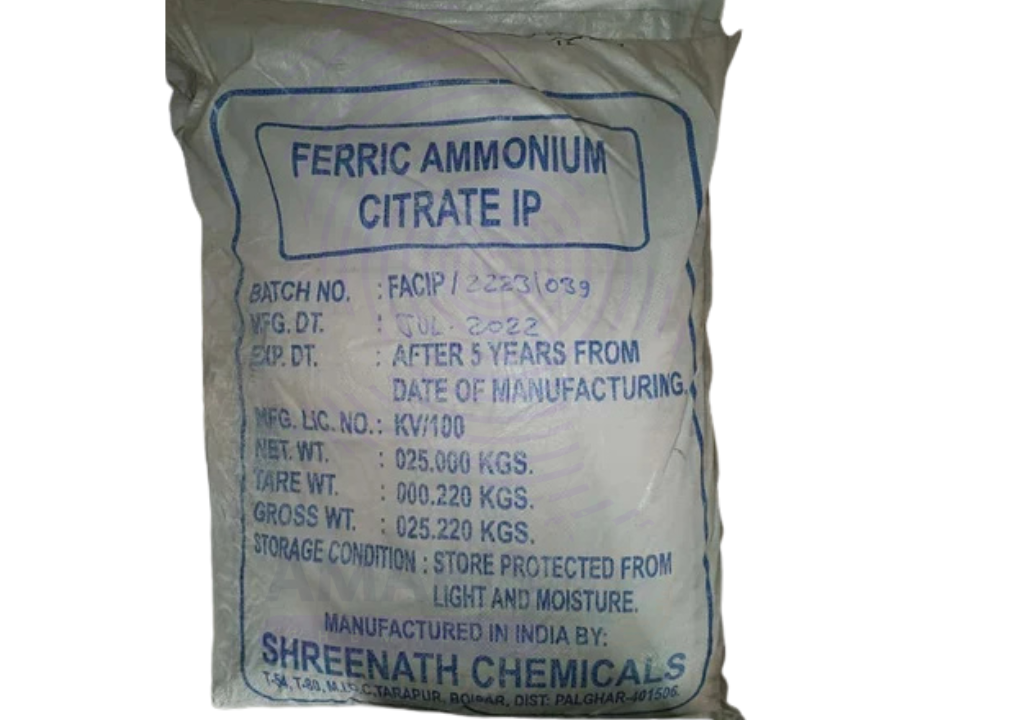




Ferric Ammonium Citrate
Ferric Ammonium Citrate is a dark green to black crystalline or granular inorganic compound composed of iron, ammonium ions, and citrate ions. It is a complex salt of citric acid with ferric iron (Fe³⁺) and ammonium. This compound is highly soluble in water, forming a greenish solution, and is widely utilized as a source of iron in various chemical, pharmaceutical, photographic, and food applications. It acts as a mild oxidizing agent and an iron supplement, valued for its bioavailability and ease of incorporation into formulations. Ferric Ammonium Citrate is typically available in different formulations distinguished by their water and ammonium content, such as green and brown types.
Ferric Ammonium Citrate
Primary Uses
- Medical and Pharmaceutical Industry
- Used as an iron supplement to treat iron deficiency anemia due to its bioavailable iron content.
- Incorporated in oral iron preparations and tonics.
- Utilized in wound healing preparations for its antiseptic properties.
- Photography and Imaging
- Employed in photographic processes such as blueprinting (cyanotype) and iron-based photographic emulsions.
- Acts as a light-sensitive agent in various iron-citrate photographic materials.
- Food Industry
- Used as a permitted food additive and colorant (E number E381) to provide iron fortification in foods and beverages.
- Helps prevent iron deficiency in fortified cereals, flours, and dietary supplements.
- Chemical Industry
- Serves as a mild oxidizing agent and catalyst in various chemical syntheses and reactions.
- Used in dyeing and textile printing processes to fix colors.
- Water Treatment
- Functions in water purification systems as a flocculant or coagulant aid.
Secondary Uses
- Biological and Analytical Chemistry
- Utilized in staining procedures and as a reagent in biochemical assays for detecting iron or citrate.
- Cosmetics
- Incorporated in some cosmetic formulations as a colorant and trace nutrient source.
- Agriculture
- Occasionally used in foliar sprays or soil treatments to correct iron deficiency in plants.
- Laboratory Uses
- Used as a standard or reagent in research labs studying iron metabolism and oxidation-reduction reactions.
1. Basic Identification Attributes
- Chemical Name (IUPAC): Ammonium ferric citrate
- Common/Trade Name: Ferric Ammonium Citrate
- CAS Number: 603-71-0 (variable by hydrate form)
- HS Code: 2833.29.00
- Molecular Formula: Generally variable; common form approx. C6H8O7FeNH4
- Synonyms: Ferric citrate ammonium salt, iron ammonium citrate
2. Physical & Chemical Properties
- Physical State: Dark green to black crystalline granules or powder
- Odor: Odorless to slight ammoniacal odor
- Solubility: Highly soluble in water; insoluble in alcohol and organic solvents
- Melting Point: Decomposes before melting, around 150–160°C (hydrated forms)
- pH (aqueous solution): Approximately 3–5 (acidic)
- Stability: Stable under normal conditions; sensitive to strong heat and light exposure which may cause degradation
- Appearance in Solution: Forms clear green solutions
3. Safety & Hazard Attributes
- Hazard Class (GHS): Not classified as hazardous but may cause eye and skin irritation
- Toxicity: Low toxicity; ingestion in large quantities may cause gastrointestinal irritation or iron overload
- Exposure Limits: No specific occupational exposure limits established; follow good industrial hygiene practices
4. Storage & Handling Attributes
- Storage Conditions: Store in cool, dry, well-ventilated area, protected from light and moisture
- Container Type: Sealed plastic or glass containers, drums or bags depending on quantity
- Shelf Life: 12–24 months when stored properly
- Handling Precautions: Avoid dust formation and inhalation; prevent contact with eyes and skin
5. Regulatory & Compliance Attributes
- FDA Status: Approved for use as a food additive and pharmaceutical ingredient
- REACH Registration: Registered under EU chemical regulations
- Food Additive Code: E381 (used as iron fortifier)
- Compliance: Meets applicable standards for food-grade and pharmaceutical-grade materials
6. Environmental & Health Impact
- Biodegradability: Readily biodegradable
- Ecotoxicity: Low to moderate aquatic toxicity; avoid large releases to water bodies
- Bioaccumulation: Not expected to bioaccumulate
- Carcinogenicity/Mutagenicity: Not classified as carcinogenic or mutagenic
Safety Handling Precautions
- Personal Protective Equipment (PPE):
-
- Gloves (nitrile or latex)
- Safety goggles or face shield
- Lab coat or protective clothing
- Dust mask or respirator if powder is handled in dusty conditions
- Handling Guidelines:
-
- Use in well-ventilated areas
- Avoid inhaling dust or aerosols
- Prevent skin and eye contact
- Minimize dust formation
- Storage Measures:
-
- Keep containers tightly closed
- Store away from incompatible substances such as strong oxidizers and bases
- Protect from moisture and direct sunlight
- Hygiene Practices:
-
- Wash hands thoroughly after handling
- Avoid eating, drinking, or smoking in handling areas
- Clean work surfaces and equipment regularly
First Aid Measures
- Inhalation:
-
- Move to fresh air immediately; seek medical attention if irritation persists
- Skin Contact:
-
- Wash affected area with soap and water; seek medical advice if irritation develops
- Eye Contact:
-
- Rinse eyes thoroughly with water for at least 15 minutes; seek medical attention if irritation continues
Ingestion:
-
- Rinse mouth with water; do not induce vomiting; seek medical attention if large amounts ingested or symptoms occur
Firefighting Measures
- Fire Hazards:
-
- Non-flammable but may decompose and release toxic fumes at high temperatures
- Extinguishing Media:
-
- Use water spray, foam, dry chemical, or carbon dioxide (CO₂)
- Special Precautions:
-
- Firefighters should wear self-contained breathing apparatus and protective clothing
- Decomposition Products:
- May release ammonia, nitrogen oxides, carbon oxides, and iron oxides when heated or burning
Related products
Aluminum Ammonium Sulphate
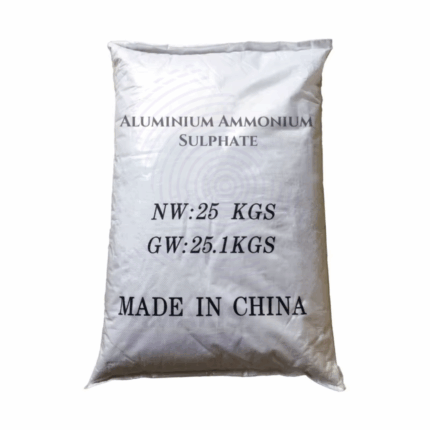
Aluminum ammonium sulphate, commonly known as ammonium alum or ammonium aluminum sulfate, is a crystalline chemical compound consisting of aluminum, ammonium, and sulfate ions. It typically appears as a colorless or white crystalline solid with astringent properties. It is widely used for its excellent coagulating, clarifying, and antiseptic properties. Aluminum ammonium sulphate finds applications in water purification, cosmetics, food processing, textile dyeing, and pharmaceuticals. Its ability to precipitate impurities and act as a mordant makes it invaluable in industries requiring precise control of chemical reactions, such as in the preparation of baking powder and fireproof textiles.
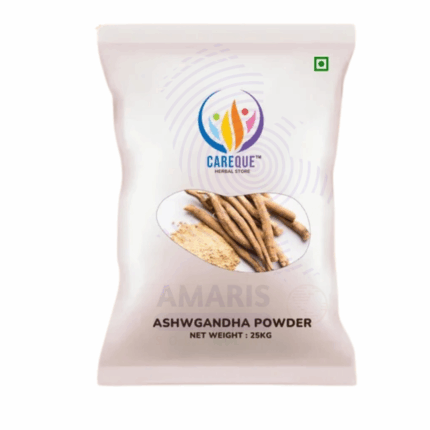
Ashawaganha Powder
Ashawaganha Powder is derived from the dried roots of Withania somnifera, a renowned herb in Ayurvedic and traditional medicine systems. Known as Indian ginseng or winter cherry, Ashwagandha is valued for its adaptogenic properties, helping the body combat stress, enhance vitality, and support overall wellness. The powder is finely ground root material, rich in bioactive compounds such as withanolides, alkaloids, and steroidal lactones. It is widely used as a dietary supplement, in herbal formulations, cosmetics, and traditional medicine.
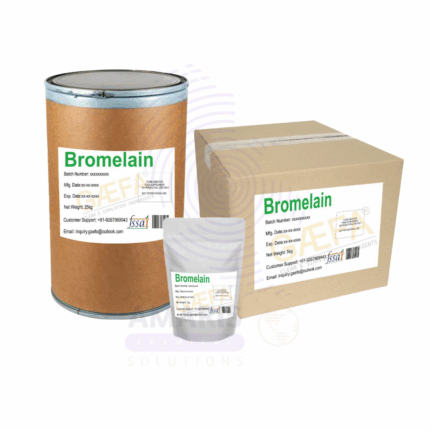
Bromelain
Bromelain is a natural mixture of proteolytic enzymes derived primarily from the stem and fruit of the pineapple plant (Ananas comosus). It appears as a pale yellow to off-white powder with a characteristic mild odor and is water-soluble. Bromelain exhibits protease activity, breaking down proteins into peptides and amino acids, making it valuable in medical, food, and industrial applications. It is widely used as an anti-inflammatory agent, digestive aid, meat tenderizer, and in cosmetic formulations due to its enzymatic and therapeutic properties.
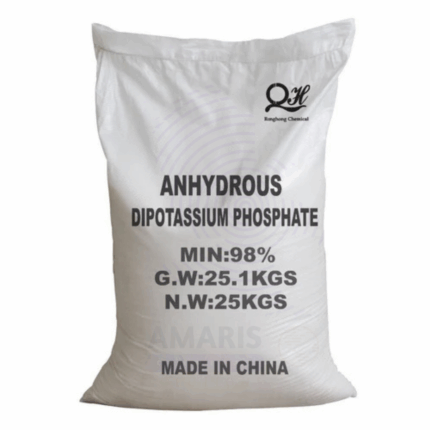
Dipotassium Hydrogen Phosphate
Dipotassium Hydrogen Phosphate (also known as dipotassium phosphate, DKP) is an inorganic salt used widely as a buffering agent, emulsifier, and nutritional supplement in various industries. It is a white, crystalline, highly water-soluble powder with alkaline properties. DKP plays a vital role in food processing, pharmaceuticals, water treatment, and agriculture due to its ability to stabilize pH, improve texture, and supply essential potassium and phosphate ions.
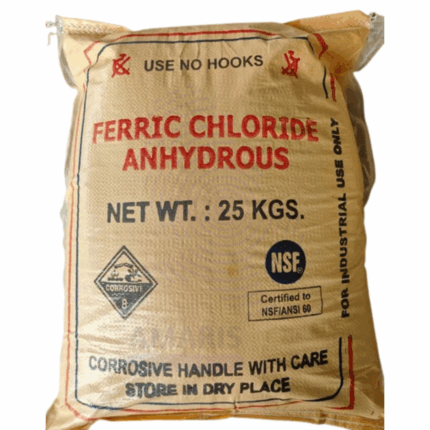
Ferric Chloride Anhydrous
Ferric Chloride Anhydrous (FeCl₃) is a dark brown to black crystalline solid with a metallic luster. It is a highly corrosive, hygroscopic inorganic salt widely used as a chemical reagent, catalyst, and coagulant. In its anhydrous form, ferric chloride is free of water and has a high purity of approximately 98%. It readily dissolves in water, releasing heat and producing acidic solutions. Ferric chloride is valued for its strong Lewis acid properties, making it effective in a variety of industrial, laboratory, and environmental applications. It is commonly supplied as a solid crystalline powder or lumps and should be handled with care due to its corrosive nature.
Mimosa Powder
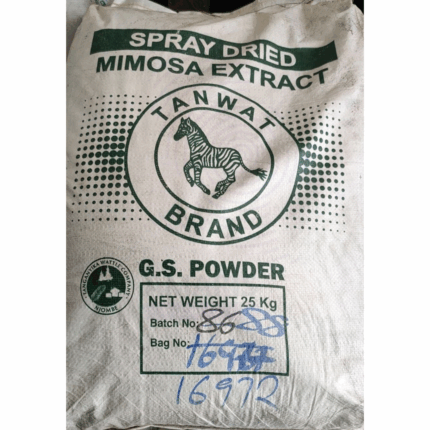
Mimosa Powder is a fine, light to dark brown powder derived from the bark of the Mimosa tenuiflora tree (also known as Mimosa hostilis or Jurema). Rich in tannins and natural polyphenolic compounds, this plant-based powder is widely recognized for its natural astringent, antioxidant, and antimicrobial properties. It is commonly used in cosmetics, traditional medicine, leather tanning, dyeing, and industrial applications. The powder is biodegradable and sustainable, making it a popular choice for natural product formulations.
Nicotinamide BP
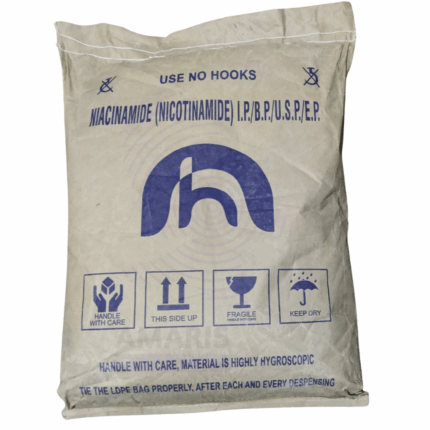
Nicotinamide BP, also known as niacinamide, is a water-soluble form of vitamin B3 (niacin). It is a vital nutrient involved in numerous cellular processes, including energy metabolism, DNA repair, and antioxidant activity. Widely used in pharmaceutical, cosmetic, and nutritional applications, Nicotinamide supports skin health, improves barrier function, and exhibits anti-inflammatory properties. It is commonly found in dietary supplements, skincare formulations, and medical treatments for various dermatological conditions.
Red Cherry Powder Flavor
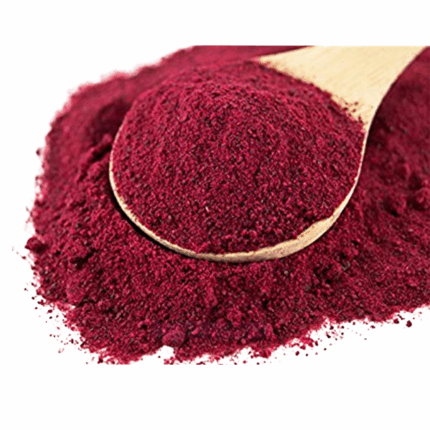
Red Cherry Powder Flavor is a high-quality, concentrated flavoring agent designed to impart a natural and vibrant cherry taste to a variety of food and beverage applications. This fine powder is made from carefully selected ingredients to ensure consistent flavor intensity, solubility, and stability. Ideal for use in dry mixes, confectionery, beverages, and baked goods, Red Cherry Powder Flavor provides a convenient and versatile way to enhance taste profiles without altering texture.












