

 Preservatives(food)
 Flavors
 Acidulants
 Sweeteners
 Antioxidants
 Colorants(food)
 Nutraceutical Ingredients (food)
 Nutrient Supplements
 Emulsifiers
 Collectors
 Dust Suppressants
 Explosives and Blasting Agents
 Flocculants and Coagulants
 Frothers
 Leaching Agents
 pH Modifiers
 Precious Metal Extraction Agents
 Antioxidants(plastic)
 Colorants (Pigments, Dyes)
 Fillers and Reinforcements
 Flame Retardants
 Monomers
 Plasticizers
 Polymerization Initiators
 Stabilizers (UV, Heat)
 Antifoaming Agents
 Chelating Agents
 Coagulants and Flocculants
 Corrosion Inhibitors
 Disinfectants and Biocides
 Oxidizing Agents
 pH Adjusters
 Scale Inhibitors( water)
 Antioxidants(cosmetic)
 Emollients
 Oils
Oils Carrier Oills
 Essential Oils
 Humectants
 Preservatives
 Surfactants(cosmetic)
 Thickeners
 UV Filters
 Fragrance (Cosmetics)
 Fertilizers
 Soil Conditioners
 Plant Growth Regulators
 Animal Feed Additives
 Biostimulants
 Pesticides (Herbicides, Insecticides, Fungicides)
 Active Pharmaceutical Ingredients (APIs)
 Excipients
 Solvents(pharmaceutical)
 Antibiotics
 Antiseptics and Disinfectants
 Vaccine Adjuvants
 Nutraceutical Ingredients (pharmaceutical)
 Analgesics & Antipyretics
 Analytical Reagents
 Solvents(lab)
 Chromatography Chemicals
 Spectroscopy Reagents
 microbiology-and-cell-culture-reagents
 Molecular Biology Reagents
 Biochemical Reagents
 Inorganic and Organic Standards
 Laboratory Safety Chemicals
 Specialty Laboratory Chemicals(Special Laboratory Equipment)
 Demulsifiers
 Hydraulic Fracturing Fluids
 Scale Inhibitors(oil)
 Surfactants(oil)
 Drilling Fluids
 Dyes and Pigments
 Bleaching Agents
 Softening Agents
 Finishing Agents
 Antistatic Agents
 Admixtures
 Waterproofing Agents
 Sealants and Adhesives
 Curing Compounds
 Concrete Repair Chemicals
 Anti-Corrosion Coatings
 Surfactants(cleaning)
 Builders
 Enzymes
 Solvents (Cleaning)
 Electronic Chemicals
 Catalysts
 Lubricants
 Photographic Chemicals
 Refrigerants
 Automotive chemicals
 Pyrotechnic Chemicals
 Biodegradable Surfactants
 Bio-based Solvents
 Renewable Polymers
 Carbon Capture Chemicals
 Wastewater Treatment Chemicals
 Pigments
 Solvents(paint)
 Specialty Coatings
 Binders/Resins
 Additives
 Driers
 Anti-Corrosion Agents
 Functional Coatings
 Application-Specific Coatings
 Leavening Agents
 Dough Conditioners
 Flour Treatments
 Fat Replacers
 Decoratives
 Preservatives(baking)
 Plasticizers & Softeners
 Reinforcing Agents
 Adhesion Promoters
 Vulcanizing Agents
 Antidegradants
 Blowing Agents
 Fillers & Extenders
 Accelerators & Retarders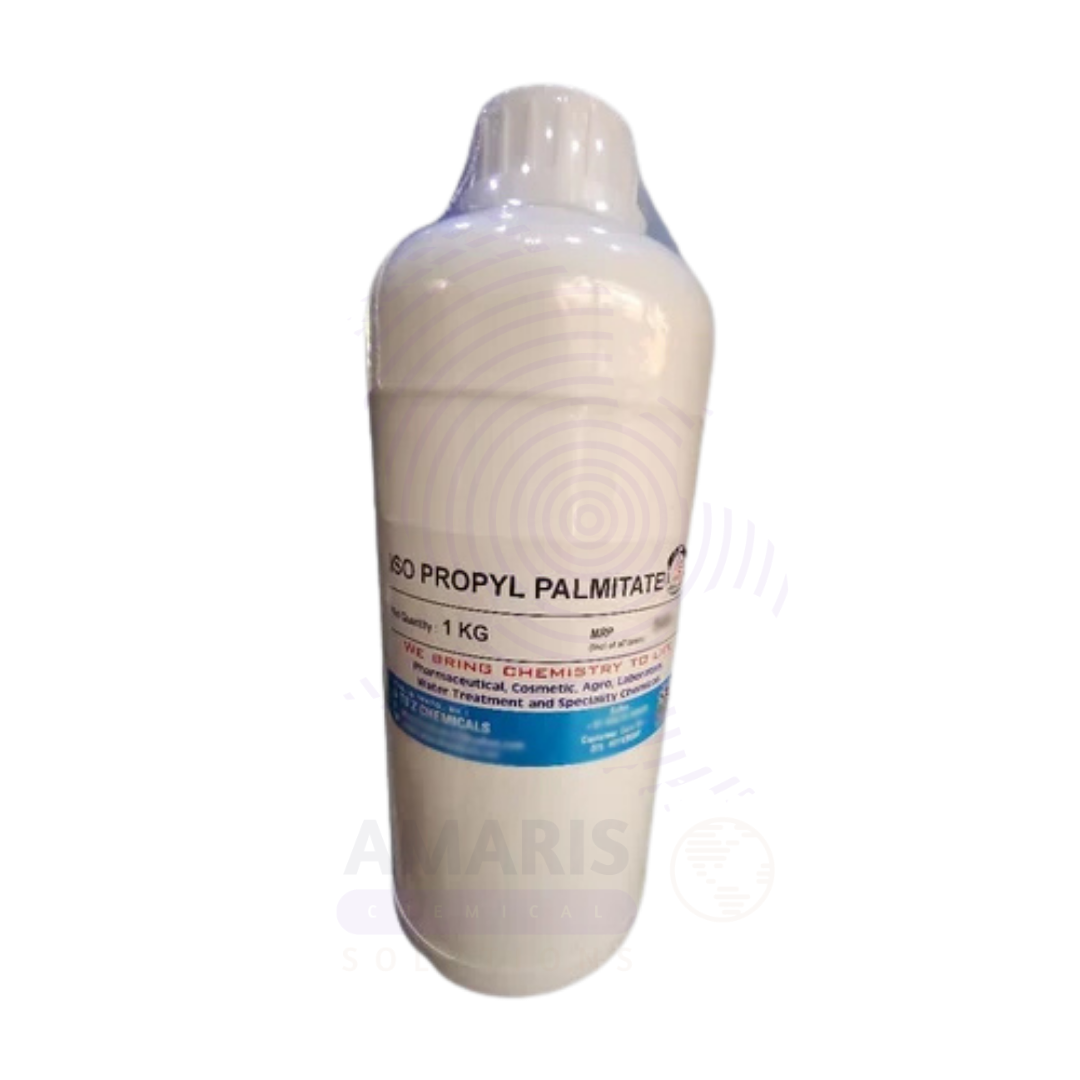


Isopropyl Palmitate Extra Pure
Original price was: $ 35.65.$ 35.56Current price is: $ 35.56.
Isopropyl Palmitate Extra Pure is a highly refined ester of isopropyl alcohol and palmitic acid, known for its exceptional emollient, spreading, and moisturizing properties. This clear, colorless to pale yellow liquid is widely used in laboratory formulations focused on cosmetic, pharmaceutical, and personal care research. It is especially valued for its ability to impart a smooth, silky texture without an oily feel, making it ideal for lotions, creams, and topical products. In experimental applications, Isopropyl Palmitate serves as a non-greasy carrier, solvent, or skin-conditioning agent, aiding in the delivery of active compounds through the skin. Its extra pure grade ensures consistent performance and minimal impurities for sensitive applications.
Isopropyl Palmitate Extra Pure
Primary Uses
- Emollient Agent in Cosmetic Formulation Studies:
Commonly used as a model ester in lab research to develop creams, lotions, and topical preparations, especially in cosmetic science. - Solvent and Carrier in Delivery System Experiments:
Functions as a non-aqueous solvent and delivery vehicle for lipophilic (oil-soluble) compounds, especially in transdermal and dermal absorption studies. - Texture and Spreadability Testing:
Evaluated in product development experiments focused on the viscosity, feel, and spreading behavior of emulsions and oil-based products.
Secondary Uses
- Skin Permeation Enhancer:
Studied in pharmaceutical and dermatological labs for its role in enhancing transdermal penetration of active pharmaceutical ingredients (APIs). - Stability and Compatibility Testing:
Used in tests analyzing chemical stability and ingredient compatibility in emulsified and anhydrous formulations. - Model Compound in Fatty Ester Research:
Serves as a standard compound in academic and industrial research on fatty acid esters and their roles in topical delivery.
1. Basic Identification Attributes
- Product Name: Isopropyl Palmitate
- Chemical Name: Propan-2-yl hexadecanoate
- Grade: Extra Pure
- Chemical Formula: C₁₉H₃₈O₂
- Molecular Weight: 298.50 g/mol
- CAS Number: 142-91-6
- Appearance: Clear, colorless to pale yellow oily liquid
- Odor: Slight, characteristic ester-like odor
2. Composition
- Purity: ≥99% (Extra Pure grade)
- Main Component: Isopropyl Palmitate
- Impurities: Trace amounts of other esters or fatty acids
3. Physical & Chemical Properties
- Boiling Point: ~165–170 °C at 5 mmHg
- Melting Point: ~15–20 °C
- Flash Point: ~150 °C (closed cup)
- Density: ~0.85 g/cm³ at 25 °C
- Solubility: Insoluble in water; miscible with organic solvents and oils
- Stability: Chemically stable under normal laboratory conditions
4. Safety & Hazard Attributes
- GHS Classification:
✅ Not classified as hazardous under standard lab handling - Hazard Statements:
- Generally considered non-hazardous
- May cause slight skin or eye irritation with excessive exposure
- PPE Requirements:
- Safety goggles
- Nitrile or latex gloves
- Lab coat
- First Aid Measures:
- Skin Contact: Wash thoroughly with soap and water
- Eye Contact: Rinse cautiously with clean water
- Inhalation: Low volatility—move to fresh air if irritation occurs
- Ingestion: Rinse mouth; seek medical advice if symptoms develop
- Fire Hazards:
- Combustible liquid
- Use CO₂, dry chemical, or foam to extinguish fire
5. Storage & Handling Attributes
- Storage Conditions:
- Store in a tightly sealed container
- Keep in a cool, dry area away from oxidizing agents
- Protect from direct sunlight
- Handling Tips:
- Avoid contact with eyes and skin
- Practice good laboratory hygiene after handling
- No special ventilation required under normal use
6. Laboratory Applications
- Primary Uses:
- Non-polar solvent or carrier in formulations
- Emollient and dispersant in drug and cosmetic research
- Medium for dissolving lipophilic compounds in experiments
- Secondary Uses:
- Used in transdermal delivery system testing
- Standard emollient in stability and penetration studies
- Lubricating agent in physical property testing
- Component in developing in-vitro skin absorption models
SAFETY PRECAUTIONS
Personal Protective Equipment (PPE):
- Wear lab coat, nitrile gloves, and safety goggles.
- Work in a well-ventilated area or use a fume hood to avoid inhalation of vapors.
Handling:
- Avoid contact with eyes, skin, and clothing.
- Do not inhale vapors or mist.
- Wash hands thoroughly after handling.
- Handle away from heat and open flames.
Storage:
- Store in a tightly closed container.
- Keep in a cool, dry, well-ventilated area.
- Protect from light and sources of ignition.
- Keep away from oxidizing agents.
FIRST AID MEASURES
Inhalation:
- Move person to fresh air.
- Seek medical attention if symptoms such as dizziness or respiratory irritation occur.
Skin Contact:
- Wash with mild soap and water.
- Remove contaminated clothing.
- Seek medical attention if irritation develops.
Eye Contact:
- Rinse thoroughly with water for several minutes.
- Remove contact lenses if present and easy to do.
- Get medical attention if irritation persists.
Ingestion:
- Rinse mouth with water.
- Do not induce vomiting.
- Seek immediate medical advice.
FIRE FIGHTING MEASURES
Flammability:
- Combustible liquid—can ignite at high temperatures.
Extinguishing Media:
- Use dry chemicals, carbon dioxide (CO₂), or foam.
- Water spray may be used to cool containers but not as a primary extinguishing agent.
Hazardous Combustion Products:
- May emit carbon oxides (CO, CO₂) under fire conditions.
Firefighter Protection:
- Use self-contained breathing apparatus (SCBA) and wear full protective gear.
- Keep containers cool with water spray if exposed to fire.
Related products
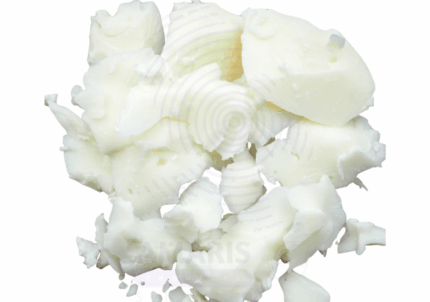
Apricot Wax
Apricot Wax is a natural wax extracted from the kernels (seeds) of apricot fruit (Prunus armeniaca). It is a light, pale yellow to amber-colored wax known for its emollient, moisturizing, and film-forming properties. Apricot Wax is valued in cosmetics and personal care formulations for providing texture, stability, and a smooth, non-greasy feel. It is biodegradable, skin-friendly, and often used as a natural alternative to synthetic waxes. Derived through cold-pressing or solvent extraction, it contains natural fatty acids, esters, and vitamin E, contributing to its nourishing effects. Apricot Wax is commonly used in lip balms, creams, lotions, hair care products, and pharmaceutical ointments.
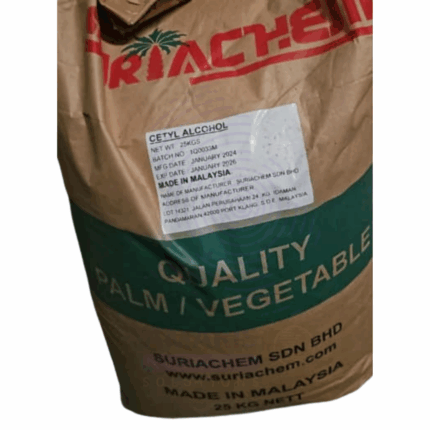
Cetyl Alcohol
Cetyl Alcohol, also known as 1-Hexadecanol or Palmityl Alcohol, is a fatty alcohol derived primarily from natural sources such as palm oil and coconut oil. It appears as a waxy, white to pale yellow solid with a faint fatty odor. Cetyl Alcohol is widely used in cosmetic, pharmaceutical, and industrial formulations due to its emollient, emulsifying, thickening, and stabilizing properties. It helps improve texture, consistency, and moisturizing effects in personal care products. Cetyl Alcohol is compatible with many ingredients, making it a versatile multifunctional ingredient.
Cetyl Palmitate
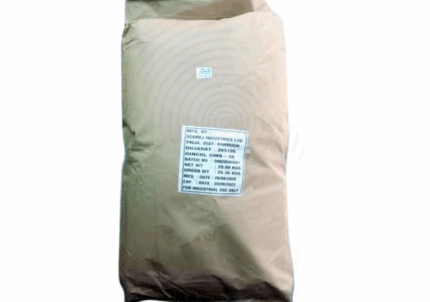
Cetyl Palmitate is a naturally derived ester formed by the reaction of cetyl alcohol and palmitic acid. It appears as a white to off-white waxy solid with a mild fatty odor. This compound is widely used in cosmetic, pharmaceutical, and industrial formulations for its emollient, thickening, and texture-enhancing properties. Cetyl Palmitate imparts a smooth, creamy feel to products and contributes to improved stability and consistency in creams, lotions, balms, and ointments. Its film-forming and skin-conditioning attributes make it a preferred ingredient in personal care products as well as in specialty industrial applications.
Cupric Chloride Extra Pure
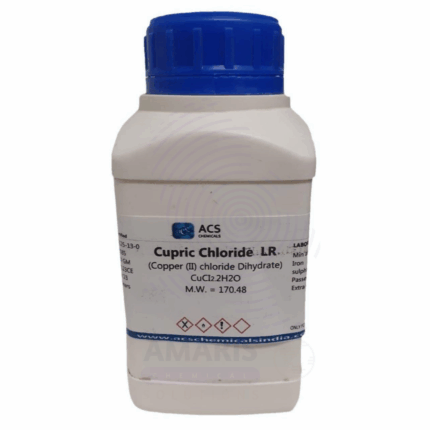
Cupric Chloride Extra Pure is a green to yellowish crystalline compound widely used in laboratories as a catalyst, reagent, and source of copper ions in various chemical reactions. It plays a key role in organic synthesis, photochemical processes, and analytical chemistry procedures, especially for detecting reducing agents and halide ions. Its high solubility in water and alcohol allows for versatile application across wet-lab experiments. The extra pure grade ensures excellent reliability and minimal impurities, making it ideal for precision work in research and education. Store in a cool, dry place, protected from moisture and light to preserve its reactivity.
Formaldehyde (Formalin) Extra Pure
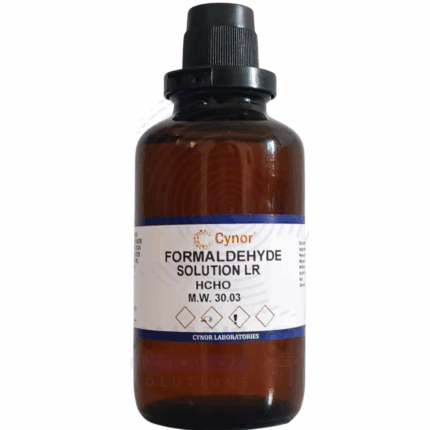
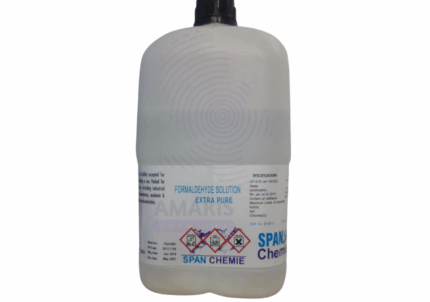
Formaldehyde (Formalin) Extra Pure is a highly concentrated and refined aqueous solution of formaldehyde gas, commonly used in laboratories, industrial processes, and research applications. Renowned for its potent disinfectant and preservative properties, it is widely employed in histology for tissue fixation, in microbiology for sterilization, and in various chemical syntheses as a versatile reagent and building block. Its extra pure grade ensures minimal impurities, making it suitable for sensitive analytical procedures, formulation work, and high-precision chemical reactions. This product must be handled with care due to its volatility and toxic nature, especially in enclosed environments.
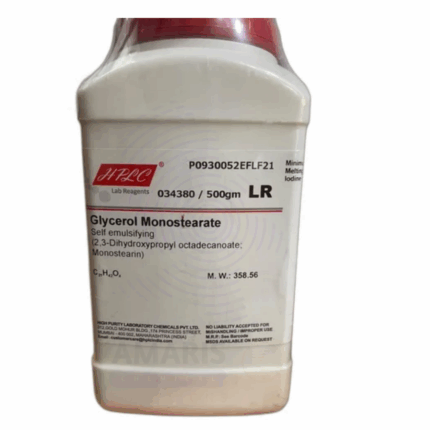
Glycerol Monostearate Extra Pure
Glycerol Monostearate Extra Pure is a high-purity, white, odorless, and tasteless powder or flake widely used as an emulsifier, thickening agent, and stabilizer. In laboratory and industrial settings, it is particularly valuable for its role in forming stable emulsions in aqueous and oily systems. Commonly used in food science experiments, pharmaceutical formulations, and cosmetic product development, GMS improves consistency and shelf-life. It also serves as a dispersing agent and plasticizer in various polymer applications. Its extra pure grade ensures reliable performance where precision and chemical cleanliness are required.

Italtext Premium Extra Pure
Italtext Premium Extra Pure is a specialized industrial-grade formulation designed for high-performance cleaning, degreasing, or maintenance applications in laboratories, workshops, and technical environments. Known for its powerful action and superior purity, it effectively breaks down heavy soils, stubborn residues, and oily contaminants without compromising sensitive surfaces. This heavy-duty product is ideal for use in precision equipment care, lab bench sanitation, and pre-treatment of surfaces requiring strict cleanliness. Its “Extra Pure” classification guarantees consistent results with minimal interference in analytical or sensitive processes, making it a reliable choice for demanding professional settings.

Powdered Vitamin A Palmitate Extra Pure
Powdered Vitamin A Palmitate Extra Pure is a stabilized form of Vitamin A in fine powder form, offering excellent bioavailability and long shelf life. This compound is widely used in nutritional supplements, fortified foods, and cosmetics for its essential role in supporting vision, immune health, and skin regeneration. Its extra pure grade makes it highly suitable for precise formulation in pharmaceuticals and research-grade preparations. Additionally, it's favored in cosmetic formulations for anti-aging and skin-repair treatments due to its potent antioxidant and cell-regenerative properties.












