

 Preservatives(food)
 Flavor Enhancers
 Acidulants
 Sweeteners
 Antioxidants
 Colorants(food)
 Nutraceutical Ingredients (food)
 Nutrient Supplements
 Emulsifiers
 Collectors
 Dust Suppressants
 Explosives and Blasting Agents
 Flocculants and Coagulants
 Frothers
 Leaching Agents
 pH Modifiers
 Precious Metal Extraction Agents
 Antioxidants(plastic)
 Colorants (Pigments, Dyes)
 Fillers and Reinforcements
 Flame Retardants
 Monomers
 Plasticizers
 Polymerization Initiators
 Stabilizers (UV, Heat)
 Antifoaming Agents
 Chelating Agents
 Coagulants and Flocculants
 Corrosion Inhibitors
 Disinfectants and Biocides
 Oxidizing Agents
 pH Adjusters
 Scale Inhibitors( water)
 Antioxidants(cosmetic)
 Emollients
 Fragrances and Essential Oils
 Humectants
 Preservatives
 Surfactants(cosmetic)
 Thickeners
 UV Filters
 Fertilizers
 Soil Conditioners
 Plant Growth Regulators
 Animal Feed Additives
 Biostimulants
 Pesticides (Herbicides, Insecticides, Fungicides)
 Active Pharmaceutical Ingredients (APIs)
 Excipients
 Solvents(pharmaceutical)
 Antibiotics
 Antiseptics and Disinfectants
 Vaccine Adjuvants
 Nutraceutical Ingredients (pharmaceutical)
 Analgesics & Antipyretics
 Analytical Reagents
 Solvents(lab)
 Chromatography Chemicals
 Spectroscopy Reagents
 microbiology-and-cell-culture-reagents
 Molecular Biology Reagents
 Biochemical Reagents
 Inorganic and Organic Standards
 Laboratory Safety Chemicals
 Specialty Laboratory Chemicals(Special Laboratory Equipment)
 Demulsifiers
 Hydraulic Fracturing Fluids
 Scale Inhibitors(oil)
 Surfactants(oil)
 Drilling Fluids
 Dyes and Pigments
 Bleaching Agents
 Softening Agents
 Finishing Agents
 Antistatic Agents
 Admixtures
 Waterproofing Agents
 Sealants and Adhesives
 Curing Compounds
 Concrete Repair Chemicals
 Anti-Corrosion Coatings
 Surfactants(cleaning)
 Builders
 Enzymes
 Solvents (Cleaning)
 Fragrances
 Electronic Chemicals
 Catalysts
 Lubricants
 Photographic Chemicals
 Refrigerants
 Automotive chemicals
 Pyrotechnic Chemicals
 Biodegradable Surfactants
 Bio-based Solvents
 Renewable Polymers
 Carbon Capture Chemicals
 Wastewater Treatment Chemicals
 Pigments
 Solvents(paint)
 Specialty Coatings
 Binders/Resins
 Additives
 Driers
 Anti-Corrosion Agents
 Functional Coatings
 Application-Specific Coatings
 Leavening Agents
 Dough Conditioners
 Flour Treatments
 Fat Replacers
 Decoratives
 Preservatives(baking)
 Plasticizers & Softeners
 Reinforcing Agents
 Adhesion Promoters
 Vulcanizing Agents
 Antidegradants
 Blowing Agents
 Fillers & Extenders
 Accelerators & Retarders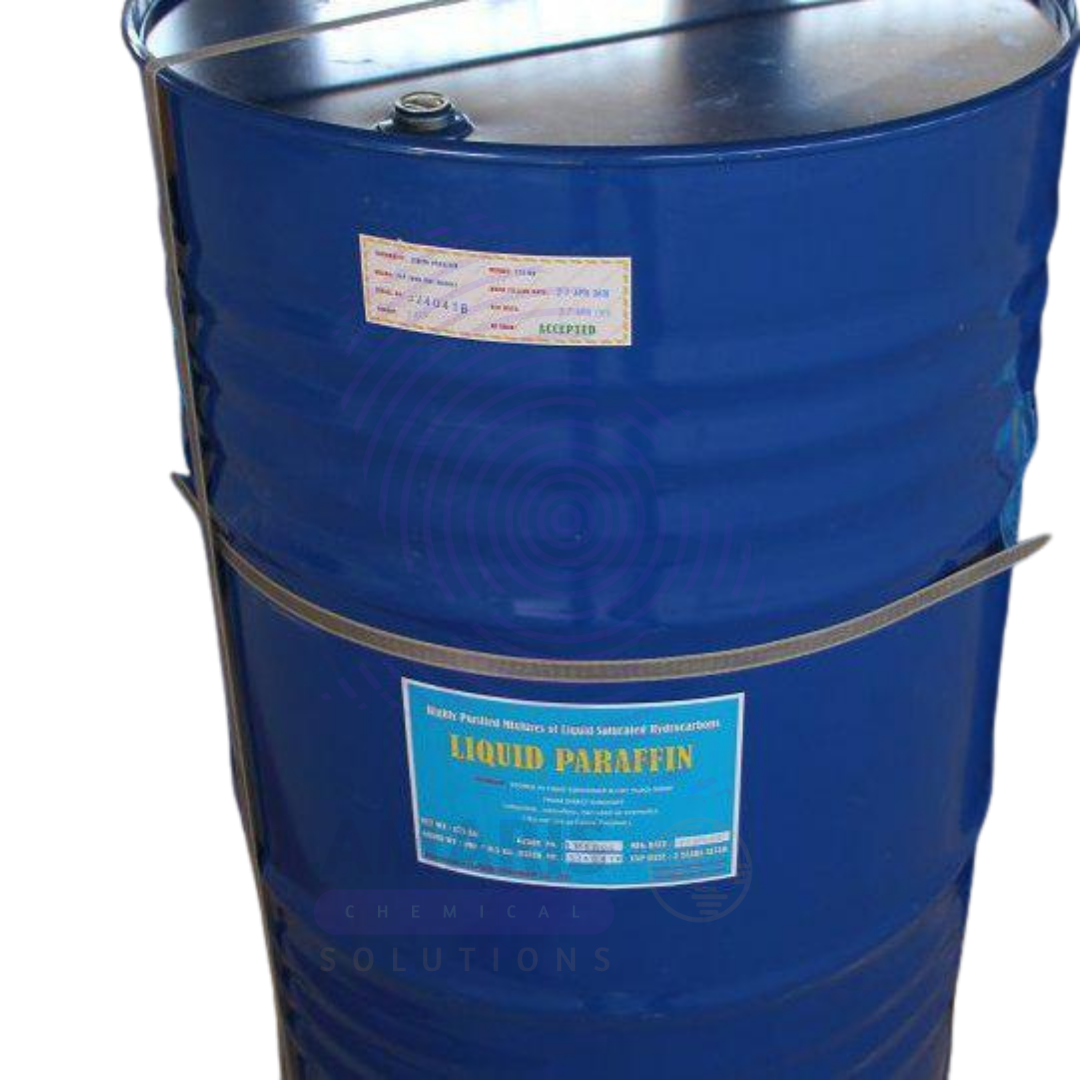


Liquid Paraffin
Liquid Paraffin, also known as mineral oil, is a clear, colorless, odorless, and tasteless petroleum-derived liquid hydrocarbon. It is composed primarily of saturated hydrocarbons and is highly refined to meet pharmaceutical and cosmetic grade standards. Liquid Paraffin is widely used for its lubricating, moisturizing, and protective properties. It is non-volatile, chemically stable, and insoluble in water, making it ideal for applications in personal care, pharmaceuticals, and industrial lubrication.
Liquid Paraffin
Primary Uses
- Pharmaceutical and Medical Applications
- Used as a laxative and stool softener in oral formulations to relieve constipation.
- Acts as a base and carrier in ointments, creams, and other topical medicinal products.
- Utilized in eye drops and other pharmaceutical preparations for lubrication and protection.
- Cosmetic and Personal Care Industry
- Employed as a moisturizer and skin protectant in lotions, creams, baby oils, and makeup removers.
- Acts as a lubricant and emollient in hair care products and massage oils.
- Used in lip balms and other personal care products to prevent moisture loss.
- Industrial Applications
- Functions as a lubricant and coolant in machinery, metalworking, and manufacturing processes.
- Used in textile, printing, and leather industries as a softening and lubricating agent.
- Serves as a release agent and anti-corrosive coating for delicate equipment and tools.
Secondary Uses
- Food Industry
- Used as a release agent and processing aid in food packaging and confectionery manufacturing (where food-grade quality is ensured).
- Electrical Industry
- Utilized as an insulating oil and cooling fluid in electrical transformers and capacitors.
- Household Uses
- Applied as a furniture polish, lubricant for locks and hinges, and protectant for leather goods.
1. Basic Identification Attributes
- Chemical Name (IUPAC): Mineral oil (a mixture of alkanes)
- Common/Trade Name: Liquid Paraffin; Mineral Oil; Paraffinum Liquidum
- CAS Number: 8042-47-5
- HS Code: 2710.19.00
- Synonyms: Paraffin oil; White mineral oil; Liquid paraffin
2. Physical & Chemical Properties
- Physical State: Clear, viscous liquid
- Color & Odor: Colorless; odorless
- Density: Approximately 0.82 – 0.88 g/cm³
- Solubility: Insoluble in water; soluble in organic solvents
- Flash Point: >150°C (varies by grade)
- Viscosity: Low to moderate, dependent on grade and temperature
3. Safety & Hazard Attributes
- GHS Classification: Not classified as hazardous under normal use
- Toxicity: Non-toxic when used as directed; food-grade available for ingestion in limited applications
- Exposure Limits: Not specifically regulated; standard industrial hygiene applies
4. Storage & Handling Attributes
- Storage Conditions: Store in a cool, dry, and well-ventilated area away from ignition sources
- Container Type: Food-grade drums, metal or plastic containers
- Shelf Life: Indefinite if stored properly, avoiding contamination
- Handling Precautions: Avoid prolonged skin contact; prevent contamination with dust or other materials
5. Regulatory & Compliance Attributes
- Complies with FDA, USP, and other pharmacopeia standards for medical and cosmetic uses
- Meets purity requirements for pharmaceutical and cosmetic applications
- Subject to transportation regulations for flammable liquids depending on grade
6. Environmental & Health Impact
- Biodegradability: Poorly biodegradable due to petroleum origin
- Ecotoxicity: Can be harmful to aquatic life if released in large amounts
- Bioaccumulation: Potential for bioaccumulation; avoid environmental discharge
- Carcinogenicity/Mutagenicity: Not classified as carcinogenic in refined grades
Safety Handling Precautions
- PPE Required: Gloves recommended for prolonged handling; safety goggles if splashing risk
- Handling Guidelines: Use in well-ventilated areas; avoid inhalation of vapors or mist
- Storage Measures: Keep containers sealed and away from incompatible materials such as strong oxidizers
First Aid Measures
- Inhalation: Move to fresh air if respiratory irritation occurs
- Skin Contact: Wash with soap and water; remove contaminated clothing
- Eye Contact: Rinse thoroughly with water for at least 15 minutes; seek medical advice if irritation persists
- Ingestion: Do not induce vomiting; seek medical attention if large quantities ingested
Firefighting Measures
- Fire Hazards: Combustible liquid; can burn if exposed to flame or high heat
- Extinguishing Media: Use foam, dry chemical, or carbon dioxide extinguishers
- Special Precautions: Avoid inhalation of smoke and fumes; wear full protective gear and self-contained breathing apparatus in fire situations
- Hazardous Combustion Products: Carbon oxides and other irritating vapors
Related products
Bentonite Powder
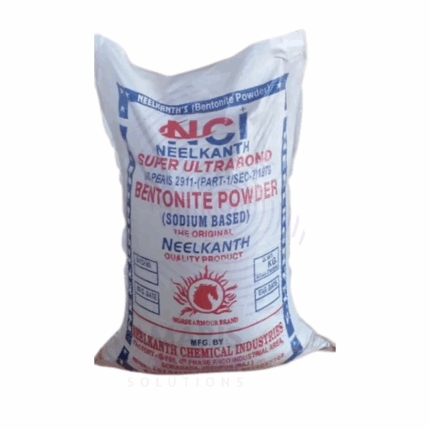
Bentonite powder is a naturally occurring absorbent clay primarily composed of montmorillonite, a type of smectite clay mineral. It exhibits excellent swelling and water absorption properties, making it highly versatile in industrial and commercial applications. Bentonite forms a gel-like substance when mixed with water, which imparts viscosity and plasticity. It is used extensively for its binding, sealing, and adsorptive characteristics. Its fine powder form allows for easy incorporation in various processes including drilling, foundry, cosmetics, pharmaceuticals, and agriculture.
Binder
A binder is a broad category of substances—organic or inorganic—used to hold different materials together in a cohesive mass. Common binders include natural polymers (starch, cellulose derivatives, proteins), synthetic resins (PVA, acrylics, phenolics), and inorganic binders (clays, cement, lime). They are essential in industries such as pharmaceuticals, construction, coatings, ceramics, adhesives, and printing, where they provide structural integrity, adhesion, and controlled release properties.
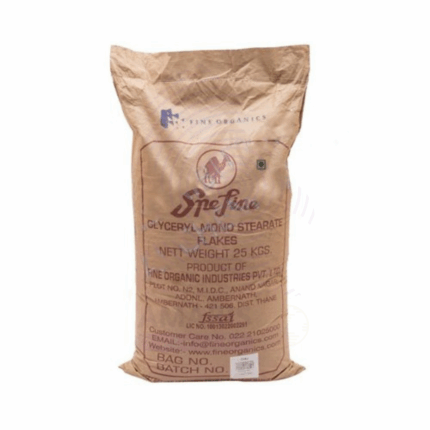
Glycerol Monostearate Flakes
Glycerol Monostearate Flakes is a white to off-white waxy flake form emulsifier composed of 40% monoglycerides of fatty acids, primarily stearic and palmitic acids, combined with other glycerides and esters. Derived mainly from vegetable oils, this food-grade emulsifier is widely utilized in food, cosmetic, pharmaceutical, and industrial sectors for its multifunctional properties. GMS 40% flakes serve as effective emulsifiers, stabilizers, anti-caking agents, and texture enhancers, with excellent compatibility and versatility in formulations requiring semi-solid or solid fats.
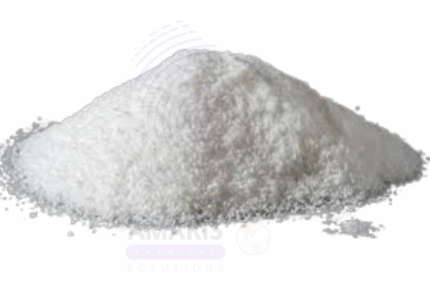
Methyl Cellulose 400mpc
Methyl Cellulose 400mpc is a chemically modified cellulose derivative in powder form. It is a non-ionic, water-soluble polymer widely used as a thickener, binder, emulsifier, and film former. It exhibits excellent water retention, viscosity control, and thermal gelation properties, making it ideal for applications in construction, pharmaceuticals, food, and cosmetics.

Polyvinyl Chloride PE Wax
Polyvinyl Chloride PE Wax is a polyethylene-based wax additive used in PVC formulations to improve processing, lubrication, and surface finish. It serves as an internal and external lubricant in both rigid and flexible PVC products, enhancing extrusion, molding, and calendaring operations. It also contributes to better dispersion of fillers and pigments, reduced friction, and improved thermal stability. PE Wax for PVC is available in powder, flake, or granule form and is valued for its compatibility, thermal resistance, and cost-effectiveness.
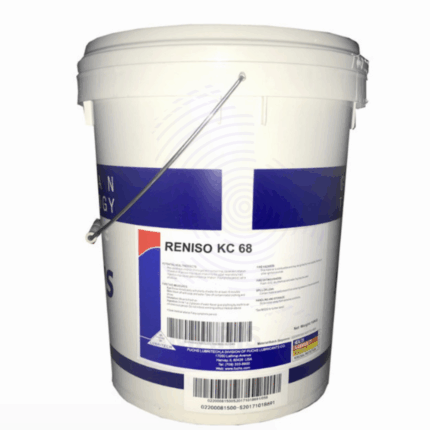
Renisco KCS 68
Renisco KCS 68 is a clay-coated, controlled-release potassium sulfate fertilizer granule containing approximately 68% K₂O equivalent. The clay coating regulates potassium release, aligning nutrient availability with plant uptake over an extended period. This minimizes leaching and enhances nutrient-use efficiency. Renisco KCS 68 is widely used in horticulture, agriculture, turf management, and specialty crop production.
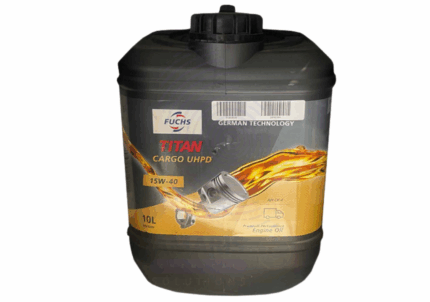
Titan Power 40 SAE
Titan Power 40 SAE is a high-performance monograde engine oil formulated for diesel and gasoline engines operating under moderate to severe conditions. Classified as SAE 40 by the Society of Automotive Engineers, this oil offers excellent thermal stability, wear protection, and oxidation resistance. It is particularly suited for older-generation engines and equipment in on-road, off-road, industrial, and marine environments where SAE 40 is specified. The formulation ensures reliable lubrication, engine cleanliness, and extended engine life.
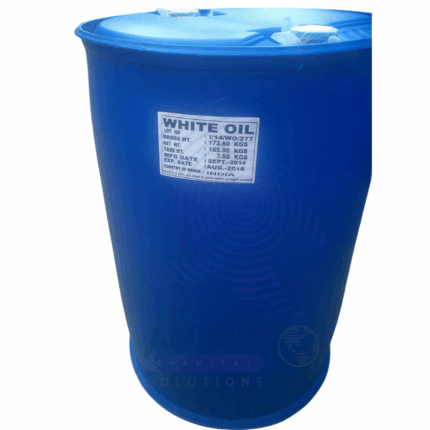
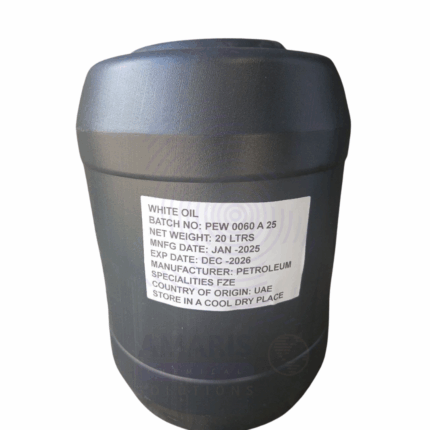
White Oil
White Oil, also known as Mineral Oil or Liquid Paraffin, is a highly refined, clear, odorless, and tasteless petroleum-derived oil. It is composed of saturated aliphatic hydrocarbons and is available in various viscosity grades depending on the intended application. The product is extensively purified to remove aromatic hydrocarbons, sulfur compounds, and other impurities, making it suitable for use in personal care, pharmaceutical, food, and industrial applications. White Oil is prized for its excellent lubricity, moisture barrier function, chemical stability, and non-comedogenic properties.
White Oil supplied in a 162 kg drum format is typically used in bulk manufacturing and industrial-scale processing across multiple sectors.












