

 Preservatives(food)
 Flavor Enhancers
 Acidulants
 Sweeteners
 Antioxidants
 Colorants(food)
 Nutraceutical Ingredients (food)
 Nutrient Supplements
 Emulsifiers
 Collectors
 Dust Suppressants
 Explosives and Blasting Agents
 Flocculants and Coagulants
 Frothers
 Leaching Agents
 pH Modifiers
 Precious Metal Extraction Agents
 Antioxidants(plastic)
 Colorants (Pigments, Dyes)
 Fillers and Reinforcements
 Flame Retardants
 Monomers
 Plasticizers
 Polymerization Initiators
 Stabilizers (UV, Heat)
 Antifoaming Agents
 Chelating Agents
 Coagulants and Flocculants
 Corrosion Inhibitors
 Disinfectants and Biocides
 Oxidizing Agents
 pH Adjusters
 Scale Inhibitors( water)
 Antioxidants(cosmetic)
 Emollients
 Fragrances and Essential Oils
 Humectants
 Preservatives
 Surfactants(cosmetic)
 Thickeners
 UV Filters
 Fertilizers
 Soil Conditioners
 Plant Growth Regulators
 Animal Feed Additives
 Biostimulants
 Pesticides (Herbicides, Insecticides, Fungicides)
 Active Pharmaceutical Ingredients (APIs)
 Excipients
 Solvents(pharmaceutical)
 Antibiotics
 Antiseptics and Disinfectants
 Vaccine Adjuvants
 Nutraceutical Ingredients (pharmaceutical)
 Analgesics & Antipyretics
 Analytical Reagents
 Solvents(lab)
 Chromatography Chemicals
 Spectroscopy Reagents
 microbiology-and-cell-culture-reagents
 Molecular Biology Reagents
 Biochemical Reagents
 Inorganic and Organic Standards
 Laboratory Safety Chemicals
 Specialty Laboratory Chemicals(Special Laboratory Equipment)
 Demulsifiers
 Hydraulic Fracturing Fluids
 Scale Inhibitors(oil)
 Surfactants(oil)
 Drilling Fluids
 Dyes and Pigments
 Bleaching Agents
 Softening Agents
 Finishing Agents
 Antistatic Agents
 Admixtures
 Waterproofing Agents
 Sealants and Adhesives
 Curing Compounds
 Concrete Repair Chemicals
 Anti-Corrosion Coatings
 Surfactants(cleaning)
 Builders
 Enzymes
 Solvents (Cleaning)
 Fragrances
 Electronic Chemicals
 Catalysts
 Lubricants
 Photographic Chemicals
 Refrigerants
 Automotive chemicals
 Pyrotechnic Chemicals
 Biodegradable Surfactants
 Bio-based Solvents
 Renewable Polymers
 Carbon Capture Chemicals
 Wastewater Treatment Chemicals
 Pigments
 Solvents(paint)
 Specialty Coatings
 Binders/Resins
 Additives
 Driers
 Anti-Corrosion Agents
 Functional Coatings
 Application-Specific Coatings
 Leavening Agents
 Dough Conditioners
 Flour Treatments
 Fat Replacers
 Decoratives
 Preservatives(baking)
 Plasticizers & Softeners
 Reinforcing Agents
 Adhesion Promoters
 Vulcanizing Agents
 Antidegradants
 Blowing Agents
 Fillers & Extenders
 Accelerators & Retarders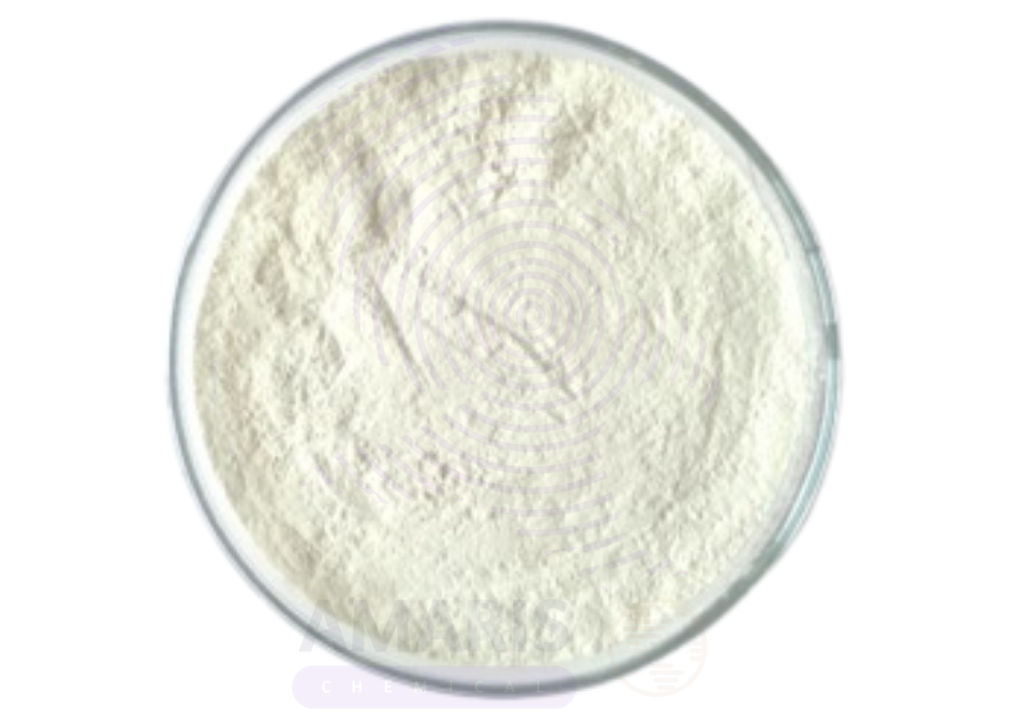



Oxyclozanide Vet BP
Oxyclozanide Vet BP is a veterinary anthelmintic effective mainly against liver fluke (Fasciola hepatica) and some intestinal flukes in ruminants such as cattle, sheep, and goats. It works by interfering with the parasite’s energy metabolism, leading to parasite death and improving animal health and productivity.
Oxyclozanide Vet BP
Primary Uses
- Liver Fluke Control in Ruminants
- Treats acute and chronic infections caused by Fasciola hepatica.
- Reduces liver damage and associated clinical symptoms (anemia, weight loss).
- Improves productivity (milk yield, weight gain) in infected animals.
- Control of Intestinal Trematodes
- Effective against Paramphistomum spp. and other rumen flukes.
- Helps maintain gastrointestinal health and digestion efficiency.
- Veterinary Anthelmintic Therapy
- Used as a stand-alone treatment for fluke infections in cattle and sheep.
- Administered orally in doses according to veterinary prescription.
Secondary Uses
- Preventive Deworming Programs
- Used strategically during high-risk seasons to prevent heavy fluke infestations.
- Reduces pasture contamination by minimizing parasite egg shedding.
- Combination Therapy
- Occasionally combined with other antiparasitic agents (e.g., albendazole) for broader parasite spectrum coverage.
- Goat and Other Ruminant Use
- Off-label use under veterinary supervision for fluke treatment in goats and other ruminants.
- Improvement of Meat and Dairy Quality
- By controlling parasitic infections, it helps improve overall animal health and product quality.
- Use in Mixed-Parasite Infections
- Helpful in farms where liver fluke infections occur alongside other gastrointestinal parasites, as part of integrated parasite management.
- Research and Diagnostic Uses
- Used in veterinary research to study fluke resistance and pharmacodynamics.
1. Basic Identification Attributes
- Chemical Name (IUPAC): 2-[(4-Chlorophenyl)carbamoyl]-3,5-dichlorobenzoic acid
- Common/Trade Name: Oxyclozanide Vet BP
- CAS Number: 2272-92-8
- HS Code: 2933.79.90
- Synonyms: Oxyclozanide; Salicylanilide derivative
2. Physical & Chemical Properties
- Physical State: White to off-white crystalline powder
- Color & Odor: Odorless to mild characteristic odor
- Solubility: Slightly soluble in water; soluble in organic solvents such as ethanol and acetone
- Melting Point: Approximately 195–200 °C
3. Safety & Hazard Attributes
- GHS Classification: Not classified as hazardous; standard veterinary chemical precautions apply
- Toxicity: Low toxicity to mammals when used as directed
- Exposure Limits: Use protective equipment to avoid dust inhalation
4. Storage & Handling Attributes
- Storage Conditions: Store in a cool, dry, well-ventilated area away from direct sunlight
- Container Type: Supplied in sealed plastic or paper bags with liners
- Shelf Life: Typically 2 years if stored properly
- Handling Precautions: Avoid inhalation and prolonged skin contact; use gloves and dust mask if necessary
5. Regulatory & Compliance Attributes
- Complies with BP (British Pharmacopoeia) veterinary standards
- Approved for veterinary use under relevant national regulations
6. Environmental & Health Impact
- Biodegradability: Moderate biodegradability
- Ecotoxicity: Avoid release into the environment to prevent aquatic toxicity
- Bioaccumulation: Not expected to bioaccumulate
- Carcinogenicity/Mutagenicity: No evidence of carcinogenic or mutagenic effects
Safety Handling Precautions
- PPE Required: Gloves, dust mask, and safety goggles recommended during handling
- Handling Guidelines: Use in well-ventilated areas; avoid inhaling dust and contact with skin and eyes
- Storage Measures: Keep containers tightly closed and away from incompatible substances
First Aid Measures
- Inhalation: Move affected person to fresh air; seek medical advice if symptoms develop
- Skin Contact: Wash skin thoroughly with soap and water; seek medical attention if irritation occurs
- Eye Contact: Rinse immediately with plenty of water for at least 15 minutes; consult a doctor if irritation persists
- Ingestion: Do not induce vomiting; seek medical attention promptly
Firefighting Measures
- Fire Hazards: Non-flammable
- Extinguishing Media: Use water spray, foam, dry chemical, or CO₂ extinguishers as appropriate
- Special Precautions: Use standard protective firefighting gear
- Hazardous Combustion Products: May produce toxic fumes under fire conditions
Related products
Chloramphenicol Palmitate Micronised
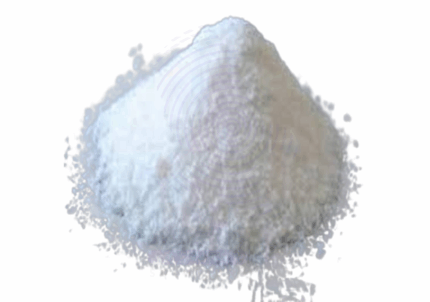
Chloramphenicol Palmitate Micronised is a micronized, lipophilic ester derivative of chloramphenicol, designed for improved solubility and bioavailability compared to the parent drug. It appears as a fine, white to off-white powder with enhanced surface area due to micronization. This antibiotic is widely used for oral formulations, particularly pediatric suspensions, due to its palatability and controlled release properties. Chloramphenicol Palmitate exhibits broad-spectrum antibacterial activity against both Gram-positive and Gram-negative bacteria. Its ester form offers better stability and reduced bitterness, making it a preferred choice in pharmaceutical preparations.
Diclofenac Sodium BP
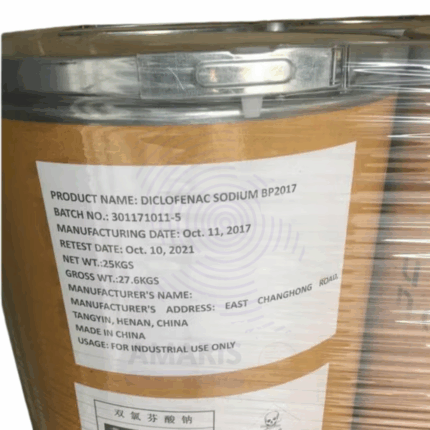
Diclofenac Sodium is a nonsteroidal anti-inflammatory drug (NSAID) widely used for its potent analgesic, anti-inflammatory, and antipyretic properties. It is the sodium salt form of diclofenac, providing enhanced solubility and rapid absorption. Diclofenac Sodium BP (British Pharmacopoeia standard) ensures pharmaceutical-grade purity and compliance with stringent quality standards. It is commonly formulated in oral tablets, topical gels, injections, and ophthalmic preparations.
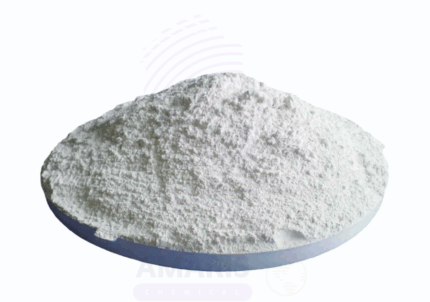
Diloxanide Furoate
Diloxanide Furoate is an orally administered antiprotozoal agent used primarily for the treatment of amoebiasis. It is a furan-based derivative that acts as a luminal amoebicide, effectively targeting Entamoeba histolytica cysts and trophozoites within the intestinal lumen. This compound is well-regarded for its efficacy in eradicating asymptomatic cyst carriers and as a follow-up treatment after systemic amoebicidal therapy. Diloxanide Furoate has good oral bioavailability and a favorable safety profile.

Diphenhydramine HCL BP
Diphenhydramine HCL BP is a first-generation antihistamine with potent anticholinergic, sedative, and antiemetic properties. It is commonly used to relieve symptoms associated with allergies, hay fever, the common cold, and motion sickness. Diphenhydramine HCL is a white crystalline powder, highly soluble in water, making it suitable for oral, topical, and injectable pharmaceutical formulations. Due to its ability to cross the blood-brain barrier, it causes sedation and is often used as a sleep aid and for managing Parkinson’s disease symptoms.
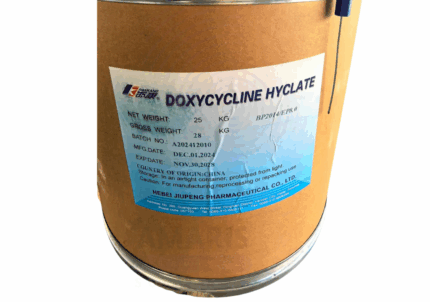
Doxycycline Hyclate BP
Doxycycline Hyclate BP is a broad-spectrum, semisynthetic tetracycline-class antibiotic available as the hemihydrate salt form of doxycycline. It is widely used in pharmaceutical formulations due to its high bioavailability, broad antibacterial activity, and favorable pharmacokinetic profile. The compound exhibits bacteriostatic action by inhibiting protein synthesis in susceptible bacteria, making it effective against a wide range of Gram-positive and Gram-negative organisms as well as atypical pathogens. It is typically supplied as a fine, white to off-white crystalline powder soluble in water and suitable for oral and parenteral dosage forms.
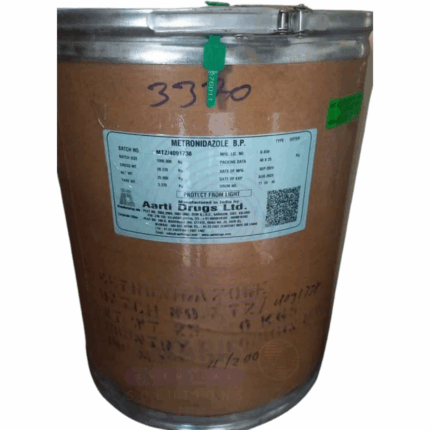
Metronidazole BP
Metronidazole BP is a benzoate ester derivative of metronidazole, used primarily as an antiprotozoal and antibacterial agent. It is a prodrug that hydrolyzes in the body to release metronidazole, making it more palatable for pediatric and geriatric oral suspensions. It complies with the British Pharmacopoeia (BP) standards for purity and efficacy.
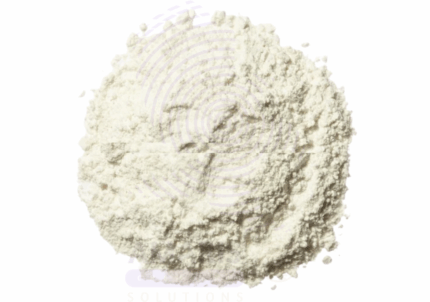
Neomycin Sulphate BP Oral
Neomycin Sulphate BP Oral is an aminoglycoside antibiotic derived from Streptomyces fradiae. It is used primarily for treating infections caused by susceptible aerobic gram-negative and some gram-positive bacteria. The oral form is especially utilized for intestinal antisepsis, to reduce bacterial flora before gastrointestinal surgery, or to treat hepatic encephalopathy by decreasing ammonia-producing bacteria in the gut. It is available in powder or tablet form conforming to British Pharmacopoeia (BP) standards, ensuring high purity and efficacy.
Piperazine Citrate BP
Piperazine Citrate BP is a pharmaceutical-grade anthelmintic compound used primarily for the treatment of intestinal worm infections, especially ascariasis (roundworms) and enterobiasis (pinworms). It works by paralyzing the worms, allowing them to be expelled naturally from the body through bowel movements. Piperazine Citrate is included in the British Pharmacopoeia (BP) and is known for its safety, efficacy, and wide use in both human and veterinary medicine.












