

 Preservatives(food)
 Flavors
 Acidulants
 Sweeteners
 Antioxidants
 Colorants(food)
 Nutraceutical Ingredients (food)
 Nutrient Supplements
 Emulsifiers
 Collectors
 Dust Suppressants
 Explosives and Blasting Agents
 Flocculants and Coagulants
 Frothers
 Leaching Agents
 pH Modifiers
 Precious Metal Extraction Agents
 Antioxidants(plastic)
 Colorants (Pigments, Dyes)
 Fillers and Reinforcements
 Flame Retardants
 Monomers
 Plasticizers
 Polymerization Initiators
 Stabilizers (UV, Heat)
 Antifoaming Agents
 Chelating Agents
 Coagulants and Flocculants
 Corrosion Inhibitors
 Disinfectants and Biocides
 Oxidizing Agents
 pH Adjusters
 Scale Inhibitors( water)
 Antioxidants(cosmetic)
 Emollients
 Oils
Oils Carrier Oills
 Essential Oils
 Humectants
 Preservatives
 Surfactants(cosmetic)
 Thickeners
 UV Filters
 Fragrance (Cosmetics)
 Fertilizers
 Soil Conditioners
 Plant Growth Regulators
 Animal Feed Additives
 Biostimulants
 Pesticides (Herbicides, Insecticides, Fungicides)
 Active Pharmaceutical Ingredients (APIs)
 Excipients
 Solvents(pharmaceutical)
 Antibiotics
 Antiseptics and Disinfectants
 Vaccine Adjuvants
 Nutraceutical Ingredients (pharmaceutical)
 Analgesics & Antipyretics
 Analytical Reagents
 Solvents(lab)
 Chromatography Chemicals
 Spectroscopy Reagents
 microbiology-and-cell-culture-reagents
 Molecular Biology Reagents
 Biochemical Reagents
 Inorganic and Organic Standards
 Laboratory Safety Chemicals
 Specialty Laboratory Chemicals(Special Laboratory Equipment)
 Demulsifiers
 Hydraulic Fracturing Fluids
 Scale Inhibitors(oil)
 Surfactants(oil)
 Drilling Fluids
 Dyes and Pigments
 Bleaching Agents
 Softening Agents
 Finishing Agents
 Antistatic Agents
 Admixtures
 Waterproofing Agents
 Sealants and Adhesives
 Curing Compounds
 Concrete Repair Chemicals
 Anti-Corrosion Coatings
 Surfactants(cleaning)
 Builders
 Enzymes
 Solvents (Cleaning)
 Electronic Chemicals
 Catalysts
 Lubricants
 Photographic Chemicals
 Refrigerants
 Automotive chemicals
 Pyrotechnic Chemicals
 Biodegradable Surfactants
 Bio-based Solvents
 Renewable Polymers
 Carbon Capture Chemicals
 Wastewater Treatment Chemicals
 Pigments
 Solvents(paint)
 Specialty Coatings
 Binders/Resins
 Additives
 Driers
 Anti-Corrosion Agents
 Functional Coatings
 Application-Specific Coatings
 Leavening Agents
 Dough Conditioners
 Flour Treatments
 Fat Replacers
 Decoratives
 Preservatives(baking)
 Plasticizers & Softeners
 Reinforcing Agents
 Adhesion Promoters
 Vulcanizing Agents
 Antidegradants
 Blowing Agents
 Fillers & Extenders
 Accelerators & Retarders

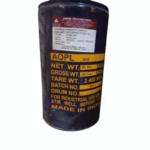

Potassium Chloride BP
Potassium Chloride BP (British Pharmacopoeia grade) is a high-purity, pharmaceutical-grade potassium salt widely used in medical, agricultural, and industrial applications. It is a white crystalline solid that is highly soluble in water and serves as an essential source of potassium ions in various biochemical and physiological processes. The BP grade ensures strict compliance with purity and quality standards, making it suitable for pharmaceutical formulations and clinical use.
Potassium Chloride BP
Primary Uses
- Pharmaceuticals and Medicine
- Used as an electrolyte replenisher in intravenous (IV) fluids and oral supplements to treat hypokalemia (low potassium levels).
- Ingredient in oral rehydration salts (ORS) to restore electrolyte balance.
- Used in tablet and capsule formulations for potassium supplementation.
- Agriculture
- Major component of potassium fertilizers (e.g., muriate of potash) to enhance soil fertility and crop yield.
- Used to correct potassium deficiencies in soil essential for plant growth.
- Food Industry
- Used as a salt substitute and food additive (E508) to reduce sodium content in processed foods.
- Acts as a stabilizer and preservative in food processing.
- Chemical Industry
- Employed in the manufacture of potassium hydroxide, potassium carbonate, and other potassium compounds.
- Used as a raw material in chemical synthesis and industrial processes.
Secondary Uses
- Water Treatment
- Used in water softening and conditioning systems to replace sodium ions with potassium ions.
- Laboratory Reagent
- Utilized as a standard reagent and electrolyte in analytical chemistry and biochemical assays.
- Animal Feed
- Added to animal feed formulations to provide essential potassium for livestock health and growth.
- Cosmetics and Personal Care
- Incorporated in some cosmetic products as a buffering agent and skin conditioning ingredient.
1. Basic Identification Attributes
- Chemical Name (IUPAC): Potassium chloride
- Common/Trade Name: Potassium Chloride BP
- CAS Number: 7447-40-7
- HS Code: 2834.29 (Potassium chlorides)
- Synonyms: KCl; muriate of potash (fertilizer grade)
2. Physical & Chemical Properties
- Physical State: Solid, crystalline powder or granules
- Color & Odor: White; odorless
- Solubility: Highly soluble in water (~34.2 g/100 mL at 20°C)
- Melting Point: 770°C (decomposes)
- Density: ~1.984 g/cm³
- Stability: Stable under normal conditions; non-reactive with water
3. Safety & Hazard Attributes
- GHS Classification: Not classified as hazardous under normal use; avoid excessive ingestion
Toxicity: Low toxicity; however, excessive intake can cause hyperkalemia - Exposure Limits: Follow standard occupational exposure guidelines; avoid inhalation of dust
4. Storage & Handling Attributes
- Storage Conditions: Store in a cool, dry, well-ventilated area away from moisture
- Container Type: Sealed plastic or glass containers to prevent contamination and moisture ingress
- Shelf Life: Typically 2–5 years if stored properly
- Handling Precautions: Use gloves and dust mask if handling large quantities; avoid dust generation
5. Regulatory & Compliance Attributes
- Complies with British Pharmacopoeia (BP) standards for pharmaceutical use
- Meets food-grade and agricultural chemical regulations where applicable
6. Environmental & Health Impact
- Biodegradability: Inorganic salt, not biodegradable but environmentally inert
- Ecotoxicity: Low environmental toxicity; high concentrations can affect aquatic life by altering ion balance
- Bioaccumulation: Not significant
Safety Handling Precautions
- PPE Required: Gloves, dust mask, and eye protection recommended during handling of bulk quantities
- Handling Guidelines: Avoid dust formation; use in well-ventilated areas
- Storage Measures: Keep containers tightly closed; protect from moisture
First Aid Measures
- Inhalation: Move to fresh air; seek medical attention if irritation occurs
- Skin Contact: Wash with soap and water; seek medical advice if irritation persists
- Eye Contact: Rinse thoroughly with water for 15 minutes; seek medical attention if irritation continues
- Ingestion: Rinse mouth with water; seek medical advice if large quantities are ingested
Firefighting Measures
- Fire Hazards: Non-flammable and non-combustible
- Extinguishing Media: Use appropriate extinguishing media for surrounding fire (water, foam, dry chemical)
- Special Precautions: None required specific to potassium chloride
- Hazardous Combustion Products: None
Related products
Carbocisteine AJI 92
Carbocisteine AJI 92 is a high-purity pharmaceutical-grade amino acid derivative, chemically known as S-carboxymethyl-L-cysteine. It is a white to off-white crystalline powder with a slightly sulfurous odor and is freely soluble in water. Carbocisteine functions primarily as a mucolytic agent—reducing the viscosity of mucus and promoting expectoration in respiratory tract infections. The "AJI 92" specification refers to its compliance with the purity standards established by Ajinomoto's amino acid quality benchmarks, ensuring it meets stringent pharmaceutical-grade quality control for active pharmaceutical ingredients (APIs). It is widely used in oral syrups, tablets, and granules in both human and veterinary medicine.
Chlorpheniramine Maleate
Chlorpheniramine Maleate is a first-generation alkylamine antihistamine used primarily to relieve allergy symptoms by blocking H1 histamine receptors. It appears as a white or off-white crystalline powder, freely soluble in water and alcohol. Known for rapid onset and moderate duration of action, it’s widely formulated in pharmaceuticals. It also exhibits mild anticholinergic and sedative effects.
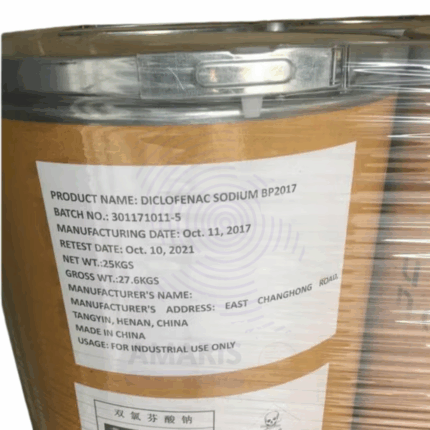
Diclofenac Sodium BP
Diclofenac Sodium is a nonsteroidal anti-inflammatory drug (NSAID) widely used for its potent analgesic, anti-inflammatory, and antipyretic properties. It is the sodium salt form of diclofenac, providing enhanced solubility and rapid absorption. Diclofenac Sodium BP (British Pharmacopoeia standard) ensures pharmaceutical-grade purity and compliance with stringent quality standards. It is commonly formulated in oral tablets, topical gels, injections, and ophthalmic preparations.
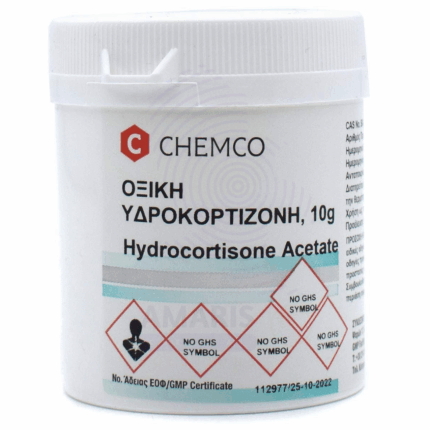
Hydrocortisone Acetate
Hydrocortisone Acetate is a synthetic corticosteroid ester derived from hydrocortisone (cortisol). It is a white to off-white crystalline powder, practically insoluble in water but soluble in alcohol and acetone. This compound exhibits potent anti-inflammatory, immunosuppressive, and anti-allergic properties, making it widely used in pharmaceutical and dermatological formulations. Hydrocortisone Acetate acts by modulating gene expression to reduce the production of inflammatory mediators, thereby alleviating symptoms in various inflammatory and autoimmune conditions.
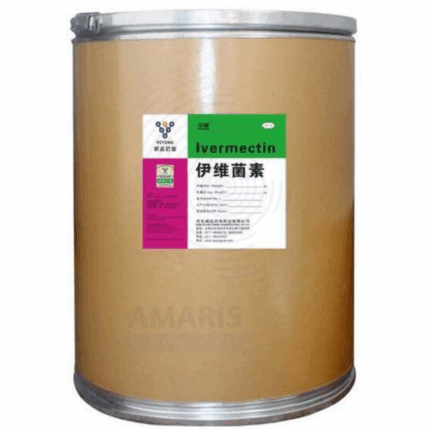
Ivermectin BP Vet
Ivermectin BP Vet is a potent, broad-spectrum antiparasitic agent widely used in veterinary medicine. It belongs to the avermectin family and works by disrupting nerve and muscle function in parasites, leading to paralysis and death. Ivermectin is highly effective against a range of internal and external parasites, including gastrointestinal worms, lungworms, mites, lice, and certain ticks. Available in oral, injectable, and topical forms, it is trusted for use in livestock, poultry, and companion animals. Its reliable efficacy, wide safety margin, and ease of administration make it an essential treatment in animal health and parasite control programs.
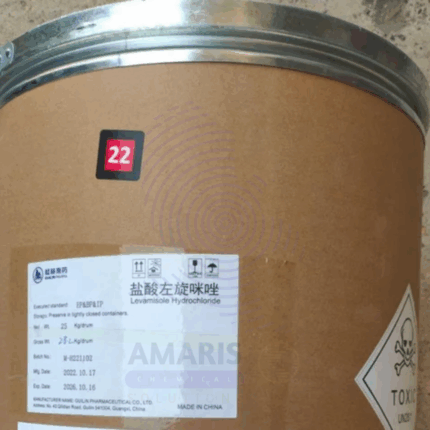
Levamisole Hcl BP2000
Levamisole Hcl BP2000 is a white to off-white crystalline powder, soluble in water, with anthelmintic and immunomodulatory properties. It is primarily used as a veterinary antiparasitic agent effective against gastrointestinal nematodes in livestock. Levamisole HCL BP2000 conforms to British Pharmacopoeia standards, ensuring high purity and quality for pharmaceutical and veterinary formulations. Beyond veterinary uses, it is also researched for immunostimulant properties in medical applications.

Methyl Salicylate BP
Methyl Salicylate BP is a clear, colorless to pale yellow oily liquid with a characteristic strong, sweet, and minty odor. It is an organic ester commonly used for its analgesic, anti-inflammatory, and flavoring properties. Methyl Salicylate is widely used in pharmaceutical preparations, topical pain relief products, cosmetics, and as a fragrance ingredient.
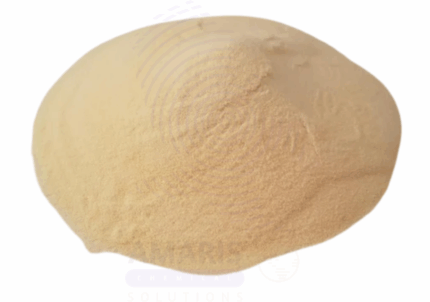
Norfloxacin
Norfloxacin is a synthetic broad-spectrum fluoroquinolone antibiotic used primarily to treat bacterial infections. It works by inhibiting bacterial DNA gyrase and topoisomerase IV, enzymes essential for DNA replication, transcription, repair, and recombination, leading to bacterial cell death. Norfloxacin is effective against various Gram-negative and some Gram-positive bacteria and is commonly used in urinary tract infections, prostatitis, and gastroenteritis.












