

 Preservatives(food)
 Flavor Enhancers
 Acidulants
 Sweeteners
 Antioxidants
 Colorants(food)
 Nutraceutical Ingredients (food)
 Nutrient Supplements
 Emulsifiers
 Collectors
 Dust Suppressants
 Explosives and Blasting Agents
 Flocculants and Coagulants
 Frothers
 Leaching Agents
 pH Modifiers
 Precious Metal Extraction Agents
 Antioxidants(plastic)
 Colorants (Pigments, Dyes)
 Fillers and Reinforcements
 Flame Retardants
 Monomers
 Plasticizers
 Polymerization Initiators
 Stabilizers (UV, Heat)
 Antifoaming Agents
 Chelating Agents
 Coagulants and Flocculants
 Corrosion Inhibitors
 Disinfectants and Biocides
 Oxidizing Agents
 pH Adjusters
 Scale Inhibitors( water)
 Antioxidants(cosmetic)
 Emollients
 Fragrances and Essential Oils
 Humectants
 Preservatives
 Surfactants(cosmetic)
 Thickeners
 UV Filters
 Fertilizers
 Soil Conditioners
 Plant Growth Regulators
 Animal Feed Additives
 Biostimulants
 Pesticides (Herbicides, Insecticides, Fungicides)
 Active Pharmaceutical Ingredients (APIs)
 Excipients
 Solvents(pharmaceutical)
 Antibiotics
 Antiseptics and Disinfectants
 Vaccine Adjuvants
 Nutraceutical Ingredients (pharmaceutical)
 Analgesics & Antipyretics
 Analytical Reagents
 Solvents(lab)
 Chromatography Chemicals
 Spectroscopy Reagents
 microbiology-and-cell-culture-reagents
 Molecular Biology Reagents
 Biochemical Reagents
 Inorganic and Organic Standards
 Laboratory Safety Chemicals
 Specialty Laboratory Chemicals(Special Laboratory Equipment)
 Demulsifiers
 Hydraulic Fracturing Fluids
 Scale Inhibitors(oil)
 Surfactants(oil)
 Drilling Fluids
 Dyes and Pigments
 Bleaching Agents
 Softening Agents
 Finishing Agents
 Antistatic Agents
 Admixtures
 Waterproofing Agents
 Sealants and Adhesives
 Curing Compounds
 Concrete Repair Chemicals
 Anti-Corrosion Coatings
 Surfactants(cleaning)
 Builders
 Enzymes
 Solvents (Cleaning)
 Fragrances
 Electronic Chemicals
 Catalysts
 Lubricants
 Photographic Chemicals
 Refrigerants
 Automotive chemicals
 Pyrotechnic Chemicals
 Biodegradable Surfactants
 Bio-based Solvents
 Renewable Polymers
 Carbon Capture Chemicals
 Wastewater Treatment Chemicals
 Pigments
 Solvents(paint)
 Specialty Coatings
 Binders/Resins
 Additives
 Driers
 Anti-Corrosion Agents
 Functional Coatings
 Application-Specific Coatings
 Leavening Agents
 Dough Conditioners
 Flour Treatments
 Fat Replacers
 Decoratives
 Preservatives(baking)
 Plasticizers & Softeners
 Reinforcing Agents
 Adhesion Promoters
 Vulcanizing Agents
 Antidegradants
 Blowing Agents
 Fillers & Extenders
 Accelerators & Retarders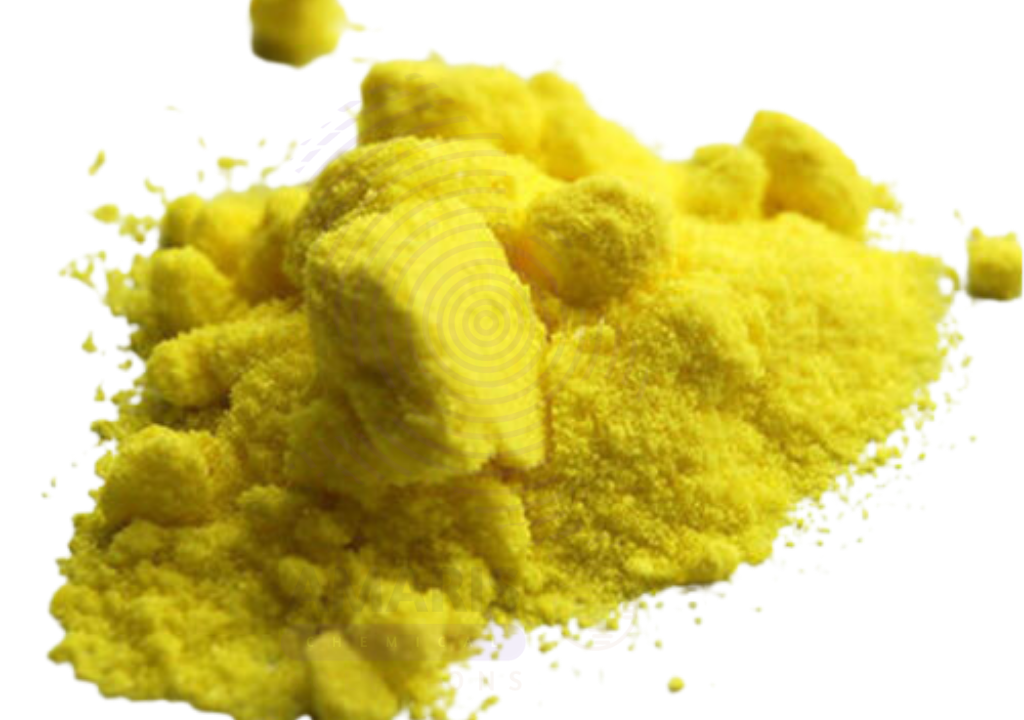


Potassium Chromate
Potassium Chromate is an inorganic chemical compound and a bright yellow crystalline solid commonly used as an oxidizing agent and pigment. It serves as a source of chromate ions in various chemical, industrial, and laboratory applications. Due to its toxic and carcinogenic nature, careful handling and strict regulatory compliance are essential. Potassium Chromate is widely used in corrosion inhibition, dyeing, and chemical synthesis processes.
Potassium Chromate
Primary Uses
- Chemical Industry
- Used as an oxidizing agent in organic synthesis and analytical chemistry.
- Serves as a key reagent in qualitative and quantitative chemical analyses, including detection of chloride ions.
- Acts as a corrosion inhibitor in cooling systems and metal finishing baths.
- Pigments and Dyes
- Used in the production of yellow pigments for paints, inks, and dyes.
- Employed in leather tanning to improve color fastness and durability.
- Electroplating
- Used in chromium plating baths to enhance plating quality and uniformity.
- Serves as an additive in electroplating processes for metals.
Secondary Uses
- Wood Preservation
- Utilized in wood treatment formulations to prevent fungal decay and insect damage.
- Photography
- Employed in photographic processes as a sensitizer and in photoengraving.
- Laboratory Reagent
- Used as a reagent for chemical tests, including the Mohr method for chloride determination.
- Textile Industry
- Used in dyeing and printing textiles to improve color fixation and brightness.
1. Basic Identification Attributes
- Chemical Name (IUPAC): Potassium chromate
- Common/Trade Name: Potassium Chromate
- CAS Number: 7789-00-6
- HS Code: 2833.11 (Chromates)
- Synonyms: K₂CrO₄; chromate of potassium
2. Physical & Chemical Properties
- Physical State: Solid, crystalline powder or granules
- Color & Odor: Bright yellow; odorless
- Solubility: Highly soluble in water (about 57 g/100 mL at 20°C)
- Melting Point: 975°C (decomposes)
- Density: ~2.7 g/cm³
- Stability: Stable under normal conditions; strong oxidizer
3. Safety & Hazard Attributes
- GHS Classification: Carcinogenic (Category 1B), Mutagenic (Category 2), Toxic to aquatic life
- Toxicity: Highly toxic and carcinogenic; harmful if inhaled, ingested, or absorbed through skin
- Exposure Limits: Strict limits; avoid any exposure; use in well-ventilated environments with protective equipment
4. Storage & Handling Attributes
- Storage Conditions: Store in tightly sealed containers, in a cool, dry, and well-ventilated area away from incompatible materials
- Container Type: Glass or plastic containers resistant to strong oxidizers
- Shelf Life: Typically 1–3 years if stored properly
- Handling Precautions: Use full PPE including gloves, respirators, and protective clothing; avoid dust generation and skin contact
5. Regulatory & Compliance Attributes
- Complies with hazardous chemical regulations including OSHA, REACH, and local environmental laws
- Classified as a hazardous substance requiring specialized transport and storage
6. Environmental & Health Impact
- Biodegradability: Not biodegradable
- Ecotoxicity: Extremely toxic to aquatic organisms; avoid environmental release
- Bioaccumulation: Potential for bioaccumulation in aquatic organisms
Safety Handling Precautions
- PPE Required: Full protective gloves, goggles, respirators, and protective clothing mandatory
- Handling Guidelines: Handle in fume hoods or well-ventilated areas; prevent dust formation; do not inhale or ingest
- Storage Measures: Store securely to prevent leaks and spills; isolate from reducing agents and organic materials
First Aid Measures
- Inhalation: Move to fresh air immediately; seek urgent medical attention for respiratory distress
- Skin Contact: Remove contaminated clothing; wash skin thoroughly with soap and water; seek medical help for burns or irritation
- Eye Contact: Rinse eyes with water for at least 15 minutes; seek immediate medical assistance
- Ingestion: Do not induce vomiting; rinse mouth; seek emergency medical treatment immediately
Firefighting Measures
- Fire Hazards: Strong oxidizer; can intensify fire and cause explosions if mixed with combustible materials
- Extinguishing Media: Use water spray or fog; do not use dry chemical or CO₂ alone
- Special Precautions: Firefighters must wear full protective gear and self-contained breathing apparatus
- Hazardous Combustion Products: May produce toxic chromium oxides and potassium oxides
Related products
Chloroform
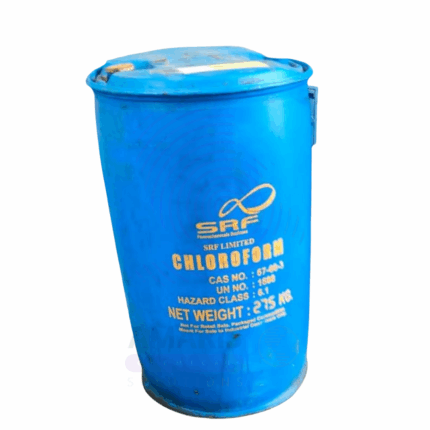
Chloroform (Trichloromethane) is a clear, colorless, volatile liquid with a sweet, pleasant odor. It is a widely used organic solvent with excellent solvency for many substances. Historically employed as an anesthetic, chloroform is now primarily used in laboratories and industry for extraction, degreasing, and chemical synthesis. It has moderate volatility and is heavier than air, requiring careful handling to avoid inhalation hazards. Its chemical stability and ability to dissolve fats, alkaloids, and other substances make it valuable in pharmaceutical, chemical, and industrial processes.
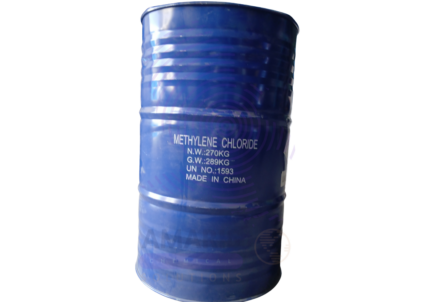
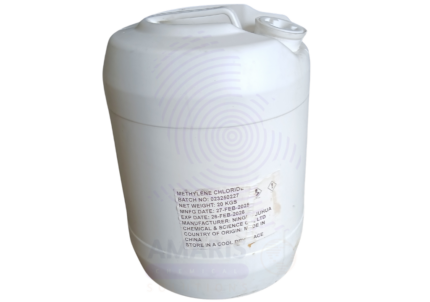
Methylene Chloride (Dichloromethane)
Methylene Chloride (Dichloromethane), also known as methylene chloride, is a volatile, colorless liquid with a sweet, chloroform-like odor. It is a chlorinated solvent widely used in industrial, pharmaceutical, and laboratory applications due to its excellent solvent properties, including high volatility, moderate polarity, and low boiling point (about 39.6°C). DCM is prized for its ability to dissolve a wide range of organic compounds, making it ideal for extraction, paint stripping, degreasing, and chemical processing. However, due to health and environmental concerns, its use is regulated and controlled in many countries.
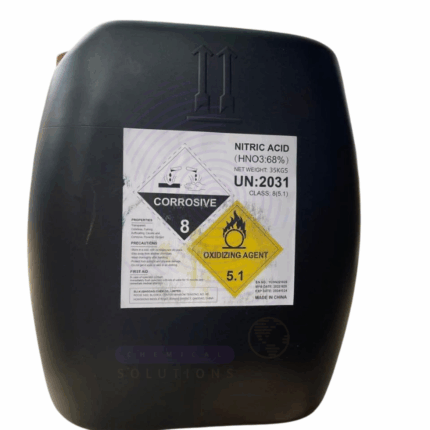
Nitric Acid
Nitric Acid is a concentrated aqueous solution of nitric acid (HNO₃) commonly used as a strong oxidizing acid in numerous industrial, laboratory, and manufacturing processes. It is a highly corrosive, colorless to yellowish liquid with a pungent odor. Nitric Acid 68% is fundamental in the production of fertilizers, explosives, dyes, and pharmaceuticals. It is also widely used in metal treatment, etching, and cleaning applications due to its powerful oxidizing and nitrating properties.
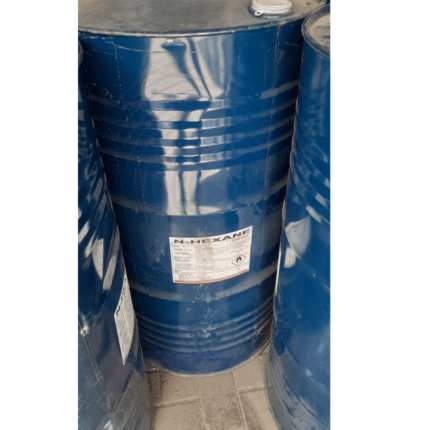
Normal Hexane
Normal Hexane is a colorless, highly flammable liquid hydrocarbon with the chemical formula C6H14. It belongs to the aliphatic hydrocarbon family and is primarily used as a solvent due to its excellent ability to dissolve oils, fats, and various organic compounds. It has a low boiling point and evaporates quickly, making it ideal for industrial and laboratory applications.
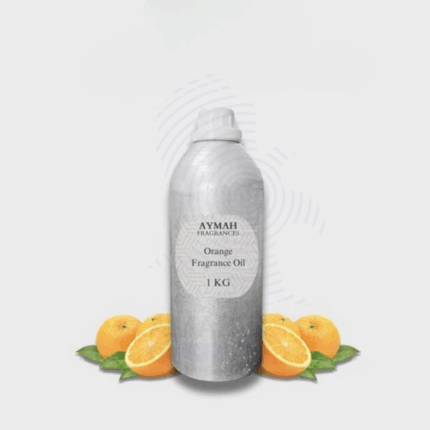
Orange Fragrance Oil
Orange Fragrance Oil is a highly concentrated aromatic oil that delivers a fresh, vibrant, and sweet citrus scent reminiscent of ripe oranges. It is formulated for use in a variety of applications including personal care products, household items, and air fresheners. This fragrance oil offers excellent scent throw, stability, and compatibility with different base materials such as waxes, solvents, and emulsions. Its refreshing aroma makes it a popular choice for perfuming soaps, candles, detergents, and cosmetic formulations, providing a natural and uplifting citrus experience.
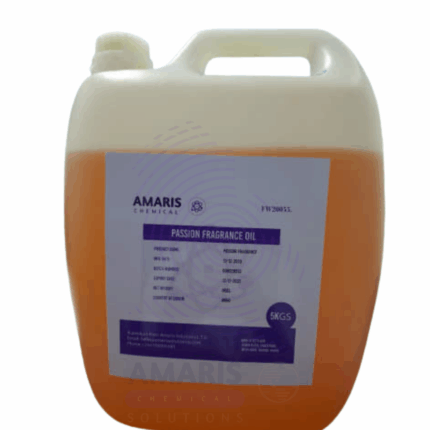
Passion Fruit Fragrance Oil
Passion Fruit Fragrance Oil is a vibrant, richly scented oil delivering the sweet, exotic aroma of ripe passion fruit. Ideal for enhancing personal care products, perfumes, and home fragrances, this fragrance oil provides a long-lasting, fresh tropical scent. It is crafted to blend smoothly into oil-based and solvent-based formulations, ensuring consistent fragrance delivery. Manufactured under stringent quality controls, Passion Fruit Fragrance Oil adds a luxurious and refreshing note to a wide range of applications.
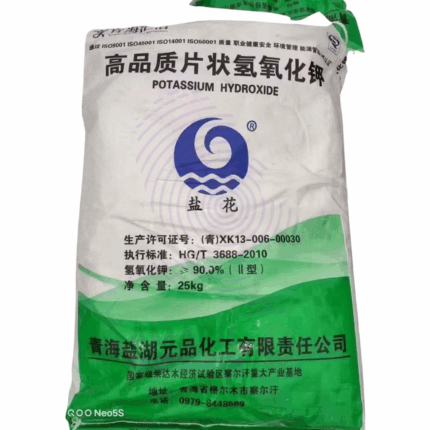
Potassium Hydroxide
Potassium Hydroxide is a highly concentrated, caustic alkaline chemical available as a solid (pellets, flakes) or concentrated aqueous solution. It is a strong base widely used in industrial processes, chemical manufacturing, and as a reagent. Potassium Hydroxide provides excellent neutralizing, saponifying, and cleaning properties and is essential in producing potassium soaps, biodiesel, fertilizers, and various chemical compounds. Its high purity and concentration (90%) make it suitable for demanding applications requiring strong alkalinity.
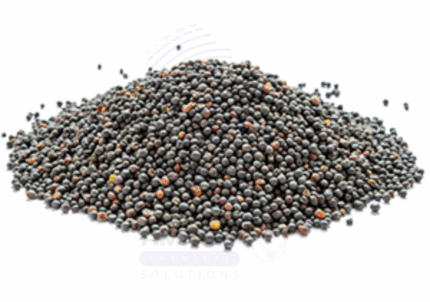
Rapeseed
Rapeseed is a plant-derived sample commonly analyzed in laboratories for its biochemical composition, including oil content, fatty acid profile, and protein levels. Laboratory testing of rapeseed helps in quality control for food processing, nutritional analysis, and industrial applications such as biofuel research. Samples of rapeseed seeds or extracted oils undergo chromatographic, spectroscopic, and other analytical procedures to determine purity, contaminants, and nutritional value. These tests support research in agricultural science, food technology, and pharmaceutical development












