

 Preservatives(food)
 Flavors
 Acidulants
 Sweeteners
 Antioxidants
 Colorants(food)
 Nutraceutical Ingredients (food)
 Nutrient Supplements
 Emulsifiers
 Collectors
 Dust Suppressants
 Explosives and Blasting Agents
 Flocculants and Coagulants
 Frothers
 Leaching Agents
 pH Modifiers
 Precious Metal Extraction Agents
 Antioxidants(plastic)
 Colorants (Pigments, Dyes)
 Fillers and Reinforcements
 Flame Retardants
 Monomers
 Plasticizers
 Polymerization Initiators
 Stabilizers (UV, Heat)
 Antifoaming Agents
 Chelating Agents
 Coagulants and Flocculants
 Corrosion Inhibitors
 Disinfectants and Biocides
 Oxidizing Agents
 pH Adjusters
 Scale Inhibitors( water)
 Antioxidants(cosmetic)
 Emollients
 Oils
Oils Carrier Oills
 Essential Oils
 Humectants
 Preservatives
 Surfactants(cosmetic)
 Thickeners
 UV Filters
 Fragrance (Cosmetics)
 Fertilizers
 Soil Conditioners
 Plant Growth Regulators
 Animal Feed Additives
 Biostimulants
 Pesticides (Herbicides, Insecticides, Fungicides)
 Active Pharmaceutical Ingredients (APIs)
 Excipients
 Solvents(pharmaceutical)
 Antibiotics
 Antiseptics and Disinfectants
 Vaccine Adjuvants
 Nutraceutical Ingredients (pharmaceutical)
 Analgesics & Antipyretics
 Analytical Reagents
 Solvents(lab)
 Chromatography Chemicals
 Spectroscopy Reagents
 microbiology-and-cell-culture-reagents
 Molecular Biology Reagents
 Biochemical Reagents
 Inorganic and Organic Standards
 Laboratory Safety Chemicals
 Specialty Laboratory Chemicals(Special Laboratory Equipment)
 Demulsifiers
 Hydraulic Fracturing Fluids
 Scale Inhibitors(oil)
 Surfactants(oil)
 Drilling Fluids
 Dyes and Pigments
 Bleaching Agents
 Softening Agents
 Finishing Agents
 Antistatic Agents
 Admixtures
 Waterproofing Agents
 Sealants and Adhesives
 Curing Compounds
 Concrete Repair Chemicals
 Anti-Corrosion Coatings
 Surfactants(cleaning)
 Builders
 Enzymes
 Solvents (Cleaning)
 Electronic Chemicals
 Catalysts
 Lubricants
 Photographic Chemicals
 Refrigerants
 Automotive chemicals
 Pyrotechnic Chemicals
 Biodegradable Surfactants
 Bio-based Solvents
 Renewable Polymers
 Carbon Capture Chemicals
 Wastewater Treatment Chemicals
 Pigments
 Solvents(paint)
 Specialty Coatings
 Binders/Resins
 Additives
 Driers
 Anti-Corrosion Agents
 Functional Coatings
 Application-Specific Coatings
 Leavening Agents
 Dough Conditioners
 Flour Treatments
 Fat Replacers
 Decoratives
 Preservatives(baking)
 Plasticizers & Softeners
 Reinforcing Agents
 Adhesion Promoters
 Vulcanizing Agents
 Antidegradants
 Blowing Agents
 Fillers & Extenders
 Accelerators & Retarders



Semi Refined Paraffin Wax
Semi Refined Paraffin Wax is a purified hydrocarbon wax derived from petroleum refining. It is characterized by its semi-refined nature, meaning it retains some impurities compared to fully refined waxes, but still meets industrial quality standards. This wax is solid at room temperature with a moderate melting point and is widely used in various industries due to its excellent moisture barrier properties, plasticity, and chemical inertness. It serves as a key raw material in candles, packaging, cosmetics, and coating formulations.
Semi Refined Paraffin Wax
Primary Uses
- Candle Manufacturing
- Used as a base wax for producing container, pillar, and molded candles offering good burning characteristics and surface finish.
- Packaging Industry
- Applied as a moisture barrier coating for paper, cardboard, and food packaging to enhance water resistance and durability.
- Cosmetics and Personal Care
- Incorporated in formulations of lip balms, creams, lotions, and ointments for texture and emollient properties.
- Rubber and Tire Industry
- Used as a processing aid and release agent in rubber compounding and tire manufacturing.
- Crayons and Art Supplies
- Employed as a binder and base material in crayon production and other wax-based art materials.
Secondary Uses
- Pharmaceuticals
- Used in ointment bases and controlled-release drug formulations for its film-forming and emollient qualities.
- Textile Industry
- Applied as a coating agent for threads and fabrics to improve texture and water resistance.
- Agriculture
- Used in seed coatings and as a carrier for pesticides and fertilizers to enhance application efficiency.
- Electrical Industry
- Used for insulating and sealing electrical components due to its dielectric properties.
1. Basic Identification Attributes
- Chemical Name (IUPAC): Paraffin wax (hydrocarbon mixture)
- Common/Trade Name: Semi Refined Paraffin Wax
- CAS Number: 8002-74-2
- HS Code: 2712.90
- Synonyms: Semi purified paraffin wax
2. Physical & Chemical Properties
- Physical State: Solid wax
- Color & Odor: White to off-white; mild petroleum odor
- Melting Point: Typically 50–65°C (varies by grade)
- Solubility: Insoluble in water; soluble in hydrocarbons and oils
- Density: Approx. 0.88–0.92 g/cm³
3. Safety & Hazard Attributes
- GHS Classification: Generally considered non-hazardous but may cause skin irritation in sensitive individuals
- Toxicity: Low toxicity; avoid ingestion and prolonged skin contact
- Exposure Limits: Follow workplace safety guidelines for dust and fumes
4. Storage & Handling Attributes
- Storage Conditions: Store in a cool, dry, well-ventilated area away from sources of ignition and heat
- Container Type: Supplied in blocks, slabs, or pellets packed in sealed bags or drums
- Shelf Life: Stable for several years if stored properly
- Handling Precautions: Use gloves and protective clothing to avoid skin contact; avoid dust inhalation
5. Regulatory & Compliance Attributes
- Complies with industrial standards for paraffin wax products
- Meets regulations for use in cosmetics and packaging where applicable
- Manufactured under controlled conditions ensuring quality and safety
6. Environmental & Health Impact
- Biodegradability: Slowly biodegradable; inert in the environment
- Ecotoxicity: Low environmental toxicity; avoid release into waterways
- Bioaccumulation: Not significant
Safety Handling Precautions
- PPE Required: Gloves, safety glasses, and protective clothing recommended
- Handling Guidelines: Use in well-ventilated areas; avoid inhaling dust or fumes during melting
- Storage Measures: Keep containers tightly closed and stored in a dry environment
First Aid Measures
- Inhalation: Move to fresh air; seek medical attention if respiratory irritation occurs
- Skin Contact: Wash affected area with soap and water; seek medical advice if irritation develops
- Eye Contact: Rinse eyes with water for at least 15 minutes; seek medical attention if irritation persists
- Ingestion: Rinse mouth; seek medical advice if large amounts are ingested
Firefighting Measures
- Fire Hazards: Combustible; can release hazardous fumes when burned
- Extinguishing Media: Use foam, dry chemical, CO₂, or water spray
- Special Precautions: Wear protective equipment and self-contained breathing apparatus
- Hazardous Combustion Products: Carbon oxides, hydrocarbons
Related products

Chlorinated Paraffin
Chlorinated paraffins are complex mixtures of polychlorinated n-alkanes produced by reacting chlorine gas with unbranched paraffin fractions derived from petroleum distillation. They appear as colorless or yellowish viscous liquids or solids depending on chain length and chlorine content. Chlorinated paraffins are classified based on carbon chain length into short-chain, medium-chain, and long-chain varieties. Technical grade chlorinated paraffins are manufactured for industrial applications including plasticizers, flame retardants, metalworking additives, and surface coatings. They exhibit excellent compatibility with polymers, high thermal stability, water resistance, and chemical resistance.
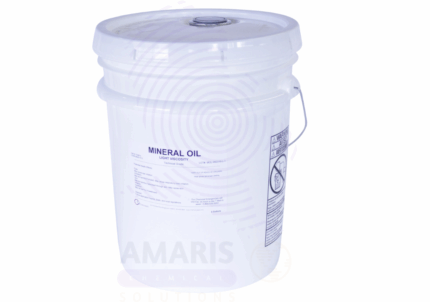
Light White Mineral Oil Tech Grade
Light White Mineral Oil Tech Grade is a highly refined, colorless, odorless, and tasteless petroleum-derived oil. It is characterized by its low viscosity and excellent lubricating properties. This technical-grade mineral oil undergoes stringent purification processes to remove impurities, making it suitable for various industrial, cosmetic, pharmaceutical, and food-related applications. Its chemical stability, non-reactivity, and safety profile make it a versatile ingredient and lubricant in many manufacturing and processing sectors.
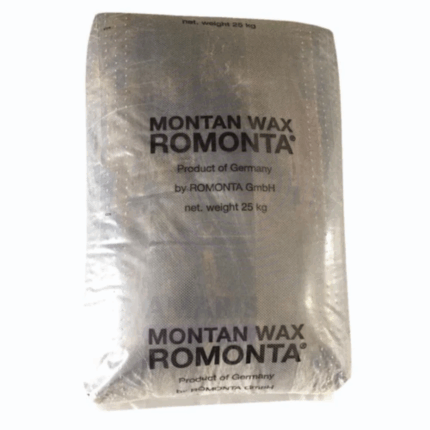
Montan Wax
Montan Wax is a hard, brittle, natural fossil wax derived from lignite or brown coal deposits. It is composed primarily of long-chain fatty acids, esters, and hydrocarbons. Montan Wax is valued for its excellent lubricating, polishing, and emulsifying properties. It is widely used in various industrial applications including coatings, polishes, plastics, and as an additive in rubber and adhesives to improve surface finish and performance.
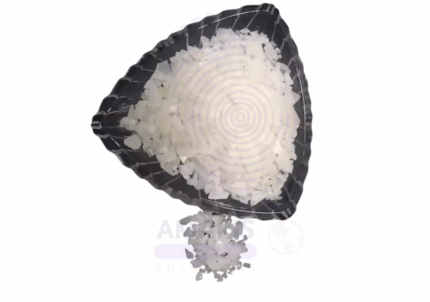
Polyethyl Glycol( PEG 6000)
Polyethyl Glycol( PEG 6000) is a high-molecular-weight polymer derived from ethylene oxide. It appears as a white, waxy solid or flake and is non-toxic, water-soluble, and chemically stable. PEG 6000 is widely used in pharmaceuticals, cosmetics, food processing, industrial formulations, and biotechnology, valued for its lubricating, solubilizing, binding, and moisturizing properties. It is odorless and tasteless, making it suitable for sensitive formulations.


Sodium Lauryl Ether Sulphate
Sodium Lauryl Ether Sulphate (SLES) is a versatile anionic surfactant commonly used in personal care, household, and industrial cleaning products. It is a clear to slightly yellow viscous liquid or powder derived from ethoxylated lauryl alcohol and sulfuric acid, neutralized with sodium hydroxide. SLES is valued for its excellent foaming, cleansing, and emulsifying properties. It is biodegradable and widely accepted for use in cosmetic and cleaning formulations, providing mildness and effective removal of dirt and oils.
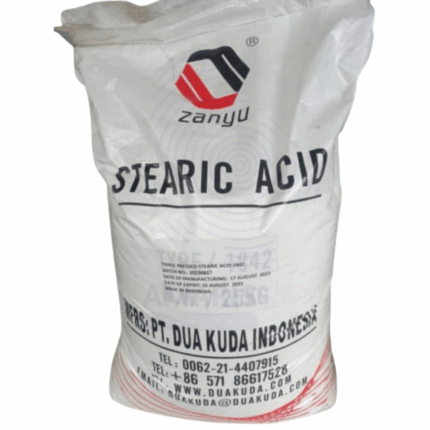
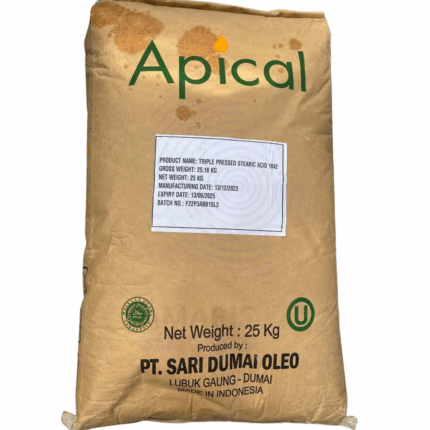
Stearic Acid
Stearic Acid is a saturated long-chain fatty acid, appearing as a white, waxy solid with a mild, characteristic odor. It is a naturally occurring substance found in animal and vegetable fats and oils. As one of the most common fatty acids, it is a fundamental building block in the manufacture of a vast array of consumer and industrial products. Its key functions include use as a lubricant, softener, thickener, and emulsifier, making it an indispensable ingredient in industries ranging from plastics and rubber to cosmetics and food.
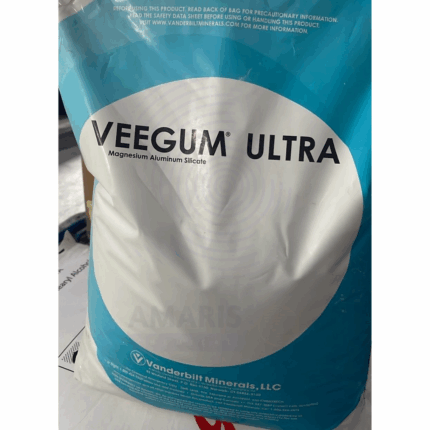
Veegum
Veegum is a purified magnesium aluminum silicate clay known for its excellent suspending, thickening, and stabilizing properties. It is widely used in pharmaceuticals, cosmetics, and industrial applications as a rheology modifier, suspension stabilizer, and emulsifier. Veegum enhances the texture, consistency, and stability of formulations, providing improved performance in both liquid and semi-solid systems.












