

 Preservatives(food)
 Flavor Enhancers
 Acidulants
 Sweeteners
 Antioxidants
 Colorants(food)
 Nutraceutical Ingredients (food)
 Nutrient Supplements
 Emulsifiers
 Collectors
 Dust Suppressants
 Explosives and Blasting Agents
 Flocculants and Coagulants
 Frothers
 Leaching Agents
 pH Modifiers
 Precious Metal Extraction Agents
 Antioxidants(plastic)
 Colorants (Pigments, Dyes)
 Fillers and Reinforcements
 Flame Retardants
 Monomers
 Plasticizers
 Polymerization Initiators
 Stabilizers (UV, Heat)
 Antifoaming Agents
 Chelating Agents
 Coagulants and Flocculants
 Corrosion Inhibitors
 Disinfectants and Biocides
 Oxidizing Agents
 pH Adjusters
 Scale Inhibitors( water)
 Antioxidants(cosmetic)
 Emollients
 Fragrances and Essential Oils
 Humectants
 Preservatives
 Surfactants(cosmetic)
 Thickeners
 UV Filters
 Fertilizers
 Soil Conditioners
 Plant Growth Regulators
 Animal Feed Additives
 Biostimulants
 Pesticides (Herbicides, Insecticides, Fungicides)
 Active Pharmaceutical Ingredients (APIs)
 Excipients
 Solvents(pharmaceutical)
 Antibiotics
 Antiseptics and Disinfectants
 Vaccine Adjuvants
 Nutraceutical Ingredients (pharmaceutical)
 Analgesics & Antipyretics
 Analytical Reagents
 Solvents(lab)
 Chromatography Chemicals
 Spectroscopy Reagents
 microbiology-and-cell-culture-reagents
 Molecular Biology Reagents
 Biochemical Reagents
 Inorganic and Organic Standards
 Laboratory Safety Chemicals
 Specialty Laboratory Chemicals(Special Laboratory Equipment)
 Demulsifiers
 Hydraulic Fracturing Fluids
 Scale Inhibitors(oil)
 Surfactants(oil)
 Drilling Fluids
 Dyes and Pigments
 Bleaching Agents
 Softening Agents
 Finishing Agents
 Antistatic Agents
 Admixtures
 Waterproofing Agents
 Sealants and Adhesives
 Curing Compounds
 Concrete Repair Chemicals
 Anti-Corrosion Coatings
 Surfactants(cleaning)
 Builders
 Enzymes
 Solvents (Cleaning)
 Fragrances
 Electronic Chemicals
 Catalysts
 Lubricants
 Photographic Chemicals
 Refrigerants
 Automotive chemicals
 Pyrotechnic Chemicals
 Biodegradable Surfactants
 Bio-based Solvents
 Renewable Polymers
 Carbon Capture Chemicals
 Wastewater Treatment Chemicals
 Pigments
 Solvents(paint)
 Specialty Coatings
 Binders/Resins
 Additives
 Driers
 Anti-Corrosion Agents
 Functional Coatings
 Application-Specific Coatings
 Leavening Agents
 Dough Conditioners
 Flour Treatments
 Fat Replacers
 Decoratives
 Preservatives(baking)
 Plasticizers & Softeners
 Reinforcing Agents
 Adhesion Promoters
 Vulcanizing Agents
 Antidegradants
 Blowing Agents
 Fillers & Extenders
 Accelerators & Retarders
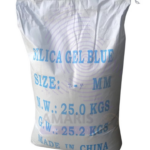


Silica Gel White
Original price was: $ 5.80.$ 5.73Current price is: $ 5.73.
Silica Gel White is a non-indicating, amorphous form of silicon dioxide (SiO₂) used primarily as a desiccant to control humidity and prevent moisture damage in a wide range of applications. Unlike blue silica gel, it does not change color when saturated, making it ideal for use where visual indicators are not required. It is chemically inert, odorless, and capable of adsorbing up to 40% of its weight in water vapor. Packaged in 25kg bags or drums, Silica Gel White is used across industries for packaging, preservation, drying, and moisture regulation.
Silica Gel White
Primary Uses
- Packaging & Storage Protection
- Used in sealed packaging to protect moisture-sensitive products like electronics, optical equipment, and pharmaceuticals.
- Included in bulk packaging of raw materials, powders, and grains to prevent clumping and spoilage.
- Ensures dryness during long-distance shipping and storage in containers, pallets, or boxes.
- Industrial Drying & Dehumidification
- Applied in compressed air and gas drying systems to remove humidity from industrial gases.
- Used in instrument cabinets, electrical control panels, and switchgear enclosures to prevent corrosion.
- Utilized in transformer breathers to keep insulating oil dry and functional.
- Pharmaceuticals & Healthcare
- Maintains dryness in containers holding tablets, capsules, and powders.
- Prevents microbial growth and product degradation in humidity-sensitive medications.
- Used in blister packaging for diagnostic kits and devices.
- Scientific & Laboratory Applications
- Maintains a dry environment in desiccators, reagent containers, and laboratory storage.
- Used during specimen storage and drying procedures.
- Electronics & Optics
- Protects delicate components such as semiconductors, sensors, and camera lenses from humidity-related failure.
- Applied in storage of precision optical devices and instruments.
Secondary Uses
- Food Industry (Non-Contact Use)
- Used in food packaging (outside primary packaging) to prevent spoilage from moisture, especially in dry products like jerky, spices, and powders. (Note: Not food-grade)
- Aerospace & Military
- Included in containers and crates of high-value equipment to prevent moisture-induced degradation.
- Protects avionics, firearms, and optical scopes in storage and transit.
- Museums & Archival Storage
- Maintains ideal humidity in archival boxes, display cases, and vaults storing valuable artworks, manuscripts, and textiles.
- Consumer Applications
- Used in toolboxes, closets, shoe boxes, gun safes, and storage bins to reduce musty odors and mold risk.
- Prevents fogging in camera bags and underwater housings.
1. Basic Identification Attributes
- Chemical Name (IUPAC): Silicon dioxide, amorphous
- Common/Trade Name: Silica Gel White
- CAS Number: 7631-86-9
- HS Code: 2811.22.00
- Synonyms: Non-indicating silica gel, white desiccant silica, SiO₂ gel
2. Physical & Chemical Properties
- Physical State: Solid (granules, beads, or crystals)
- Color & Odor: White; odorless
- Particle Size: Commonly 1–5 mm
- Surface Area: 600–800 m²/g
- Moisture Capacity: Up to 40% of its own weight
- Solubility: Insoluble in water and organic solvents
- Regeneration Temperature: 120°C–150°C
3. Safety & Hazard Attributes
- GHS Classification: Not classified as hazardous under normal use
- Toxicity: Low; considered safe for most industrial applications
- Exposure Limits: Avoid inhalation of dust; follow standard safety practices
4. Storage & Handling Attributes
- Storage Conditions: Store in sealed, moisture-proof containers in a cool, dry place
- Container Type: 25kg bag, drum, or moisture-resistant packaging
- Shelf Life: Indefinite if stored properly
- Handling Precautions: Avoid generating dust; use gloves and goggles during handling
5. Regulatory & Compliance Attributes
- Complies with industry standards for moisture control agents
- Meets U.S. Military Specification MIL-D-3464 for desiccants
- REACH and RoHS compliant
- Not classified as a hazardous material under GHS
- Not approved for direct contact with food or pharmaceuticals unless specified food/pharma grade
6. Environmental & Health Impact
- Biodegradability: Inert and non-biodegradable
- Ecotoxicity: Very low; safe for general use
- Bioaccumulation: Not applicable
- Environmental Impact: Minimal if disposed of properly; recyclable after regeneration
Safety Handling Precautions
- PPE Required: Dust mask, gloves, and eye protection recommended during handling
- Handling Guidelines: Avoid inhaling dust; wash hands after use
- Storage Measures: Keep containers tightly closed and stored in a dry environment
First Aid Measures
- Inhalation: Move to fresh air; seek medical attention if irritation occurs
- Skin Contact: Wash with soap and water; seek help if irritation develops
- Eye Contact: Flush with water for at least 15 minutes; consult a doctor if irritation persists
- Ingestion: Rinse mouth; do not induce vomiting; seek medical attention if discomfort occurs
Firefighting Measures
- Fire Hazards: Non-flammable and chemically inert
- Extinguishing Media: Use appropriate media for surrounding fire (e.g., CO₂, dry chemical, foam)
- Special Precautions: None for silica; avoid inhaling smoke from surrounding materials
- Hazardous Combustion Products: None—silica is thermally stable
Related products
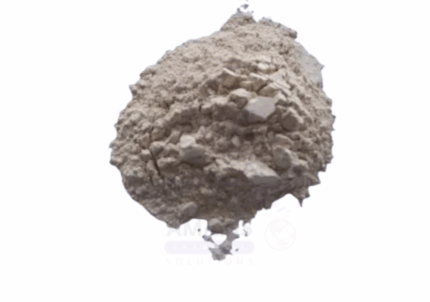

Chlorinated Paraffin
Chlorinated paraffins are complex mixtures of polychlorinated n-alkanes produced by reacting chlorine gas with unbranched paraffin fractions derived from petroleum distillation. They appear as colorless or yellowish viscous liquids or solids depending on chain length and chlorine content. Chlorinated paraffins are classified based on carbon chain length into short-chain, medium-chain, and long-chain varieties. Technical grade chlorinated paraffins are manufactured for industrial applications including plasticizers, flame retardants, metalworking additives, and surface coatings. They exhibit excellent compatibility with polymers, high thermal stability, water resistance, and chemical resistance.
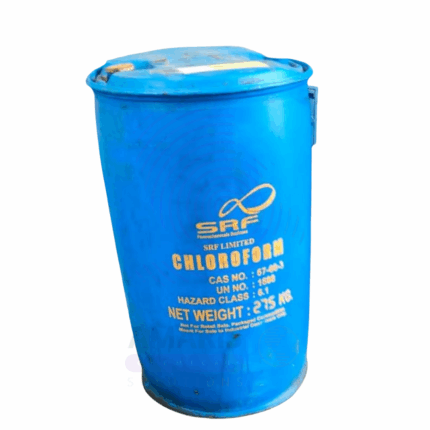
Chloroform
Chloroform (Trichloromethane) is a clear, colorless, volatile liquid with a sweet, pleasant odor. It is a widely used organic solvent with excellent solvency for many substances. Historically employed as an anesthetic, chloroform is now primarily used in laboratories and industry for extraction, degreasing, and chemical synthesis. It has moderate volatility and is heavier than air, requiring careful handling to avoid inhalation hazards. Its chemical stability and ability to dissolve fats, alkaloids, and other substances make it valuable in pharmaceutical, chemical, and industrial processes.
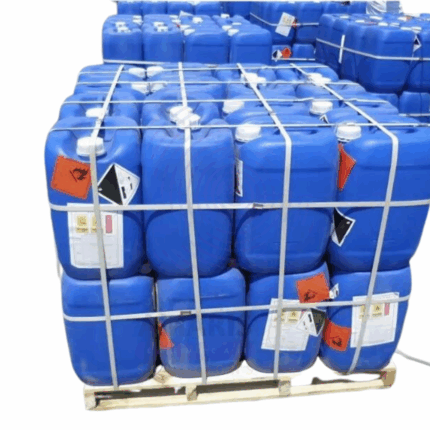
Dimethyl Acetimide
Dimethyl Acetimide is a versatile organic compound used predominantly as a solvent and intermediate in chemical syntheses. It is a colorless to pale yellow liquid with good solvency properties for a wide range of organic substances. Known for its stability and relatively low toxicity compared to similar amides, Dimethyl Acetimide finds applications in pharmaceuticals, agrochemicals, and specialty chemical manufacturing. Its miscibility with water and many organic solvents makes it suitable for formulation and processing roles.
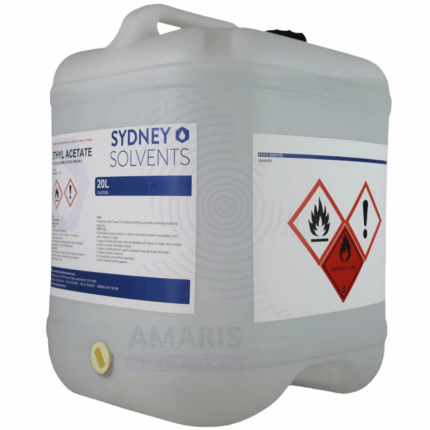
Ethyl Acetate
Ethyl Acetate is a clear, colorless, volatile organic solvent with a characteristic sweet, fruity odor reminiscent of pear drops. It is an ester formed by the condensation of ethanol and acetic acid. Known for its excellent solvency, low toxicity, and rapid evaporation rate, Ethyl Acetate is widely used as a solvent in coatings, adhesives, inks, pharmaceuticals, and chemical synthesis. It is miscible with most organic solvents and partially soluble in water. Ethyl Acetate offers high volatility, making it ideal for quick-drying formulations.
Hytan RS
Hytan RS is a premium reactive silicone-based release agent engineered for efficient mold release, surface protection, and lubrication across diverse industrial sectors. Its unique formulation ensures the formation of a durable, non-stick, thin silicone film that facilitates easy demolding and improves surface finish quality on metals, plastics, rubber, and composite substrates. Its robust performance enhances production efficiency by reducing cycle times and minimizing defects.
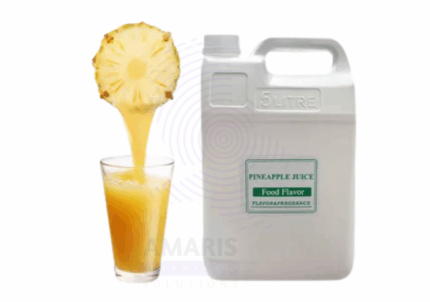
Liquid Pineapple Flavor
Liquid Pineapple Flavor (Food Grade) is a high-quality, natural and synthetic flavoring agent designed to capture the sweet, tangy, and refreshing taste of ripe pineapple. Widely used in the food and beverage industry, this flavor enhances a variety of products such as soft drinks, juices, confectionery, dairy, and baked goods. It is water and alcohol soluble, providing versatility in formulation. Its vibrant tropical aroma and authentic pineapple taste help create appealing and flavorful consumer products.
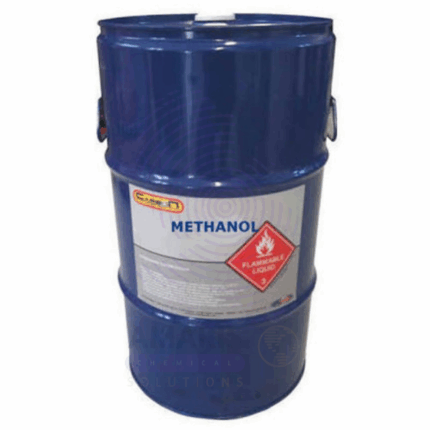
Methanol
Methanol, also known as methyl alcohol or wood alcohol, is a clear, colorless, volatile, and flammable liquid with a distinct alcoholic odor. It is the simplest alcohol and is widely used as an industrial solvent, antifreeze, fuel, and chemical feedstock. Methanol is highly miscible with water and many organic solvents and serves as a precursor to numerous chemicals including formaldehyde, acetic acid, and various plastic












