Preservatives(food)
 Flavor Enhancers
 Acidulants
 Sweeteners
 Antioxidants
 Colorants(food)
 Nutraceutical Ingredients (food)
 Nutrient Supplements
 Emulsifiers
 Collectors
 Dust Suppressants
 Explosives and Blasting Agents
 Flocculants and Coagulants
 Frothers
 Leaching Agents
 pH Modifiers
 Precious Metal Extraction Agents
 Antioxidants(plastic)
 Colorants (Pigments, Dyes)
 Fillers and Reinforcements
 Flame Retardants
 Monomers
 Plasticizers
 Polymerization Initiators
 Stabilizers (UV, Heat)
 Antifoaming Agents
 Chelating Agents
 Coagulants and Flocculants
 Corrosion Inhibitors
 Disinfectants and Biocides
 Oxidizing Agents
 pH Adjusters
 Scale Inhibitors( water)
 Antioxidants(cosmetic)
 Emollients
 Fragrances and Essential Oils
 Humectants
 Preservatives
 Surfactants(cosmetic)
 Thickeners
 UV Filters
 Fertilizers
 Soil Conditioners
 Plant Growth Regulators
 Animal Feed Additives
 Biostimulants
 Pesticides (Herbicides, Insecticides, Fungicides)
 Active Pharmaceutical Ingredients (APIs)
 Excipients
 Solvents(pharmaceutical)
 Antibiotics
 Antiseptics and Disinfectants
 Vaccine Adjuvants
 Nutraceutical Ingredients (pharmaceutical)
 Analgesics & Antipyretics
 Analytical Reagents
 Solvents(lab)
 Chromatography Chemicals
 Spectroscopy Reagents
 microbiology-and-cell-culture-reagents
 Molecular Biology Reagents
 Biochemical Reagents
 Inorganic and Organic Standards
 Laboratory Safety Chemicals
 Specialty Laboratory Chemicals(Special Laboratory Equipment)
 Demulsifiers
 Hydraulic Fracturing Fluids
 Scale Inhibitors(oil)
 Surfactants(oil)
 Drilling Fluids
 Dyes and Pigments
 Bleaching Agents
 Softening Agents
 Finishing Agents
 Antistatic Agents
 Admixtures
 Waterproofing Agents
 Sealants and Adhesives
 Curing Compounds
 Concrete Repair Chemicals
 Anti-Corrosion Coatings
 Surfactants(cleaning)
 Builders
 Enzymes
 Solvents (Cleaning)
 Fragrances
 Electronic Chemicals
 Catalysts
 Lubricants
 Photographic Chemicals
 Refrigerants
 Automotive chemicals
 Pyrotechnic Chemicals
 Biodegradable Surfactants
 Bio-based Solvents
 Renewable Polymers
 Carbon Capture Chemicals
 Wastewater Treatment Chemicals
 Pigments
 Solvents(paint)
 Specialty Coatings
 Binders/Resins
 Additives
 Driers
 Anti-Corrosion Agents
 Functional Coatings
 Application-Specific Coatings
 Leavening Agents
 Dough Conditioners
 Flour Treatments
 Fat Replacers
 Decoratives
 Preservatives(baking)
 Plasticizers & Softeners
 Reinforcing Agents
 Adhesion Promoters
 Vulcanizing Agents
 Antidegradants
 Blowing Agents
 Fillers & Extenders
 Accelerators & Retarders

Sodium Chloride (Industrial Salt)
Sodium Chloride (Industrial Salt) is a highly purified, sterile, and non-pyrogenic salt intended for intravenous, intramuscular, and subcutaneous administration. It is commonly used in medical and pharmaceutical settings as a key component of intravenous fluids, for rehydration therapy, electrolyte replenishment, and as a diluent for injectable drugs. This grade meets stringent pharmacopoeial standards (British Pharmacopoeia) ensuring safety and compatibility with parenteral use.
Sodium Chloride (Industrial Salt)
Primary Uses
- Medical and Pharmaceutical Applications
- Used as a sterile isotonic saline solution for intravenous therapy to restore fluid and electrolyte balance.
- Serves as a diluent and solvent for various injectable medications.
- Employed in wound irrigation and cleansing during medical procedures.
- Used in dialysis solutions and other parenteral nutrition products.
- Laboratory and Research
- Utilized as a standard reagent in biochemical and clinical laboratories for preparing physiological buffers and solutions.
- Used in cell culture and microbiology as an isotonic solution.
Secondary Uses
- Cosmetics and Personal Care
- Incorporated in some sterile skin care and wound care products requiring pharmaceutical grade salt.
- Veterinary Medicine
- Used in veterinary parenteral therapies and fluid replacement.
Basic Identification Attributes
- Chemical Name (IUPAC): Sodium chloride
- Common/Trade Name: Sodium Chloride BP Parenteral Grade
- CAS Number: 7647-14-5
- HS Code: 2501.00.00
- Synonyms: Table salt, saline salt, pharmaceutical grade sodium chloride
Physical & Chemical Properties
- Physical State: Crystalline powder or granules
- Color & Odor: White, odorless
- Solubility: Highly soluble in water
- Purity: Typically >99.5% purity, free from endotoxins and pyrogens
- pH: Neutral in solution
- Density: Approx. 2.165 g/cm³
Safety & Hazard Attributes
- GHS Classification: Not hazardous under normal use
- Toxicity: Non-toxic at typical medical doses
- Exposure Limits: No specific occupational limits; standard hygiene practices recommended
Storage & Handling Attributes
- Storage Conditions: Store in a cool, dry, well-ventilated place away from moisture and contamination
- Container Type: Supplied in sterile containers or sealed pharmaceutical-grade packaging
- Shelf Life: Typically 2–3 years if stored properly
- Handling Precautions: Maintain sterility; use aseptic techniques for parenteral preparations
Regulatory & Compliance Attributes
- Complies fully with British Pharmacopoeia (BP) standards for parenteral use
- Manufactured in GMP-certified pharmaceutical facilities
- Approved by major regulatory authorities for injectable use (e.g., FDA, EMA)
Environmental & Health Impact
- Biodegradability: Naturally occurring inorganic salt; environmentally benign
- Ecotoxicity: Low environmental impact in typical disposal quantities
Bioaccumulation: Not bioaccumulative
Safety Handling Precautions
- PPE Required: Use gloves and masks during sterile handling to maintain contamination-free conditions
- Handling Guidelines: Avoid moisture contamination; follow sterile handling procedures
- Storage Measures: Keep containers tightly sealed in a dry environment
First Aid Measures
- Inhalation: Not applicable under normal use
- Skin Contact: Generally safe; rinse with water if irritation occurs
- Eye Contact: Rinse with water if accidental contact occurs
- Ingestion: Safe in prescribed medical doses; seek medical advice if overdose suspected
Firefighting Measures
- Fire Hazards: Non-flammable and non-combustible
- Extinguishing Media: Not applicable
- Special Precautions: None required
Related products

Almond Bitter Oil
Almond Bitter Oil, derived from the kernels of bitter almonds (Prunus amygdalus var. amara), is an essential oil known for its sharp, nutty, and marzipan-like aroma. This oil is produced through steam distillation of crushed bitter almond kernels and contains a naturally occurring compound called benzaldehyde, which gives it its characteristic scent. In purified form (free of hydrogen cyanide), bitter almond oil is used in fragrance, flavoring, and pharmaceutical applications.
Due to its potent aroma and biochemical properties, it is widely used in perfumery, baked goods flavoring (in controlled quantities), aromatherapy, and traditional topical remedies. It is important to distinguish between natural bitter almond oil, which must be detoxified, and synthetic benzaldehyde, which is commonly used as a substitute in commercial formulations.
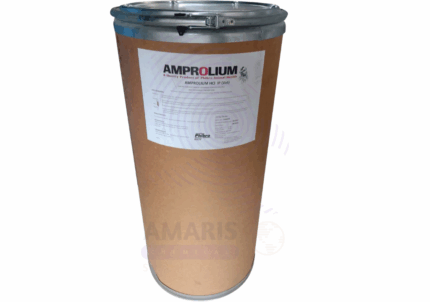
Amprolium Hydrochloride
Amprolium Hydrochloride is a white, odorless, crystalline powder used primarily as a coccidiostat, which means it inhibits the growth of Eimeria species (protozoan parasites) responsible for coccidiosis in poultry and other animals. It works by mimicking thiamine (vitamin B1), thereby competitively inhibiting thiamine uptake by the parasite, disrupting its metabolism, and preventing its proliferation. Amprolium HCl is widely used in veterinary medicine, especially in poultry farming, and is often included in feed or drinking water. It complies with BP 2008 and USP 32 pharmacopeial standards.
Argan Oil
Argan Oil is a nutrient-rich natural oil derived from the kernels of the Argan tree (Argania spinosa), native to Morocco. Extracted through cold pressing, it is golden-yellow in color and has a mildly nutty aroma. Renowned for its high content of essential fatty acids (oleic and linoleic acid), vitamin E (tocopherol), polyphenols, and antioxidants, Argan Oil is widely used in cosmetic, personal care, pharmaceutical, and nutraceutical formulations.
This oil is a potent emollient, moisturizer, and skin rejuvenator, making it highly effective in skincare and hair care products. Argan Oil also offers anti-inflammatory and wound-healing properties and is commonly used in anti-aging formulations. Its light texture and quick absorption make it ideal for both leave-on and rinse-off applications. Additionally, edible-grade Argan Oil is used in culinary preparations, contributing both flavor and nutritional benefits.
Atropine Sulphate
Atropine Sulphate is a crystalline, water-soluble alkaloid salt derived from the belladonna plant (Atropa belladonna) and other Solanaceae family members. It is a tropane alkaloid with potent anticholinergic properties, widely used in medicine for its ability to block muscarinic acetylcholine receptors. Atropine Sulphate is employed in ophthalmology, emergency medicine, and anesthesia for its effects on the eyes, heart, and smooth muscles. It acts by inhibiting parasympathetic nerve impulses, resulting in pupil dilation, increased heart rate, and reduced gland secretions.

Cross Carmellose Sodium BP
Cross Carmellose Sodium BP (also known as Croscarmellose Sodium or CCS) is a cross-linked sodium carboxymethyl cellulose polymer. It is a highly efficient, super-disintegrant commonly used in pharmaceutical tablet and capsule formulations. This white to off-white, odorless, and tasteless powder exhibits excellent swelling properties and rapid water uptake, which facilitates fast tablet disintegration and improves drug bioavailability. It is chemically stable, non-toxic, and compatible with a wide range of active pharmaceutical ingredients (APIs).
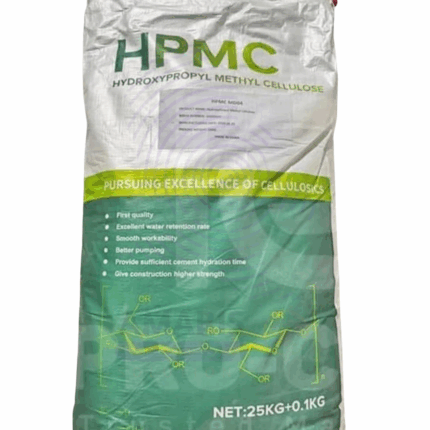
HPMC Vivapharm E50
HPMC Vivapharm is a high-quality, pharmaceutical-grade hydroxypropyl methylcellulose polymer widely used as an excipient and functional ingredient. It appears as a fine, white to off-white, odorless powder with excellent solubility in cold water and forms clear, viscous solutions. This cellulose ether derivative offers excellent film-forming, thickening, emulsifying, and controlled-release properties. Vivapharm E50 is prized in pharmaceutical, food, and cosmetic industries for its versatility, stability, and safety profile.
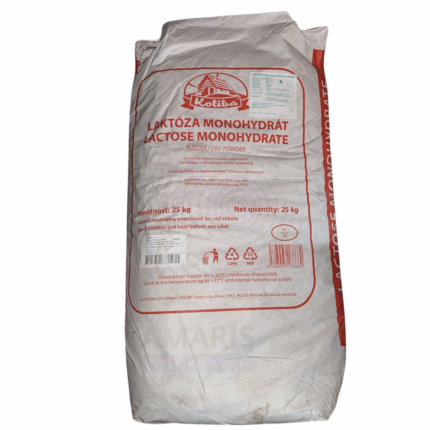
Lactose Monohydrate 200 Mesh
Lactose Monohydrate 200 Mesh is a fine, white, crystalline powder derived from milk sugar with a particle size of 200 mesh, indicating very fine granules. It is widely used in pharmaceutical, food, and confectionery industries as a filler, binder, and stabilizer. Lactose Monohydrate is valued for its excellent compressibility, low hygroscopicity, and compatibility with many active pharmaceutical ingredients (APIs). The monohydrate form contains one molecule of water, enhancing its stability and flow properties.