

 Preservatives(food)
 Flavor Enhancers
 Acidulants
 Sweeteners
 Antioxidants
 Colorants(food)
 Nutraceutical Ingredients (food)
 Nutrient Supplements
 Emulsifiers
 Collectors
 Dust Suppressants
 Explosives and Blasting Agents
 Flocculants and Coagulants
 Frothers
 Leaching Agents
 pH Modifiers
 Precious Metal Extraction Agents
 Antioxidants(plastic)
 Colorants (Pigments, Dyes)
 Fillers and Reinforcements
 Flame Retardants
 Monomers
 Plasticizers
 Polymerization Initiators
 Stabilizers (UV, Heat)
 Antifoaming Agents
 Chelating Agents
 Coagulants and Flocculants
 Corrosion Inhibitors
 Disinfectants and Biocides
 Oxidizing Agents
 pH Adjusters
 Scale Inhibitors( water)
 Antioxidants(cosmetic)
 Emollients
 Fragrances and Essential Oils
 Humectants
 Preservatives
 Surfactants(cosmetic)
 Thickeners
 UV Filters
 Fertilizers
 Soil Conditioners
 Plant Growth Regulators
 Animal Feed Additives
 Biostimulants
 Pesticides (Herbicides, Insecticides, Fungicides)
 Active Pharmaceutical Ingredients (APIs)
 Excipients
 Solvents(pharmaceutical)
 Antibiotics
 Antiseptics and Disinfectants
 Vaccine Adjuvants
 Nutraceutical Ingredients (pharmaceutical)
 Analgesics & Antipyretics
 Analytical Reagents
 Solvents(lab)
 Chromatography Chemicals
 Spectroscopy Reagents
 microbiology-and-cell-culture-reagents
 Molecular Biology Reagents
 Biochemical Reagents
 Inorganic and Organic Standards
 Laboratory Safety Chemicals
 Specialty Laboratory Chemicals(Special Laboratory Equipment)
 Demulsifiers
 Hydraulic Fracturing Fluids
 Scale Inhibitors(oil)
 Surfactants(oil)
 Drilling Fluids
 Dyes and Pigments
 Bleaching Agents
 Softening Agents
 Finishing Agents
 Antistatic Agents
 Admixtures
 Waterproofing Agents
 Sealants and Adhesives
 Curing Compounds
 Concrete Repair Chemicals
 Anti-Corrosion Coatings
 Surfactants(cleaning)
 Builders
 Enzymes
 Solvents (Cleaning)
 Fragrances
 Electronic Chemicals
 Catalysts
 Lubricants
 Photographic Chemicals
 Refrigerants
 Automotive chemicals
 Pyrotechnic Chemicals
 Biodegradable Surfactants
 Bio-based Solvents
 Renewable Polymers
 Carbon Capture Chemicals
 Wastewater Treatment Chemicals
 Pigments
 Solvents(paint)
 Specialty Coatings
 Binders/Resins
 Additives
 Driers
 Anti-Corrosion Agents
 Functional Coatings
 Application-Specific Coatings
 Leavening Agents
 Dough Conditioners
 Flour Treatments
 Fat Replacers
 Decoratives
 Preservatives(baking)
 Plasticizers & Softeners
 Reinforcing Agents
 Adhesion Promoters
 Vulcanizing Agents
 Antidegradants
 Blowing Agents
 Fillers & Extenders
 Accelerators & Retarders

Sodium Lactate
Sodium Lactate is a clear to slightly yellowish, viscous liquid obtained by neutralizing lactic acid with sodium hydroxide. It is widely used as a food additive, pharmaceutical excipient, and in cosmetic formulations due to its humectant, buffering, and antimicrobial properties. This grade is valued for its ability to retain moisture, regulate acidity, and act as a preservative in various industries. It also finds applications in the medical field as an electrolyte replenisher and pH stabilizer.
Sodium Lactate
Primary Uses
- Food Industry
- Used as a food preservative (E325) to inhibit microbial growth and extend shelf life of processed foods.
- Functions as a humectant to retain moisture in meat, bakery products, and beverages.
- Acts as a pH regulator and buffering agent in food formulations.
- Used in curing meat products to improve flavor and texture.
- Pharmaceuticals and Healthcare
- Incorporated as a buffering agent and stabilizer in intravenous (IV) fluids and oral rehydration solutions.
- Used as an electrolyte replenisher to restore sodium and fluid balance.
- Serves as a pH adjuster in topical and systemic pharmaceutical formulations.
- Cosmetics and Personal Care
- Functions as a humectant and skin-conditioning agent in lotions, creams, shampoos, and soaps.
- Enhances moisture retention and maintains skin hydration.
- Acts as a mild antimicrobial preservative in cosmetic formulations.
- Industrial Applications
- Used as a corrosion inhibitor in metalworking fluids and cooling systems.
- Employed in textile processing as a pH buffer and softening agent.
- Acts as a chelating agent in cleaning formulations.
Secondary Uses
- Agriculture
- Used as a biodegradable additive in pesticide formulations.
- Applied as a humectant to improve seed germination and plant hydration.
- Leather Industry
- Utilized in tanning processes for pH control and preservation of hides.
1. Basic Identification Attributes
- Chemical Name (IUPAC): Sodium 2-hydroxypropanoate
- Common/Trade Name: Sodium Lactate 60%
- CAS Number: 72-17-3
- HS Code: 2918.16
- Synonyms: Sodium Lactic acid salt, E325
2. Physical & Chemical Properties
- Physical State: Liquid
- Color & Odor: Clear to slightly yellow, mild odor
- Concentration: 60% solution (w/w)
- pH: Approximately 6.5 - 8.5 (depending on concentration)
- Density: ~1.21 g/cm³
- Solubility: Miscible with water
3. Safety & Hazard Attributes
- GHS Classification: Generally recognized as safe (GRAS)
- Toxicity: Low toxicity; non-irritating at normal handling concentrations
- Exposure Limits: Standard occupational exposure limits apply
4. Storage & Handling Attributes
- Storage Conditions: Store in a cool, dry place away from direct sunlight and incompatible substances such as strong oxidizers
- Container Type: Typically supplied in food-grade plastic drums or bulk containers
- Shelf Life: Stable for up to 2 years under proper storage
- Handling Precautions: Use personal protective equipment to avoid skin and eye contact; ensure good ventilation
- Storage Measures: Keep containers tightly closed and stored in a dry environment
5. Regulatory & Compliance Attributes
- Complies with food-grade standards (FDA, FCC, USP)
- Approved for use as a food additive and pharmaceutical ingredient globally
- Meets cosmetic ingredient regulations (e.g., EU Cosmetics Regulation)
6. Environmental & Health Impact
- Biodegradability: Biodegradable and environmentally friendly
- Ecotoxicity: Low toxicity to aquatic organisms
- Bioaccumulation: Not expected to bioaccumulate
Safety Handling Precautions
- PPE Required: Gloves, goggles, protective clothing recommended
- Handling Guidelines: Avoid prolonged skin contact and eye exposure
- Storage Measures: Store away from strong oxidizers and acids to prevent reactions
First Aid Measures
- Inhalation: Move to fresh air if irritation occurs; seek medical attention if symptoms persist
- Skin Contact: Wash with soap and water; seek medical advice if irritation develops
- Eye Contact: Rinse thoroughly with water for at least 15 minutes; seek medical care if irritation persists
- Ingestion: Rinse mouth and drink water; seek medical attention if large quantities ingested
Firefighting Measures
- Fire Hazards: Non-flammable but may decompose at high temperatures producing toxic fumes
- Extinguishing Media: Use water spray, foam, dry chemical, or CO₂ extinguishers
- Special Precautions: Wear self-contained breathing apparatus if involved in fire
- Hazardous Combustion Products: Carbon oxides and sodium oxides
Related products
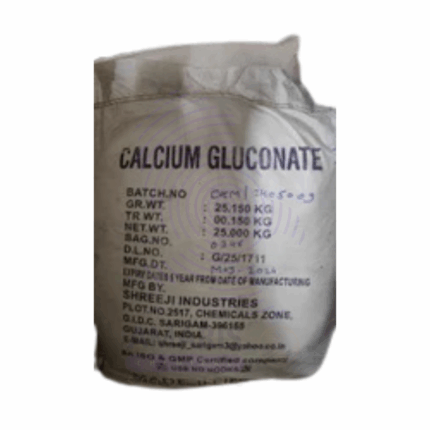
Calcium Gluconate
Calcium Gluconate is a calcium salt of gluconic acid appearing as a white, odorless, crystalline powder or colorless crystals. It is highly soluble in water and commonly used as a calcium supplement in pharmaceuticals and food products. Calcium Gluconate plays a critical role in medicine for treating calcium deficiencies, hypocalcemia, and as an antidote for hydrofluoric acid burns. Its excellent bioavailability makes it a preferred calcium source in oral and intravenous formulations. Additionally, it is utilized in food fortification and cosmetic applications due to its safety and compatibility.
Calcium Lactate Pentahydrate
Calcium Lactate Pentahydrate is a white, crystalline, odorless powder that is the calcium salt of lactic acid with five molecules of water of crystallization. It is moderately soluble in water and has a slightly alkaline pH in solution. Widely used as a calcium supplement in the pharmaceutical and food industries, it is known for its good bioavailability and safety profile. Calcium Lactate Pentahydrate is utilized to prevent and treat calcium deficiencies and plays a role in bone health, muscle function, and enzyme activity. It also finds applications as a food additive and firming agent.
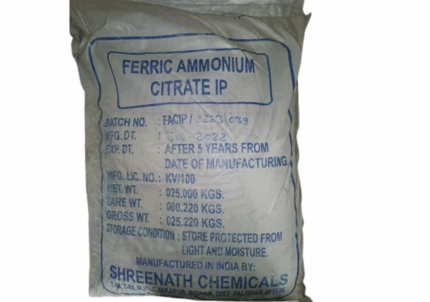
Ferric Ammonium Citrate
Ferric Ammonium Citrate is a dark green to black crystalline or granular inorganic compound composed of iron, ammonium ions, and citrate ions. It is a complex salt of citric acid with ferric iron (Fe³⁺) and ammonium. This compound is highly soluble in water, forming a greenish solution, and is widely utilized as a source of iron in various chemical, pharmaceutical, photographic, and food applications. It acts as a mild oxidizing agent and an iron supplement, valued for its bioavailability and ease of incorporation into formulations. Ferric Ammonium Citrate is typically available in different formulations distinguished by their water and ammonium content, such as green and brown types.
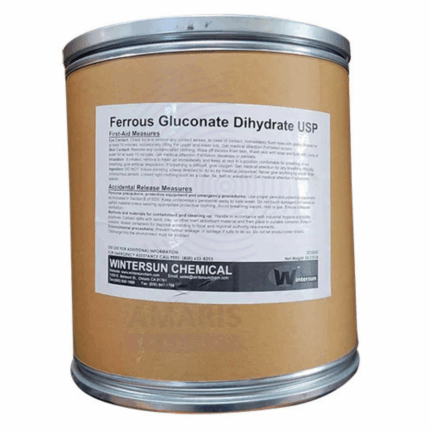
Ferrous Gluconate
Ferrous Gluconate is an iron salt of gluconic acid, appearing as a pale greenish-blue or green crystalline powder or granules. It is widely used as a nutritional iron supplement and food additive due to its good bioavailability and relatively low toxicity compared to other iron salts. Ferrous Gluconate is water-soluble, providing a stable source of ferrous iron (Fe²⁺) that is easily absorbed in the gastrointestinal tract. This compound is commonly employed in pharmaceuticals, food fortification, and medical formulations to treat or prevent iron deficiency anemia. It is also used as a reducing agent and color stabilizer in various industrial applications.
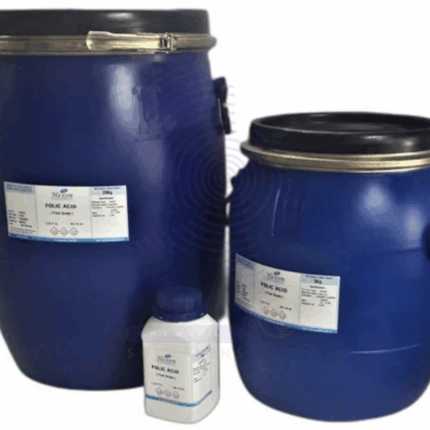
Folic Acid
Folic Acid, also known as Vitamin B9 or pteroylmonoglutamic acid, is a water-soluble vitamin essential for numerous physiological processes including DNA synthesis, repair, and methylation, as well as amino acid metabolism. It appears as a yellow to orange-yellow crystalline powder, odorless or with a faint characteristic odor. Folic Acid is vital for cell division and growth, making it critical during pregnancy and periods of rapid growth. It is widely used in the pharmaceutical, nutraceutical, food fortification, and cosmetic industries due to its role in preventing folate deficiency anemia, neural tube defects in newborns, and supporting overall cellular health.
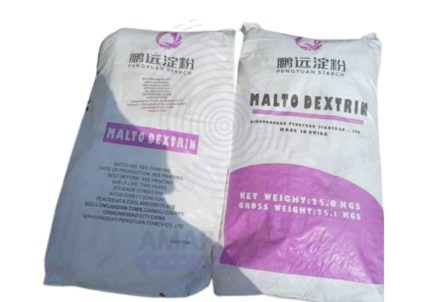

Maltodextrin
Maltodextrin is a white, odorless, tasteless polysaccharide produced from partial hydrolysis of starch (typically corn, potato, rice, or wheat starch). It consists of short chains of D-glucose units and is classified by its dextrose equivalent (DE), typically ranging from 3 to 20. Maltodextrin is easily digestible, water-soluble, and has a mildly sweet to nearly neutral flavor depending on its DE value. It is widely used in food, pharmaceutical, and industrial applications as a filler, thickener, bulking agent, and carrier, owing to its excellent functionality and safety.

Manganous Dihydrogen Phosphate
Manganous Dihydrogen Phosphate is an inorganic manganese compound with the formula Mn(H₂PO₄)₂. It is typically encountered as a hydrated crystalline solid that is soluble in water. This compound serves as a valuable source of manganese and phosphorus in agricultural and industrial applications. It is primarily used as a micronutrient fertilizer component, an additive in animal feed, and a reagent in chemical syntheses. Its high solubility makes it effective for foliar sprays and soil applications to correct manganese deficiencies in crops.
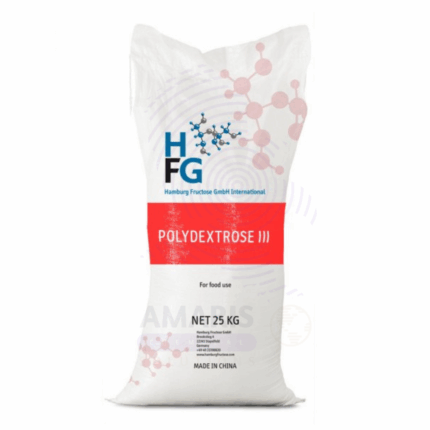
Polydextrose
Polydextrose is a synthetic, highly branched polymer of glucose used primarily as a soluble dietary fiber, bulking agent, and low-calorie sweetener. It is produced through the polycondensation of dextrose with sorbitol and citric acid. Polydextrose offers numerous health and functional benefits, such as improving texture, replacing sugar or fat, and supporting digestive health. It is extensively used in food, beverages, pharmaceuticals, and nutraceuticals for its fiber enrichment properties and technological versatility.












