

 Preservatives(food)
 Flavors
 Acidulants
 Sweeteners
 Antioxidants
 Colorants(food)
 Nutraceutical Ingredients (food)
 Nutrient Supplements
 Emulsifiers
 Collectors
 Dust Suppressants
 Explosives and Blasting Agents
 Flocculants and Coagulants
 Frothers
 Leaching Agents
 pH Modifiers
 Precious Metal Extraction Agents
 Antioxidants(plastic)
 Colorants (Pigments, Dyes)
 Fillers and Reinforcements
 Flame Retardants
 Monomers
 Plasticizers
 Polymerization Initiators
 Stabilizers (UV, Heat)
 Antifoaming Agents
 Chelating Agents
 Coagulants and Flocculants
 Corrosion Inhibitors
 Disinfectants and Biocides
 Oxidizing Agents
 pH Adjusters
 Scale Inhibitors( water)
 Antioxidants(cosmetic)
 Emollients
 Oils
Oils Carrier Oills
 Essential Oils
 Humectants
 Preservatives
 Surfactants(cosmetic)
 Thickeners
 UV Filters
 Fragrance (Cosmetics)
 Fertilizers
 Soil Conditioners
 Plant Growth Regulators
 Animal Feed Additives
 Biostimulants
 Pesticides (Herbicides, Insecticides, Fungicides)
 Active Pharmaceutical Ingredients (APIs)
 Excipients
 Solvents(pharmaceutical)
 Antibiotics
 Antiseptics and Disinfectants
 Vaccine Adjuvants
 Nutraceutical Ingredients (pharmaceutical)
 Analgesics & Antipyretics
 Analytical Reagents
 Solvents(lab)
 Chromatography Chemicals
 Spectroscopy Reagents
 microbiology-and-cell-culture-reagents
 Molecular Biology Reagents
 Biochemical Reagents
 Inorganic and Organic Standards
 Laboratory Safety Chemicals
 Specialty Laboratory Chemicals(Special Laboratory Equipment)
 Demulsifiers
 Hydraulic Fracturing Fluids
 Scale Inhibitors(oil)
 Surfactants(oil)
 Drilling Fluids
 Dyes and Pigments
 Bleaching Agents
 Softening Agents
 Finishing Agents
 Antistatic Agents
 Admixtures
 Waterproofing Agents
 Sealants and Adhesives
 Curing Compounds
 Concrete Repair Chemicals
 Anti-Corrosion Coatings
 Surfactants(cleaning)
 Builders
 Enzymes
 Solvents (Cleaning)
 Electronic Chemicals
 Catalysts
 Lubricants
 Photographic Chemicals
 Refrigerants
 Automotive chemicals
 Pyrotechnic Chemicals
 Biodegradable Surfactants
 Bio-based Solvents
 Renewable Polymers
 Carbon Capture Chemicals
 Wastewater Treatment Chemicals
 Pigments
 Solvents(paint)
 Specialty Coatings
 Binders/Resins
 Additives
 Driers
 Anti-Corrosion Agents
 Functional Coatings
 Application-Specific Coatings
 Leavening Agents
 Dough Conditioners
 Flour Treatments
 Fat Replacers
 Decoratives
 Preservatives(baking)
 Plasticizers & Softeners
 Reinforcing Agents
 Adhesion Promoters
 Vulcanizing Agents
 Antidegradants
 Blowing Agents
 Fillers & Extenders
 Accelerators & Retarders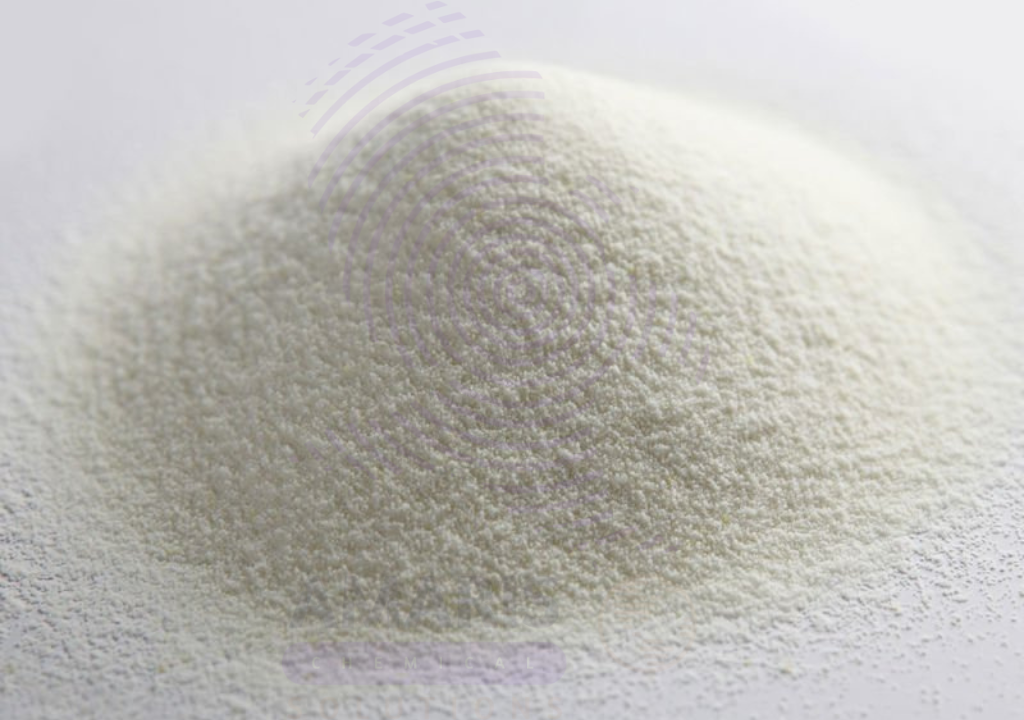



Vitamin D3100,000 IU/GM
Vitamin D3100,000 IU/GM, also known as High-Potency Cholecalciferol, is a concentrated form of Vitamin D3 commonly used in pharmaceutical formulations, fortified food products, animal feed, and dietary supplements. This form delivers 100,000 International Units (IU) of cholecalciferol per gram, ensuring efficient delivery of therapeutic or nutritional doses in small volumes. It is produced under stringent quality standards to ensure stability, potency, and safety.
Vitamin D3100,000 IU/GM
Primary Uses
- Pharmaceutical Industry
- High-Dose Formulations: Used in prescription-only or physician-supervised therapies for the rapid treatment of severe vitamin D deficiencies and disorders like rickets, osteomalacia, or secondary hyperparathyroidism.
- Injectables & Capsules: Included in high-strength oral or injectable products for patients requiring therapeutic dosing.
- Bone Health Support: Used in conjunction with calcium supplements for osteoporosis treatment and prevention.
- Autoimmune & Metabolic Disorders: Explored in therapies for autoimmune diseases (e.g., multiple sclerosis) and insulin sensitivity modulation.
- Nutraceuticals & Dietary Supplements
- High-Dose Supplements: Formulated in concentrated tablets or soft gels for individuals with clinically diagnosed deficiencies.
- Immune System Support: Marketed for boosting immunity, particularly in populations at risk of deficiency (e.g., elderly, obese, or individuals with limited sun exposure).
- Therapeutic Nutrition: Used in medical nutrition therapy and customized health regimens.
- Food & Beverage Industry
- Fortification of High-Nutrition Foods: Used in the enrichment of dairy products, plant-based milks, functional foods, and health drinks, especially where high bioavailability is required.
- Infant & Geriatric Nutrition: Incorporated into specialized food products targeting vulnerable populations with higher D3 needs.
Secondary Uses
- Veterinary & Animal Nutrition
- Feed Additive: Used in poultry, livestock, aquaculture, and pet feed premixes to promote calcium absorption, prevent rickets, and support egg production in layers.
- Vitamin Premixes: Blended into multivitamin premixes for veterinary applications in commercial animal husbandry.
- Cosmetics & Topical Applications
- Skin Creams & Lotions: Occasionally included in skincare products for its anti-inflammatory and skin barrier support roles, though topical bioavailability is limited.
- Clinical & Hospital Use
- Parenteral Nutrition: Included in injectable nutrition solutions for patients undergoing surgery or receiving long-term intravenous feeding.
- Critical Care Nutrition: Employed in high-risk patient groups to rapidly correct deficiencies.
- Research & Biotechnology
- Hormone Regulation Studies: Used in labs for research on calcium/phosphorus metabolism, endocrine system interaction, and receptor binding.
- In Vitro Testing: Included in cell cultures for studies involving vitamin D pathways and immune responses.
1. Basic Identification Attributes
- Chemical Name (IUPAC): (3β,5Z,7E)-9,10-secocholesta-5,7,10(19)-trien-3-ol
- Common/Trade Name: Vitamin D3 100,000 IU/gm, Cholecalciferol Concentrate
- CAS Number: 67-97-0
- HS Code: 2936.29.00
- Synonyms: High-potency Cholecalciferol, Vitamin D3 powder, Colecalciferol
2. Physical & Chemical Properties
- Physical State: Typically a fine powder or oily concentrate (depending on formulation)
- Color & Odor: Off-white to light yellow; odorless or faint odor
- Solubility: Fat-soluble; insoluble in water
- Potency: 100,000 IU of Vitamin D3 per gram
- Stability: Light- and oxygen-sensitive; requires antioxidant and encapsulation for formulation
- Melting Point: 83–85 °C
- Molecular Formula: C27H44O
- Molecular Weight: 384.64 g/mol
3. Safety & Hazard Attributes
- GHS Classification: May cause damage to organs through prolonged or repeated exposure at high doses
- Toxicity: Low at nutritional levels but can cause hypercalcemia and toxicity if overdosed
- Exposure Limits: Avoid excessive inhalation or ingestion of concentrated powder or oil
4. Storage & Handling Attributes
- Storage Conditions: Store in a cool, dry place; protect from light, heat, and oxygen
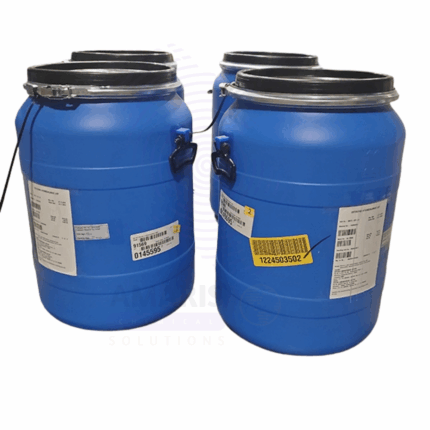
- Container Type: Nitrogen-sealed, light-resistant containers (e.g., amber bottles or drums)
- Shelf Life: 24–36 months under proper storage
- Handling Precautions: Use protective gloves, eye protection, and dust control measures when handling powdered form
5. Regulatory & Compliance Attributes
- Complies with: BP, USP, EP, FCC, and food safety standards
- GMP-Certified Production: Manufactured under pharmaceutical-grade conditions
- Approved for Use In: Human medicine, food fortification, dietary supplements, veterinary applications
- Regulatory Status: GRAS (Generally Recognized as Safe) for food use in many countries; widely accepted in health supplements and fortified foods
6. Environmental & Health Impact
- Biodegradability: Degradable under environmental conditions
- Ecotoxicity: Minimal at nutritional levels
- Bioaccumulation: Not expected to bioaccumulate under regulated use
Safety Handling Precautions
- PPE Required: Gloves, dust mask, safety goggles
- Handling Guidelines: Avoid direct contact with skin and mucous membranes; handle under inert or low-light conditions
- Storage Measures: Keep container tightly closed and shielded from oxygen and UV light
First Aid Measures
- Inhalation: Move to fresh air; seek medical help if symptoms persist
- Skin Contact: Rinse with water; seek medical advice for irritation
- Eye Contact: Flush eyes thoroughly with water for 15 minutes
- Ingestion: Do not induce vomiting; seek immediate medical attention in case of overdose
Firefighting Measures
- Fire Hazards: May burn under high heat; combustible in some formulations
- Extinguishing Media: Water spray, CO₂, dry chemical
- Hazardous Combustion Products: Carbon monoxide, carbon dioxide, and possible toxic fumes
Related products
Cetirizine Dihydrochloride
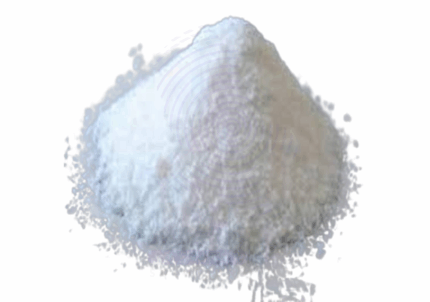
Cetirizine Dihydrochloride is a second-generation antihistamine widely used to relieve allergy symptoms such as hay fever, urticaria (hives), and other allergic conditions. It is the dihydrochloride salt form of cetirizine, presenting as a white to off-white crystalline powder that is odorless or nearly odorless and slightly bitter in taste. Cetirizine Dihydrochloride acts as a selective antagonist of peripheral H1 histamine receptors, preventing the effects of histamine and thereby reducing allergic symptoms without causing significant sedation. It is a commonly prescribed active pharmaceutical ingredient (API) in oral tablets, syrups, and capsules.
Chloramphenicol Palmitate Micronised
Chloramphenicol Palmitate Micronised is a micronized, lipophilic ester derivative of chloramphenicol, designed for improved solubility and bioavailability compared to the parent drug. It appears as a fine, white to off-white powder with enhanced surface area due to micronization. This antibiotic is widely used for oral formulations, particularly pediatric suspensions, due to its palatability and controlled release properties. Chloramphenicol Palmitate exhibits broad-spectrum antibacterial activity against both Gram-positive and Gram-negative bacteria. Its ester form offers better stability and reduced bitterness, making it a preferred choice in pharmaceutical preparations.

Diphenhydramine HCL BP
Diphenhydramine HCL BP is a first-generation antihistamine with potent anticholinergic, sedative, and antiemetic properties. It is commonly used to relieve symptoms associated with allergies, hay fever, the common cold, and motion sickness. Diphenhydramine HCL is a white crystalline powder, highly soluble in water, making it suitable for oral, topical, and injectable pharmaceutical formulations. Due to its ability to cross the blood-brain barrier, it causes sedation and is often used as a sleep aid and for managing Parkinson’s disease symptoms.
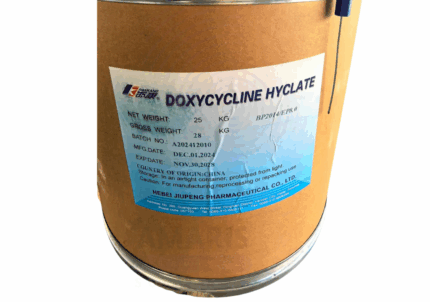
Doxycycline Hyclate BP
Doxycycline Hyclate BP is a broad-spectrum, semisynthetic tetracycline-class antibiotic available as the hemihydrate salt form of doxycycline. It is widely used in pharmaceutical formulations due to its high bioavailability, broad antibacterial activity, and favorable pharmacokinetic profile. The compound exhibits bacteriostatic action by inhibiting protein synthesis in susceptible bacteria, making it effective against a wide range of Gram-positive and Gram-negative organisms as well as atypical pathogens. It is typically supplied as a fine, white to off-white crystalline powder soluble in water and suitable for oral and parenteral dosage forms.
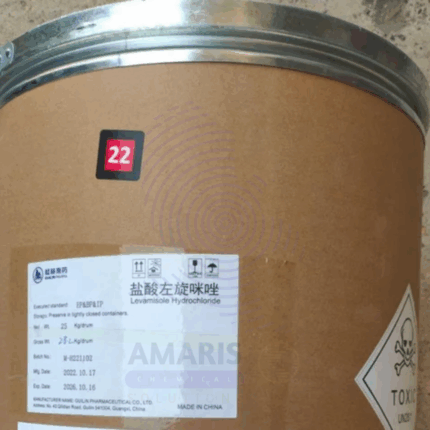
Levamisole Hcl BP2000
Levamisole Hcl BP2000 is a white to off-white crystalline powder, soluble in water, with anthelmintic and immunomodulatory properties. It is primarily used as a veterinary antiparasitic agent effective against gastrointestinal nematodes in livestock. Levamisole HCL BP2000 conforms to British Pharmacopoeia standards, ensuring high purity and quality for pharmaceutical and veterinary formulations. Beyond veterinary uses, it is also researched for immunostimulant properties in medical applications.
Lidocaine HCL BP
Lidocaine HCL BP is a white crystalline powder or granules that are highly soluble in water. It is a local anesthetic and antiarrhythmic agent widely used in medical and dental fields. Lidocaine HCL BP acts by blocking nerve signal transmission, providing rapid and effective numbing of targeted areas. It conforms to British Pharmacopoeia (BP) standards, ensuring pharmaceutical-grade purity and consistency. It is commonly formulated into injections, topical gels, creams, and patches for pain relief and arrhythmia treatment.
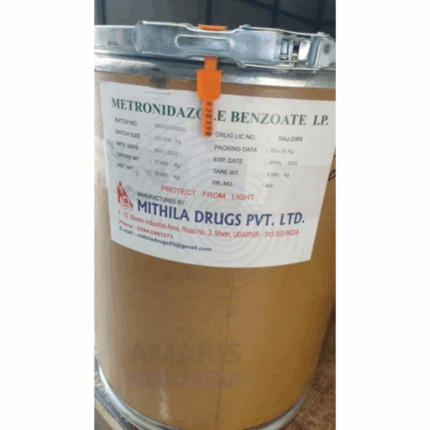
Metronidazole Benzoate BP
Metronidazole Benzoate BP is a benzoate ester derivative of metronidazole, used primarily as an antiprotozoal and antibacterial agent. It is a prodrug that hydrolyzes in the body to release metronidazole, making it more palatable for pediatric and geriatric oral suspensions. It complies with the British Pharmacopoeia (BP) standards for purity and efficacy.
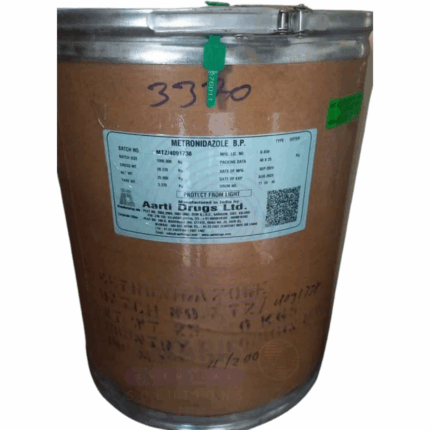
Metronidazole BP
Metronidazole BP is a benzoate ester derivative of metronidazole, used primarily as an antiprotozoal and antibacterial agent. It is a prodrug that hydrolyzes in the body to release metronidazole, making it more palatable for pediatric and geriatric oral suspensions. It complies with the British Pharmacopoeia (BP) standards for purity and efficacy.












