

 Preservatives(food)
 Flavor Enhancers
 Acidulants
 Sweeteners
 Antioxidants
 Colorants(food)
 Nutraceutical Ingredients (food)
 Nutrient Supplements
 Emulsifiers
 Collectors
 Dust Suppressants
 Explosives and Blasting Agents
 Flocculants and Coagulants
 Frothers
 Leaching Agents
 pH Modifiers
 Precious Metal Extraction Agents
 Antioxidants(plastic)
 Colorants (Pigments, Dyes)
 Fillers and Reinforcements
 Flame Retardants
 Monomers
 Plasticizers
 Polymerization Initiators
 Stabilizers (UV, Heat)
 Antifoaming Agents
 Chelating Agents
 Coagulants and Flocculants
 Corrosion Inhibitors
 Disinfectants and Biocides
 Oxidizing Agents
 pH Adjusters
 Scale Inhibitors( water)
 Antioxidants(cosmetic)
 Emollients
 Fragrances and Essential Oils
 Humectants
 Preservatives
 Surfactants(cosmetic)
 Thickeners
 UV Filters
 Fertilizers
 Soil Conditioners
 Plant Growth Regulators
 Animal Feed Additives
 Biostimulants
 Pesticides (Herbicides, Insecticides, Fungicides)
 Active Pharmaceutical Ingredients (APIs)
 Excipients
 Solvents(pharmaceutical)
 Antibiotics
 Antiseptics and Disinfectants
 Vaccine Adjuvants
 Nutraceutical Ingredients (pharmaceutical)
 Analgesics & Antipyretics
 Analytical Reagents
 Solvents(lab)
 Chromatography Chemicals
 Spectroscopy Reagents
 microbiology-and-cell-culture-reagents
 Molecular Biology Reagents
 Biochemical Reagents
 Inorganic and Organic Standards
 Laboratory Safety Chemicals
 Specialty Laboratory Chemicals(Special Laboratory Equipment)
 Demulsifiers
 Hydraulic Fracturing Fluids
 Scale Inhibitors(oil)
 Surfactants(oil)
 Drilling Fluids
 Dyes and Pigments
 Bleaching Agents
 Softening Agents
 Finishing Agents
 Antistatic Agents
 Admixtures
 Waterproofing Agents
 Sealants and Adhesives
 Curing Compounds
 Concrete Repair Chemicals
 Anti-Corrosion Coatings
 Surfactants(cleaning)
 Builders
 Enzymes
 Solvents (Cleaning)
 Fragrances
 Electronic Chemicals
 Catalysts
 Lubricants
 Photographic Chemicals
 Refrigerants
 Automotive chemicals
 Pyrotechnic Chemicals
 Biodegradable Surfactants
 Bio-based Solvents
 Renewable Polymers
 Carbon Capture Chemicals
 Wastewater Treatment Chemicals
 Pigments
 Solvents(paint)
 Specialty Coatings
 Binders/Resins
 Additives
 Driers
 Anti-Corrosion Agents
 Functional Coatings
 Application-Specific Coatings
 Leavening Agents
 Dough Conditioners
 Flour Treatments
 Fat Replacers
 Decoratives
 Preservatives(baking)
 Plasticizers & Softeners
 Reinforcing Agents
 Adhesion Promoters
 Vulcanizing Agents
 Antidegradants
 Blowing Agents
 Fillers & Extenders
 Accelerators & Retarders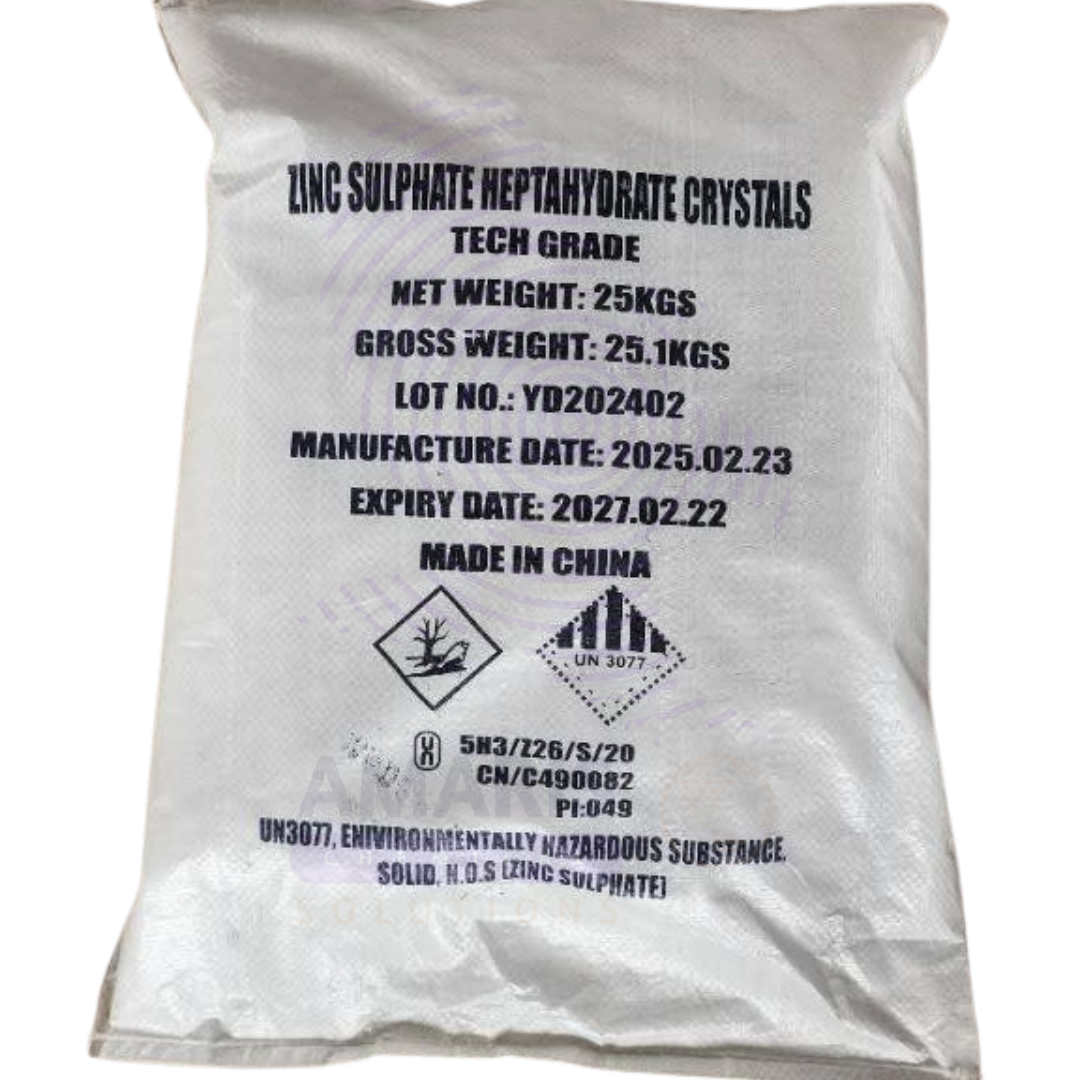
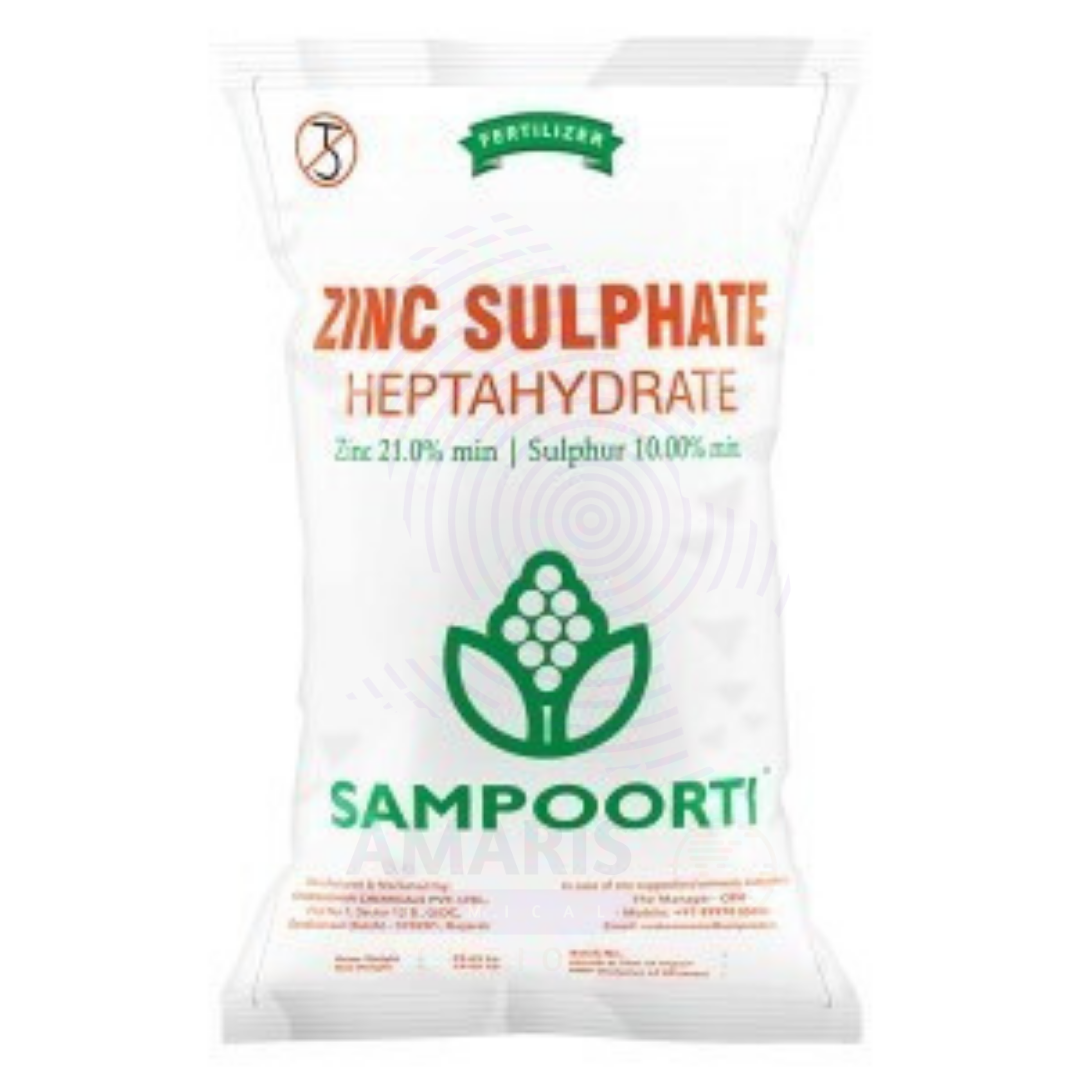




Zinc Sulphate Heptahydrate
Zinc Sulphate Heptahydrate (ZnSO₄·7H₂O) is a white, crystalline, water-soluble compound commonly used as a dietary supplement to treat zinc deficiency. It serves as a key ingredient in fertilizers, animal feeds, and industrial applications like water treatment and dyeing. The heptahydrate form contains seven water molecules, making it highly soluble and effective for various agricultural, medical, and chemical uses.
Zinc Sulphate Heptahydrate
Primary Uses
- Agriculture
- Micronutrient Fertilizer: Used to correct zinc deficiency in soils for crops like maize, wheat, rice, and citrus.
- Foliar Spray & Soil Application: Enhances chlorophyll production and enzyme activity in plants.
- Seed Treatment: Coated on seeds to promote healthy germination and early growth.
- Animal Feed Industry
- Feed Additive: Provides essential zinc to livestock and poultry to support growth, immune response, skin integrity, and reproduction.
- Premixes & Supplements: Commonly added in formulations for pigs, cattle, poultry, and aquatic species.
- Water Treatment
- Algae Control: Acts as an algaecide in industrial water systems and cooling towers.
- Coagulation Aid: Improves water clarification in wastewater treatment.
- Chemical Manufacturing
- Intermediate: Used in the manufacture of zinc-based chemicals, catalysts, and pigments.
- Electrolyte Additive: Utilized in electroplating processes to produce uniform zinc coatings.
Secondary Uses
- Pharmaceuticals (Industrial Grade – Non-Medical Use)
- Astringent & Antiseptic Base: Used in some topical preparations (only when refined to pharma grade).
- Textile Industry
- Mordant in Dyeing: Enhances dye uptake and colorfastness in fabrics.
- Paper Industry
- Slimicide: Prevents microbial growth during paper manufacturing.
- Construction
- Additive in Cement & Concrete: Enhances setting characteristics and resistance to microbial growth (in niche applications).
- Galvanizing
- Surface Preparation: Sometimes used in pre-treatment or surface activation before zinc electroplating.
1. Basic Identification Attributes
- Chemical Name (IUPAC): Zinc sulfate heptahydrate
- Common/Trade Name: Zinc Sulphate Heptahydrate 21%
- CAS Number: 7446-20-0
- HS Code: 2833.26.00
- Synonyms: White vitriol, zinc sulphate 7H₂O
2. Physical & Chemical Properties
- Physical State: Crystalline solid
- Color & Odor: White to colorless; odorless
- Molecular Formula: ZnSO₄·7H₂O
- Molecular Weight: 287.54 g/mol
- Zinc Content: ~21% (elemental zinc by weight)
- Solubility: Highly soluble in water
- Density: ~1.97 g/cm³
- Melting Point: 100 °C (decomposes with loss of water)
- pH (5% solution): ~4.5–5.5
3. Safety & Hazard Attributes
- GHS Classification:
- Irritant to eyes and skin
- Harmful if swallowed in large quantities
- Dangerous to aquatic environments in concentrated form
- Toxicity: Low at recommended levels; avoid inhalation or ingestion of dust
- Exposure Limits: General dust limits apply; not classified as a systemic toxin at industrial doses
4. Storage & Handling Attributes
- Storage Conditions: Store in a dry, well-ventilated area away from heat and moisture
- Container Type: 25 kg HDPE bags, kraft paper sacks with PE liner
- Shelf Life: Up to 2 years under sealed, dry conditions
- Handling Precautions: Avoid inhalation of dust; prevent moisture contact as it may cake or dissolve
5. Regulatory & Compliance Attributes
- Complies with REACH and TSCA chemical regulations
- Registered for fertilizer and feed use in many regions (including EU and U.S.)
- Manufactured under ISO 9001 and FAMI-QS (when feed-grade)
- Conforms to FAO/WHO standards for micronutrient fertilizers
- Meets CODEX guidelines for use in animal nutrition
- RoHS compliant (when applicable in coatings or electronics)
6. Environmental & Health Impact
- Biodegradability: Not applicable (inorganic compound)
- Ecotoxicity: Toxic to aquatic life at high concentrations; follow disposal regulations
- Bioaccumulation: Not expected
- Environmental Note: Follow guidelines to avoid runoff into natural water systems
Safety Handling Precautions
- PPE Required: Gloves, goggles, dust mask
- Handling Guidelines: Use with local exhaust ventilation; avoid dust buildup
- Storage Measures: Keep tightly sealed and protected from humidity
First Aid Measures
- Inhalation: Move to fresh air; seek medical attention if symptoms persist
- Skin Contact: Wash with soap and water
- Eye Contact: Rinse thoroughly with water for 15 minutes
- Ingestion: Rinse mouth; seek medical advice if large quantity is consumed
Firefighting Measures
- Fire Hazards: Not flammable
- Extinguishing Media: Use any media suitable for surrounding fire
- Hazardous Combustion Products: May emit sulfur oxides under extreme heat
Related products

Acid Oil Soya
Acid Oil Soya is a byproduct derived from the refining of soybean oil. It is a dark-colored, free fatty acid-rich liquid containing mainly oleic and linoleic acids. Acid Oil Soya is commonly used in industrial applications such as soap making, animal feed, and as a raw material in the production of biodiesel, lubricants, and other chemicals.
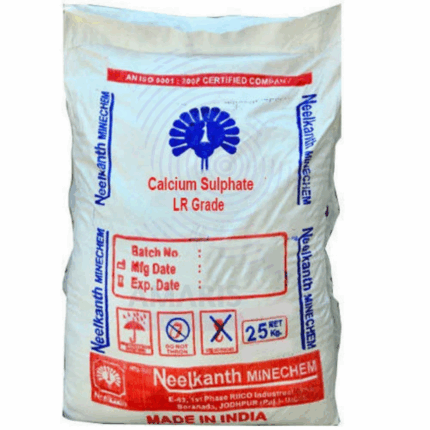
Calcium Sulphate
Calcium Sulphate is an inorganic compound composed of calcium, sulfur, and oxygen, commonly found in two forms: dihydrate (gypsum, CaSO4·2H2O) and anhydrous (CaSO4). It appears as a white or off-white crystalline powder or granules with low solubility in water. Calcium Sulphate is widely used in construction, agriculture, pharmaceuticals, food industry, and various industrial applications. It acts as a filler, hardening agent, and drying agent due to its physical and chemical properties. The dihydrate form (gypsum) is notable for use in plaster and cement, while the anhydrous form is often used as a drying agent and in refractory materials.

Magnesium Oxide
Magnesium Oxide (MgO) is a white, odorless, alkaline earth metal oxide powder. It is produced by calcining magnesium carbonate or hydroxide at high temperatures, resulting in a fine, white powder with a high melting point. Magnesium Oxide is widely used for its refractory properties, chemical stability, and ability to neutralize acids. It serves important roles in pharmaceuticals, agriculture, environmental applications, and various industrial processes.
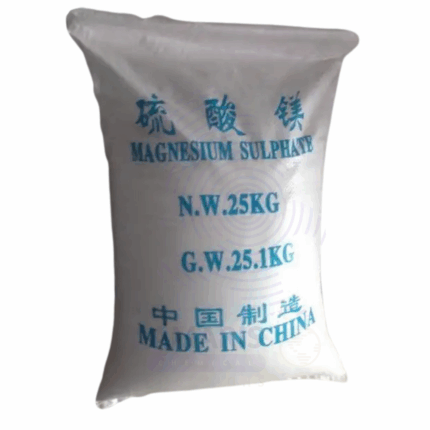
Manganese Sulphate Monohydrate
Manganese Sulphate Monohydrate is an inorganic chemical compound with the formula MnSO₄·H₂O. It appears as a pale pink crystalline powder and is highly soluble in water. It is primarily used as a source of manganese, an essential micronutrient, in fertilizers, animal feed, and industrial processes. This monohydrate form is the most stable and commonly used in agriculture and feed-grade applications. It also finds use in various chemical syntheses, electroplating, and as a reagent in laboratories.

Nicotinamide BP
Nicotinamide BP, also known as niacinamide, is a water-soluble form of vitamin B3 (niacin). It is a vital nutrient involved in numerous cellular processes, including energy metabolism, DNA repair, and antioxidant activity. Widely used in pharmaceutical, cosmetic, and nutritional applications, Nicotinamide supports skin health, improves barrier function, and exhibits anti-inflammatory properties. It is commonly found in dietary supplements, skincare formulations, and medical treatments for various dermatological conditions.
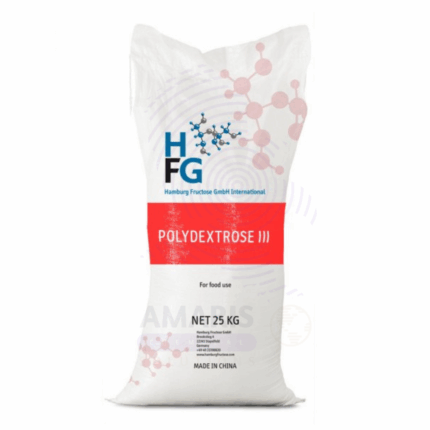
Polydextrose
Polydextrose is a synthetic, highly branched polymer of glucose used primarily as a soluble dietary fiber, bulking agent, and low-calorie sweetener. It is produced through the polycondensation of dextrose with sorbitol and citric acid. Polydextrose offers numerous health and functional benefits, such as improving texture, replacing sugar or fat, and supporting digestive health. It is extensively used in food, beverages, pharmaceuticals, and nutraceuticals for its fiber enrichment properties and technological versatility.
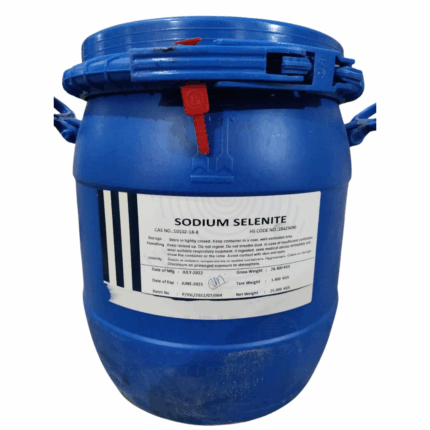
Sodium Selenite
Sodium Selenite is an inorganic selenium compound with the formula Na₂SeO₃. In its commercial 45% concentration, it is typically supplied as a colorless to slightly yellow aqueous solution or as a crystalline solid with 45% selenium content. It is primarily used as a micronutrient additive in animal nutrition, a reagent in the pharmaceutical and glass industries, and in various research applications. Highly bioavailable, it serves as a key selenium source where controlled selenium supplementation is critical. This 25kg product offers precise dosing, stability, and ease of handling in industrial and agricultural settings.
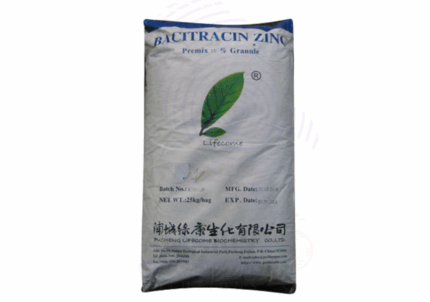
Zinc Bacitracin Premix Feed Grade
Zinc Bacitracin Premix Feed Grade is a veterinary-grade antibiotic premix formulated with 15% active zinc bacitracin, an antimicrobial peptide produced by Bacillus subtilis. It is commonly incorporated into animal feed to promote growth, prevent and control bacterial infections, and improve feed efficiency in livestock and poultry. This product is heat stable, easy to blend, and designed for uniform distribution in feed.












