

 Preservatives(food)
 Flavor Enhancers
 Acidulants
 Sweeteners
 Antioxidants
 Colorants(food)
 Nutraceutical Ingredients (food)
 Nutrient Supplements
 Emulsifiers
 Collectors
 Dust Suppressants
 Explosives and Blasting Agents
 Flocculants and Coagulants
 Frothers
 Leaching Agents
 pH Modifiers
 Precious Metal Extraction Agents
 Antioxidants(plastic)
 Colorants (Pigments, Dyes)
 Fillers and Reinforcements
 Flame Retardants
 Monomers
 Plasticizers
 Polymerization Initiators
 Stabilizers (UV, Heat)
 Antifoaming Agents
 Chelating Agents
 Coagulants and Flocculants
 Corrosion Inhibitors
 Disinfectants and Biocides
 Oxidizing Agents
 pH Adjusters
 Scale Inhibitors( water)
 Antioxidants(cosmetic)
 Emollients
 Fragrances and Essential Oils
 Humectants
 Preservatives
 Surfactants(cosmetic)
 Thickeners
 UV Filters
 Fertilizers
 Soil Conditioners
 Plant Growth Regulators
 Animal Feed Additives
 Biostimulants
 Pesticides (Herbicides, Insecticides, Fungicides)
 Active Pharmaceutical Ingredients (APIs)
 Excipients
 Solvents(pharmaceutical)
 Antibiotics
 Antiseptics and Disinfectants
 Vaccine Adjuvants
 Nutraceutical Ingredients (pharmaceutical)
 Analgesics & Antipyretics
 Analytical Reagents
 Solvents(lab)
 Chromatography Chemicals
 Spectroscopy Reagents
 microbiology-and-cell-culture-reagents
 Molecular Biology Reagents
 Biochemical Reagents
 Inorganic and Organic Standards
 Laboratory Safety Chemicals
 Specialty Laboratory Chemicals(Special Laboratory Equipment)
 Demulsifiers
 Hydraulic Fracturing Fluids
 Scale Inhibitors(oil)
 Surfactants(oil)
 Drilling Fluids
 Dyes and Pigments
 Bleaching Agents
 Softening Agents
 Finishing Agents
 Antistatic Agents
 Admixtures
 Waterproofing Agents
 Sealants and Adhesives
 Curing Compounds
 Concrete Repair Chemicals
 Anti-Corrosion Coatings
 Surfactants(cleaning)
 Builders
 Enzymes
 Solvents (Cleaning)
 Fragrances
 Electronic Chemicals
 Catalysts
 Lubricants
 Photographic Chemicals
 Refrigerants
 Automotive chemicals
 Pyrotechnic Chemicals
 Biodegradable Surfactants
 Bio-based Solvents
 Renewable Polymers
 Carbon Capture Chemicals
 Wastewater Treatment Chemicals
 Pigments
 Solvents(paint)
 Specialty Coatings
 Binders/Resins
 Additives
 Driers
 Anti-Corrosion Agents
 Functional Coatings
 Application-Specific Coatings
 Leavening Agents
 Dough Conditioners
 Flour Treatments
 Fat Replacers
 Decoratives
 Preservatives(baking)
 Plasticizers & Softeners
 Reinforcing Agents
 Adhesion Promoters
 Vulcanizing Agents
 Antidegradants
 Blowing Agents
 Fillers & Extenders
 Accelerators & Retarders


















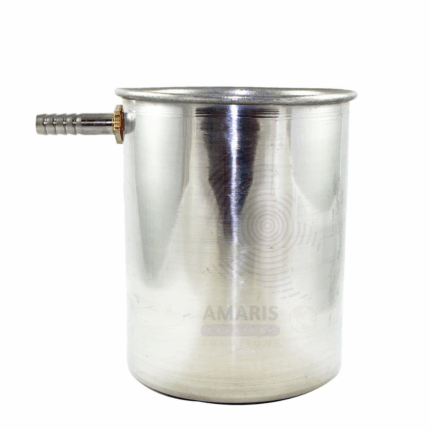
OVERFLOW CAN
An Overflow Can is a laboratory apparatus designed to measure the volume of irregularly shaped solid objects using the water displacement method. It typically consists of a container with a spout or outlet near the top to allow excess water to overflow when a solid object is submerged inside. Overflow cans are usually made from durable, chemically resistant materials such as plastic or stainless steel. This device is essential in physics and material science laboratories for determining volume and density accurately by capturing displaced fluid and measuring its
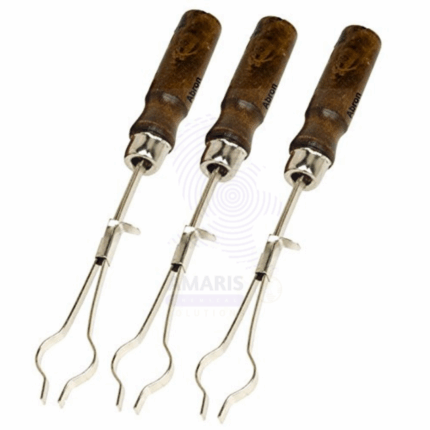
Test tube holder wire type
The Test Tube Holder Wire Type is a laboratory tool designed to safely hold and handle test tubes during heating, cooling, or transporting. Constructed from durable, heat-resistant metal wire, this holder features a spring-action mechanism or looped grip that securely clasps test tubes of various sizes. Its lightweight and ergonomic design provide ease of use and safe handling, preventing direct contact with hot or reactive substances. Widely used in chemistry, biology, and educational laboratories, the wire type test tube holder is essential for safe manipulation of test tubes during experiments and procedures.
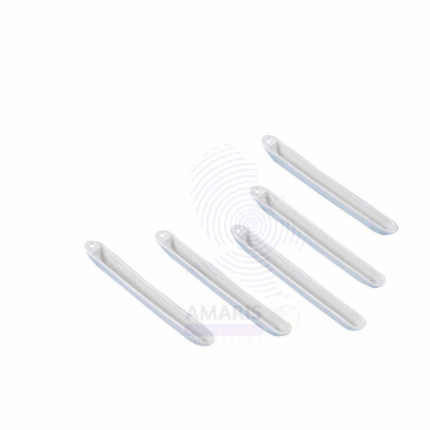
Porcelain Boat
A Porcelain Boat is a small, shallow, boat-shaped laboratory vessel made from high-quality, heat-resistant porcelain. It is designed primarily for the safe heating, drying, and combustion of solid substances. The smooth, glazed surface of the porcelain resists chemical corrosion and thermal shock, allowing for direct application of heat using burners such as Bunsen flames. Porcelain Boats are widely used in chemical analysis, qualitative testing, and sample preparation to hold small quantities of powders, crystals, or other solids during ignition or ashing procedures. Their shape facilitates easy pouring and transfer of materials and is ideal for use in muffle furnaces or over direct flames.
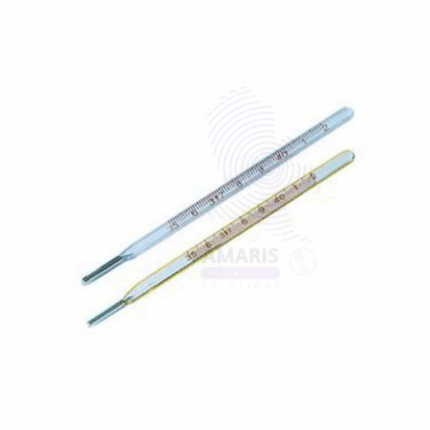
Mercury thermometer
The Mercury Thermometer is a precise laboratory instrument designed for accurate temperature measurement using mercury as the thermometric fluid. It consists of a narrow, sealed glass tube containing mercury that expands and contracts with temperature changes, moving along a calibrated scale etched or printed on the glass. Mercury thermometers offer excellent thermal conductivity and stability, enabling precise readings over a wide temperature range typically from -39°C to 357°C (the freezing and boiling points of mercury). The clear glass casing allows easy observation of mercury levels, while the robust design resists breakage under normal laboratory conditions. Mercury thermometers are widely used in scientific research, medical labs, industrial processes, and educational settings for their reliability and accuracy. Despite their benefits, mercury thermometers require careful handling due to the toxicity of mercury, and many labs are transitioning to safer alternatives in compliance with environmental regulations.
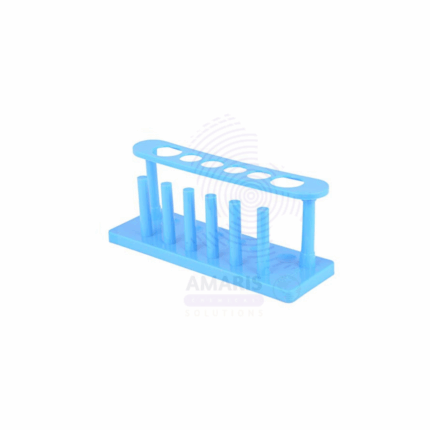
PLASTIC TEST TUBE STAND 6HOLE
The Plastic Test Tube Stand 6Hole is a laboratory support accessory designed to securely hold test tubes in an upright position during experimental procedures, storage, or drying. This version features six equally spaced holes, each capable of accommodating standard-size test tubes. Constructed from chemical-resistant, durable plastic such as polypropylene or ABS, the stand is lightweight, stable, and easy to clean. Often used in educational, analytical, and clinical laboratories, it provides a convenient and organized way to manage test tubes during chemical reactions, sample handling, or heating processes. The design may also include drying pegs or smaller side holes for inverted tube drying.

PLASTIC WASH BOTTLE
A Plastic Wash Bottle is a squeezable laboratory container designed to dispense liquids—usually water or solvents—in a controlled stream through a narrow nozzle or spout. Made from chemical-resistant, semi-flexible plastic such as low-density polyethylene (LDPE), polypropylene (PP), or fluoropolymer materials, the bottle allows for precision rinsing or washing of laboratory glassware, instruments, or surfaces without direct contact. The cap and nozzle are typically screw-fitted and designed to prevent leaks while enabling directional flow. It is a standard utility item in chemical, biological, educational, and analytical laboratories.
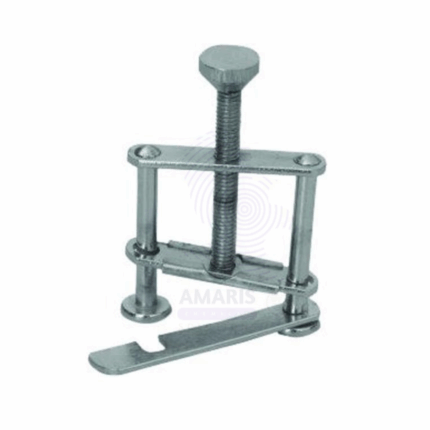
Hoffman Clips
Hoffman Clips are laboratory tools used to control the flow of liquids or gases through flexible tubing. Designed with a screw mechanism, these clips compress tubing to restrict, regulate, or completely stop the passage of fluids. Made from durable metals like nickel-plated brass or stainless steel, Hoffman Clips are chemically resistant, reusable, and adjustable to fit different tubing sizes. Commonly used in laboratory setups involving distillation, filtration, and fluid transfer, they provide a simple and effective method for managing fluid control without disconnecting the tubing.
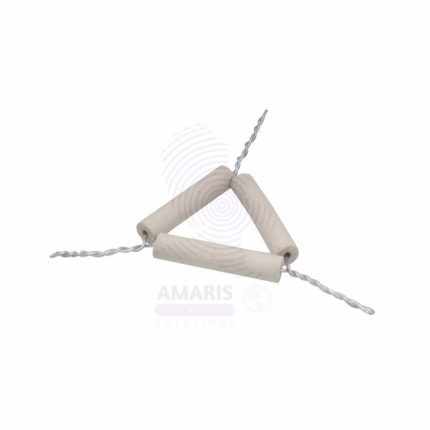
Pipe Clay Triangles
Pipe Clay Triangles are heat-resistant supports used in laboratory setups to hold crucibles over a Bunsen burner or other heat sources. They consist of three lengths of ceramic (pipe clay) tubing threaded over a triangular metal wire frame, typically made of galvanized iron or nickel-chromium alloy. These ceramic-coated wires provide stable and high-temperature-resistant platforms, allowing crucibles to be heated directly during ashing, calcination, or other high-temperature experiments. Widely used in chemistry labs and educational institutions, they are essential components for supporting small containers while minimizing heat transfer loss or instability.

Resistance Coil
Resistance Coil is a fundamental laboratory apparatus consisting of a wire coil made from materials with a known resistance, typically nichrome or similar alloys. It is widely used in physics and electrical engineering laboratories to study electrical resistance, heating effects, and circuit behavior. The coil’s wire length and thickness determine its resistance value, enabling controlled experiments involving Ohm’s Law, Joule heating, and energy dissipation. Resistance Coils are designed to withstand electrical current and heat without significant degradation, making them ideal for demonstrations, experiments, and calibration tasks in laboratory settings.
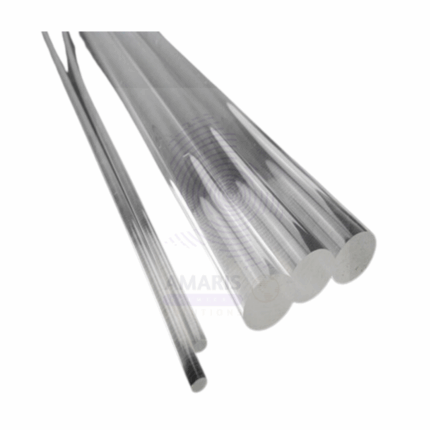
PERSPEX ROD
A Perspex Rod is a solid cylindrical rod made from Perspex (also known as acrylic or polymethyl methacrylate, PMMA), a transparent thermoplastic material widely used in laboratories, industrial applications, and educational demonstrations. Perspex rods are prized for their clarity, strength, and ease of machining, making them ideal for experiments requiring optical transparency or lightweight, durable components.
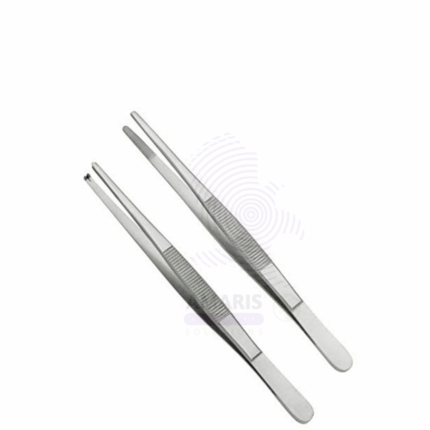
Dissecting Forceps
Dissecting Forceps are precision hand tools designed for grasping, holding, and manipulating tissues or small objects during dissection or surgical procedures. Typically made from high-quality stainless steel or surgical-grade metal, these forceps offer durability, corrosion resistance, and ease of sterilization. They come in various shapes and sizes, including straight or curved tips, serrated or smooth jaws, to suit different dissection needs in medical, veterinary, biological research, and educational settings. Their ergonomic design allows fine control and minimizes tissue damage during delicate operations.

Laboratory tripod stand
Laboratory Tripod Stand is a sturdy, three-legged support structure used in laboratories to hold and support equipment such as beakers, flasks, and crucibles during heating or experimental setups. Typically made from corrosion-resistant metal, it provides a stable base for apparatus over Bunsen burners or other heat sources. Its design facilitates even heating and secure positioning of lab glassware and equipment during various chemical, biological, and industrial procedures.
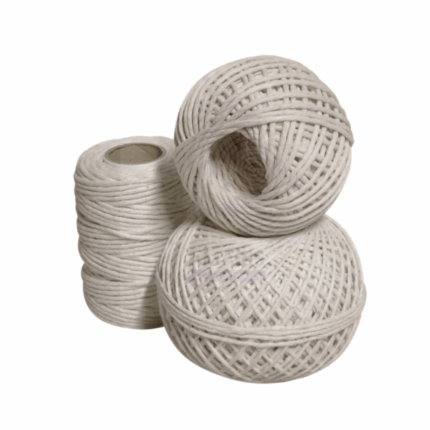
Cotton twine
Cotton Twine is a versatile filament made from twisted strands of natural cotton fibers. It is soft yet durable, offering flexibility and strength for binding, tying, or securing items in both laboratory and industrial environments. Cotton twine is non-abrasive, lint-minimal, and chemically inert to most laboratory reagents, making it suitable for specimen tying, light bundling, or general-purpose securing within controlled settings.
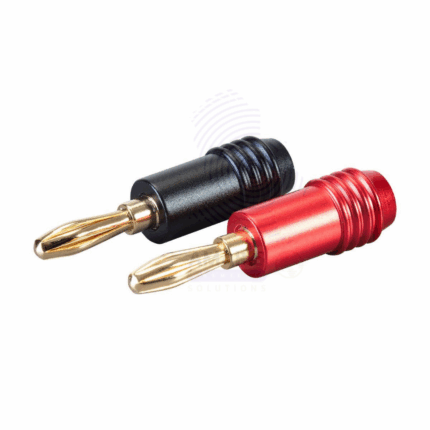
Banana Plug
The Banana Plug is a single-wire electrical connector used to join wires to equipment in testing, measuring, and laboratory applications. It features a cylindrical metal pin with a spring mechanism to ensure a secure and reliable connection. The plug is widely used for quick and easy connections in electronic testing devices, audio systems, and laboratory instruments. Made from high-conductivity metals such as brass or copper and often gold- or nickel-plated for corrosion resistance, the Banana Plug provides consistent electrical conductivity and durability.
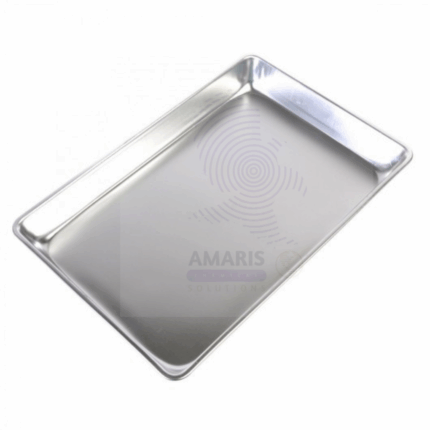
Dissecting scissors
Dissecting Pan with Wax is a specialized laboratory tool consisting of a shallow metal or plastic pan filled with a layer of soft, moldable wax used to securely position biological specimens during dissection. The wax surface allows specimens to be pinned or stabilized without damage, providing a firm and adjustable platform for precise anatomical work. This setup is commonly used in medical, veterinary, and educational laboratories to facilitate detailed examination, surgical practice, and teaching demonstrations. The pan is typically durable, easy to clean, and compatible with standard dissection instruments.
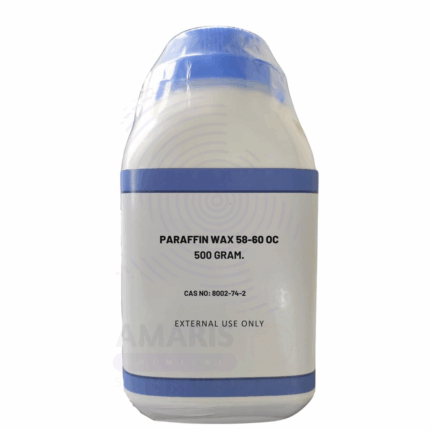
Paraffin Wax Extra Pure
Paraffin Wax Extra Pure is a refined, high-purity hydrocarbon compound derived from petroleum. It appears as a white, odorless, and tasteless solid with a smooth, waxy texture and a relatively low melting point, making it easy to mold and blend with other substances.
This Extra Pure grade is especially suited for laboratory use, cosmetic formulations, pharmaceutical applications, and specialized industrial processes. It is commonly employed in the preparation of ointments, candles, sealing agents, and coating materials due to its excellent insulating, water-repellent, and moisture-barrier properties. Its chemical inertness also makes it a safe choice for embedding biological samples and for use as a lubricant or mold-release agent. Paraffin Wax should be stored in a cool, dry place, away from heat sources, and handled with care to prevent unwanted melting or contamination.
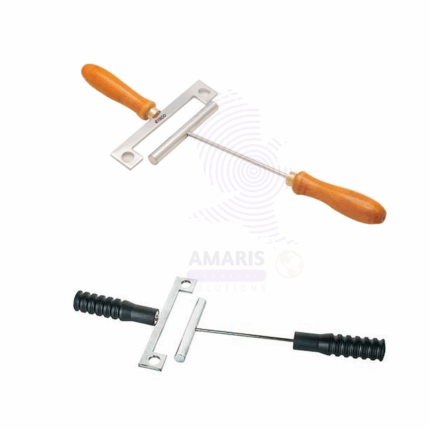
Bar and Gauge Apparatus
The Bar and Gauge Apparatus is a precision instrument used for measuring and comparing lengths, thicknesses, and distances in laboratory and industrial environments. It typically consists of calibrated bars, gauges, and scale components designed for accuracy in dimensional measurements. This apparatus is essential for quality control, calibration tasks, and research applications requiring precise measurement standards. Manufactured from durable materials such as stainless steel or hardened alloys, the Bar and Gauge Apparatus ensures reliable performance and longevity under regular use.
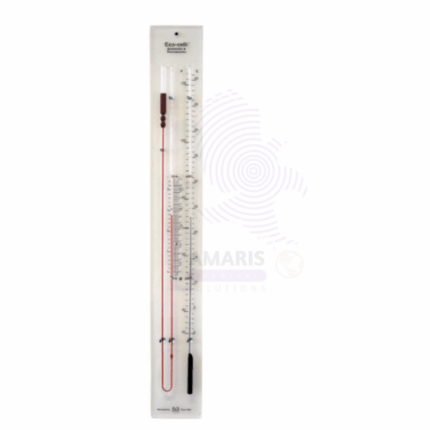
Barometer Tubes
Barometer Tubes are precision glass tubes used in barometers to measure atmospheric pressure. These tubes are typically filled with mercury or other suitable liquids and are sealed to allow accurate pressure readings based on liquid column height. Barometer tubes are essential components in meteorological instruments and laboratory equipment for pressure measurement and environmental monitoring. Manufactured with high-quality, clear glass, they provide durability, clarity, and accurate fluid displacement for precise readings.
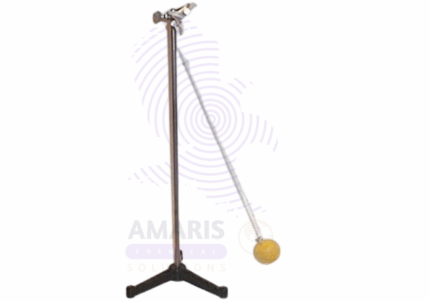
pendilum Bob
pendilum bob is a weighted mass attached to the end of a pendulum string or rod, used in physics laboratories to study oscillatory motion, harmonic motion, and related principles. Typically made from dense metals such as brass or steel, the bob provides the necessary mass for consistent and measurable swinging motion. Pendulum bobs come in various sizes and shapes, often spherical or cylindrical, and are designed for
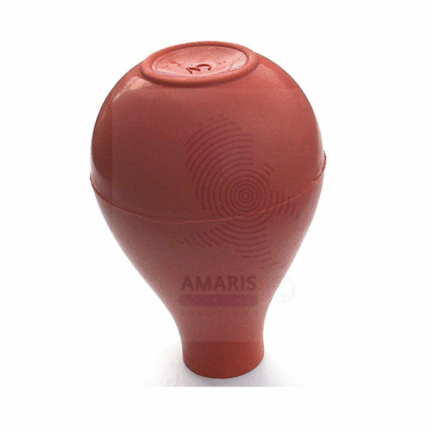
PIPETTE BULB
A Pipette Bulb is a flexible, hand-operated rubber or silicone device designed to safely draw and dispense liquids into pipettes without the need for mouth pipetting. It functions by creating a vacuum when squeezed and released, allowing for controlled aspiration and expulsion of liquids in laboratory settings. Pipette bulbs are widely used in analytical, clinical, chemical, and educational laboratories to ensure safety and precision when working with chemical or biological samples. They are compatible with various types of pipettes, including volumetric, graduated, and serological pipettes.
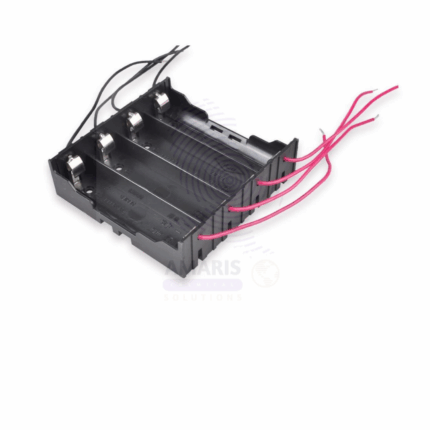
Plastic Cell Holder
A Plastic Cell Holder is a laboratory accessory used to securely hold electrochemical or dry cells (batteries) in place during physics or electrical experiments. It is typically made from non-conductive, durable plastic and may feature metal terminals or spring-loaded clips for electrical connections. These holders provide a stable and safe platform to integrate batteries into circuits for educational demonstrations, testing setups, or prototyping purposes. Designed for use with common battery sizes (such as D, C, AA, or specialized cells), the holder ensures easy insertion, removal, and reliable connection of power sources without short-circuiting. It is widely used in physics labs, electronics training, and school science kits.
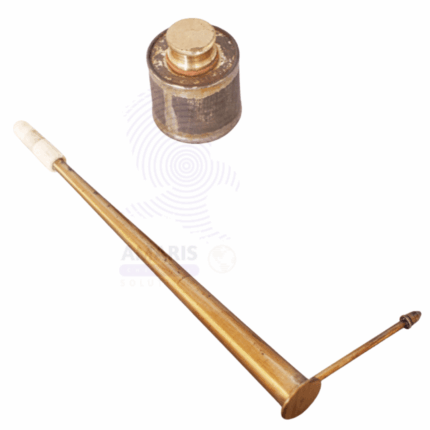
Blow Pipes
Blow Pipes are slender, tubular instruments used to direct a focused stream of air or gas onto a flame to increase its temperature and precision during chemical, metallurgical, or glasswork operations. Constructed from heat-resistant metal or glass, blow pipes are essential tools in laboratory flame tests, small-scale metal soldering, glassblowing, and analytical chemistry for identifying elements through flame color reactions. Their simple yet efficient design enables precise flame control and directional heating, critical for both qualitative analysis and delicate manual fabrication tasks.
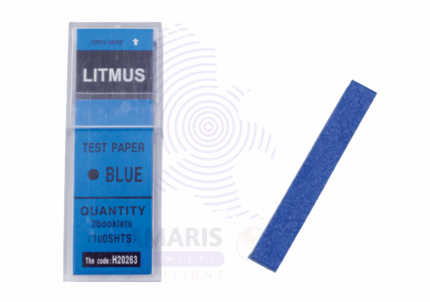
Litmus Paper Blue
Litmus Paper Blue is a pH indicator paper used to detect acidic substances. It is impregnated with litmus dye extracted from lichens, which changes color when exposed to acidic or basic environments. Blue litmus paper turns red under acidic conditions (pH < 4.5) and remains blue in neutral or alkaline solutions. It is widely used in laboratories, education, environmental testing, and industrial processes for quick and easy pH testing.
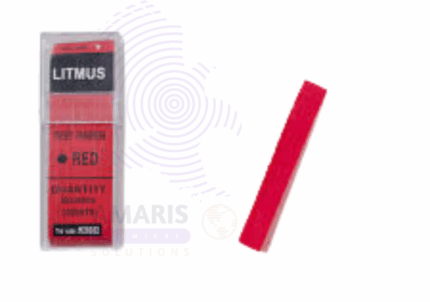
Litmus paper red
Litmus paper red is a specialized pH indicator paper impregnated with red litmus dye derived from natural lichens. It serves as a quick and reliable qualitative tool for detecting alkaline (basic) conditions in various liquids and substances. Upon contact with an alkaline solution, the red paper undergoes a distinct color change to blue, signaling a pH above approximately 8.3. In neutral or acidic solutions, the paper retains its red color. This simple yet essential laboratory reagent is widely used in chemistry, biology, environmental science, clinical diagnostics, food industry, and educational settings for rapid acidity and alkalinity testing without the need for sophisticated instrumentation.
Red litmus paper is highly valued for its ease of use, portability, and cost-effectiveness, making it ideal for field testing, classroom demonstrations, and routine lab work. It provides immediate visual feedback, which is crucial for quick decision-making during experiments, quality control processes, and environmental monitoring. Packaged typically in convenient strips or sheets within moisture-proof packets, the paper is protected from contamination and degradation, ensuring long shelf life and consistent performance.
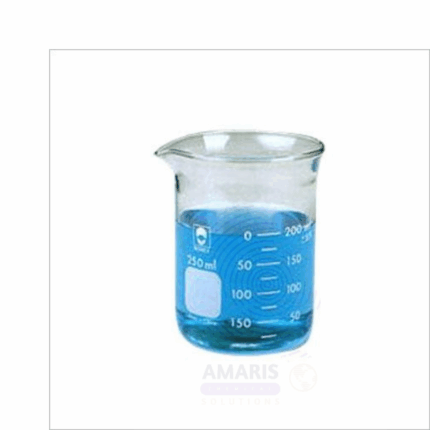
Laboratory beaker
Product Description
Laboratory Beakers are versatile cylindrical glass or plastic containers used widely in scientific laboratories for mixing, stirring, heating, and measuring liquids. Made typically from borosilicate glass or durable plastic, they offer excellent chemical resistance and thermal stability. Their wide mouths and spouted rims allow easy pouring and handling during experiments. Laboratory Beakers are fundamental lab apparatus for qualitative and quantitative analysis in chemistry, biology, and industrial research.

Bunsen Burner Nipple
The Bunsen Burner Nipple is a small but essential laboratory component that connects the gas supply tubing to the Bunsen burner. Typically made from brass or other corrosion-resistant metals, the nipple ensures a secure and leak-proof connection between the gas source and the burner, facilitating safe and efficient gas flow for flame ignition. Designed for durability and compatibility with standard laboratory gas hoses, it supports reliable operation during heating and combustion experiments.
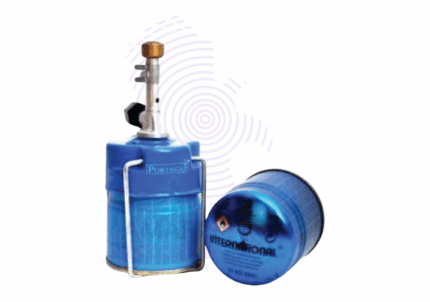
Gas Cartridge
Gas Cartridge is a small, portable container designed to store and supply compressed fuel gases such as butane, propane, or a mix of gases for use in portable burners, camping stoves, soldering tools, and other gas-powered devices. These cartridges are engineered to provide a reliable, controlled gas flow with built-in safety features like pressure release valves and secure screw-on or snap-on fittings. Their compact size and lightweight design make them ideal for outdoor activities, laboratory use, and emergency heating applications. Made from durable metal, gas cartridges ensure safe storage and transport of fuel under pressure.
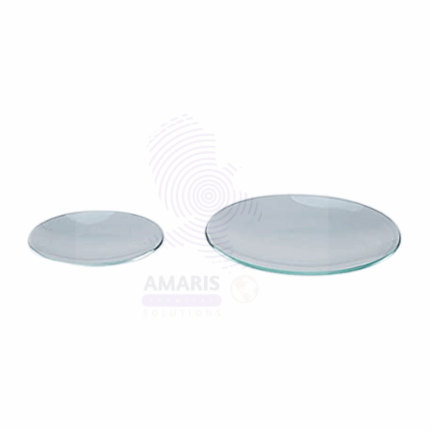
Wash Glass
Wash Glass are durable laboratory glassware items designed for safely and efficiently washing and rinsing laboratory equipment and samples. Made from chemically resistant borosilicate glass, these wash glasses are clear for easy visibility and withstand thermal and mechanical stresses encountered during laboratory procedures. The sizes 50mm and 75mm refer to the diameter of the glass, providing options for different volume requirements. Widely used in chemical, biological, and medical laboratories, Wash Glasses are essential for cleaning and sample preparation tasks, ensuring contamination-free processes.
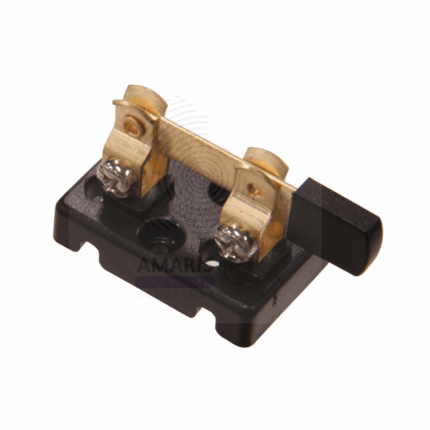
Knife Switch
The Knife Switch is a durable, manually operated electrical switch designed for controlling the flow of current in low to medium voltage circuits. Featuring a robust metal lever (the "knife") that pivots into a contact, this switch provides a visible break in the circuit, making it ideal for both safety and operational clarity in laboratory, educational, and industrial electrical applications. Constructed from high-quality, corrosion-resistant materials, the Knife Switch ensures reliable operation and easy maintenance. It is widely used for isolating electrical equipment, testing circuits, and demonstrating electrical principles in academic and research environments.

Porous Pot
A Porous Pot is a cylindrical or tubular laboratory apparatus made from sintered or fired ceramic material that features a permeable structure allowing the passage of gases or liquids while retaining solids or particulates. This highly porous ceramic vessel is commonly used in laboratory and industrial settings for filtration, diffusion, and separation processes. The pot’s micro-porous walls facilitate controlled fluid flow, making it ideal for applications such as gas absorption, water softening, and chemical diffusion experiments. Porous Pots are chemically inert, mechanically stable, and resistant to high temperatures, making them durable tools in analytical and preparative laboratory procedures.

Proof Plane
A Proof Plane is a flat, thin, and smooth metallic or plastic tool used in laboratory and educational settings primarily for transferring small amounts of powdered substances or samples. Its precise, rigid surface enables the easy lifting and placement of powders onto other surfaces such as balances, microscope slides, or reaction vessels without contamination. Often used in qualitative analysis, the Proof Plane facilitates accurate handling of chemicals, minimizing spillage and waste. Available in various sizes and materials, it is an essential apparatus for fine sample manipulation in analytical and teaching laboratories.

U Tube Lab Glass With Side Arms
U Tube Lab Glass with Side Arms is a specialized U-shaped borosilicate glass apparatus featuring additional side arms for fluid or gas connections. Designed for laboratory experiments involving pressure measurement, fluid flow, and gas displacement, this device offers enhanced versatility. Made from chemically resistant, durable glass, it withstands temperature fluctuations and chemical exposure. The side arms facilitate easy integration with tubing and other equipment, enabling complex experimental setups in physics, chemistry, and engineering labs. It is widely used in manometer applications, vacuum experiments, and fluid dynamics research.

laboratory electric water bath
The Laboratory Electric Water Bath is a precision temperature-controlled apparatus used in laboratories to incubate samples in water at consistent temperatures. It features an electrically heated water reservoir with adjustable temperature settings, digital or analog controls, and safety features such as over-temperature protection. This device is essential for applications requiring uniform heating, such as incubation, warming reagents, melting solids, or enzymatic reactions. Constructed with corrosion-resistant materials and insulated housing, it provides stable temperature conditions for a wide range of laboratory procedures in chemical, biological, pharmaceutical, and industrial settings.
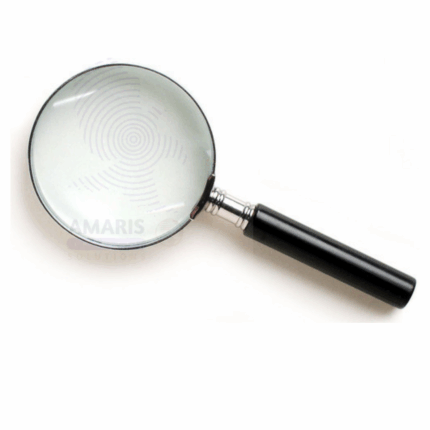
Hand Lens
Hand Lens is a compact, portable magnifying device used to closely examine small objects and details that are not visible to the naked eye. Commonly used in laboratories, fieldwork, and educational settings, it consists of a convex lens housed in a protective casing with a handle or folding cover. Hand lenses are available in various magnifications, typically ranging from 5x to 20x, and are constructed from optical glass or durable acrylic. They are essential for close-up visual inspection, specimen analysis, and quality control across scientific, industrial, and academic environments.
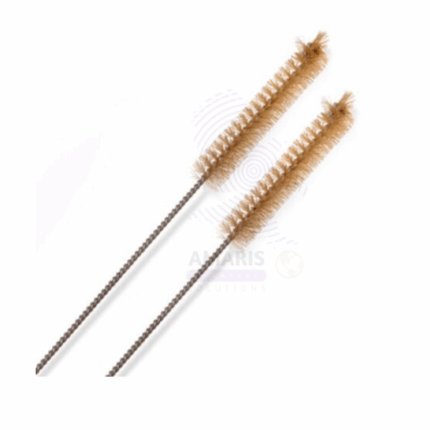
Burette Brush
The Burette Brush is a specialized cleaning tool designed for thorough cleaning of burettes used in laboratories. Featuring a long, flexible handle with dense, soft bristles, it reaches the narrow bore of burettes to remove residues and contaminants effectively. Made with corrosion-resistant materials, the brush ensures durability and compatibility with various cleaning agents, maintaining the accuracy and longevity of laboratory volumetric glassware.

Soft iron rod
Soft Iron Rods are magnetic laboratory apparatus made from highly pure iron characterized by low carbon content, which gives them excellent magnetic permeability and low coercivity. These rods are widely used in physics and electrical laboratories for experiments involving magnetism, electromagnetism, and induction. Their softness allows them to be easily magnetized and demagnetized, making them ideal for use as cores in electromagnets, transformers, and magnetic field demonstrations. Soft iron rods are durable, corrosion-resistant when properly treated, and come in various lengths and diameters to suit different experimental needs.
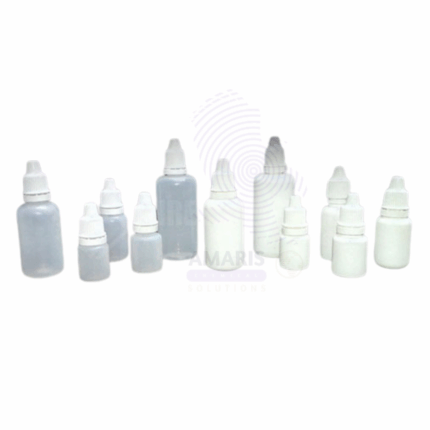
Bottle Dropper Rabbit Type Plastic
The Bottle Dropper Rabbit Type Plastic is a lightweight, durable dropper bottle designed for precise dispensing of liquids in laboratory and industrial settings. Made from high-quality plastic materials, it offers excellent chemical resistance and ease of use. The “rabbit type” dropper tip provides controlled droplet flow, ideal for titration, reagent addition, and sample handling. This bottle is widely used for dispensing small volumes of liquids safely and accurately, ensuring contamination-free handling and convenient storage.

Microscope cover slips
Microscope Cover Slips are thin, flat pieces of transparent glass or plastic used in microscopy to cover specimens placed on microscope slides. They serve to protect the specimen from contamination, prevent drying, and provide a uniform thickness for improved optical clarity during examination. Cover slips help to flatten the specimen, ensuring even focus and minimizing distortion under the microscope lens. They are typically made from high-quality borosilicate or soda-lime glass to offer excellent optical transparency and chemical resistance. Available in various sizes and thicknesses, cover slips are essential in biological, medical, and research laboratories for preparing wet mounts, fixed samples, and stained slides. Their use enhances image resolution and protects both the specimen and microscope objective lenses.
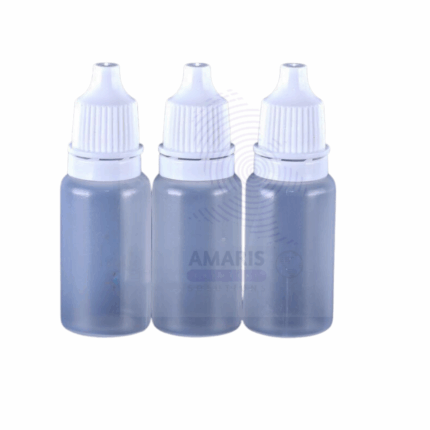
Eyedrop Dropper Bottle
Eyedrop Dropper Bottle is a small, precision container designed for dispensing liquids in controlled, small volumes, commonly used for medicinal eye drops, laboratory reagents, or cosmetic liquids. These bottles are usually made from chemically resistant plastic or glass and come equipped with a dropper cap or teat for accurate drop-by-drop delivery. The secure closure prevents contamination and leakage, making them ideal for medical, pharmaceutical, and laboratory applications. Their design ensures hygiene, ease of handling, and precise dosage control.
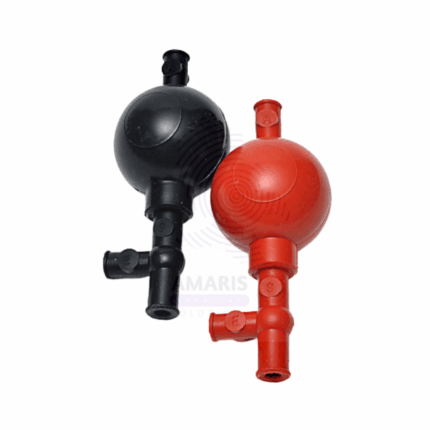
PIPETTE FILLER BULB TYPE
The Pipette Filler Bulb Type is a manual, rubber-based liquid handling accessory designed to provide safe and precise control over the aspiration and dispensing of liquids using pipettes. It is shaped like a bulb and typically includes one-way valves or a three-valve mechanism (Aspirate, Dispense, and Air Release) to regulate fluid movement. This tool eliminates the hazardous practice of mouth pipetting and ensures user safety when working with corrosive, toxic, or infectious substances. Compatible with both glass and plastic pipettes, the bulb-type pipette filler is widely used in educational, clinical, pharmaceutical, and analytical laboratories.
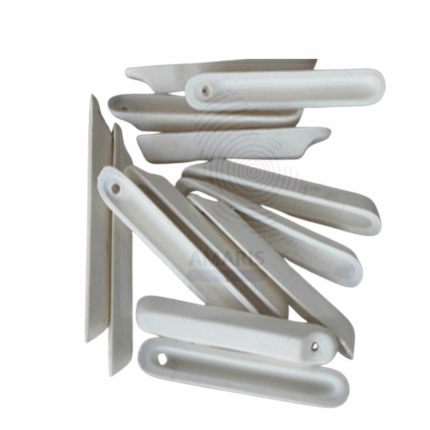
Combustion Boat
Product Description
The Combustion Boat is a small, heat-resistant container typically made of porcelain or quartz, designed to hold samples during combustion analysis. It is used primarily in laboratories to contain solid or powdered samples that are subjected to high temperatures for elemental analysis, especially in organic and inorganic chemistry. The boat withstands extreme temperatures without reacting with the sample, ensuring accurate and uncontaminated results.
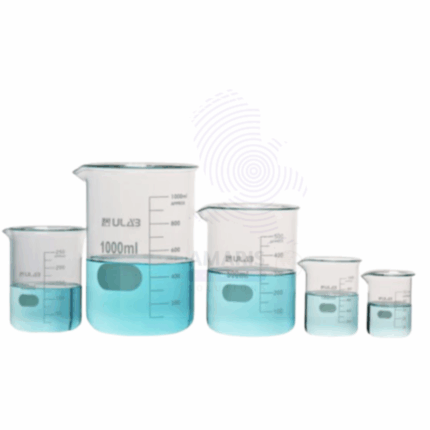
Beaker Hysil
Beaker Hysil is a high-quality borosilicate glass laboratory beaker known for its excellent thermal resistance, chemical durability, and mechanical strength. It is designed for use in various scientific and industrial laboratory applications requiring heating, mixing, and measuring of liquids. The clear, transparent body allows easy observation of contents, and graduated markings provide approximate volume measurements. Beaker Hysil is widely used in educational, research, and industrial laboratories.
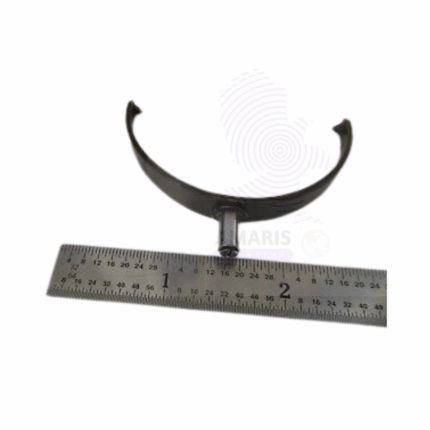
Microscope mirror holder
A Microscope Mirror Holder is a precision laboratory accessory designed to securely mount and position the microscope mirror beneath the stage. It allows for adjustable angling and stable placement of the mirror to direct light optimally onto specimens during microscopic examination. Typically made from durable metal or plastic, the holder features clamps or brackets to hold the mirror firmly while enabling smooth rotational and tilt movements. This accessory is essential for microscopes without built-in illumination systems, facilitating better light control, improved specimen visibility, and enhanced image contrast. Widely used in educational, medical, and research laboratories, the microscope mirror holder aids in consistent and effective lighting setup.
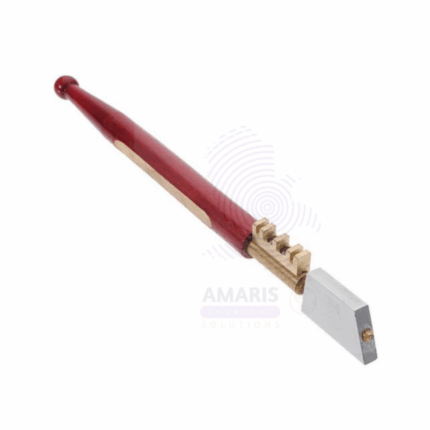
Glass Cutter Diamond Pencil
Glass Cutter Diamond Pencil is a precision tool designed for scoring and cutting glass sheets and laboratory glassware. It features a durable diamond-tipped cutting edge that enables smooth, clean cuts on various types of glass including tempered, stained, and borosilicate glass. The pencil-style ergonomic design provides comfortable grip and control for detailed work. This tool is widely used by glassworkers, laboratory technicians, artisans, and DIY enthusiasts for shaping and customizing glass components without causing cracks or unwanted breakage. The diamond tip ensures extended durability and consistent performance, making it an essential instrument for both industrial and laboratory glass cutting tasks.
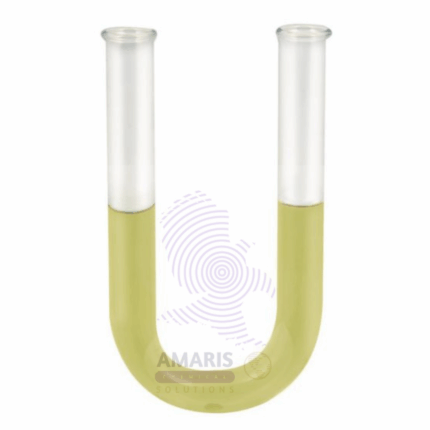
U tube lab glass
U Tube Lab Glass is a precision-crafted glass apparatus shaped in a U-form, widely used in laboratory experiments involving fluid dynamics, pressure measurement, and gas collection. Made from chemically resistant borosilicate glass, the U Tube offers excellent durability, thermal resistance, and clarity for easy observation of liquids and gases. It is commonly employed in physics, chemistry, and engineering labs for manometer setups, fluid flow experiments, and pressure differential measurements. The design ensures accurate and reliable results while withstanding the rigors of routine laboratory use.
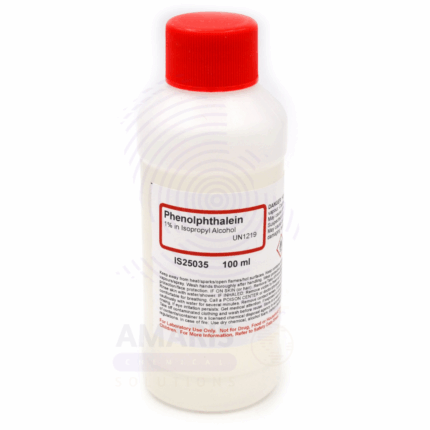
Phenolphthalein Solution Extra Pure
Phenolphthalein Solution Extra Pure is a laboratory-grade pH indicator solution, commonly used in titration procedures to determine the endpoint of acid-base reactions. It is prepared by dissolving phenolphthalein powder in an appropriate solvent, typically ethanol or water-alcohol mixtures, resulting in a clear, colorless solution that turns vivid pink in basic conditions—usually in the pH range of 8.2 to 10.0.
This high-purity solution offers excellent sensitivity and reliability for analytical chemistry, quality control, and educational demonstrations. It is especially favored in alkalinity testing, neutralization reactions, and various standard laboratory protocols. Proper handling is essential, including the use of gloves and eye protection, as the solution may cause skin or eye irritation upon contact. Store tightly sealed, away from direct light and incompatible substances like strong acids or oxidizers, to maintain its stability and effectiveness.
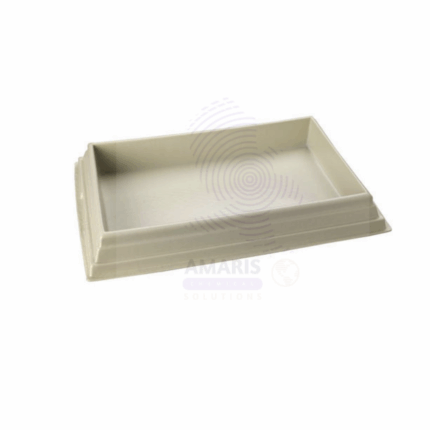
PLASTIC DISSECTING TRAY WITHOUT WAX
The Plastic Dissecting Tray without Wax is a laboratory instrument used to hold specimens during dissection procedures in biology, zoology, anatomy, and educational labs. Unlike traditional dissecting trays that include a wax layer for pinning specimens, this tray offers a reusable, wax-free surface, typically designed to accommodate separate pinning pads or mats (e.g., rubber or foam inserts). It is made from high-grade, chemical-resistant plastic such as polypropylene or ABS, offering a lightweight, durable, and easy-to-clean platform. The tray typically features raised sides to contain fluids and provide a controlled
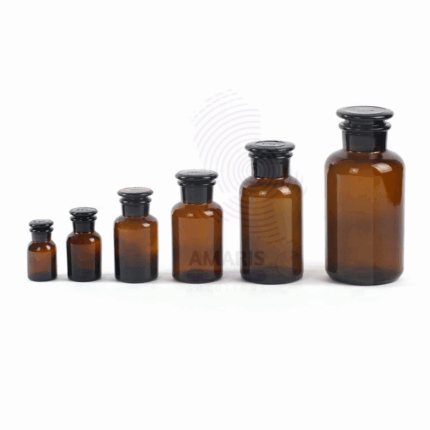
Amber laboratory reagent bottles
Amber Laboratory Reagent Bottles are high-quality glass containers designed specifically for storing light-sensitive reagents and chemicals in laboratory settings. The amber color provides effective protection against ultraviolet (UV) and visible light that can degrade sensitive compounds. These bottles feature durable construction with chemical-resistant glass and secure closures to maintain sample integrity and prevent contamination. Commonly used in chemical, pharmaceutical, and research laboratories, Amber Laboratory Reagent Bottles ensure safe, reliable storage and handling of a wide range of reagents.
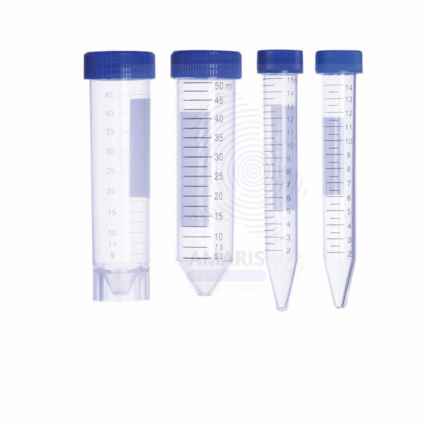
Centrifuge tubes
Centrifuge Tubes are specially designed containers used for holding samples during centrifugation. Made from high-quality, chemically resistant plastic or glass, these tubes withstand the high centrifugal forces generated during lab procedures. Available in various volumes and designs, including conical bottoms for easy sediment collection, centrifuge tubes are essential for separating components in biological, chemical, and industrial samples. They are compatible with a wide range of centrifuge models and ensure sample integrity and safety during processing.
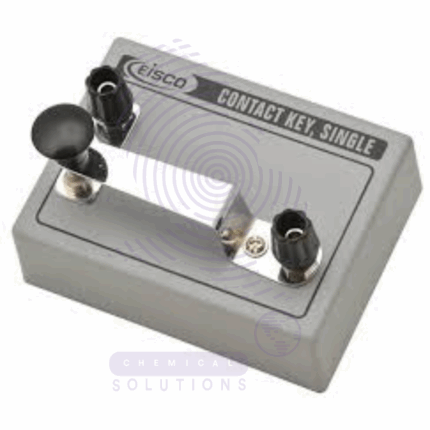
Contact key
Product Description
The Contact Key is a fundamental switching device used in electrical circuits to manually open or close the flow of current. Commonly used in physics laboratories for demonstration and experimentation with circuits, it enables controlled activation of current for brief or sustained durations. Made from durable, conductive metals with insulating bases, Contact Keys are essential components in circuit testing, timing devices, and low-voltage experimental setups.












