

 Preservatives(food)
 Flavors
 Acidulants
 Sweeteners
 Antioxidants
 Colorants(food)
 Nutraceutical Ingredients (food)
 Nutrient Supplements
 Emulsifiers
 Collectors
 Dust Suppressants
 Explosives and Blasting Agents
 Flocculants and Coagulants
 Frothers
 Leaching Agents
 pH Modifiers
 Precious Metal Extraction Agents
 Antioxidants(plastic)
 Colorants (Pigments, Dyes)
 Fillers and Reinforcements
 Flame Retardants
 Monomers
 Plasticizers
 Polymerization Initiators
 Stabilizers (UV, Heat)
 Antifoaming Agents
 Chelating Agents
 Coagulants and Flocculants
 Corrosion Inhibitors
 Disinfectants and Biocides
 Oxidizing Agents
 pH Adjusters
 Scale Inhibitors( water)
 Antioxidants(cosmetic)
 Emollients
 Oils
Oils Carrier Oills
 Essential Oils
 Humectants
 Preservatives
 Surfactants(cosmetic)
 Thickeners
 UV Filters
 Fertilizers
 Soil Conditioners
 Plant Growth Regulators
 Animal Feed Additives
 Biostimulants
 Pesticides (Herbicides, Insecticides, Fungicides)
 Active Pharmaceutical Ingredients (APIs)
 Excipients
 Solvents(pharmaceutical)
 Antibiotics
 Antiseptics and Disinfectants
 Vaccine Adjuvants
 Nutraceutical Ingredients (pharmaceutical)
 Analgesics & Antipyretics
 Analytical Reagents
 Solvents(lab)
 Chromatography Chemicals
 Spectroscopy Reagents
 microbiology-and-cell-culture-reagents
 Molecular Biology Reagents
 Biochemical Reagents
 Inorganic and Organic Standards
 Laboratory Safety Chemicals
 Specialty Laboratory Chemicals(Special Laboratory Equipment)
 Demulsifiers
 Hydraulic Fracturing Fluids
 Scale Inhibitors(oil)
 Surfactants(oil)
 Drilling Fluids
 Dyes and Pigments
 Bleaching Agents
 Softening Agents
 Finishing Agents
 Antistatic Agents
 Admixtures
 Waterproofing Agents
 Sealants and Adhesives
 Curing Compounds
 Concrete Repair Chemicals
 Anti-Corrosion Coatings
 Surfactants(cleaning)
 Builders
 Enzymes
 Solvents (Cleaning)
 Fragrances (Cleaning)
 Electronic Chemicals
 Catalysts
 Lubricants
 Photographic Chemicals
 Refrigerants
 Automotive chemicals
 Pyrotechnic Chemicals
 Biodegradable Surfactants
 Bio-based Solvents
 Renewable Polymers
 Carbon Capture Chemicals
 Wastewater Treatment Chemicals
 Pigments
 Solvents(paint)
 Specialty Coatings
 Binders/Resins
 Additives
 Driers
 Anti-Corrosion Agents
 Functional Coatings
 Application-Specific Coatings
 Leavening Agents
 Dough Conditioners
 Flour Treatments
 Fat Replacers
 Decoratives
 Preservatives(baking)
 Plasticizers & Softeners
 Reinforcing Agents
 Adhesion Promoters
 Vulcanizing Agents
 Antidegradants
 Blowing Agents
 Fillers & Extenders
 Accelerators & Retarders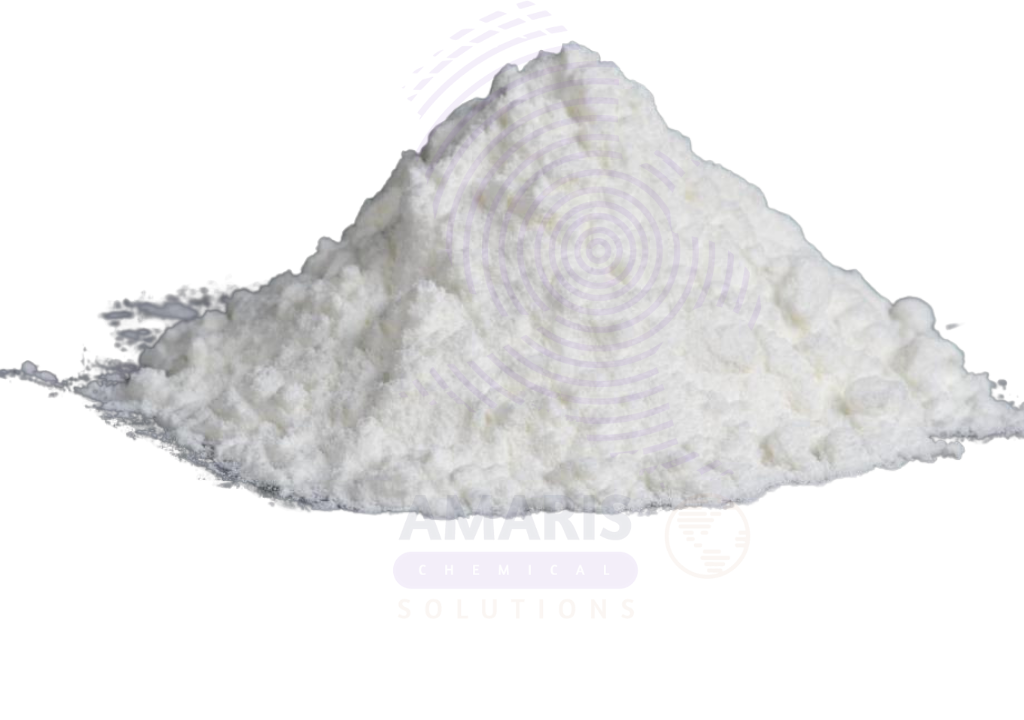



Piperazine Citrate BP
Piperazine Citrate BP is a pharmaceutical-grade anthelmintic compound used primarily for the treatment of intestinal worm infections, especially ascariasis (roundworms) and enterobiasis (pinworms). It works by paralyzing the worms, allowing them to be expelled naturally from the body through bowel movements. Piperazine Citrate is included in the British Pharmacopoeia (BP) and is known for its safety, efficacy, and wide use in both human and veterinary medicine.
Piperazine Citrate BP
Primary Uses
- Human Pharmaceutical Use
- Anthelmintic agent for treatment of:
- Enterobiasis (pinworm infection)
- Ascariasis (roundworm infection)
- Often used in pediatric deworming due to its mild action and safety profile.
- Formulated in oral syrups, tablets, and powders for suspension.
- Veterinary Medicine
- Used in deworming companion animals (dogs, cats) and livestock (pigs, poultry, sheep).
- Administered orally in powder or liquid form.
- Effective in treating gastrointestinal nematodes in animals.
- Public Health and Mass Deworming Programs
- Included in school-based deworming initiatives and community health campaigns in endemic areas.
- Favored for its affordability and low toxicity.
- Pharmaceutical Manufacturing
- Used as an active pharmaceutical ingredient (API) in anthelmintic formulations.
- Complies with BP standards ensuring identity, purity, and potency.
Secondary Uses
- Research & Laboratory Use
- Utilized in parasitology studies to understand nematode neuromuscular function.
- Serves as a reference standard in drug quality control testing.
- Formulation Base
- Sometimes used as a base compound for combination therapies with other anthelmintics (e.g., albendazole or mebendazole).
- Alternative Deworming in Sensitive Patients
- Selected for patients with allergies or contraindications to other deworming agents.
1. Basic Identification Attributes
- Chemical Name (IUPAC): Piperazine-1,4-diium citrate
- Common/Trade Name: Piperazine Citrate
- CAS Number: 144-29-6
- HS Code: 2933.59.90 (Heterocyclic compounds with nitrogen)
- Synonyms: Diacid piperazine salt; Piperazine dihydrogen citrate
2. Physical & Chemical Properties
- Physical State: Crystalline powder
- Color & Odor: White or almost white; odorless
- Solubility: Freely soluble in water; insoluble in alcohol and ether
- pH (1% solution): ~4.0–5.0
- Molecular Formula: C10H20N2·C6H8O7
- Molecular Weight: Approx. 324.34 g/mol
3. Safety & Hazard Attributes
- GHS Classification: Generally not hazardous under normal use
- Toxicity: Low; well-tolerated even in pediatric patients
- Overdose Risk: Mild symptoms such as nausea or dizziness if overdosed
- Exposure Limits: Not specifically established; handle with care
4. Storage & Handling Attributes
- Storage Conditions: Store in a tightly closed container in a cool, dry place (15–25°C)
- Container Type: Sealed pharmaceutical-grade containers or drums
- Shelf Life: 2–3 years under recommended conditions
- Handling Precautions: Avoid contact with moisture; use gloves and dust mask when handling in bulk
5. Regulatory & Compliance Attributes
- Complies with:
- British Pharmacopoeia (BP)
- WHO Essential Medicines List (for anthelmintics)
- GMP standards for pharmaceutical production
- Approved for human and veterinary use in many countries
6. Environmental & Health Impact
- Biodegradability: Readily biodegradable
- Ecotoxicity: Low environmental impact when used and disposed of properly
- Bioaccumulation: Not expected
- Allergenic Potential: Very low
Safety Handling Precautions
- PPE Required: Gloves, mask, and eye protection when handling large quantities
- Handling Guidelines: Minimize dust generation; ensure proper ventilation in bulk processing areas
- Storage Measures: Store in a dry, sealed container; protect from light and moisture
First Aid Measures
- Inhalation: Move to fresh air; seek medical attention if symptoms persist
- Skin Contact: Wash with water and soap; discontinue use if irritation develops
- Eye Contact: Rinse thoroughly with water for at least 15 minutes; seek medical help if discomfort continues
- Ingestion (Accidental or Overdose): Drink water; do not induce vomiting; consult a healthcare provider immediately
Firefighting Measures
- Fire Hazards: Non-flammable
- Extinguishing Media: Water spray, dry chemical, or CO₂
- Special Precautions: Avoid inhalation of combustion fumes
- Hazardous Combustion Products: May produce nitrogen oxides and carbon oxides in extreme heat
Related products
Carbocisteine AJI 92
Carbocisteine AJI 92 is a high-purity pharmaceutical-grade amino acid derivative, chemically known as S-carboxymethyl-L-cysteine. It is a white to off-white crystalline powder with a slightly sulfurous odor and is freely soluble in water. Carbocisteine functions primarily as a mucolytic agent—reducing the viscosity of mucus and promoting expectoration in respiratory tract infections. The "AJI 92" specification refers to its compliance with the purity standards established by Ajinomoto's amino acid quality benchmarks, ensuring it meets stringent pharmaceutical-grade quality control for active pharmaceutical ingredients (APIs). It is widely used in oral syrups, tablets, and granules in both human and veterinary medicine.
Cetirizine Hydrochloride
Cetirizine Hydrochloride is a widely used second-generation antihistamine effective for treating allergic conditions such as allergic rhinitis, chronic urticaria, and other allergy symptoms. It is the hydrochloride salt form of cetirizine, existing as a white to off-white crystalline powder with a slightly bitter taste. Cetirizine HCl acts by selectively blocking peripheral H1 histamine receptors, thereby reducing allergic symptoms without significant sedation or central nervous system depression. It is commonly formulated into tablets, syrups, and capsules as an active pharmaceutical ingredient.
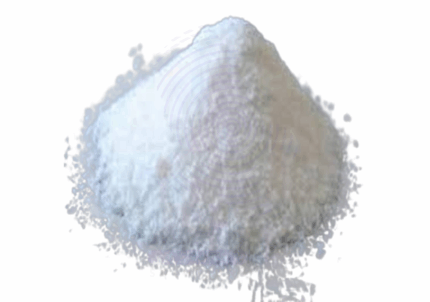
Chloramphenicol Palmitate Micronised
Chloramphenicol Palmitate Micronised is a micronized, lipophilic ester derivative of chloramphenicol, designed for improved solubility and bioavailability compared to the parent drug. It appears as a fine, white to off-white powder with enhanced surface area due to micronization. This antibiotic is widely used for oral formulations, particularly pediatric suspensions, due to its palatability and controlled release properties. Chloramphenicol Palmitate exhibits broad-spectrum antibacterial activity against both Gram-positive and Gram-negative bacteria. Its ester form offers better stability and reduced bitterness, making it a preferred choice in pharmaceutical preparations.
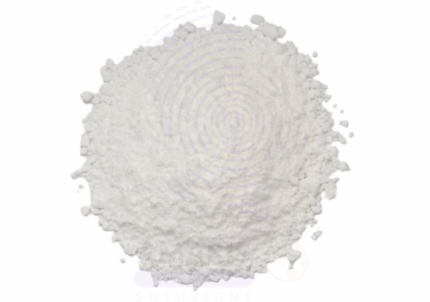
Clotrimazole BP2000
Clotrimazole BP2000 is a broad-spectrum antifungal agent belonging to the imidazole class. It appears as a white to off-white crystalline powder that is practically insoluble in water but soluble in organic solvents like ethanol and chloroform. Clotrimazole is widely used in pharmaceutical formulations for the treatment of fungal infections affecting the skin, mucous membranes, and nails. Its mechanism involves inhibition of ergosterol synthesis, a vital component of fungal cell membranes, leading to increased cell permeability and fungal cell death. BP2000 indicates compliance with British Pharmacopoeia standards ensuring high purity and consistent quality suitable for pharmaceutical applications.
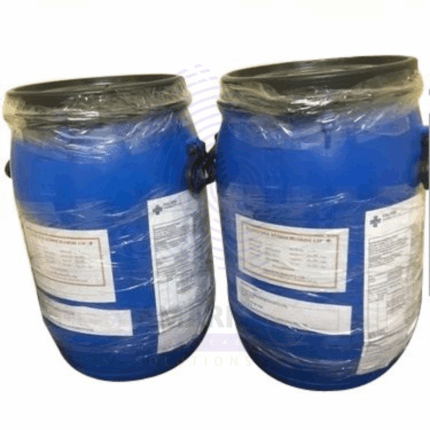
Dicyclomine Hydrochloride
Dicyclomine Hydrochloride is an anticholinergic and antispasmodic agent used primarily to relieve smooth muscle spasms in the gastrointestinal tract. It works by blocking muscarinic receptors, thereby reducing muscle contractions and spasms, which helps alleviate symptoms of irritable bowel syndrome (IBS) and other functional bowel disorders. It is commonly available in oral tablets, capsules, and injectable formulations.
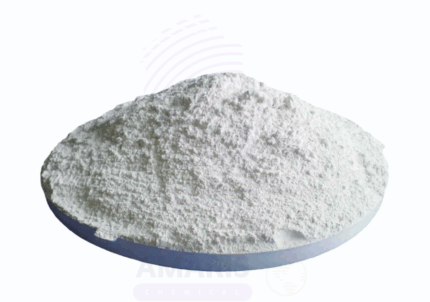
Diloxanide Furoate
Diloxanide Furoate is an orally administered antiprotozoal agent used primarily for the treatment of amoebiasis. It is a furan-based derivative that acts as a luminal amoebicide, effectively targeting Entamoeba histolytica cysts and trophozoites within the intestinal lumen. This compound is well-regarded for its efficacy in eradicating asymptomatic cyst carriers and as a follow-up treatment after systemic amoebicidal therapy. Diloxanide Furoate has good oral bioavailability and a favorable safety profile.

Diphenhydramine HCL BP
Diphenhydramine HCL BP is a first-generation antihistamine with potent anticholinergic, sedative, and antiemetic properties. It is commonly used to relieve symptoms associated with allergies, hay fever, the common cold, and motion sickness. Diphenhydramine HCL is a white crystalline powder, highly soluble in water, making it suitable for oral, topical, and injectable pharmaceutical formulations. Due to its ability to cross the blood-brain barrier, it causes sedation and is often used as a sleep aid and for managing Parkinson’s disease symptoms.
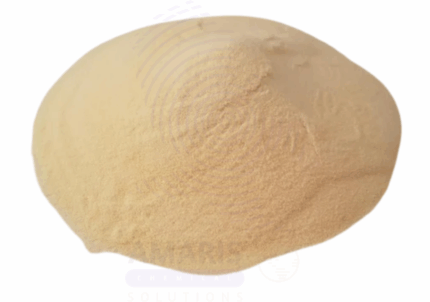
Norfloxacin
Norfloxacin is a synthetic broad-spectrum fluoroquinolone antibiotic used primarily to treat bacterial infections. It works by inhibiting bacterial DNA gyrase and topoisomerase IV, enzymes essential for DNA replication, transcription, repair, and recombination, leading to bacterial cell death. Norfloxacin is effective against various Gram-negative and some Gram-positive bacteria and is commonly used in urinary tract infections, prostatitis, and gastroenteritis.












