

 Preservatives(food)
 Flavors
 Acidulants
 Sweeteners
 Antioxidants
 Colorants(food)
 Nutraceutical Ingredients (food)
 Nutrient Supplements
 Emulsifiers
 Collectors
 Dust Suppressants
 Explosives and Blasting Agents
 Flocculants and Coagulants
 Frothers
 Leaching Agents
 pH Modifiers
 Precious Metal Extraction Agents
 Antioxidants(plastic)
 Colorants (Pigments, Dyes)
 Fillers and Reinforcements
 Flame Retardants
 Monomers
 Plasticizers
 Polymerization Initiators
 Stabilizers (UV, Heat)
 Antifoaming Agents
 Chelating Agents
 Coagulants and Flocculants
 Corrosion Inhibitors
 Disinfectants and Biocides
 Oxidizing Agents
 pH Adjusters
 Scale Inhibitors( water)
 Antioxidants(cosmetic)
 Emollients
 Oils
Oils Carrier Oills
 Essential Oils
 Humectants
 Preservatives
 Surfactants(cosmetic)
 Thickeners
 UV Filters
 Fragrance (Cosmetics)
 Fertilizers
 Soil Conditioners
 Plant Growth Regulators
 Animal Feed Additives
 Biostimulants
 Pesticides (Herbicides, Insecticides, Fungicides)
 Active Pharmaceutical Ingredients (APIs)
 Excipients
 Solvents(pharmaceutical)
 Antibiotics
 Antiseptics and Disinfectants
 Vaccine Adjuvants
 Nutraceutical Ingredients (pharmaceutical)
 Analgesics & Antipyretics
 Analytical Reagents
 Solvents(lab)
 Chromatography Chemicals
 Spectroscopy Reagents
 microbiology-and-cell-culture-reagents
 Molecular Biology Reagents
 Biochemical Reagents
 Inorganic and Organic Standards
 Laboratory Safety Chemicals
 Specialty Laboratory Chemicals(Special Laboratory Equipment)
 Demulsifiers
 Hydraulic Fracturing Fluids
 Scale Inhibitors(oil)
 Surfactants(oil)
 Drilling Fluids
 Dyes and Pigments
 Bleaching Agents
 Softening Agents
 Finishing Agents
 Antistatic Agents
 Admixtures
 Waterproofing Agents
 Sealants and Adhesives
 Curing Compounds
 Concrete Repair Chemicals
 Anti-Corrosion Coatings
 Surfactants(cleaning)
 Builders
 Enzymes
 Solvents (Cleaning)
 Electronic Chemicals
 Catalysts
 Lubricants
 Photographic Chemicals
 Refrigerants
 Automotive chemicals
 Pyrotechnic Chemicals
 Biodegradable Surfactants
 Bio-based Solvents
 Renewable Polymers
 Carbon Capture Chemicals
 Wastewater Treatment Chemicals
 Pigments
 Solvents(paint)
 Specialty Coatings
 Binders/Resins
 Additives
 Driers
 Anti-Corrosion Agents
 Functional Coatings
 Application-Specific Coatings
 Leavening Agents
 Dough Conditioners
 Flour Treatments
 Fat Replacers
 Decoratives
 Preservatives(baking)
 Plasticizers & Softeners
 Reinforcing Agents
 Adhesion Promoters
 Vulcanizing Agents
 Antidegradants
 Blowing Agents
 Fillers & Extenders
 Accelerators & Retarders

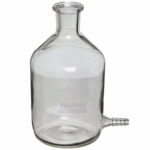

Tartaric Acid
Tartaric Acid is a naturally occurring organic acid found in many plants, particularly grapes. It is widely used in the food, pharmaceutical, and chemical industries due to its acidic properties and ability to act as a chiral building block in synthesis. This crystalline acid enhances flavor, stabilizes products, and serves as a key ingredient in baking powders, effervescent tablets, and various industrial applications.
Tartaric Acid
Primary Uses
- Food Industry
- Acidulant: Used to impart tartness and acidity in beverages, candies, and baked goods.
- Leavening Agent: Combined with baking soda to produce carbon dioxide for rising in baking powders.
- pH Adjuster: Maintains desired acidity levels in processed foods and beverages.
- Stabilizer: Prevents crystallization in syrups and jams.
- Pharmaceutical Industry
- Effervescent Tablets: Acts as an acid component in tablets that dissolve with effervescence.
- Chiral Agent: Used in the synthesis of pharmaceuticals due to its stereochemical properties.
- Antioxidant: Helps stabilize active ingredients in formulations.
Secondary Uses
- Chemical Industry
- Chelating Agent: Binds metal ions in various industrial processes.
- Plasticizer Production: Used as an intermediate in producing biodegradable plastics.
- Cosmetics
- pH Regulator: Used in skin care products to adjust acidity and improve product stability.
- Textile Industry
- Mordant: Used in dyeing processes to fix dyes onto fabrics.
1. Basic Identification Attributes
- Chemical Name (IUPAC): 2,3-dihydroxybutanedioic acid
- Common/Trade Name: Tartaric Acid
- CAS Number: 87-69-4
- HS Code: 2918.14.00
- Synonyms: 2,3-Dihydroxybutanedioic acid, tartaric acid powder
2. Physical & Chemical Properties
- Physical State: White crystalline powder
- Color & Odor: White; odorless
- Melting Point: 168–170 °C
- Solubility: Soluble in water; slightly soluble in alcohol
- Density: Approx. 1.76 g/cm³
3. Safety & Hazard Attributes
- GHS Classification: Not classified as hazardous; may cause mild irritation
- Toxicity: Low toxicity; generally recognized as safe (GRAS) for food use
- Exposure Limits: No established occupational exposure limits
4. Storage & Handling Attributes
- Storage Conditions: Store in a cool, dry place away from moisture and incompatible substances
- Container Type: Bags, drums, or bulk containers
- Shelf Life: 24 months under proper storage conditions
- Handling Precautions: Avoid dust formation; use dust masks if necessary
5. Regulatory & Compliance Attributes
- Complies with food-grade and pharmaceutical-grade standards (FCC, USP)
- Manufactured under Good Manufacturing Practices (GMP)
- Meets REACH, OSHA, and GHS regulatory requirements
6. Environmental & Health Impact
- Biodegradability: Readily biodegradable
- Ecotoxicity: Low environmental toxicity
- Bioaccumulation: Not significant
Safety Handling Precautions
- PPE Required: Gloves and dust mask recommended during handling
- Handling Guidelines: Use adequate ventilation to minimize dust exposure
- Storage Measures: Keep containers sealed and dry
First Aid Measures
- Inhalation: Move to fresh air; seek medical attention if irritation occurs
- Skin Contact: Wash with soap and water
- Eye Contact: Rinse immediately with water for at least 15 minutes; seek medical help if irritation persists
- Ingestion: Rinse mouth; seek medical advice if discomfort occurs
Firefighting Measures
- Fire Hazards: Non-flammable
- Extinguishing Media: Use water spray, foam, or dry chemical extinguishers
- Hazardous Combustion Products: Carbon oxides and other combustion gases under fire conditions
Related products

Ammonium Acetate
Ammonium acetate is a white crystalline solid or granular powder that is highly soluble in water. It is the ammonium salt of acetic acid and commonly appears as a colorless, odorless compound. Ammonium acetate is widely used in laboratories, chemical synthesis, food industry, pharmaceuticals, and industrial applications due to its buffering capacity and ability to provide both ammonium and acetate ions in solution. It functions as a neutral salt and is valued for its role as a pH buffer, reagent, and stabilizer.
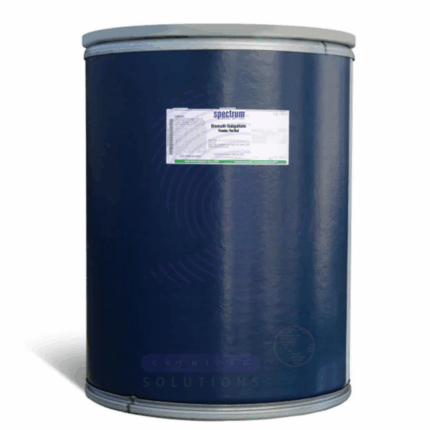
Bismuth Subgallate
Bismuth Subgallate is a pale yellow, odorless, tasteless powder composed of bismuth and gallic acid derivatives. It is widely used as an internal deodorant for controlling odor from flatulence and stool, especially in patients with gastrointestinal conditions or post-surgery stomas. It also serves as a mild astringent and has hemostatic properties, making it useful in wound care products. Due to its insolubility in water and stability, it is suited for oral and topical formulations.
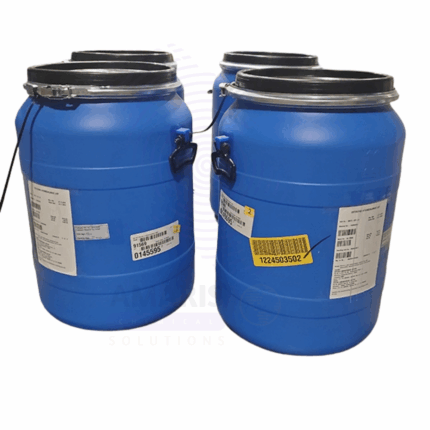
Cetirizine Dihydrochloride
Cetirizine Dihydrochloride is a second-generation antihistamine widely used to relieve allergy symptoms such as hay fever, urticaria (hives), and other allergic conditions. It is the dihydrochloride salt form of cetirizine, presenting as a white to off-white crystalline powder that is odorless or nearly odorless and slightly bitter in taste. Cetirizine Dihydrochloride acts as a selective antagonist of peripheral H1 histamine receptors, preventing the effects of histamine and thereby reducing allergic symptoms without causing significant sedation. It is a commonly prescribed active pharmaceutical ingredient (API) in oral tablets, syrups, and capsules.
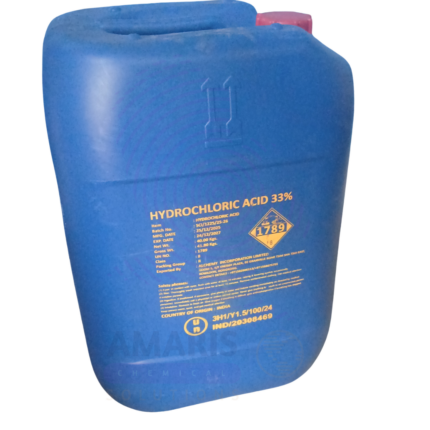
Hydrochloric Acid (HCL)
Hydrochloric Acid is a clear, colorless to slightly yellow aqueous solution of hydrogen chloride gas. It is a strong, highly corrosive mineral acid with a sharp, pungent odor. The chemical formula is HCl with a molecular weight of 36.46 g/mol. Hydrochloric Acid is completely miscible with water and many organic solvents. It is non-flammable but extremely corrosive to metals and human tissue. Technical grade Hydrochloric Acid is manufactured for industrial applications including chemical manufacturing, steel pickling, oil well acidizing, water treatment, and pH adjustment. It is available in various concentrations, typically ranging from 30% to 38% by weight.
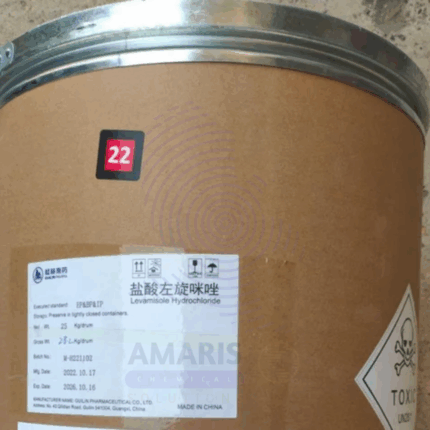
Levamisole Hcl BP2000
Levamisole Hcl BP2000 is a white to off-white crystalline powder, soluble in water, with anthelmintic and immunomodulatory properties. It is primarily used as a veterinary antiparasitic agent effective against gastrointestinal nematodes in livestock. Levamisole HCL BP2000 conforms to British Pharmacopoeia standards, ensuring high purity and quality for pharmaceutical and veterinary formulations. Beyond veterinary uses, it is also researched for immunostimulant properties in medical applications.
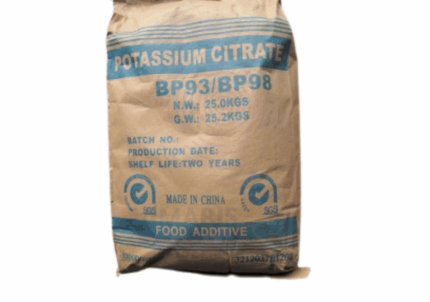
Potassium Citrate
Potassium Citrate is a potassium salt of citric acid, appearing as a white, crystalline, water-soluble powder. It is widely used in food, pharmaceutical, agricultural, and industrial applications due to its buffering, alkalizing, and sequestrant properties. Potassium Citrate helps regulate acidity and provides potassium ions critical for various biochemical and physiological functions.
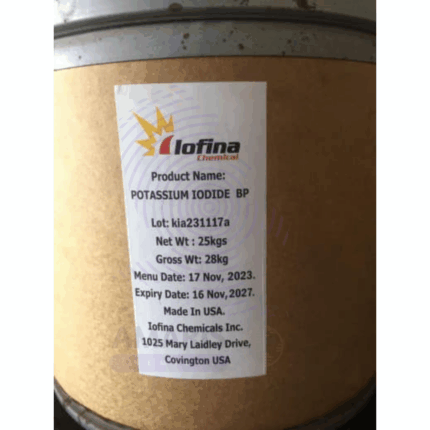
Potassium Iodide
Potassium Iodide is a white, crystalline inorganic salt that serves as a vital source of iodine. It is widely used in medical, pharmaceutical, nutritional, and industrial fields. Potassium Iodide is highly soluble in water and is used both as a dietary supplement to prevent iodine deficiency and as a protective agent against radioactive iodine exposure. It also finds applications in chemical synthesis and photographic processes.
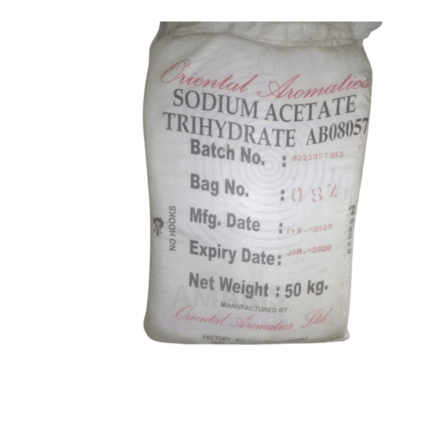
Sodium Acetate Trihydrate
Sodium Acetate Trihydrate is a white crystalline solid that is the hydrated form of sodium acetate. It is highly soluble in water and has a mildly alkaline pH in solution. Widely used in chemical, pharmaceutical, food, and textile industries, sodium acetate trihydrate serves as a buffering agent, pH regulator, and preservative. Its ability to stabilize pH and act as a neutralizing agent makes it valuable in various industrial and laboratory applications. Additionally, it is used for heat packs due to its exothermic crystallization properties.












