

 Preservatives(food)
 Flavors
 Acidulants
 Sweeteners
 Antioxidants
 Colorants(food)
 Nutraceutical Ingredients (food)
 Nutrient Supplements
 Emulsifiers
 Collectors
 Dust Suppressants
 Explosives and Blasting Agents
 Flocculants and Coagulants
 Frothers
 Leaching Agents
 pH Modifiers
 Precious Metal Extraction Agents
 Antioxidants(plastic)
 Colorants (Pigments, Dyes)
 Fillers and Reinforcements
 Flame Retardants
 Monomers
 Plasticizers
 Polymerization Initiators
 Stabilizers (UV, Heat)
 Antifoaming Agents
 Chelating Agents
 Coagulants and Flocculants
 Corrosion Inhibitors
 Disinfectants and Biocides
 Oxidizing Agents
 pH Adjusters
 Scale Inhibitors( water)
 Antioxidants(cosmetic)
 Emollients
 Oils
Oils Carrier Oills
 Essential Oils
 Humectants
 Preservatives
 Surfactants(cosmetic)
 Thickeners
 UV Filters
 Fertilizers
 Soil Conditioners
 Plant Growth Regulators
 Animal Feed Additives
 Biostimulants
 Pesticides (Herbicides, Insecticides, Fungicides)
 Active Pharmaceutical Ingredients (APIs)
 Excipients
 Solvents(pharmaceutical)
 Antibiotics
 Antiseptics and Disinfectants
 Vaccine Adjuvants
 Nutraceutical Ingredients (pharmaceutical)
 Analgesics & Antipyretics
 Analytical Reagents
 Solvents(lab)
 Chromatography Chemicals
 Spectroscopy Reagents
 microbiology-and-cell-culture-reagents
 Molecular Biology Reagents
 Biochemical Reagents
 Inorganic and Organic Standards
 Laboratory Safety Chemicals
 Specialty Laboratory Chemicals(Special Laboratory Equipment)
 Demulsifiers
 Hydraulic Fracturing Fluids
 Scale Inhibitors(oil)
 Surfactants(oil)
 Drilling Fluids
 Dyes and Pigments
 Bleaching Agents
 Softening Agents
 Finishing Agents
 Antistatic Agents
 Admixtures
 Waterproofing Agents
 Sealants and Adhesives
 Curing Compounds
 Concrete Repair Chemicals
 Anti-Corrosion Coatings
 Surfactants(cleaning)
 Builders
 Enzymes
 Solvents (Cleaning)
 Fragrances (Cleaning)
 Electronic Chemicals
 Catalysts
 Lubricants
 Photographic Chemicals
 Refrigerants
 Automotive chemicals
 Pyrotechnic Chemicals
 Biodegradable Surfactants
 Bio-based Solvents
 Renewable Polymers
 Carbon Capture Chemicals
 Wastewater Treatment Chemicals
 Pigments
 Solvents(paint)
 Specialty Coatings
 Binders/Resins
 Additives
 Driers
 Anti-Corrosion Agents
 Functional Coatings
 Application-Specific Coatings
 Leavening Agents
 Dough Conditioners
 Flour Treatments
 Fat Replacers
 Decoratives
 Preservatives(baking)
 Plasticizers & Softeners
 Reinforcing Agents
 Adhesion Promoters
 Vulcanizing Agents
 Antidegradants
 Blowing Agents
 Fillers & Extenders
 Accelerators & Retarders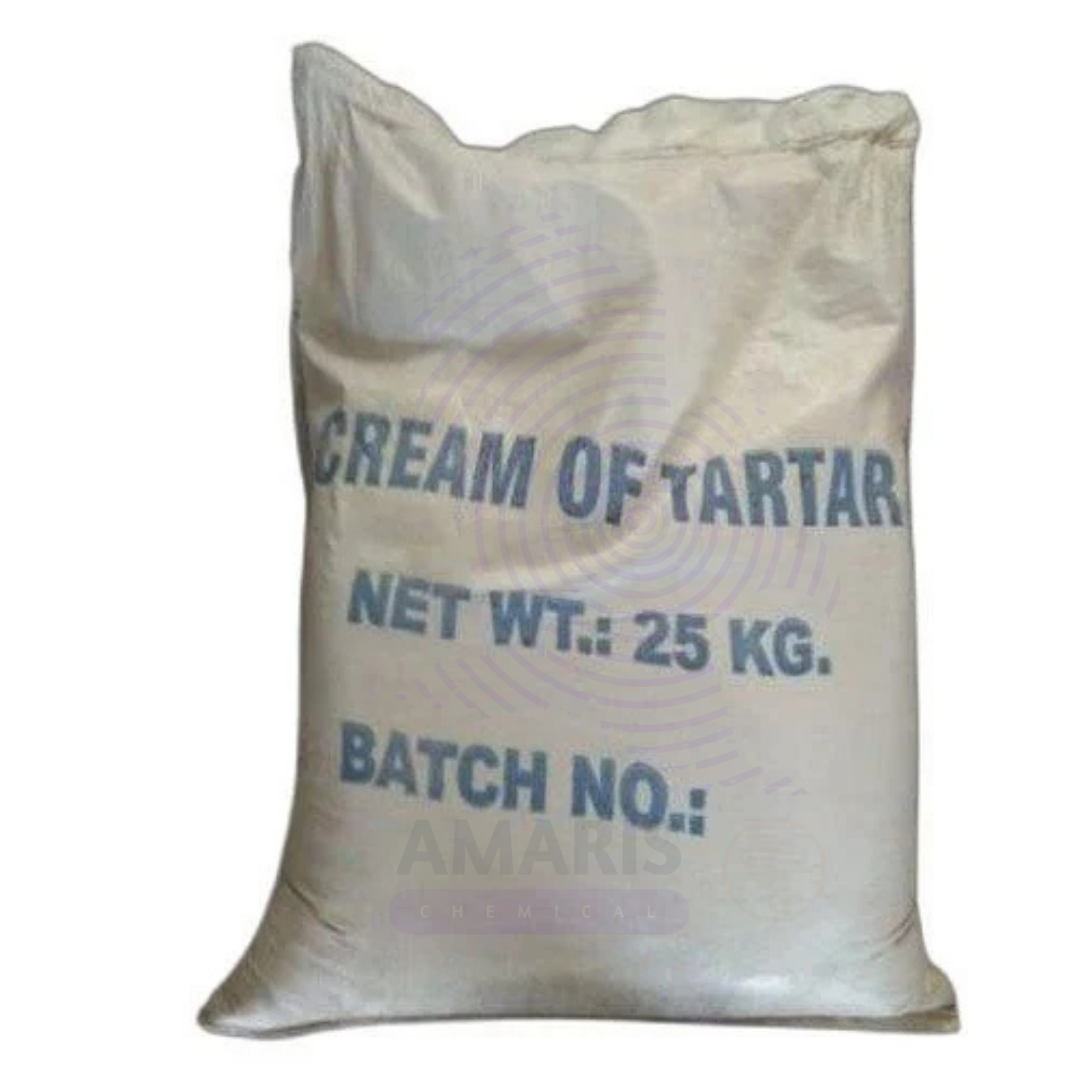


Cream of Tartar
Cream of Tartar, chemically known as Potassium Hydrogen Tartrate (KC4H5O6), is a fine, white, acidic powder that is a byproduct of winemaking. It is a natural crystalline acid salt obtained from tartaric acid during the fermentation of grapes. This odorless and tasteless powder is widely used in culinary, pharmaceutical, and industrial applications due to its stabilizing, acidifying, and leavening properties. Cream of Tartar is valued for its ability to stabilize egg whites, prevent sugar crystallization, and act as an acidulant in various formulations.
Cream of Tartar
Primary Uses
- Culinary & Food Industry
- Acts as a stabilizer for whipped egg whites in meringues, soufflés, and frostings, preventing collapse.
- Used as an acidulant in baking powders combined with baking soda to release carbon dioxide and cause dough rising.
- Prevents sugar crystallization in syrups, candies, and frostings, ensuring smooth texture.
- Used to enhance the flavor and texture of certain baked goods and beverages.
- Pharmaceuticals & Medical
- Utilized as an effervescent agent in antacid formulations combined with sodium bicarbonate.
- Serves as a stabilizing agent in some pharmaceutical suspensions and powders.
Secondary Uses
- Cosmetics & Personal Care
- Incorporated in cosmetic powders and skin care formulations as a pH adjuster and mild exfoliant.
- Cleaning Agent
- Employed as a mild abrasive and acidulant in some household cleaning products.
- Laboratory & Industrial Uses
- Used as a buffering agent in chemical laboratories to maintain acidic pH conditions.
- Acts as a raw material in some organic synthesis processes.
1. Basic Identification Attributes
- Chemical Name (IUPAC): Potassium hydrogen tartrate
- Common/Trade Name: Cream of Tartar
- CAS Number: 638-22-6
- HS Code: 2918.14.00
- Molecular Formula: KC4H5O6
- Synonyms:
- Potassium bitartrate
- Tartaric acid potassium salt
- Wine tartar
2. Physical & Chemical Properties
- Physical State: Fine powder
- Color & Odor: White; odorless
- Melting Point: Decomposes at about 168 °C
- Boiling Point: Not applicable (decomposes)
- Density: ~2.5 g/cm³
- Solubility:
- Slightly soluble in cold water (0.5 g/100 mL at 20°C)
- More soluble in hot water
- Insoluble in alcohol
- pH: Acidic (~3–4 in aqueous solution)
- Stability: Stable under normal conditions; hygroscopic
3. Safety & Hazard Attributes
- Hazard Class (GHS): Generally recognized as safe (GRAS)
- NFPA Ratings:
- Health: 0
- Flammability: 0
- Reactivity: 0
- Exposure Limits: No specific limits; safe for general use
- Toxicity: Non-toxic; used safely in food and pharmaceuticals
- Reactivity: Non-reactive under normal conditions
4. Storage & Handling Attributes
- Storage Conditions: Store in a cool, dry place away from moisture and contaminants
- Container Type: Airtight food-grade containers or bags
- Shelf Life: Indefinite if stored properly
- Special Handling: Avoid moisture absorption; keep containers sealed
5. Regulatory & Compliance Attributes
- FDA Status: GRAS (Generally Recognized as Safe) for food use (21 CFR §184.1069)
- Food Additive Code (EU): E336
- REACH Status: Registered
- Transportation: Not regulated as hazardous material
- Waste Disposal: Can be disposed of as non-hazardous waste
6. Environmental & Health Impact
- Ecotoxicity: Low environmental impact; biodegradable
- Persistence: Naturally breaks down in environment
- Bioaccumulation: Not expected
- Carcinogenicity/Mutagenicity: Not classified as hazardous
- Biodegradability: Readily biodegradable
Safety Handling Precautions
Personal Protective Equipment (PPE):
- Standard gloves and dust mask when handling in bulk
- Protective eyewear if dust exposure is significant
Handling Measures:
- Avoid inhaling dust
- Minimize dust generation in processing areas
Storage Measures:
- Keep containers tightly sealed to avoid moisture uptake
Hygiene Practices:
- Wash hands after handling
- Avoid eating or drinking in handling areas
First Aid Measures
- Inhalation: Move to fresh air if dust inhaled; seek medical advice if irritation occurs
- Skin Contact: Wash skin with soap and water; irritation unlikely
- Eye Contact: Flush eyes with water; seek medical attention if irritation persists
- Ingestion: Non-toxic; excessive intake may cause mild gastrointestinal discomfort
Firefighting Measures
- Fire Hazards: Non-flammable; not combustible
- Extinguishing Media: Use appropriate extinguishing agents for surrounding fire
- Special Precautions: None required
- Decomposition Products: Does not decompose under fire conditions
Related products

Ammonium Acetate
Ammonium acetate is a white crystalline solid or granular powder that is highly soluble in water. It is the ammonium salt of acetic acid and commonly appears as a colorless, odorless compound. Ammonium acetate is widely used in laboratories, chemical synthesis, food industry, pharmaceuticals, and industrial applications due to its buffering capacity and ability to provide both ammonium and acetate ions in solution. It functions as a neutral salt and is valued for its role as a pH buffer, reagent, and stabilizer.
Citric Acid Anhydrous
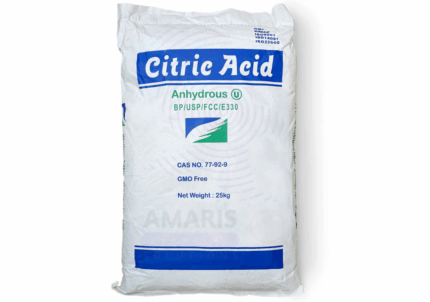
Citric Acid Anhydrous is a white, crystalline organic acid widely used across food, pharmaceutical, cosmetic, and industrial sectors. It is the anhydrous form of citric acid, meaning it contains no water molecules in its crystal lattice, resulting in higher purity and more concentrated acidic properties compared to its monohydrate form. Derived from natural sources like citrus fruits or produced via microbial fermentation, citric acid anhydrous is valued for its sour taste, excellent chelating ability, and buffering capacity. It serves as a natural preservative, pH adjuster, antioxidant synergist, and cleaning agent, making it a versatile ingredient in many formulations.
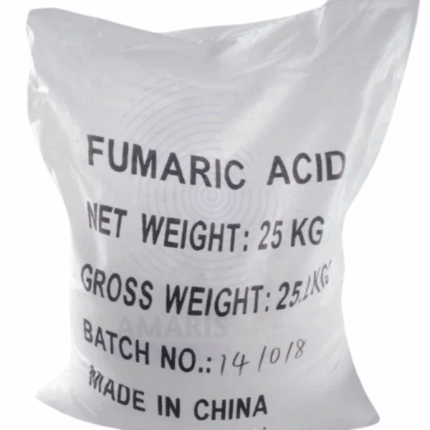
Fumaric Acid
Fumaric Acid is a naturally occurring dicarboxylic acid characterized by its white crystalline powder form and a slightly acidic taste. It is an unsaturated organic acid with the chemical formula C4H4O4 and is an intermediate in the Krebs cycle in biological systems. Fumaric Acid is commonly found in various plants and fungi and is commercially produced by isomerization of maleic acid or by fermentation. It is widely used in the food, pharmaceutical, chemical, and polymer industries due to its acidulant, antioxidant, and crosslinking properties.
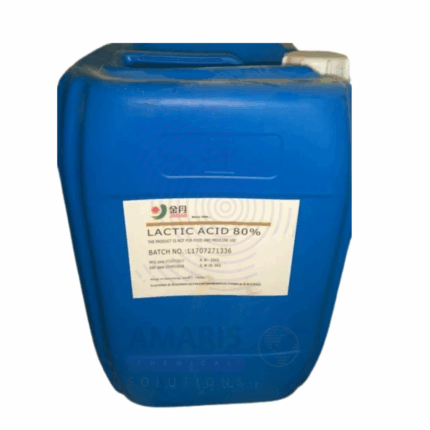
Lactic Acid
Lactic Acid is a colorless to pale yellow, viscous liquid with a mild acidic odor. It is an organic acid naturally produced by fermentation and widely used in industrial, pharmaceutical, cosmetic, and food applications. The 80% concentration provides a balance of potency and ease of handling, making it suitable for pH adjustment, preservation, and chemical synthesis. Lactic acid is biodegradable, non-toxic, and valued for its multifunctionality including antimicrobial properties and chelation abilities.
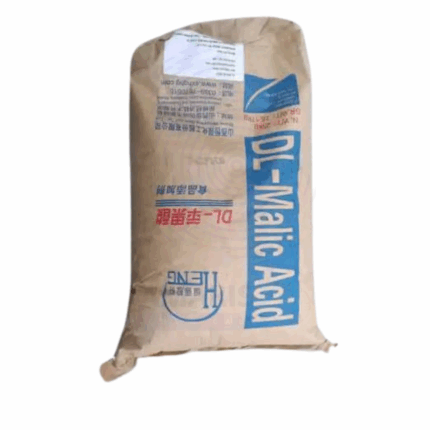
Malic Acid
Malic Acid is a naturally occurring dicarboxylic acid found in many fruits, particularly apples, and is commonly used as a food additive, flavor enhancer, and acidulant. It is available in crystalline or powder form and has a strong, tart taste. Commercially, it is produced synthetically or extracted from natural sources. Malic Acid exists in two isomeric forms: L-malic acid (naturally occurring and biologically active) and DL-malic acid (synthetic racemic mixture). It is highly soluble in water and widely used in food, beverage, cosmetics, and pharmaceutical industries.
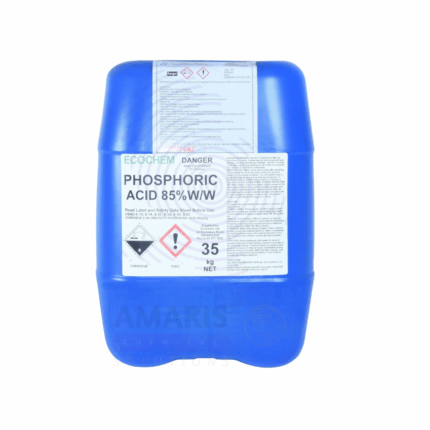
Phosphoric Acid Food Grade
Phosphoric Acid Food Grade is a highly concentrated, colorless, odorless liquid acid used extensively in the food and beverage industry. It acts as an acidulant, flavoring agent, and preservative, approved for direct use in food processing. This grade meets strict purity standards suitable for consumption and is widely employed to control pH, add tanginess, and extend shelf life. It is also used in other industries requiring high-purity phosphoric acid.
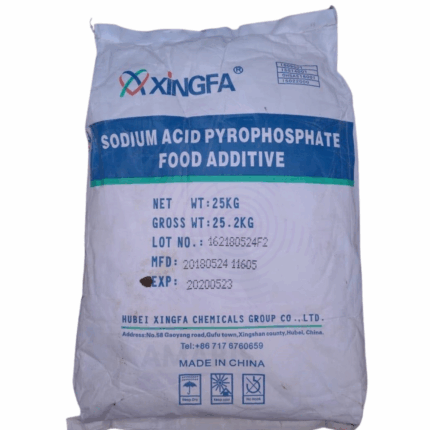
Sodium Acid Pyrophosphate
Sodium Acid Pyrophosphate (SAPP) is an inorganic compound with the chemical formula Na₂H₂P₂O₇. It is a white, crystalline powder or granular solid that serves as a versatile leavening agent, buffering agent, and sequestrant. SAPP is widely used in food processing, water treatment, and industrial applications due to its ability to control pH, chelate metals, and modify texture.












