

 Preservatives(food)
 Flavors
 Acidulants
 Sweeteners
 Antioxidants
 Colorants(food)
 Nutraceutical Ingredients (food)
 Nutrient Supplements
 Emulsifiers
 Collectors
 Dust Suppressants
 Explosives and Blasting Agents
 Flocculants and Coagulants
 Frothers
 Leaching Agents
 pH Modifiers
 Precious Metal Extraction Agents
 Antioxidants(plastic)
 Colorants (Pigments, Dyes)
 Fillers and Reinforcements
 Flame Retardants
 Monomers
 Plasticizers
 Polymerization Initiators
 Stabilizers (UV, Heat)
 Antifoaming Agents
 Chelating Agents
 Coagulants and Flocculants
 Corrosion Inhibitors
 Disinfectants and Biocides
 Oxidizing Agents
 pH Adjusters
 Scale Inhibitors( water)
 Antioxidants(cosmetic)
 Emollients
 Oils
Oils Carrier Oills
 Essential Oils
 Humectants
 Preservatives
 Surfactants(cosmetic)
 Thickeners
 UV Filters
 Fertilizers
 Soil Conditioners
 Plant Growth Regulators
 Animal Feed Additives
 Biostimulants
 Pesticides (Herbicides, Insecticides, Fungicides)
 Active Pharmaceutical Ingredients (APIs)
 Excipients
 Solvents(pharmaceutical)
 Antibiotics
 Antiseptics and Disinfectants
 Vaccine Adjuvants
 Nutraceutical Ingredients (pharmaceutical)
 Analgesics & Antipyretics
 Analytical Reagents
 Solvents(lab)
 Chromatography Chemicals
 Spectroscopy Reagents
 microbiology-and-cell-culture-reagents
 Molecular Biology Reagents
 Biochemical Reagents
 Inorganic and Organic Standards
 Laboratory Safety Chemicals
 Specialty Laboratory Chemicals(Special Laboratory Equipment)
 Demulsifiers
 Hydraulic Fracturing Fluids
 Scale Inhibitors(oil)
 Surfactants(oil)
 Drilling Fluids
 Dyes and Pigments
 Bleaching Agents
 Softening Agents
 Finishing Agents
 Antistatic Agents
 Admixtures
 Waterproofing Agents
 Sealants and Adhesives
 Curing Compounds
 Concrete Repair Chemicals
 Anti-Corrosion Coatings
 Surfactants(cleaning)
 Builders
 Enzymes
 Solvents (Cleaning)
 Fragrances (Cleaning)
 Electronic Chemicals
 Catalysts
 Lubricants
 Photographic Chemicals
 Refrigerants
 Automotive chemicals
 Pyrotechnic Chemicals
 Biodegradable Surfactants
 Bio-based Solvents
 Renewable Polymers
 Carbon Capture Chemicals
 Wastewater Treatment Chemicals
 Pigments
 Solvents(paint)
 Specialty Coatings
 Binders/Resins
 Additives
 Driers
 Anti-Corrosion Agents
 Functional Coatings
 Application-Specific Coatings
 Leavening Agents
 Dough Conditioners
 Flour Treatments
 Fat Replacers
 Decoratives
 Preservatives(baking)
 Plasticizers & Softeners
 Reinforcing Agents
 Adhesion Promoters
 Vulcanizing Agents
 Antidegradants
 Blowing Agents
 Fillers & Extenders
 Accelerators & Retarders

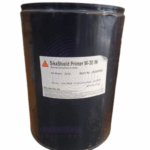

Bio-Waste Digester Kit
The Bio-Waste Digester Kit (1 Liter) is a compact, ready-to-use microbial solution designed to accelerate the decomposition of organic waste through natural biodegradation. This kit contains a high-activity blend of non-pathogenic microorganisms and enzymes capable of breaking down a wide range of biodegradable materials including food scraps, plant matter, and organic sludge. It is formulated for efficient use in laboratory-scale digestion experiments as well as small-scale industrial or institutional bio-waste treatment systems. The product supports environmentally responsible waste management by reducing organic load, minimizing odors, and converting waste into more manageable byproducts such as methane, carbon dioxide, and stabilized compost.
Bio-Waste Digester Kit
Primary Uses
- Laboratory Applications
- Used in experiments related to biodegradation and microbial activity.
- Supports academic research and demonstrations of anaerobic and aerobic digestion processes.
- Facilitates testing of compostability and waste breakdown for environmental chemistry studies.
- Enables controlled simulations of biogas production and waste-to-energy systems.
Secondary Uses
- Industrial Applications
- Applied in small-scale pilot plants and R&D facilities for optimizing digestion performance.
- Used in food processing units and canteens for organic waste reduction and odor control.
- Integrated into waste treatment routines in hospitals, research centers, and institutional cafeterias.
- Supports microbial inoculation in bioreactors and organic waste holding tanks to initiate degradation.
1.Basic Identification Attributes
- Product Type: Microbial Waste Digester Kit
- Volume: 1 Liter
- Formulation: Liquid or semi-liquid microbial culture with enzyme activators
- Function: Breaks down organic waste through microbial decomposition
2.Physical & Chemical Properties
- Appearance: Brown to amber liquid
- Odor: Slightly earthy or fermented scent
- pH: Typically neutral to slightly acidic (5.5–7.0)
- Solubility: Fully dispersible in water
- Microbial Content: Non-pathogenic, facultative anaerobes and enzyme blends
3.Safety & Hazard Attributes
- GHS Classification: Not classified as hazardous
- Toxicity: Non-toxic to humans and animals under normal use
- Allergen Information: Contains naturally occurring microbes; avoid inhalation of aerosols
- Exposure Limits: Avoid prolonged exposure to concentrated vapors or accidental ingestion
4.Storage & Handling Attributes
- Storage Conditions: Store in a cool, shaded area away from direct sunlight and freezing temperatures
- Handling Precautions: Wear gloves and eye protection during use; avoid contact with open wounds
5.Regulatory & Compliance Attributes
- Compliant with environmental safety guidelines for microbial formulations
- Manufactured in facilities following ISO or GMP standards for biological products
6.Environmental & Health Impact
- Biodegradability: Fully biodegradable
- Ecotoxicity: Low; designed for safe environmental integration
- Bioaccumulation: Not expected
Safety Handling Precautions
- PPE Required: Gloves and safety goggles
- Handling Guidelines: Avoid aerosolization; keep container closed when not in use
First Aid Measures
- Inhalation: Move to fresh air if discomfort occurs
- Skin Contact: Wash area with soap and water
- Eye Contact: Rinse cautiously with water for several minutes
- Ingestion: Rinse mouth; do not induce vomiting; seek medical attention if discomfort persists
Firefighting Measures
- Fire Hazards: Non-flammable
- Extinguishing Media: Water spray, dry chemical, or CO₂
- Special Precautions: None
- Hazardous Combustion Products: None under normal conditions
Related products
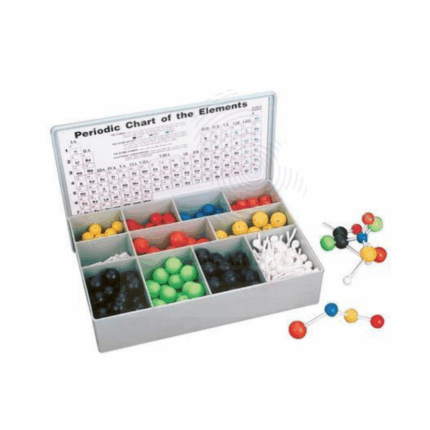
Atomic Model Set
The Atomic Model Set is an educational tool designed to visually demonstrate the structure of atoms and molecules. It consists of color-coded balls representing protons, neutrons, and electrons, connected by rods to simulate atomic bonds. This set is widely used in classrooms, laboratories, and training centers to aid in the teaching of atomic theory, molecular geometry, chemical bonding, and related concepts. Made from durable plastic materials, the set provides a hands-on, interactive experience that enhances understanding of complex scientific principles.
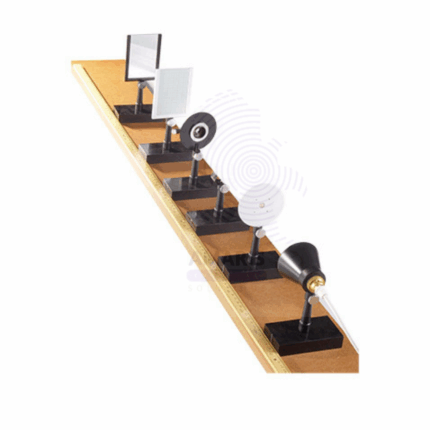
Complete optical bench
Product Description
Complete Optical Bench is a precision laboratory apparatus designed to facilitate experiments involving optics, such as the study of lenses, mirrors, light refraction, reflection, and focal lengths. It consists of a rigid, graduated base rail with movable holders for optical components like lenses, mirrors, prisms, and light sources. The modular design allows flexible setup of various optical experiments, making it an essential tool in physics laboratories for teaching and research.
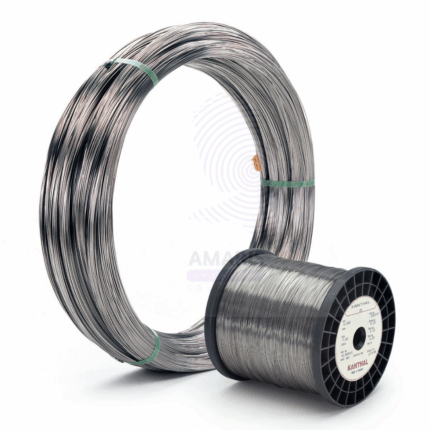
Constantine wire
Constantine Wire is an alloy wire composed primarily of copper, nickel, and zinc, known for its high electrical conductivity, corrosion resistance, and durability. It is widely used in electrical applications requiring reliable conduction and mechanical strength. The wire exhibits excellent resistance to oxidation and mechanical wear, making it suitable for various laboratory and industrial uses.
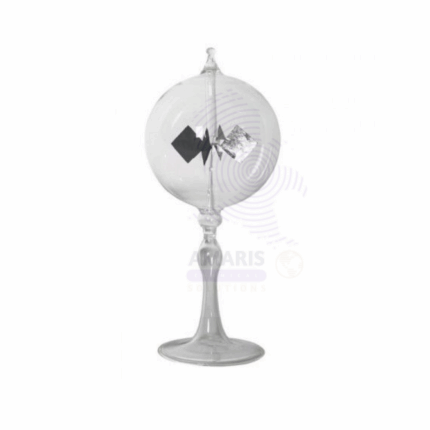
Crookes radiometer
The Crookes Radiometer, also known as a light mill, is a scientific apparatus consisting of a glass bulb containing a partial vacuum and a rotor with vanes coated black on one side and white or silver on the other. When exposed to light or radiant energy, the vanes rotate due to differential thermal transpiration, demonstrating principles of gas kinetics and energy conversion. It is commonly used for educational demonstrations of light pressure and thermodynamics.
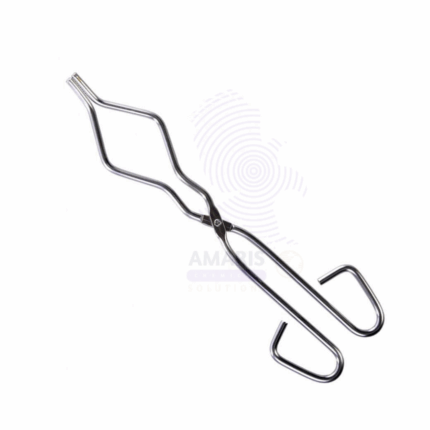
Crucible Tongs
Crucible Tongs are specialized metal tools designed for safely handling hot crucibles, evaporating dishes, and other laboratory apparatus exposed to high temperatures. Made from durable, heat-resistant metals such as stainless steel or nickel-plated steel, these tongs provide a firm grip, ensuring the safe transfer of heated items during laboratory procedures, including heating, melting, and chemical reactions.
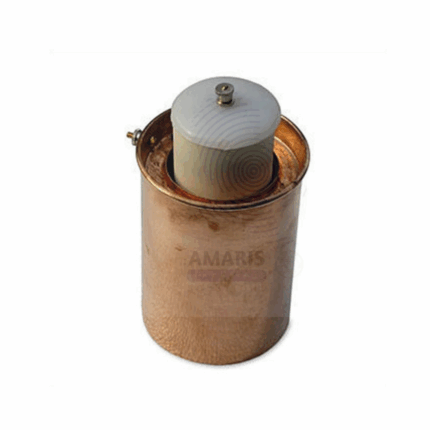
Daniel cell
The Daniel Cell is a classic electrochemical cell consisting of zinc and copper electrodes immersed in their respective sulfate solutions and connected by a salt bridge. It generates electrical energy through redox reactions and is used primarily for educational and laboratory demonstrations in electrochemistry.
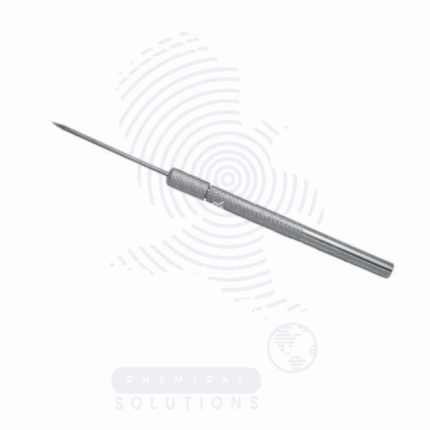
Dissecting Needle
A Dissecting Needle is a fine, pointed instrument used in biological and medical dissections to tease apart tissues, separate layers, and manipulate small structures. Typically constructed from stainless steel or surgical-grade metal, the needle has a sharp tip mounted on a rigid handle, providing precision and control during delicate procedures. Dissecting needles are essential tools in anatomy labs, research facilities, and surgical settings for detailed tissue work, facilitating clearer visibility and accurate separation without causing unnecessary damage.
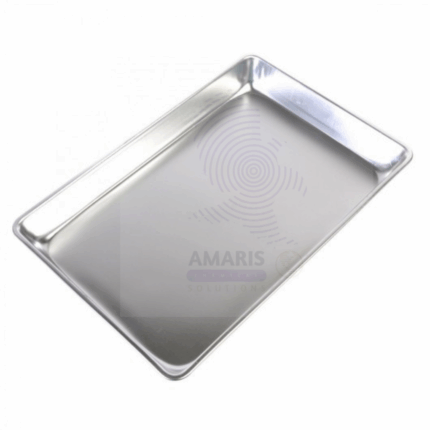
Dissecting scissors
Dissecting Pan with Wax is a specialized laboratory tool consisting of a shallow metal or plastic pan filled with a layer of soft, moldable wax used to securely position biological specimens during dissection. The wax surface allows specimens to be pinned or stabilized without damage, providing a firm and adjustable platform for precise anatomical work. This setup is commonly used in medical, veterinary, and educational laboratories to facilitate detailed examination, surgical practice, and teaching demonstrations. The pan is typically durable, easy to clean, and compatible with standard dissection instruments.












