

 Preservatives(food)
 Flavors
 Acidulants
 Sweeteners
 Antioxidants
 Colorants(food)
 Nutraceutical Ingredients (food)
 Nutrient Supplements
 Emulsifiers
 Collectors
 Dust Suppressants
 Explosives and Blasting Agents
 Flocculants and Coagulants
 Frothers
 Leaching Agents
 pH Modifiers
 Precious Metal Extraction Agents
 Antioxidants(plastic)
 Colorants (Pigments, Dyes)
 Fillers and Reinforcements
 Flame Retardants
 Monomers
 Plasticizers
 Polymerization Initiators
 Stabilizers (UV, Heat)
 Antifoaming Agents
 Chelating Agents
 Coagulants and Flocculants
 Corrosion Inhibitors
 Disinfectants and Biocides
 Oxidizing Agents
 pH Adjusters
 Scale Inhibitors( water)
 Antioxidants(cosmetic)
 Emollients
 Oils
Oils Carrier Oills
 Essential Oils
 Humectants
 Preservatives
 Surfactants(cosmetic)
 Thickeners
 UV Filters
 Fertilizers
 Soil Conditioners
 Plant Growth Regulators
 Animal Feed Additives
 Biostimulants
 Pesticides (Herbicides, Insecticides, Fungicides)
 Active Pharmaceutical Ingredients (APIs)
 Excipients
 Solvents(pharmaceutical)
 Antibiotics
 Antiseptics and Disinfectants
 Vaccine Adjuvants
 Nutraceutical Ingredients (pharmaceutical)
 Analgesics & Antipyretics
 Analytical Reagents
 Solvents(lab)
 Chromatography Chemicals
 Spectroscopy Reagents
 microbiology-and-cell-culture-reagents
 Molecular Biology Reagents
 Biochemical Reagents
 Inorganic and Organic Standards
 Laboratory Safety Chemicals
 Specialty Laboratory Chemicals(Special Laboratory Equipment)
 Demulsifiers
 Hydraulic Fracturing Fluids
 Scale Inhibitors(oil)
 Surfactants(oil)
 Drilling Fluids
 Dyes and Pigments
 Bleaching Agents
 Softening Agents
 Finishing Agents
 Antistatic Agents
 Admixtures
 Waterproofing Agents
 Sealants and Adhesives
 Curing Compounds
 Concrete Repair Chemicals
 Anti-Corrosion Coatings
 Surfactants(cleaning)
 Builders
 Enzymes
 Solvents (Cleaning)
 Fragrances (Cleaning)
 Electronic Chemicals
 Catalysts
 Lubricants
 Photographic Chemicals
 Refrigerants
 Automotive chemicals
 Pyrotechnic Chemicals
 Biodegradable Surfactants
 Bio-based Solvents
 Renewable Polymers
 Carbon Capture Chemicals
 Wastewater Treatment Chemicals
 Pigments
 Solvents(paint)
 Specialty Coatings
 Binders/Resins
 Additives
 Driers
 Anti-Corrosion Agents
 Functional Coatings
 Application-Specific Coatings
 Leavening Agents
 Dough Conditioners
 Flour Treatments
 Fat Replacers
 Decoratives
 Preservatives(baking)
 Plasticizers & Softeners
 Reinforcing Agents
 Adhesion Promoters
 Vulcanizing Agents
 Antidegradants
 Blowing Agents
 Fillers & Extenders
 Accelerators & Retarders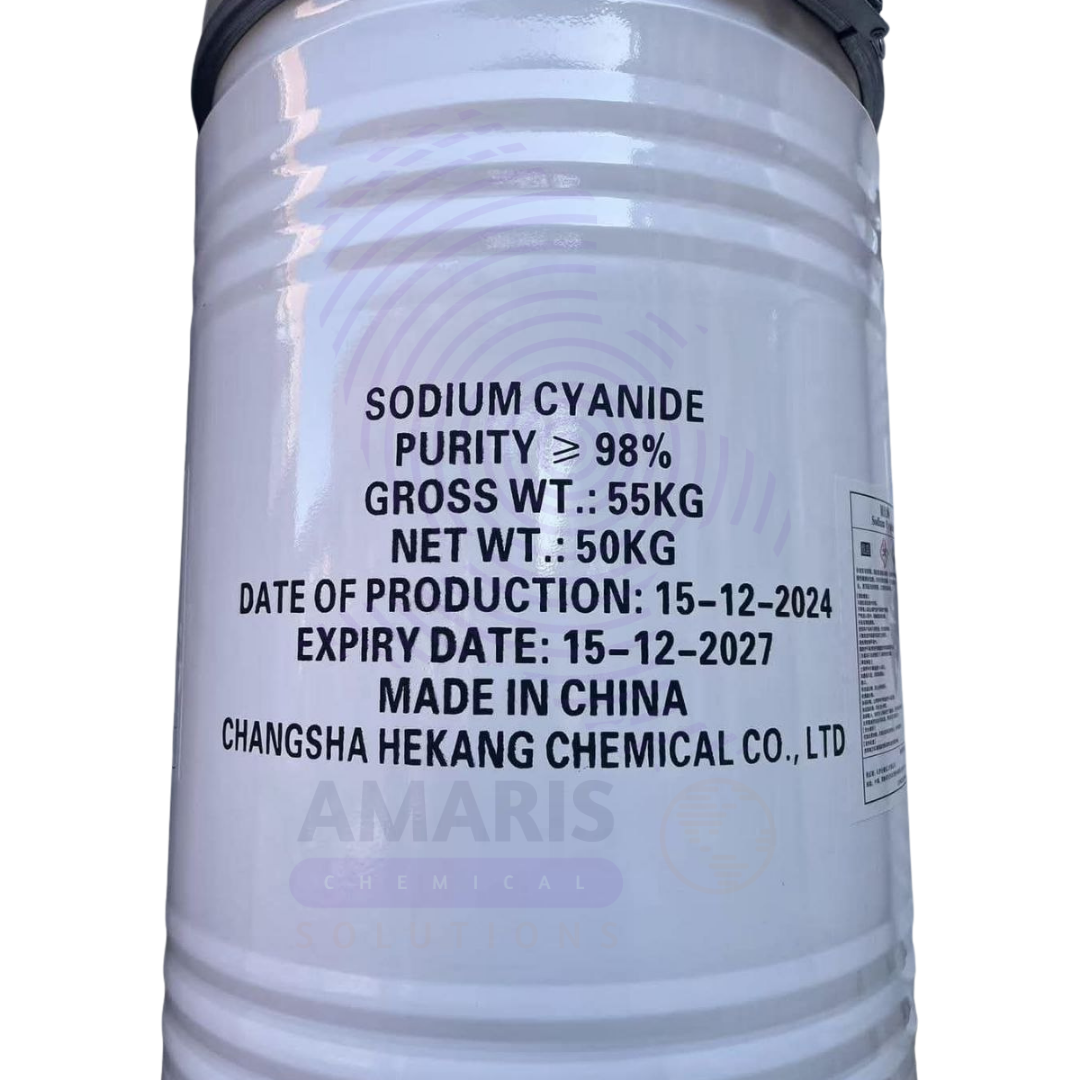
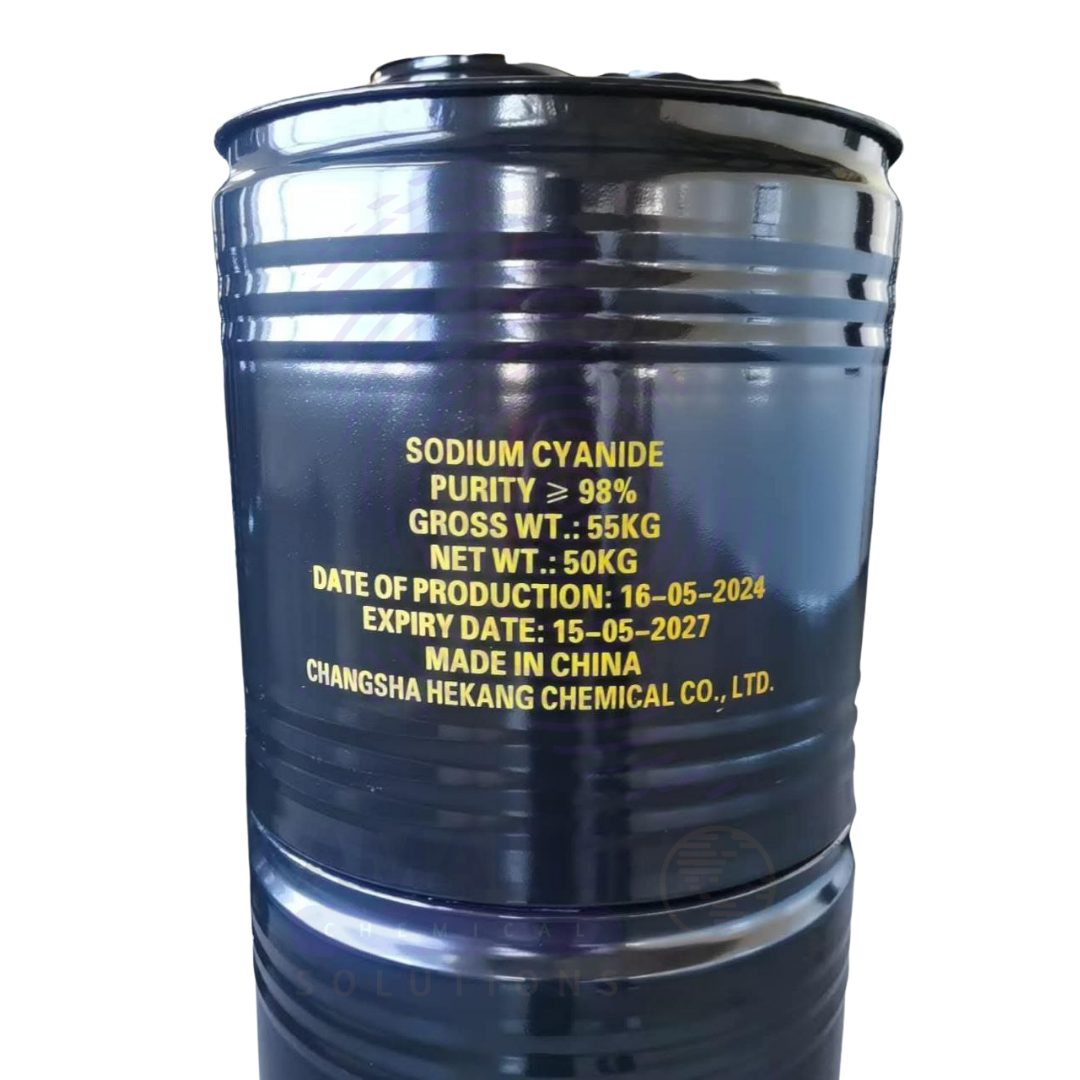

Sodium Cyanide
Sodium Cyanide is a highly toxic, white crystalline compound used primarily in the mining industry for gold and silver extraction via cyanidation. It acts as a powerful chemical reagent and is employed in various industrial processes including metal plating, chemical synthesis, and organic chemistry. Due to its hazardous nature, strict handling and storage protocols are essential.
Sodium Cyanide
Primary Uses
- Mining Industry
- Used extensively for leaching gold and silver from ores in cyanidation processes.
- Facilitates metal recovery by forming soluble complexes with precious metals.
- Chemical Manufacturing
- Employed in the production of organic chemicals such as nitriles and cyanides.
- Used in the synthesis of pharmaceuticals, dyes, and herbicides.
- Electroplating
- Acts as a source of cyanide ions for gold, silver, copper, and zinc plating baths.
- Enhances metal deposition quality and uniformity.
Secondary Uses
- Pest Control
- Used in fumigation and rodenticide applications in controlled environments.
- Laboratory Reagent
- Applied in analytical chemistry for specific tests and assays requiring cyanide ions.
1. Basic Identification Attributes
- Chemical Name (IUPAC): Sodium cyanide
- Common/Trade Name: Sodium Cyanide
- CAS Number: 143-33-9
- HS Code: 2836.20
- Synonyms: NaCN, Cyanide salt
2. Physical & Chemical Properties
- Physical State: White crystalline powder or granules
- Color & Odor: White; faint almond-like odor (due to hydrolysis)
- Solubility: Highly soluble in water
- Density: ~1.60 g/cm³
- Melting Point: 564 °C (decomposes)
3. Safety & Hazard Attributes
- GHS Classification: Acute toxicity (fatal if swallowed or inhaled), hazardous to aquatic life
- Toxicity: Extremely toxic; exposure can be fatal
- Exposure Limits: Strict occupational exposure limits apply
4. Storage & Handling Attributes
- Storage Conditions: Store in tightly sealed, corrosion-resistant containers in a cool, dry, well-ventilated area away from acids and moisture
- Container Type: Supplied in sealed drums or bulk containers with inert gas blanket
- Shelf Life: Stable if stored properly, typically 1–2 years
- Handling Precautions: Use full PPE including respirators; avoid any contact with acids (release of HCN gas)
5. Regulatory & Compliance Attributes
- Subject to strict regulations due to high toxicity (OSHA, REACH, EPA)
- Transport and storage governed by hazardous materials guidelines
- Requires proper labeling and emergency response plans
6. Environmental & Health Impact
- Biodegradability: Not biodegradable; highly toxic to aquatic life
- Ecotoxicity: Very high aquatic toxicity; lethal to fish and invertebrates
- Bioaccumulation: Not significant but dangerous due to acute toxicity
Safety Handling Precautions
- PPE Required: Full protective clothing, chemical-resistant gloves, goggles, and respiratory protection
- Handling Guidelines: Handle only in well-ventilated areas with emergency spill procedures in place
- Storage Measures: Keep containers tightly sealed and stored in a dry environment, away from acids and incompatible substances
First Aid Measures
- Inhalation: Move to fresh air immediately; administer oxygen and seek urgent medical attention
- Skin Contact: Remove contaminated clothing; wash skin thoroughly with water; seek immediate medical help
- Eye Contact: Rinse cautiously with water for at least 15 minutes; get emergency medical treatment
- Ingestion: Do NOT induce vomiting; seek immediate emergency medical care; antidotes such as hydroxocobalamin may be administered
Firefighting Measures
- Fire Hazards: May release toxic hydrogen cyanide gas when exposed to acids or fire
- Extinguishing Media: Use water spray, alcohol-resistant foam, dry chemical, or CO₂
- Special Precautions: Firefighters must wear full protective gear and self-contained breathing apparatus
- Hazardous Combustion Products: Hydrogen cyanide, nitrogen oxides, carbon monoxide
Related products
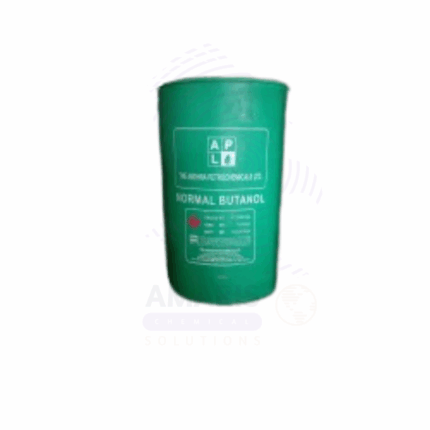
Butanol
Butanol (also known as n-Butanol or Normal Butanol) is a clear, colorless liquid with a mild, alcoholic odor. It is a four-carbon primary alcohol with the chemical formula C4H10O. Butanol is moderately soluble in water and miscible with many organic solvents. Its physical and chemical properties make it a versatile solvent and chemical intermediate. Butanol indicates a high purity grade often used in industrial, pharmaceutical, and chemical synthesis applications.
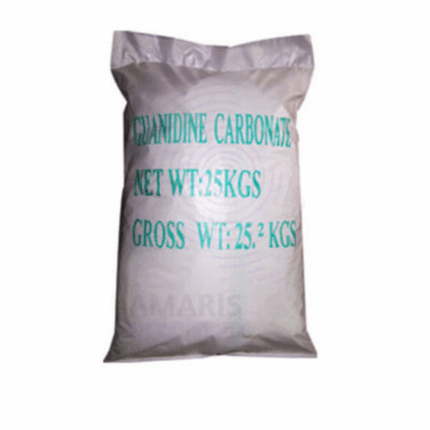
Guanidine Carbonate
Guanidine Carbonate is a white crystalline powder, highly soluble in water, with strong basicity and high nitrogen content. It’s a versatile chemical intermediate widely used in pharmaceuticals, agriculture, polymer chemistry, textiles, and laboratory research. Its buffering properties and reactivity make it valuable in synthesis, pH regulation, and as a nitrogen source.
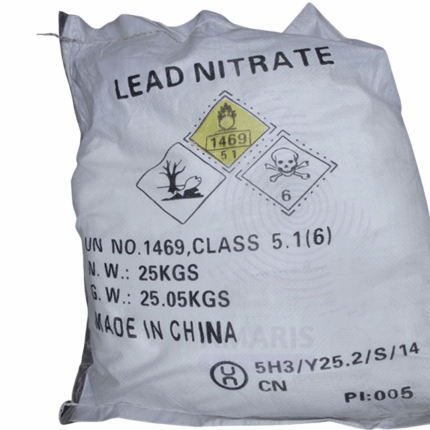
Lead Nitrate
Lead Nitrate is a white crystalline inorganic compound composed of lead and nitrate ions. It is highly soluble in water and commonly used in laboratories and industrial applications as an oxidizing agent, in the preparation of other lead compounds, and as a reagent in chemical synthesis. Lead Nitrate is known for its strong oxidizing properties and must be handled with care due to its toxicity and environmental hazards.
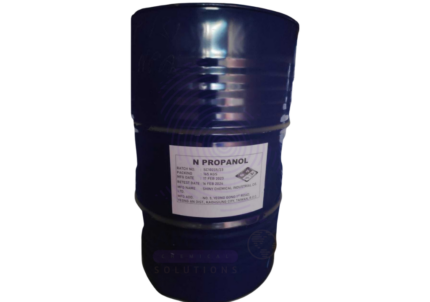
N-Propanol
N-Propanol, also known as n-Propyl Alcohol or 1-Propanol, is a clear, colorless, low-viscosity liquid with a characteristic mild alcohol-like odor. It is a primary alcohol with the molecular formula C₃H₈O, fully miscible with water and common organic solvents such as alcohols, ketones, ethers, glycols, and hydrocarbons. This high-purity, semi-volatile, polar solvent serves as both a versatile solvent and a chemical intermediate across multiple industrial sectors. N-Propanol has a flash point of 15–23°C and is classified as a highly flammable liquid. Technical grade N-Propanol is manufactured for industrial applications and is not intended for direct human consumption unless specifically certified as USP or Food Grade.
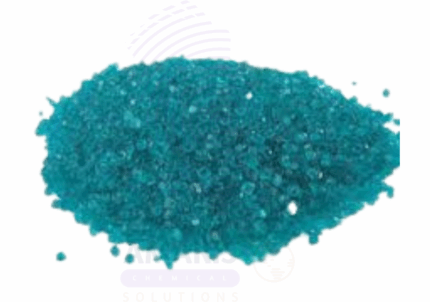
Nickel Sulphate
Nickel Sulphate is an inorganic compound consisting of nickel and sulfate ions, typically found as a green crystalline solid. It is highly soluble in water and widely used as a key raw material in electroplating, chemical synthesis, and battery manufacturing. Nickel Sulphate plays a crucial role in producing nickel metal coatings, catalysts, pigments, and in the preparation of other nickel compounds. Due to its versatile chemical properties, it is essential in various industrial processes.

Sodium Bisulphate Monohydrate
Sodium Bisulphate Monohydrate, also known as sodium hydrogen sulphate, is a white crystalline powder or granular solid commonly used as an acidic cleaning agent, pH adjuster, and bleaching accelerator. It is a dry acid that releases sulfur dioxide when dissolved in water, making it effective in various industrial, food, and water treatment applications. This compound is valued for its ability to lower pH safely and is widely used where a controlled acidification is required without handling hazardous liquid acids.
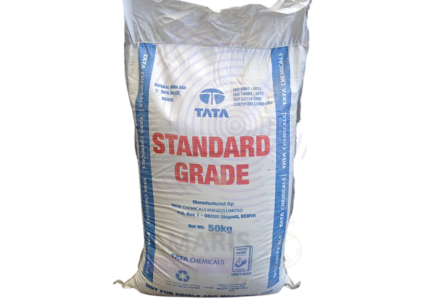
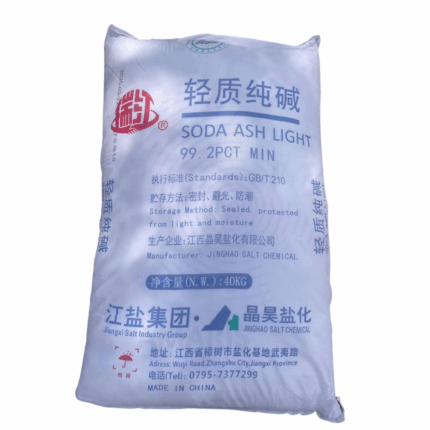
Sodium Carbonate (Magadi Soda)
Sodium Carbonate (Magadi Soda) is an inorganic white powder with the chemical formula Na₂CO₃. It is a key industrial alkali used in glass manufacturing, water treatment, and chemical production. This light-density form is highly soluble and reacts with acids to form salts, making it essential for pH regulation and as a cleaning agent in various industrial processes.

Toluene Diisocyanate
Toluene Diisocyanate is a highly reactive chemical compound primarily used as a key raw material in the production of polyurethane foams. It is a colorless to pale yellow liquid with a pungent odor and is valued for its ability to react with polyols to form flexible and rigid polyurethane products. TDI’s versatility makes it indispensable in industries like furniture, automotive, insulation, and coatings.












