Preservatives(food)
 Flavors
 Acidulants
 Sweeteners
 Antioxidants
 Colorants(food)
 Nutraceutical Ingredients (food)
 Nutrient Supplements
 Emulsifiers
 Collectors
 Dust Suppressants
 Explosives and Blasting Agents
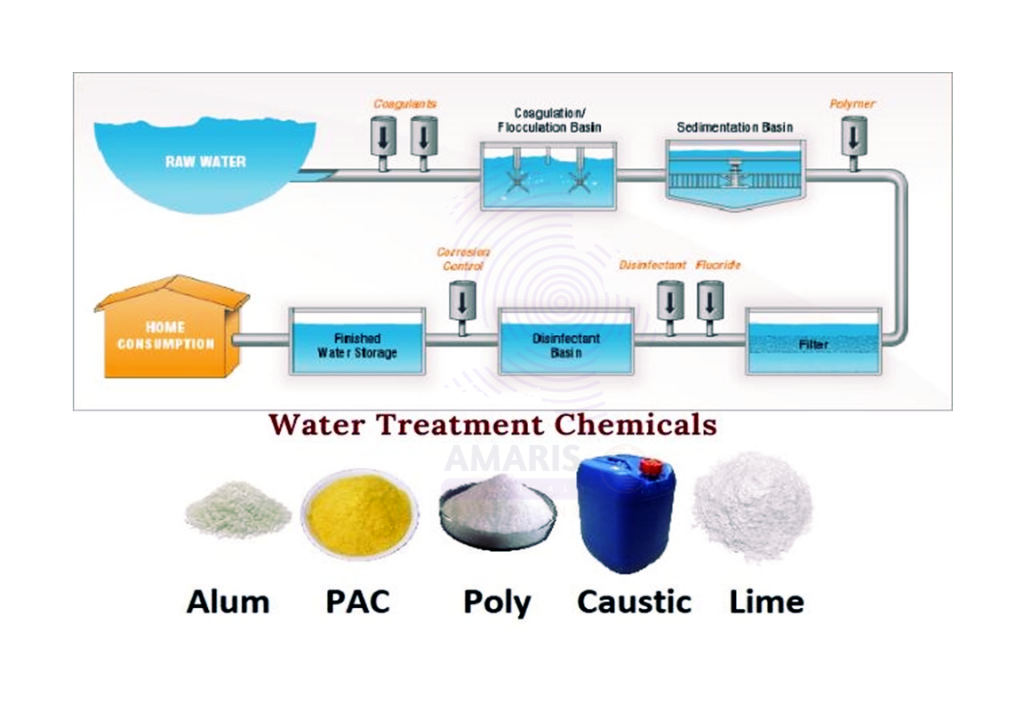
 Flocculants and Coagulants
 Frothers
 Leaching Agents
 pH Modifiers
 Precious Metal Extraction Agents
 Antioxidants(plastic)
 Colorants (Pigments, Dyes)
 Fillers and Reinforcements
 Flame Retardants
 Monomers
 Plasticizers
 Polymerization Initiators
 Stabilizers (UV, Heat)
 Antifoaming Agents
 Chelating Agents
 Coagulants and Flocculants
 Corrosion Inhibitors
 Disinfectants and Biocides
 Oxidizing Agents
 pH Adjusters
 Scale Inhibitors( water)
 Antioxidants(cosmetic)
 Emollients
 Oils
Oils Carrier Oills
 Essential Oils
 Humectants
 Preservatives
 Surfactants(cosmetic)
 Thickeners
 UV Filters
 Fragrance (Cosmetics)
 Fertilizers
 Soil Conditioners
 Plant Growth Regulators
 Animal Feed Additives
 Biostimulants
 Pesticides (Herbicides, Insecticides, Fungicides)
 Active Pharmaceutical Ingredients (APIs)
 Excipients
 Solvents(pharmaceutical)
 Antibiotics
 Antiseptics and Disinfectants
 Vaccine Adjuvants
 Nutraceutical Ingredients (pharmaceutical)
 Analgesics & Antipyretics
 Analytical Reagents
 Solvents(lab)
 Chromatography Chemicals
 Spectroscopy Reagents
 microbiology-and-cell-culture-reagents
 Molecular Biology Reagents
 Biochemical Reagents
 Inorganic and Organic Standards
 Laboratory Safety Chemicals
 Specialty Laboratory Chemicals(Special Laboratory Equipment)
 Demulsifiers
 Hydraulic Fracturing Fluids
 Scale Inhibitors(oil)
 Surfactants(oil)
 Drilling Fluids
 Dyes and Pigments
 Bleaching Agents
 Softening Agents
 Finishing Agents
 Antistatic Agents
 Admixtures
 Waterproofing Agents
 Sealants and Adhesives
 Curing Compounds
 Concrete Repair Chemicals
 Anti-Corrosion Coatings
 Surfactants(cleaning)
 Builders
 Enzymes
 Solvents (Cleaning)
 Electronic Chemicals
 Catalysts
 Lubricants
 Photographic Chemicals
 Refrigerants
 Automotive chemicals
 Pyrotechnic Chemicals
 Biodegradable Surfactants
 Bio-based Solvents
 Renewable Polymers
 Carbon Capture Chemicals
 Wastewater Treatment Chemicals
 Pigments
 Solvents(paint)
 Specialty Coatings
 Binders/Resins
 Additives
 Driers
 Anti-Corrosion Agents
 Functional Coatings
 Application-Specific Coatings
 Leavening Agents
 Dough Conditioners
 Flour Treatments
 Fat Replacers
 Decoratives
 Preservatives(baking)
 Plasticizers & Softeners
 Reinforcing Agents
 Adhesion Promoters
 Vulcanizing Agents
 Antidegradants
 Blowing Agents
 Fillers & Extenders
 Accelerators & Retarders
Digital Transformation in the Chemical Industry: How AI and Data Are Changing Manufacturing 🤖🧪

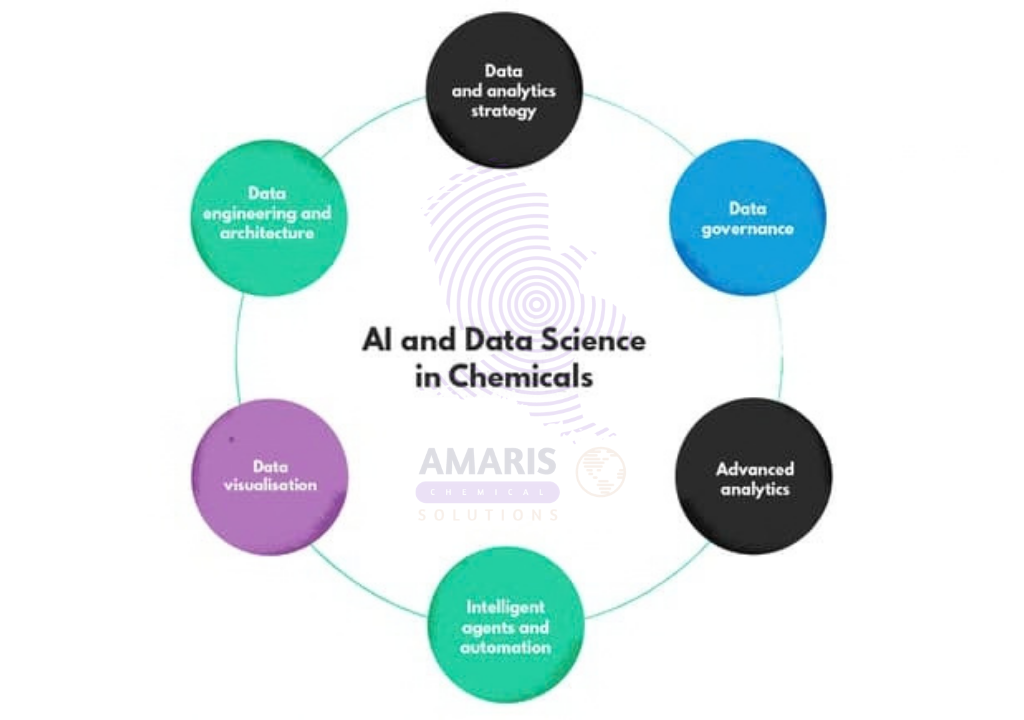
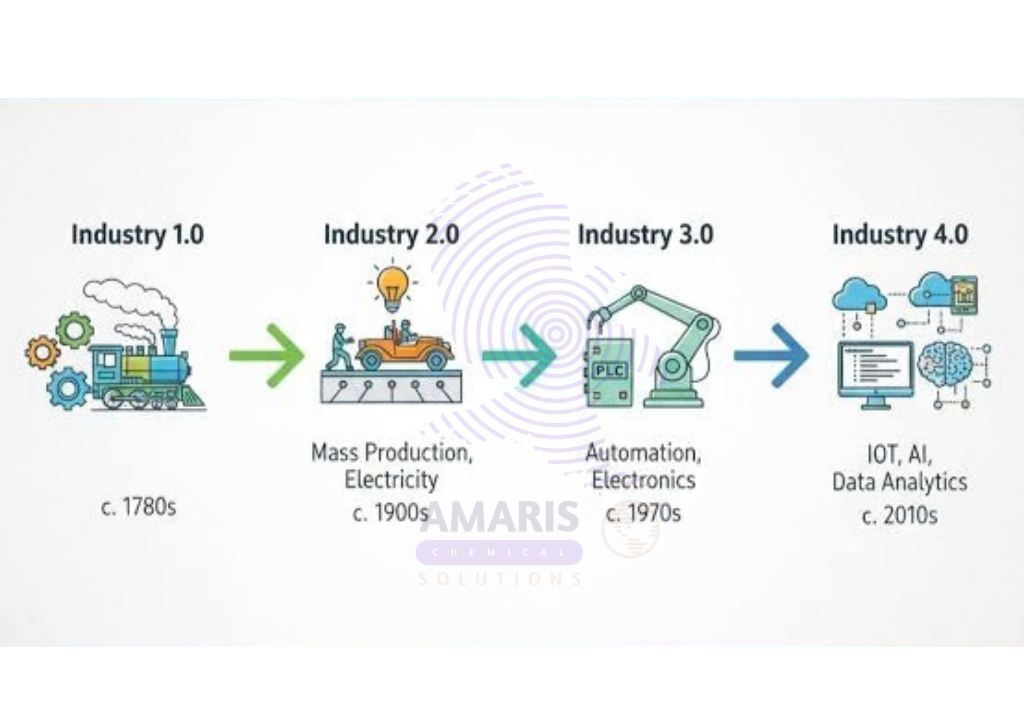
The chemical industry is entering a new era where data, automation, artificial intelligence (AI), and digital technologies are becoming increasingly important to manufacturing. Chemical production has traditionally relied on carefully controlled processes, experienced operators, laboratory testing, and detailed quality procedures. Today, digital tools are adding another layer of intelligence to these operations.
For manufacturers, digital transformation is not simply about replacing traditional processes with technology. It is about using information more effectively to improve efficiency, quality, safety, and decision-making. 🏭📊
How Is AI Changing Chemical Manufacturing?
Artificial intelligence can process large amounts of information and identify patterns that may be difficult to detect manually. In chemical manufacturing, this can support areas such as production monitoring, quality control, maintenance, demand forecasting, and process optimization.
For example, AI systems can analyse production data and identify changes that may indicate an emerging process problem. This can allow operators to investigate potential issues before they develop into significant production disruptions.
AI can also support manufacturers in analysing historical production data to understand which operating conditions are associated with better efficiency or more consistent product quality.
Predictive Maintenance and Smarter Equipment 🔧
Equipment failure can be costly for manufacturers. Unexpected breakdowns can interrupt production, delay deliveries, and increase maintenance expenses.
Digital sensors and data-analysis systems can monitor equipment performance, including variables such as temperature, pressure, vibration, and operating conditions. When unusual patterns are detected, manufacturers may be able to schedule maintenance before a major failure occurs.
This approach, known as predictive maintenance, can help move industrial maintenance from simply reacting to breakdowns toward anticipating potential problems.
Better Quality Control
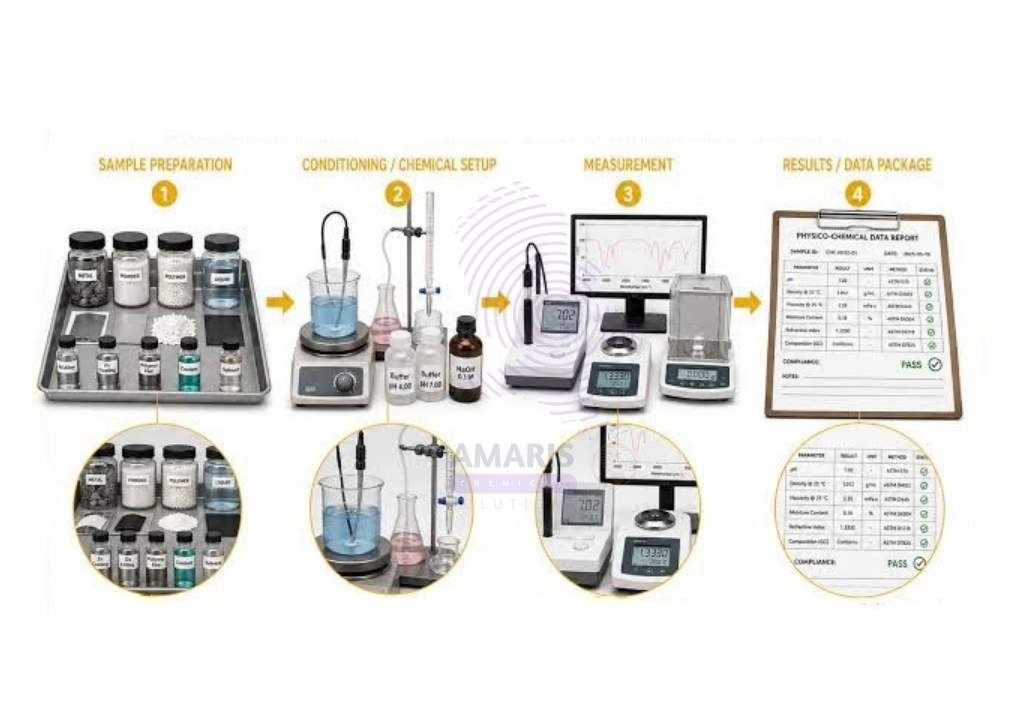
Quality control is another area where digital technologies can make a significant difference. Chemical manufacturers routinely collect information from laboratory tests, production processes, raw-material inspections, and finished-product analysis.
Connecting this information digitally can make it easier to identify trends and investigate variations between batches. 🔬
Instead of relying on isolated records, manufacturers can build a more complete picture of how raw materials, processing conditions, and equipment performance influence the final product.
This is particularly valuable when consistency is critical, such as in pharmaceutical, food, cosmetic, laboratory, and specialty chemical manufacturing.
Improving Supply-Chain Management 🌍
Chemical manufacturing depends on reliable supplies of raw materials. Disruptions can affect production schedules, costs, and customer deliveries.
Data-driven systems can help businesses monitor inventory levels, analyse purchasing patterns, forecast demand, and identify potential supply challenges. This can help manufacturers make more informed decisions about when and how much material to order.
Digital traceability can also connect raw-material information with production batches, certificates, and quality records, creating greater visibility throughout the supply chain.
Energy and Resource Efficiency
Chemical processes can consume significant amounts of energy and water. Digital monitoring can help manufacturers understand where these resources are being used and identify opportunities for improvement.
Real-time data can reveal unusual consumption patterns or inefficient operating conditions. When combined with process optimization, this information can support efforts to reduce energy use, minimize waste, and improve overall resource efficiency. 🌱
What About Kenya and Africa?
Digital transformation is not limited to large multinational chemical companies. Manufacturers across Kenya and Africa can increasingly benefit from technologies such as cloud-based inventory systems, digital quality records, automated monitoring, and data analytics.
However, successful adoption requires more than purchasing software. Businesses also need reliable data, suitable infrastructure, cybersecurity measures, skilled personnel, and clear processes for using digital information effectively.
For smaller manufacturers, starting with practical applications such as digital inventory management, batch tracking, customer data, or production monitoring can provide a foundation for broader digital transformation.
The Future of Chemical Manufacturing
AI and data are unlikely to replace the expertise of chemists, engineers, laboratory professionals, and production teams. Instead, they can provide these professionals with better information to support their decisions.
The future chemical factory will increasingly combine human expertise with digital intelligence—using technology to monitor processes, identify patterns, improve efficiency, and respond to changing production requirements.
For the chemical industry, digital transformation represents an opportunity to make manufacturing smarter, more connected, and more efficient. 🤖🧪🌍