

 Preservatives(food)
 Flavor Enhancers
 Acidulants
 Sweeteners
 Antioxidants
 Colorants(food)
 Nutraceutical Ingredients (food)
 Nutrient Supplements
 Emulsifiers
 Collectors
 Dust Suppressants
 Explosives and Blasting Agents
 Flocculants and Coagulants
 Frothers
 Leaching Agents
 pH Modifiers
 Precious Metal Extraction Agents
 Antioxidants(plastic)
 Colorants (Pigments, Dyes)
 Fillers and Reinforcements
 Flame Retardants
 Monomers
 Plasticizers
 Polymerization Initiators
 Stabilizers (UV, Heat)
 Antifoaming Agents
 Chelating Agents
 Coagulants and Flocculants
 Corrosion Inhibitors
 Disinfectants and Biocides
 Oxidizing Agents
 pH Adjusters
 Scale Inhibitors( water)
 Antioxidants(cosmetic)
 Emollients
 Fragrances and Essential Oils
 Humectants
 Preservatives
 Surfactants(cosmetic)
 Thickeners
 UV Filters
 Fertilizers
 Soil Conditioners
 Plant Growth Regulators
 Animal Feed Additives
 Biostimulants
 Pesticides (Herbicides, Insecticides, Fungicides)
 Active Pharmaceutical Ingredients (APIs)
 Excipients
 Solvents(pharmaceutical)
 Antibiotics
 Antiseptics and Disinfectants
 Vaccine Adjuvants
 Nutraceutical Ingredients (pharmaceutical)
 Analgesics & Antipyretics
 Analytical Reagents
 Solvents(lab)
 Chromatography Chemicals
 Spectroscopy Reagents
 microbiology-and-cell-culture-reagents
 Molecular Biology Reagents
 Biochemical Reagents
 Inorganic and Organic Standards
 Laboratory Safety Chemicals
 Specialty Laboratory Chemicals(Special Laboratory Equipment)
 Demulsifiers
 Hydraulic Fracturing Fluids
 Scale Inhibitors(oil)
 Surfactants(oil)
 Drilling Fluids
 Dyes and Pigments
 Bleaching Agents
 Softening Agents
 Finishing Agents
 Antistatic Agents
 Admixtures
 Waterproofing Agents
 Sealants and Adhesives
 Curing Compounds
 Concrete Repair Chemicals
 Anti-Corrosion Coatings
 Surfactants(cleaning)
 Builders
 Enzymes
 Solvents (Cleaning)
 Fragrances
 Electronic Chemicals
 Catalysts
 Lubricants
 Photographic Chemicals
 Refrigerants
 Automotive chemicals
 Pyrotechnic Chemicals
 Biodegradable Surfactants
 Bio-based Solvents
 Renewable Polymers
 Carbon Capture Chemicals
 Wastewater Treatment Chemicals
 Pigments
 Solvents(paint)
 Specialty Coatings
 Binders/Resins
 Additives
 Driers
 Anti-Corrosion Agents
 Functional Coatings
 Application-Specific Coatings
 Leavening Agents
 Dough Conditioners
 Flour Treatments
 Fat Replacers
 Decoratives
 Preservatives(baking)
 Plasticizers & Softeners
 Reinforcing Agents
 Adhesion Promoters
 Vulcanizing Agents
 Antidegradants
 Blowing Agents
 Fillers & Extenders
 Accelerators & Retarders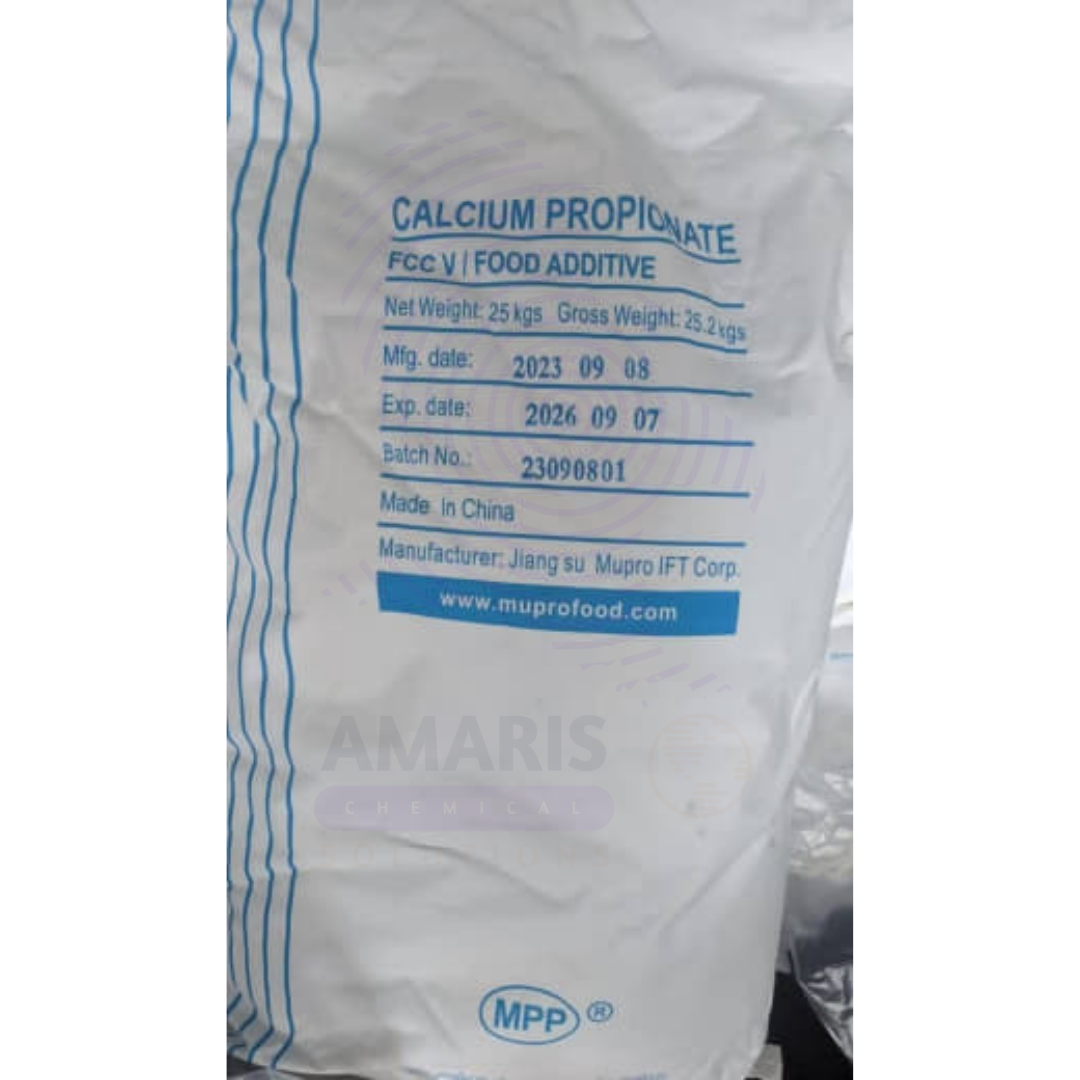

Calcium Propionate
Calcium Propionate is the calcium salt of propionic acid, appearing as a white, crystalline powder or granules with a slightly salty taste and low odor. It is highly soluble in water and used primarily as a food preservative and mold inhibitor. Calcium Propionate inhibits the growth of mold, bacteria, and fungi, making it especially valuable in baked goods, dairy products, and animal feed to extend shelf life and prevent spoilage. It also finds application in pharmaceuticals and cosmetics as a preservative and antimicrobial agent.
Calcium Propionate
Primary Uses
- Food Industry
- Widely used as a preservative in bread, baked goods, and other flour-based products to prevent mold and bacterial growth.
- Used in processed cheese and dairy products to inhibit fungal contamination and extend shelf life.
- Added to animal feed to prevent mold and bacterial spoilage, ensuring feed quality and safety.
- Pharmaceutical Industry
- Employed as a preservative in various pharmaceutical formulations to prevent microbial contamination.
- Cosmetics and Personal Care
- Used as a preservative in creams, lotions, and other cosmetic products to maintain microbial stability.
Secondary Uses
- Agriculture
- Utilized as a feed additive to improve silage quality and prevent spoilage during storage.
- Industrial Applications
- Occasionally used in adhesives and paper products as a mold inhibitor.
- Research
- Studied for its antimicrobial properties and potential applications in food safety and preservation technologies.
1. Basic Identification Attributes
- Chemical Name (IUPAC): Calcium propanoate
- Common/Trade Name: Calcium Propionate
- CAS Number: 4075-81-4
- HS Code: 2915.22.00
- Molecular Formula: C6H10CaO4
- Synonyms:
- Calcium propanoate
- E282 (food additive code)
- Propionic acid calcium salt
2. Physical & Chemical Properties
- Physical State: Crystalline powder or granules
- Color & Odor: White; slight odor typical of propionates
- Melting Point: 250–265°C (decomposes)
- Density: Approximately 1.5 g/cm³
- Solubility: Soluble in water (approximately 55 g/100 mL at 20°C); insoluble in ethanol
- pH (aqueous solution): Slightly alkaline (pH ~6.5–8.5)
- Stability: Stable under normal storage conditions; sensitive to strong acids and high temperatures
3. Safety & Hazard Attributes
- Hazard Class (GHS): Not classified as hazardous; generally recognized as safe (GRAS) in food use
- NFPA Ratings:
- Health: 1
- Flammability: 1
- Reactivity: 0
- Exposure Limits: No specific OSHA/ACGIH limits; avoid inhalation of dust
- Toxicity: Low acute toxicity; large doses may cause mild gastrointestinal irritation
- Reactivity: Stable; avoid reaction with strong oxidizers and acids
4. Storage & Handling Attributes
- Storage Conditions: Store in a cool, dry place, away from moisture and incompatible substances
- Container Type: Airtight containers such as plastic or coated metal drums
- Shelf Life: Typically 2–3 years if stored properly
- Special Handling: Use PPE when handling powder; avoid dust generation and inhalation
5. Regulatory & Compliance Attributes
- FDA Status: Approved food additive (E282) for use as a preservative in many countries
- EFSA: Approved as a food preservative in the European Union
- Transportation: Not classified as hazardous
- Waste Disposal: Dispose in accordance with local regulations for non-hazardous waste
6. Environmental & Health Impact
- Ecotoxicity: Low toxicity to aquatic life; biodegradable
- Persistence: Biodegradable under aerobic conditions
- Bioaccumulation: Not expected to bioaccumulate
- Carcinogenicity/Mutagenicity: Not classified as carcinogenic or mutagenic
- Biodegradability: Biodegradable in the environment
Safety Handling Precautions
Personal Protective Equipment (PPE):
- Gloves
- Protective goggles
- Dust mask or respirator if dust generation is possible
- Protective clothing
Handling Measures:
- Avoid inhalation of dust and prolonged skin contact
- Work in well-ventilated areas
- Use local exhaust ventilation if dust is generated
Storage Measures:
- Keep container tightly closed
- Protect from moisture and humidity
- Store away from acids and strong oxidizing agents
Hygiene Practices:
- Wash hands after handling
- Do not eat, drink, or smoke while handling
First Aid Measures
- Inhalation: Move to fresh air; seek medical attention if breathing difficulties occur
- Skin Contact: Wash thoroughly with soap and water; seek medical advice if irritation persists
- Eye Contact: Rinse with plenty of water for at least 15 minutes; seek medical attention if irritation continues
- Ingestion: Rinse mouth; seek medical advice if large amounts are ingested or symptoms develop
Firefighting Measures
- Fire Hazards: Combustible under fire conditions
- Extinguishing Media: Use water spray, foam, dry chemical, or CO₂ as appropriate for surrounding fire
- Special Precautions: Firefighters should wear protective gear and self-contained breathing apparatus if necessary
- Decomposition Products: May emit carbon oxides and calcium oxides under fire conditions
Related products
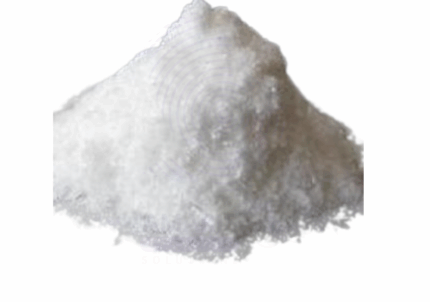
Carbocisteine AJI 92
Carbocisteine AJI 92 is a high-purity pharmaceutical-grade amino acid derivative, chemically known as S-carboxymethyl-L-cysteine. It is a white to off-white crystalline powder with a slightly sulfurous odor and is freely soluble in water. Carbocisteine functions primarily as a mucolytic agent—reducing the viscosity of mucus and promoting expectoration in respiratory tract infections. The "AJI 92" specification refers to its compliance with the purity standards established by Ajinomoto's amino acid quality benchmarks, ensuring it meets stringent pharmaceutical-grade quality control for active pharmaceutical ingredients (APIs). It is widely used in oral syrups, tablets, and granules in both human and veterinary medicine.
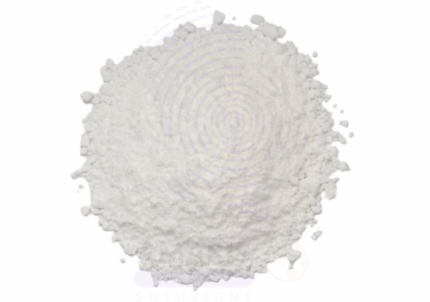
Clotrimazole BP2000
Clotrimazole BP2000 is a broad-spectrum antifungal agent belonging to the imidazole class. It appears as a white to off-white crystalline powder that is practically insoluble in water but soluble in organic solvents like ethanol and chloroform. Clotrimazole is widely used in pharmaceutical formulations for the treatment of fungal infections affecting the skin, mucous membranes, and nails. Its mechanism involves inhibition of ergosterol synthesis, a vital component of fungal cell membranes, leading to increased cell permeability and fungal cell death. BP2000 indicates compliance with British Pharmacopoeia standards ensuring high purity and consistent quality suitable for pharmaceutical applications.
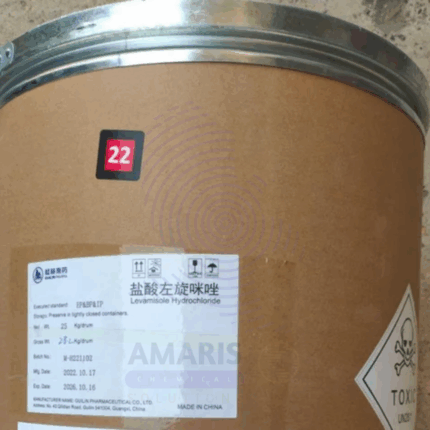
Levamisole Hcl BP2000
Levamisole Hcl BP2000 is a white to off-white crystalline powder, soluble in water, with anthelmintic and immunomodulatory properties. It is primarily used as a veterinary antiparasitic agent effective against gastrointestinal nematodes in livestock. Levamisole HCL BP2000 conforms to British Pharmacopoeia standards, ensuring high purity and quality for pharmaceutical and veterinary formulations. Beyond veterinary uses, it is also researched for immunostimulant properties in medical applications.
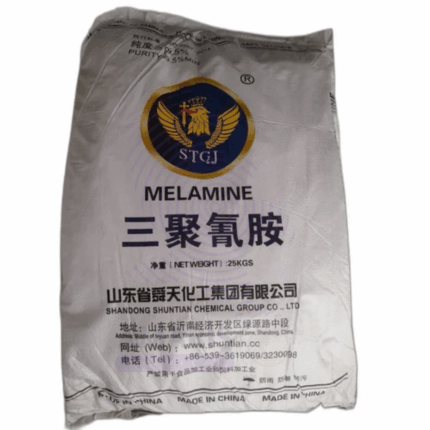
Melamine
Melamine is an organic compound widely used as a raw material in the production of melamine-formaldehyde resins, laminates, adhesives, coatings, and flame retardants. It offers excellent hardness, thermal stability, and chemical resistance. Supplied in 25kg bags, melamine is a white crystalline powder with high nitrogen content, making it a valuable additive in plastics, construction materials, and surface treatments.
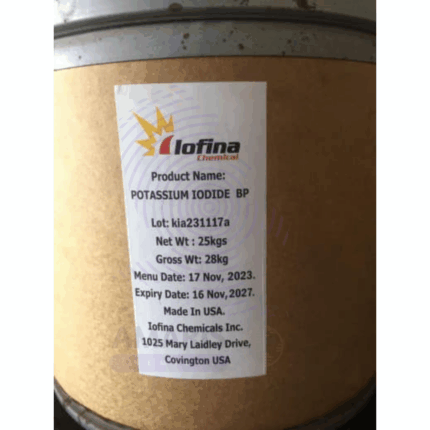
Potassium Iodide
Potassium Iodide is a white, crystalline inorganic salt that serves as a vital source of iodine. It is widely used in medical, pharmaceutical, nutritional, and industrial fields. Potassium Iodide is highly soluble in water and is used both as a dietary supplement to prevent iodine deficiency and as a protective agent against radioactive iodine exposure. It also finds applications in chemical synthesis and photographic processes.

Potassium Sorbate FCC
Potassium Sorbate FCC (Food Chemical Codex) is the potassium salt of sorbic acid, a white crystalline powder widely used as a food preservative. It effectively inhibits the growth of molds, yeasts, and some bacteria, thus extending the shelf life of various food and beverage products. Known for its low toxicity and minimal impact on flavor, Potassium Sorbate is a preferred preservative in food, cosmetics, and pharmaceutical industries.
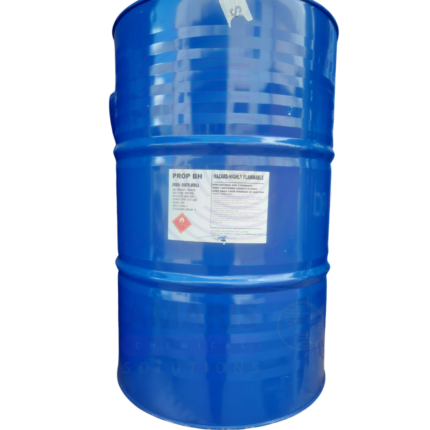
Propylparaben (Prop BH)
Prop BH, also known as Propylparaben or Propyl 4-Hydroxybenzoate, is an organic compound belonging to the paraben family of preservatives. It appears as colorless small crystals or a white crystalline powder with a characteristic mild odor and a slightly bitter taste. The compound is practically insoluble in cold water but readily soluble in alcohols, ethers, and other organic solvents. Propylparaben is widely recognized for its broad-spectrum antimicrobial activity, particularly effective against molds, yeasts, and bacteria. Propylparaben is manufactured for use as a preservative in various industrial applications and is not intended for direct human consumption without appropriate certification.

Sodium Sulphite (Blue)
Sodium Sulphite Blue is a white to bluish-white crystalline powder with the chemical formula Na₂SO₃. The “Blue” grade indicates a specific industrial quality often containing minor additives or impurities, used primarily in water treatment and chemical industries. It acts as an effective oxygen scavenger, reducing agent, and preservative. This 25kg packaged product is highly soluble in water, forming alkaline solutions, and is widely used in pulp and paper, water treatment, textile, and photographic industries.












