

 Preservatives(food)
 Flavor Enhancers
 Acidulants
 Sweeteners
 Antioxidants
 Colorants(food)
 Nutraceutical Ingredients (food)
 Nutrient Supplements
 Emulsifiers
 Collectors
 Dust Suppressants
 Explosives and Blasting Agents
 Flocculants and Coagulants
 Frothers
 Leaching Agents
 pH Modifiers
 Precious Metal Extraction Agents
 Antioxidants(plastic)
 Colorants (Pigments, Dyes)
 Fillers and Reinforcements
 Flame Retardants
 Monomers
 Plasticizers
 Polymerization Initiators
 Stabilizers (UV, Heat)
 Antifoaming Agents
 Chelating Agents
 Coagulants and Flocculants
 Corrosion Inhibitors
 Disinfectants and Biocides
 Oxidizing Agents
 pH Adjusters
 Scale Inhibitors( water)
 Antioxidants(cosmetic)
 Emollients
 Fragrances and Essential Oils
 Humectants
 Preservatives
 Surfactants(cosmetic)
 Thickeners
 UV Filters
 Fertilizers
 Soil Conditioners
 Plant Growth Regulators
 Animal Feed Additives
 Biostimulants
 Pesticides (Herbicides, Insecticides, Fungicides)
 Active Pharmaceutical Ingredients (APIs)
 Excipients
 Solvents(pharmaceutical)
 Antibiotics
 Antiseptics and Disinfectants
 Vaccine Adjuvants
 Nutraceutical Ingredients (pharmaceutical)
 Analgesics & Antipyretics
 Analytical Reagents
 Solvents(lab)
 Chromatography Chemicals
 Spectroscopy Reagents
 microbiology-and-cell-culture-reagents
 Molecular Biology Reagents
 Biochemical Reagents
 Inorganic and Organic Standards
 Laboratory Safety Chemicals
 Specialty Laboratory Chemicals(Special Laboratory Equipment)
 Demulsifiers
 Hydraulic Fracturing Fluids
 Scale Inhibitors(oil)
 Surfactants(oil)
 Drilling Fluids
 Dyes and Pigments
 Bleaching Agents
 Softening Agents
 Finishing Agents
 Antistatic Agents
 Admixtures
 Waterproofing Agents
 Sealants and Adhesives
 Curing Compounds
 Concrete Repair Chemicals
 Anti-Corrosion Coatings
 Surfactants(cleaning)
 Builders
 Enzymes
 Solvents (Cleaning)
 Fragrances
 Electronic Chemicals
 Catalysts
 Lubricants
 Photographic Chemicals
 Refrigerants
 Automotive chemicals
 Pyrotechnic Chemicals
 Biodegradable Surfactants
 Bio-based Solvents
 Renewable Polymers
 Carbon Capture Chemicals
 Wastewater Treatment Chemicals
 Pigments
 Solvents(paint)
 Specialty Coatings
 Binders/Resins
 Additives
 Driers
 Anti-Corrosion Agents
 Functional Coatings
 Application-Specific Coatings
 Leavening Agents
 Dough Conditioners
 Flour Treatments
 Fat Replacers
 Decoratives
 Preservatives(baking)
 Plasticizers & Softeners
 Reinforcing Agents
 Adhesion Promoters
 Vulcanizing Agents
 Antidegradants
 Blowing Agents
 Fillers & Extenders
 Accelerators & Retarders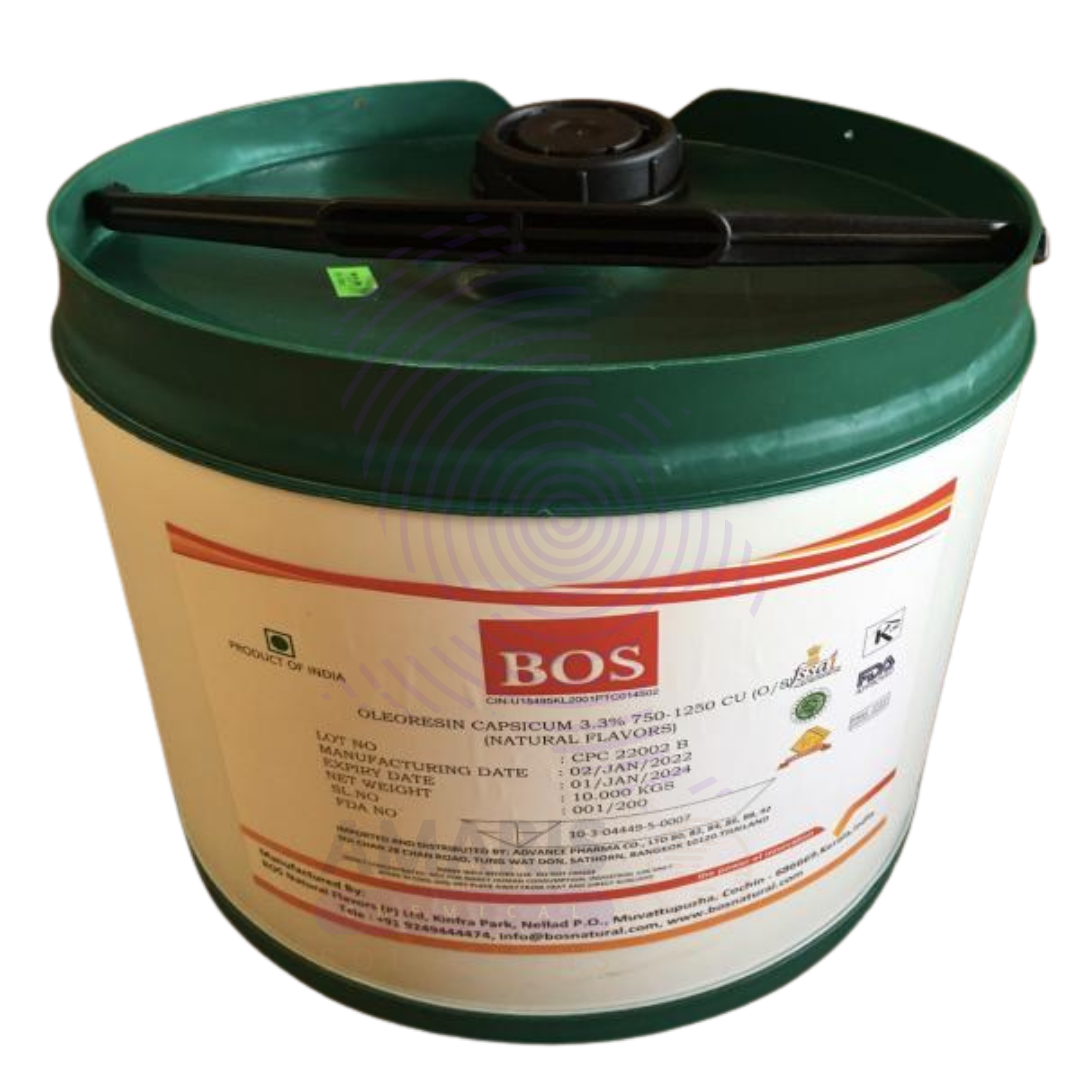



Capsicum Oleoresin
Capsicum Oleoresin is a concentrated extract derived from the dried fruits of Capsicum annuum or Capsicum frutescens (chili peppers). It is a dark red to brownish oily liquid containing approximately 8% capsaicinoids—primarily capsaicin and dihydrocapsaicin—which are the primary pungent components. This oleoresin is widely used for its flavoring, coloring, medicinal, and irritant properties in the food, pharmaceutical, veterinary, and defense industries. It is produced by solvent extraction followed by standardization to achieve consistent pungency levels. The product is highly potent and must be handled with care due to its intense irritant nature.
Capsicum Oleoresin
Primary Uses
- Food Industry
- Used as a natural flavoring and pungency agent in sauces, seasonings, marinades, and spice blends.
- Acts as a natural colorant, imparting a rich red hue to food products.
- Commonly used in processed meats, snacks, and ready-to-eat meals for heat enhancement.
- Preferred in oleoresin form for uniformity and ease of blending in food manufacturing.
- Pharmaceuticals & Therapeutics
- Incorporated into topical creams and gels for pain relief in arthritis, muscle strains, and neuropathic conditions due to capsaicin’s analgesic effects.
- Used in transdermal patches for localized pain management.
- Investigated for metabolism-boosting and anti-obesity effects in dietary supplements.
- Veterinary Medicine
- Used in topical liniments and rubefacients for animals to relieve musculoskeletal pain.
- Acts as a deterrent in training tools to prevent self-injury or overgrooming.
- Defense & Law Enforcement
- Formulated into pepper sprays and riot-control agents due to its potent irritant properties.
- Causes temporary blindness, breathing discomfort, and intense burning sensations for crowd control.
Secondary Uses
- Cosmetics & Personal Care
- Used in slimming gels and anti-cellulite creams for its thermogenic and circulation-enhancing properties.
- Occasionally found in warming products like foot soaks and massage oils.
- Agriculture & Pest Repellents
- Used in natural pest deterrents and animal repellents to protect crops from herbivores and insects.
- Research
- Utilized in studies involving TRPV1 receptors and pain pathways.
- Applied in pharmacological research to study desensitization and inflammation.
1. Basic Identification Attributes
- Chemical Name (IUPAC): Mixture of capsaicinoids extracted from Capsicum species
- Common/Trade Name: Capsicum Oleoresin 8%, Chili Extract, Pepper Oleoresin
- CAS Number: 8023-77-6
- HS Code: 3301.90.90
- Molecular Formula: Variable (mixture; primarily C18H27NO3 for capsaicin)
- Synonyms:
- Capsicum Extract 8%
- Oleoresin Capsicum
- Chili Oleoresin
- Pepper Extract
- Capsaicin Extract 8%
2. Physical & Chemical Properties
- Physical State: Viscous oily liquid
- Color & Odor: Deep red to brownish-red; strong, pungent odor
- Melting Point: Not applicable
- Boiling Point: >200°C (decomposes)
- Density: ~0.92–0.96 g/cm³
- Solubility:
- Insoluble in water
- Soluble in oils, ethanol, and organic solvents
- Capsaicinoid Content: ~8% total (capsaicin and dihydrocapsaicin)
- Scoville Heat Units (SHU): ~500,000 – 1,000,000 SHU
- Stability: Stable when stored away from heat, light, and moisture
3. Safety & Hazard Attributes
- Hazard Class (GHS):
- Skin Irritant (Category 2)
- Eye Irritant (Category 2A)
- Respiratory Irritant (if aerosolized)
- NFPA Ratings:
- Health: 2
- Flammability: 2
- Reactivity: 0
- Exposure Limits: No established OSHA/ACGIH limits
- Toxicity: Low systemic toxicity; highly irritating on contact with skin, eyes, and mucosa
- Reactivity: Non-reactive under normal conditions
4. Storage & Handling Attributes
- Storage Conditions: Store in a cool, dry, and well-ventilated area away from direct sunlight and ignition sources
- Container Type: HDPE, aluminum, or amber glass containers with tight seals
- Shelf Life: 24–36 months under proper storage conditions
- Special Handling: Use PPE; avoid inhalation, ingestion, or contact with eyes and skin
5. Regulatory & Compliance Attributes
- FDA Status: Approved for use as a flavoring agent (21 CFR 582.10)
- Food Additive (EU): Permitted under Regulation (EC) No. 1334/2008
- REACH Registration: Registered depending on region and use
- Transportation: Not classified as hazardous, but may be regulated in large quantities
- Waste Disposal: Dispose of according to local hazardous waste guidelines
6. Environmental & Health Impact
- Ecotoxicity: Low; not expected to bioaccumulate or harm aquatic life in small quantities
- Persistence: Biodegradable; breaks down in soil and water over time
- Bioaccumulation: Not expected
- Carcinogenicity/Mutagenicity: Not classified as carcinogenic; no evidence of genotoxicity at standard exposure levels
- Biodegradability: Yes, naturally derived and biodegradable
Safety Handling Precautions
Personal Protective Equipment (PPE):
- Chemical-resistant gloves
- Safety goggles or face shield
- Lab coat or apron
- Respirator or mask if vapors/aerosol are present
Handling Measures:
- Avoid all direct skin and eye contact
- Work in well-ventilated areas or fume hood
- Do not ingest or inhale vapors
Storage Measures:
- Keep container tightly closed
- Store away from heat and incompatible substances
- Label clearly as irritant
Hygiene Practices:
- Wash hands thoroughly after handling
- Avoid touching face, eyes, or mucous membranes during handling
- Do not eat, drink, or smoke near the product
First Aid Measures
- Inhalation: Move to fresh air. Seek medical attention if respiratory irritation or difficulty occurs.
- Skin Contact: Wash immediately with soap and cold water. Avoid hot water, which can intensify burning.
- Eye Contact: Rinse thoroughly with cool water for at least 15 minutes. Seek medical attention immediately.
- Ingestion: Rinse mouth thoroughly. Do not induce vomiting. Seek immediate medical attention.
Firefighting Measures
- Fire Hazards: Combustible liquid
- Extinguishing Media: Dry chemical, CO₂, foam, or water spray
- Special Precautions: Use protective gear and SCBA
- Decomposition Products: Carbon oxides, nitrogen oxides, and acrid smoke
Related products
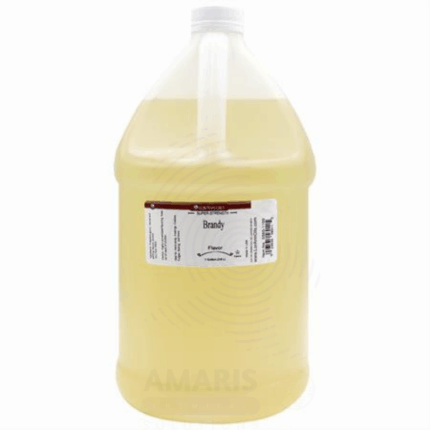
Brandy Liquid Flavor
Brandy Liquid Flavor is a premium food-grade liquid flavor designed to replicate the rich, smooth, and aromatic profile of brandy. It is formulated to provide authentic flavor notes characteristic of aged brandy, including fruity, woody, and slightly spicy undertones. This flavor is ideal for use in a variety of food and beverage applications such as baked goods, confectionery, dairy products, and beverages, offering consistent taste and excellent stability in different formulations.
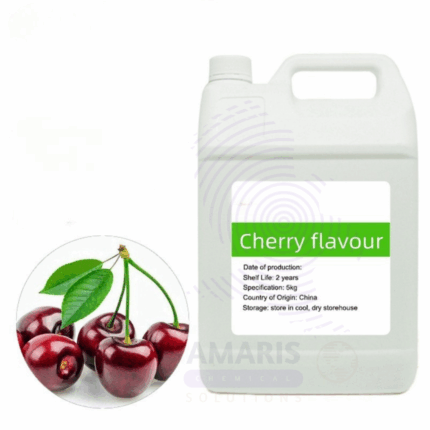
Cherry Sweet Liquid Flavour
Cherry Sweet Liquid Flavour is a high-quality food-grade flavoring agent that delivers the bright, sweet, and fruity aroma characteristic of ripe cherries. Formulated for excellent solubility and stability, it is ideal for enhancing a wide range of food and beverage products. This liquid flavor provides a natural, rich cherry taste that improves the sensory experience in confectionery, beverages, bakery items, dairy products, and more.
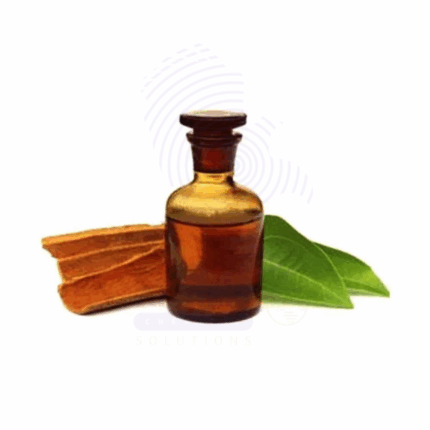
Cinnamon Leaf Oil
Cinnamon Leaf Oil is an essential oil obtained by steam distillation of the leaves of the Cinnamomum zeylanicum or Cinnamomum verum tree. It has a warm, spicy, and slightly sweet aroma, distinct from cinnamon bark oil, with high levels of eugenol. This oil is prized for its antimicrobial, antioxidant, and analgesic properties. It is widely used in perfumery, aromatherapy, personal care, and natural medicine.
Used traditionally for respiratory relief, oral health, and topical analgesia, cinnamon leaf oil is now integrated into natural formulations for skincare, oral hygiene, massage, and household cleaning products. Its invigorating scent and therapeutic versatility make it valuable across cosmetic, pharmaceutical, and cleaning industries.
Clove Bud Oil
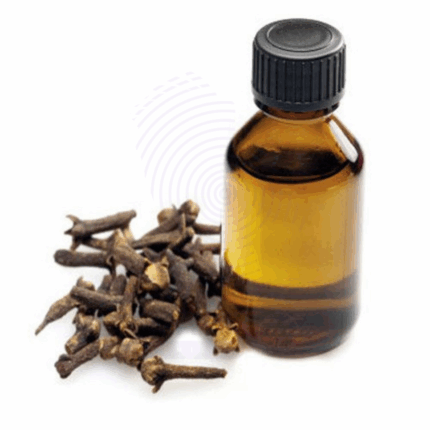
Clove Bud Oil is a potent essential oil obtained through steam distillation of the flower buds of the Syzygium aromaticum (formerly Eugenia caryophyllata) tree. Renowned for its strong, spicy, and warm aroma, it is rich in eugenol — a powerful natural compound with significant antiseptic, analgesic, and antimicrobial properties.
Used historically in dental care, traditional medicine, and perfumery, Clove Bud Oil is now widely applied in cosmetics, oral care, food flavoring, wellness, and natural cleaning products. It is also valued in aromatherapy for its grounding and energizing effects.
Clove Leaf Oil
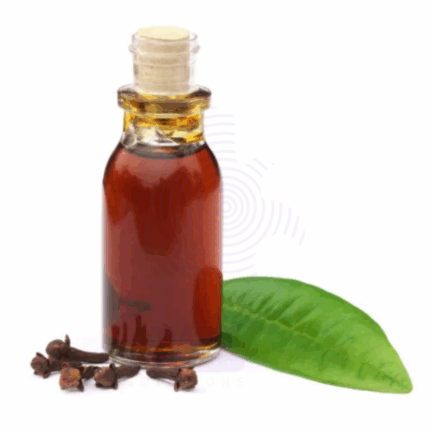
Clove Leaf Oil is a high-phenol essential oil extracted via steam distillation from the leaves of Syzygium aromaticum (formerly Eugenia caryophyllata). It typically contains up to 80–85% eugenol, which gives it a sharper, more herbaceous aroma than clove bud oil. This oil is prized for its potent antiseptic, analgesic, antifungal, and antioxidant properties. Used in oral care, topical formulations, fragrances, cleaning agents, and agricultural applications, it is valued for both its therapeutic efficacy and aromatic profile.
Condence Milk Liquid Flavor
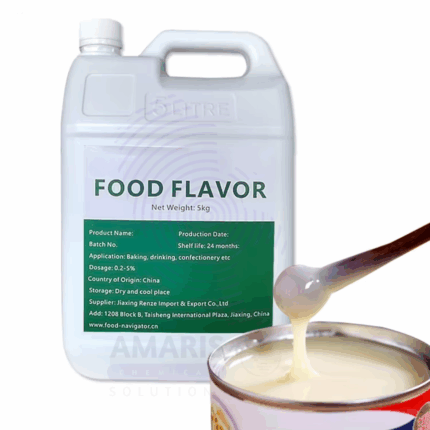
Condence Milk Liquid Flavor is a high-quality food-grade flavoring agent that replicates the rich, creamy, and sweet aroma and taste of traditional condensed milk. It is designed to provide consistent and authentic dairy notes in a liquid form, making it ideal for a wide range of food and beverage applications. This flavor enhances the sensory appeal of bakery items, desserts, confectionery, dairy products, and beverages by adding a smooth, milky sweetness that is both comforting and indulgent.
Cubeb Oil
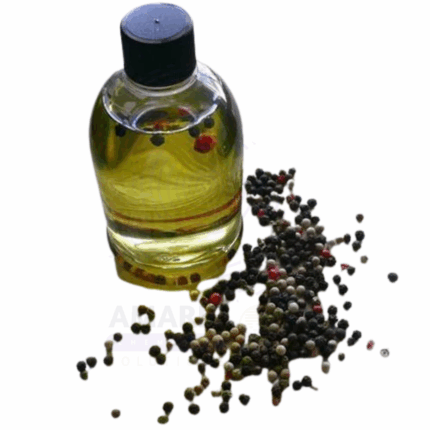
Cubeb Oil is an essential oil steam-distilled from the dried berries of Piper cubeba, a plant native to Java and parts of Southeast Asia. With a warm, spicy, woody, and slightly camphoraceous aroma, Cubeb Oil is rich in sesquiterpenes and monoterpenes such as sabinene, cubebene, and caryophyllene. It has traditionally been used in herbal medicine for respiratory and urinary support and in perfumery for its distinctive spicy-woody scent.
In modern formulations, Cubeb Oil is valued for its antimicrobial, anti-inflammatory, and stimulating properties. It is commonly used in natural perfumery, masculine fragrances, therapeutic massage blends, and respiratory wellness products.
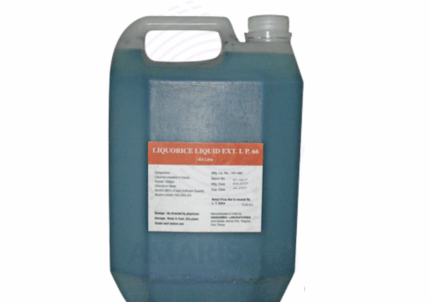
Liquorice
Liquorice is the dried root extract of the Glycyrrhiza glabra plant, known for its distinctive sweet flavor and medicinal properties. It contains glycyrrhizin, a compound that is 30–50 times sweeter than sugar. Liquorice is widely used as a flavoring agent in confectionery, beverages, and tobacco, as well as in traditional and modern medicine for its soothing, anti-inflammatory, and expectorant effects.












