

 Preservatives(food)
 Flavor Enhancers
 Acidulants
 Sweeteners
 Antioxidants
 Colorants(food)
 Nutraceutical Ingredients (food)
 Nutrient Supplements
 Emulsifiers
 Collectors
 Dust Suppressants
 Explosives and Blasting Agents
 Flocculants and Coagulants
 Frothers
 Leaching Agents
 pH Modifiers
 Precious Metal Extraction Agents
 Antioxidants(plastic)
 Colorants (Pigments, Dyes)
 Fillers and Reinforcements
 Flame Retardants
 Monomers
 Plasticizers
 Polymerization Initiators
 Stabilizers (UV, Heat)
 Antifoaming Agents
 Chelating Agents
 Coagulants and Flocculants
 Corrosion Inhibitors
 Disinfectants and Biocides
 Oxidizing Agents
 pH Adjusters
 Scale Inhibitors( water)
 Antioxidants(cosmetic)
 Emollients
 Fragrances and Essential Oils
 Humectants
 Preservatives
 Surfactants(cosmetic)
 Thickeners
 UV Filters
 Fertilizers
 Soil Conditioners
 Plant Growth Regulators
 Animal Feed Additives
 Biostimulants
 Pesticides (Herbicides, Insecticides, Fungicides)
 Active Pharmaceutical Ingredients (APIs)
 Excipients
 Solvents(pharmaceutical)
 Antibiotics
 Antiseptics and Disinfectants
 Vaccine Adjuvants
 Nutraceutical Ingredients (pharmaceutical)
 Analgesics & Antipyretics
 Analytical Reagents
 Solvents(lab)
 Chromatography Chemicals
 Spectroscopy Reagents
 microbiology-and-cell-culture-reagents
 Molecular Biology Reagents
 Biochemical Reagents
 Inorganic and Organic Standards
 Laboratory Safety Chemicals
 Specialty Laboratory Chemicals(Special Laboratory Equipment)
 Demulsifiers
 Hydraulic Fracturing Fluids
 Scale Inhibitors(oil)
 Surfactants(oil)
 Drilling Fluids
 Dyes and Pigments
 Bleaching Agents
 Softening Agents
 Finishing Agents
 Antistatic Agents
 Admixtures
 Waterproofing Agents
 Sealants and Adhesives
 Curing Compounds
 Concrete Repair Chemicals
 Anti-Corrosion Coatings
 Surfactants(cleaning)
 Builders
 Enzymes
 Solvents (Cleaning)
 Fragrances
 Electronic Chemicals
 Catalysts
 Lubricants
 Photographic Chemicals
 Refrigerants
 Automotive chemicals
 Pyrotechnic Chemicals
 Biodegradable Surfactants
 Bio-based Solvents
 Renewable Polymers
 Carbon Capture Chemicals
 Wastewater Treatment Chemicals
 Pigments
 Solvents(paint)
 Specialty Coatings
 Binders/Resins
 Additives
 Driers
 Anti-Corrosion Agents
 Functional Coatings
 Application-Specific Coatings
 Leavening Agents
 Dough Conditioners
 Flour Treatments
 Fat Replacers
 Decoratives
 Preservatives(baking)
 Plasticizers & Softeners
 Reinforcing Agents
 Adhesion Promoters
 Vulcanizing Agents
 Antidegradants
 Blowing Agents
 Fillers & Extenders
 Accelerators & Retarders
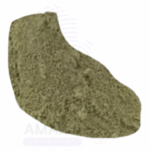
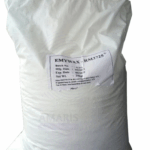


Emulsifier ( Emulgator) NP-9
Emulsifier ( Emulgator) NP-9 is a nonionic surfactant belonging to the family of Nonylphenol Ethoxylates (NPEs), specifically with an average of 9 ethylene oxide (EO) units. It is widely used as an effective emulsifying, wetting, dispersing, and solubilizing agent. NP-9 is typically a pale yellow to amber viscous liquid, soluble in water and various organic solvents. It is valued for its strong emulsifying ability to stabilize oil-in-water (O/W) and water-in-oil (W/O) emulsions, excellent detergency, and good compatibility with other surfactants and formulation ingredients. NP-9 is commonly employed in industrial, agricultural, cosmetic, pharmaceutical, and cleaning applications.
Emulsifier ( Emulgator) NP-9
Primary Uses
- Industrial & Household Cleaning
- Used in detergents, degreasers, and all-purpose cleaners for its excellent emulsifying and wetting properties.
- Enhances soil removal by dispersing oily and particulate matter in aqueous cleaning solutions.
- Stabilizes formulations in heavy-duty liquid detergents and automatic dishwashing liquids.
- Agriculture
- Serves as an emulsifier and dispersant in pesticide and herbicide formulations to improve spray uniformity and active ingredient distribution.
- Enhances wetting and spreading properties on leaf surfaces, improving efficacy.
- Cosmetics & Personal Care
- Employed in creams, lotions, shampoos, and other personal care products to stabilize emulsions and improve texture and consistency.
- Improves the solubilization of hydrophobic ingredients, fragrances, and oils.
- Enhances product spreadability and sensory feel on the skin.
- Pharmaceuticals
- Used in topical creams, ointments, and gels as an emulsifier to ensure stable dispersion of active pharmaceutical ingredients.
- Facilitates controlled release and bioavailability by maintaining stable formulations.
- Paints, Coatings & Adhesives
- Acts as an emulsifier and dispersant to improve stability and texture in waterborne paints and coatings.
- Helps maintain uniform particle size distribution in latex and emulsion polymers.
Secondary Uses
- Textile Industry
- Used as a wetting and emulsifying agent during dyeing and finishing processes to improve dye uptake and uniformity.
- Rubber & Plastics
- Applied as a dispersant and emulsifier in polymerization and compounding processes.
- Metalworking Fluids
- Stabilizes emulsions in cutting oils and metalworking fluids to improve cooling and lubricating performance.
1. Basic Identification Attributes
- Chemical Name (IUPAC): Nonylphenol, ethoxylated with ~9 EO units
- Common/Trade Name: Emulsifier NP-9, Emulgator NP-9
- CAS Number: 9016-45-9 (for nonylphenol ethoxylates generally)
- HS Code: 3402.19.00
- Molecular Formula: Variable (C15H24O + EO)n (depends on EO units)
- Synonyms:
- Nonylphenol Polyethoxylate (9 EO)
- NP-9
- Nonylphenol Ethoxylate 9
- Polyethylene glycol nonylphenyl ether
2. Physical & Chemical Properties
- Physical State: Pale yellow to amber viscous liquid
- Odor: Mild phenolic odor
- pH (1% aqueous solution): Typically 6–8 (neutral to slightly alkaline)
- Solubility: Soluble in water and various organic solvents (alcohols, glycols)
- Stability: Stable under normal storage; sensitive to strong acids and bases
- Cloud Point: Approx. 60–65°C (varies with concentration)
3. Safety & Hazard Attributes
- Hazard Class (GHS): Not classified as hazardous but may cause skin and eye irritation
- Toxicity: Moderate; avoid prolonged exposure
- Exposure Limits: Not specifically established
4. Storage & Handling Attributes
- Storage Conditions: Store in a cool, dry, well-ventilated place away from direct sunlight and oxidizers
- Container Type: Polyethylene drums or containers with tight seals
- Shelf Life: Typically 12–24 months if stored properly
- Handling Precautions: Avoid inhalation of vapors and skin/eye contact
5. Regulatory & Compliance Attributes
- Regulatory Status: Subject to environmental and safety regulations due to nonylphenol component (some restrictions in certain regions)
- REACH Registration: Registered but usage restrictions apply in EU for environmental concerns
- FDA Status: Not generally used in food products; cosmetic and industrial uses only
6. Environmental & Health Impact
- Biodegradability: Slowly biodegradable; concerns over persistence in aquatic environments
- Ecotoxicity: Toxic to aquatic organisms; use with caution to avoid environmental release
- Bioaccumulation: Potential for bioaccumulation due to nonylphenol content
- Carcinogenicity/Mutagenicity: Not classified as carcinogenic; some environmental toxicity concerns
Safety Handling Precautions
PPE Required:
- Chemical-resistant gloves
- Safety goggles or face shield
- Protective clothing (lab coat or apron)
- Adequate ventilation or respirator if vapors are present
Handling Guidelines:
- Use in well-ventilated areas to avoid inhalation of vapors
- Prevent skin and eye contact; wash thoroughly after handling
- Avoid spills and release into environment
Storage Measures:
- Keep containers tightly closed
- Store away from strong oxidizers and heat sources
- Protect from freezing and direct sunlight
Hygiene Practices:
- Wash hands and exposed skin after handling
- Do not eat, drink, or smoke while handling the chemical
- Clean equipment and surfaces regularly to prevent residue buildup
First Aid Measures
- Inhalation: Move affected person to fresh air; seek medical attention if symptoms develop
- Skin Contact: Wash with plenty of soap and water; remove contaminated clothing; seek medical advice if irritation persists
- Eye Contact: Rinse cautiously with water for several minutes; remove contact lenses if present; seek medical attention if irritation continues
- Ingestion: Rinse mouth; do not induce vomiting; seek immediate medical attention
Firefighting Measures
- Fire Hazards: Combustible liquid; can release toxic fumes when burned
- Extinguishing Media: Foam, dry chemical powder, carbon dioxide (CO₂), water spray
- Special Precautions: Wear self-contained breathing apparatus and protective gear
- Decomposition Products: May emit carbon monoxide, carbon dioxide, phenolic compounds, and other toxic gases upon combustion
Related products
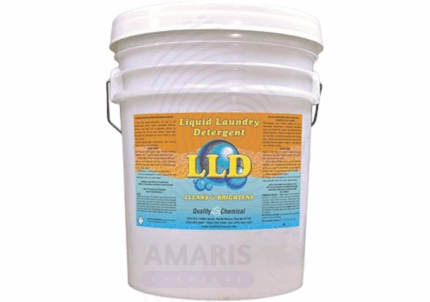
Basic Laundry Detergent
Basic Laundry Detergent is a cleaning agent formulated primarily for washing textiles such as clothes, linens, and other fabrics. It typically contains surfactants, builders, enzymes, and other additives that work synergistically to remove dirt, stains, and odors from fabrics. Designed for household and industrial use, laundry detergents help restore fabric cleanliness and freshness while maintaining fiber integrity. Basic laundry detergents can be in powder, liquid, or tablet form, and are formulated to perform in various water hardness conditions and temperatures.
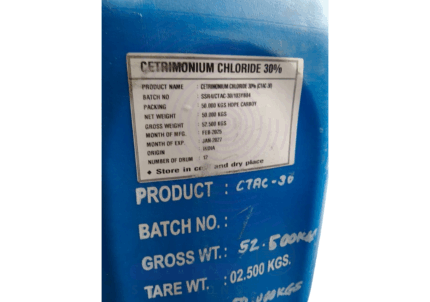
Centrimonium Chloride Solution
Centrimonium Chloride Solution (also known as Cetyltrimethylammonium Chloride), with the chemical formula C₁₉H₄₂ClN, is a quaternary ammonium compound presented here as a 30% aqueous solution. It is a cationic surfactant widely used as an antistatic agent, conditioner, and emulsifier in personal care and industrial applications. This 25kg packaged solution is highly soluble and stable, providing excellent conditioning and antimicrobial properties in hair care formulations, fabric softeners, and disinfectants.
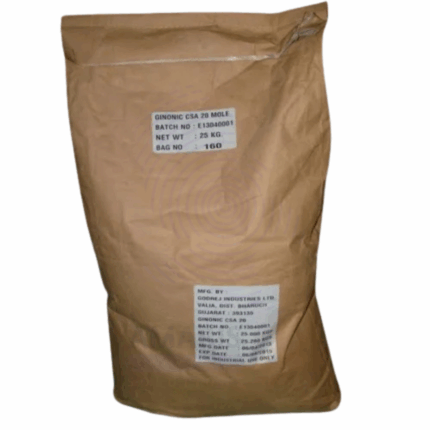
Cetomacrogel 1000BP
Cetomacrogel 1000BP is a high molecular weight polyethylene glycol (PEG) derivative, typically used as a thickening agent, emulsifier, and stabilizer in pharmaceutical and cosmetic formulations. It appears as a white to off-white, waxy solid or flakes with a neutral odor. Known for its excellent water solubility and compatibility with various ingredients, Cetomacrogel 1000BP enhances texture, viscosity, and stability in creams, ointments, and gels. It serves as a hydrophilic vehicle base in topical and oral pharmaceutical preparations and improves product spreadability and skin feel.
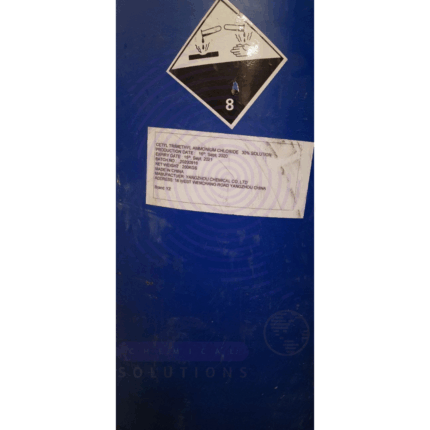
Cetyl Trimethyl Ammonium Chloride
Cetyl Trimethyl Ammonium Chloride (CTAC) is a cationic surfactant and quaternary ammonium compound characterized by a long hydrophobic cetyl (C16) alkyl chain and a positively charged ammonium head group. It appears as a white to pale yellow powder or flakes, soluble in water, and exhibits strong surface-active properties. CTAC is widely used in cosmetics, personal care, and industrial applications for its excellent conditioning, antistatic, emulsifying, and disinfectant capabilities. It functions primarily as a fabric softener, hair conditioner, and antimicrobial agent.
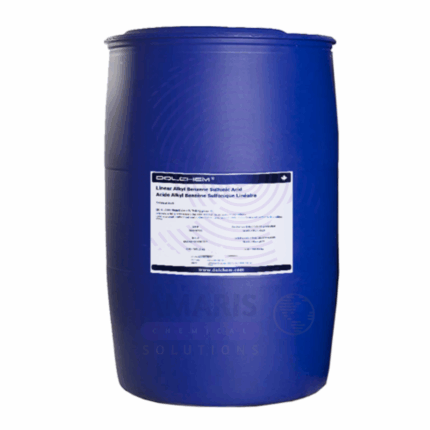
Labsa
Labsa Ufacid, also known as Ufacid 90%, is a highly concentrated anionic surfactant widely used in the detergent and cleaning industries. It is a viscous, oily liquid or semi-solid with strong acidic properties and excellent surface-active capabilities. Labsa 90% acts as a primary raw material for manufacturing laundry detergents, dishwashing liquids, and industrial cleaners due to its excellent foaming, wetting, and emulsifying properties. It is valued for its strong cleaning power and compatibility with various formulations.
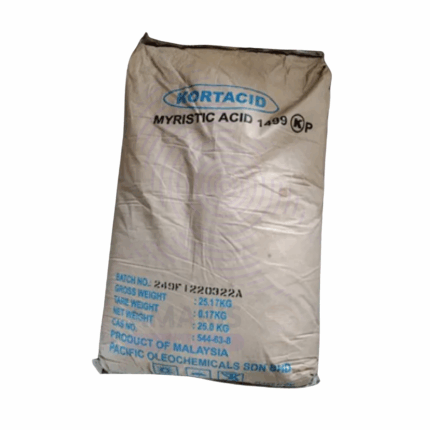
Myristic Acid
Myristic Acid is a saturated fatty acid with a 14-carbon chain, naturally found in nutmeg, coconut oil, palm kernel oil, and butter fat. It appears as a white crystalline solid with a faint odor. It is widely used in the manufacture of soaps, cosmetics, surfactants, and food additives due to its emollient and cleansing properties. Myristic Acid acts as a key intermediate in the production of esters, detergents, and lubricants.
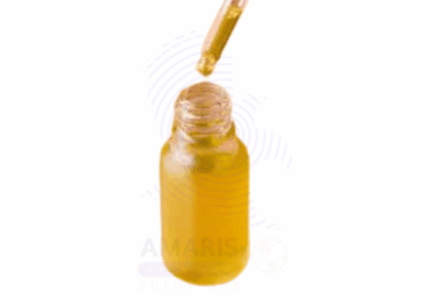
Polyglycerol-10-Laurate
Polyglycerol-10-Laurate is a non-ionic, biodegradable surfactant and emulsifier derived from natural lauric acid and polyglycerol (with ten glycerol units). It is known for its excellent emulsifying, dispersing, and solubilizing properties, especially in oil-in-water systems. Commonly used in cosmetics, food, pharmaceuticals, and personal care products, it is valued for being mild, non-toxic, and suitable for sensitive applications, including baby care and oral care.
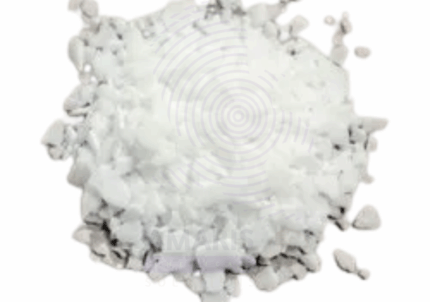
Polyglyceryl
Polyglyceryl refers to a family of non-ionic surfactants and emulsifiers made by the polymerization of glycerol units. Depending on the number of glycerol units (e.g., Polyglyceryl-2, -3, -6, -10) and fatty acid esterification (e.g., laurate, oleate, stearate), they offer different emulsifying and solubilizing properties. These compounds are biodegradable, mild, and skin-friendly, making them ideal for use in cosmetics, food, pharmaceuticals, and personal care products. Polyglyceryl esters are often chosen in natural and organic product formulations due to their origin and non-toxic profile.












