

 Preservatives(food)
 Flavor Enhancers
 Acidulants
 Sweeteners
 Antioxidants
 Colorants(food)
 Nutraceutical Ingredients (food)
 Nutrient Supplements
 Emulsifiers
 Collectors
 Dust Suppressants
 Explosives and Blasting Agents
 Flocculants and Coagulants
 Frothers
 Leaching Agents
 pH Modifiers
 Precious Metal Extraction Agents
 Antioxidants(plastic)
 Colorants (Pigments, Dyes)
 Fillers and Reinforcements
 Flame Retardants
 Monomers
 Plasticizers
 Polymerization Initiators
 Stabilizers (UV, Heat)
 Antifoaming Agents
 Chelating Agents
 Coagulants and Flocculants
 Corrosion Inhibitors
 Disinfectants and Biocides
 Oxidizing Agents
 pH Adjusters
 Scale Inhibitors( water)
 Antioxidants(cosmetic)
 Emollients
 Fragrances and Essential Oils
 Humectants
 Preservatives
 Surfactants(cosmetic)
 Thickeners
 UV Filters
 Fertilizers
 Soil Conditioners
 Plant Growth Regulators
 Animal Feed Additives
 Biostimulants
 Pesticides (Herbicides, Insecticides, Fungicides)
 Active Pharmaceutical Ingredients (APIs)
 Excipients
 Solvents(pharmaceutical)
 Antibiotics
 Antiseptics and Disinfectants
 Vaccine Adjuvants
 Nutraceutical Ingredients (pharmaceutical)
 Analgesics & Antipyretics
 Analytical Reagents
 Solvents(lab)
 Chromatography Chemicals
 Spectroscopy Reagents
 microbiology-and-cell-culture-reagents
 Molecular Biology Reagents
 Biochemical Reagents
 Inorganic and Organic Standards
 Laboratory Safety Chemicals
 Specialty Laboratory Chemicals(Special Laboratory Equipment)
 Demulsifiers
 Hydraulic Fracturing Fluids
 Scale Inhibitors(oil)
 Surfactants(oil)
 Drilling Fluids
 Dyes and Pigments
 Bleaching Agents
 Softening Agents
 Finishing Agents
 Antistatic Agents
 Admixtures
 Waterproofing Agents
 Sealants and Adhesives
 Curing Compounds
 Concrete Repair Chemicals
 Anti-Corrosion Coatings
 Surfactants(cleaning)
 Builders
 Enzymes
 Solvents (Cleaning)
 Fragrances
 Electronic Chemicals
 Catalysts
 Lubricants
 Photographic Chemicals
 Refrigerants
 Automotive chemicals
 Pyrotechnic Chemicals
 Biodegradable Surfactants
 Bio-based Solvents
 Renewable Polymers
 Carbon Capture Chemicals
 Wastewater Treatment Chemicals
 Pigments
 Solvents(paint)
 Specialty Coatings
 Binders/Resins
 Additives
 Driers
 Anti-Corrosion Agents
 Functional Coatings
 Application-Specific Coatings
 Leavening Agents
 Dough Conditioners
 Flour Treatments
 Fat Replacers
 Decoratives
 Preservatives(baking)
 Plasticizers & Softeners
 Reinforcing Agents
 Adhesion Promoters
 Vulcanizing Agents
 Antidegradants
 Blowing Agents
 Fillers & Extenders
 Accelerators & Retarders
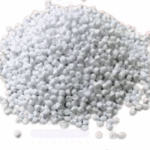



Fish Collagen
Fish Collagen is a natural protein derived from the skin, scales, and bones of various fish species through enzymatic hydrolysis or acid extraction. It is predominantly Type I collagen, known for its excellent bioavailability and biocompatibility. Fish Collagen typically appears as a fine white to off-white powder with low odor and high solubility in water and acidic solutions. It is widely prized in cosmetics, nutraceuticals, pharmaceuticals, and food industries due to its superior absorption compared to mammalian collagen, making it highly effective in skin, joint, and bone health applications. Fish Collagen supports the body’s extracellular matrix, promoting skin elasticity, hydration, and tissue repair.
Fish Collagen
Primary Uses
- Cosmetics and Personal Care
- Key ingredient in anti-aging skincare products, improving skin hydration, elasticity, and reducing wrinkles and fine lines.
- Used in facial creams, serums, masks, and lotions to promote collagen synthesis and skin regeneration.
- Enhances wound healing and skin barrier function due to its bioactive peptides.
- Incorporated into hair and nail care formulations for strengthening and nourishment.
- Functions as a natural moisturizing agent improving skin texture and smoothness.
- Nutraceuticals and Dietary Supplements
- Widely used in oral collagen supplements aimed at improving joint health, reducing osteoarthritis symptoms, and promoting cartilage regeneration.
- Supports bone density and connective tissue strength, especially beneficial for aging populations.
- Promotes muscle mass retention and recovery in athletes and active individuals.
- Formulated in powders, capsules, drinks, and gummies for improved skin, hair, nails, and overall wellness.
- Often combined with vitamins C and hyaluronic acid to boost collagen synthesis and antioxidant protection.
- Pharmaceutical Industry
- Used in formulations targeting tissue repair and regeneration, including wound dressings and burn treatments.
- Applied in drug delivery systems as a biocompatible matrix for controlled release.
- Investigated for applications in orthopedic implants, cartilage repair, and tissue engineering scaffolds.
- Employed in biomedical hydrogels and scaffolds supporting cell growth and tissue regeneration.
- Food Industry
- Incorporated as a functional protein in fortified beverages, protein bars, and health foods.
- Enhances texture and nutritional value of gelatins, desserts, and confectionery.
- Used to improve mouthfeel and protein content in specialty nutrition products.
Secondary Uses
- Biomedical Research
- Utilized in cell culture as a substrate to study cell adhesion and growth.
- Used as a biomaterial for experimental regenerative medicine and 3D bioprinting.
- Material Science and Packaging
- Investigated for biodegradable film formation as a sustainable packaging material.
- Explored for use in wound dressing films with enhanced healing properties.
- Veterinary Applications
- Supplemented in pet nutrition for joint and coat health.
- Used in wound healing and tissue repair products for animals.
1. Basic Identification Attributes
- Chemical Name: Hydrolyzed fish collagen peptides (primarily Type I collagen)
- Common/Trade Name: Fish Collagen
- CAS Number: Not specific; varies by peptide composition
- HS Code: 3504.00 (Peptones and their derivatives) or 2106.90 (Food preparations)
- Molecular Formula: Variable depending on peptide chain length
- Synonyms: Marine collagen, fish gelatin, fish-derived collagen peptides, hydrolyzed fish collagen
2. Physical & Chemical Properties
- Physical State: Fine powder
- Color & Odor: White to off-white; mild characteristic odor
- Solubility: Highly soluble in water and acidic solutions
- Molecular Weight: Typically 1,000 – 5,000 Dalton (depending on hydrolysis degree)
- pH: Usually acidic to neutral (pH 3-7) in solution
- Stability: Stable under dry, cool, dark storage; sensitive to moisture and high temperature
3. Safety & Hazard Attributes
- Hazard Class (GHS): Generally recognized as safe (GRAS)
- Toxicity: Low toxicity; non-irritant and non-sensitizing at typical use levels
- Exposure Limits: No occupational exposure limits established
4. Storage & Handling Attributes
- Storage Conditions: Store in a cool, dry, and dark environment in airtight containers to prevent moisture uptake and microbial growth
- Container Type: Food-grade plastic drums or vacuum-sealed bags
- Shelf Life: 12–24 months under recommended storage conditions
- Handling Precautions: Avoid moisture and prolonged exposure to heat
5. Regulatory & Compliance Attributes
- Approved for use in food, cosmetics, and dietary supplements by FDA, EFSA, and other international bodies
- Complies with ISO and GMP standards for cosmetic and food-grade collagen
- Allergen information: Derived from fish; label accordingly for consumer awareness
6. Environmental & Health Impact
- Biodegradability: Fully biodegradable and environmentally friendly
- Ecotoxicity: Low impact on aquatic and terrestrial ecosystems
- Bioaccumulation: Not applicable
- Carcinogenicity/Mutagenicity: No evidence of carcinogenic or mutagenic effects
Safety Handling Precautions
- PPE Required: Gloves, dust mask if handling powder in bulk, safety goggles recommended
- Handling Guidelines: Use in well-ventilated areas; avoid inhalation of fine powder
- Storage Measures: Keep containers tightly closed, protect from moisture and heat
- Hygiene Practices: Wash hands thoroughly after handling; avoid ingestion and eye contact
First Aid Measures
- Inhalation: Move to fresh air if irritation occurs; seek medical attention if symptoms persist
- Skin Contact: Wash with water and soap; seek medical advice if irritation develops
- Eye Contact: Rinse eyes with plenty of water for 15 minutes; consult physician if irritation persists
- Ingestion: Generally safe; rinse mouth and seek medical advice if large quantities ingested
Firefighting Measures
- Fire Hazards: Combustible organic material; may produce toxic fumes on burning
- Extinguishing Media: Water spray, foam, dry chemical, or CO₂
- Special Precautions: Firefighters should use self-contained breathing apparatus and protective gear
- Decomposition Products: Carbon monoxide, carbon dioxide, nitrogen oxides, and other toxic fumes
Related products
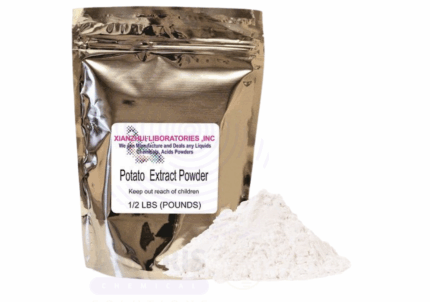
African Potato Extract
African Potato Extract is derived from the plant Hypoxis hemerocallidea, a medicinal plant native to southern Africa. It is commonly used in traditional African medicine for its anti-inflammatory, antioxidant, and immune-boosting properties. The active compound in the extract is hypoxoside, which is converted in the body to rooperol, a potent antioxidant. African Potato Extract is often used as a complementary treatment for conditions like arthritis, prostate issues, and certain infections, though scientific evidence on its effectiveness is still limited.
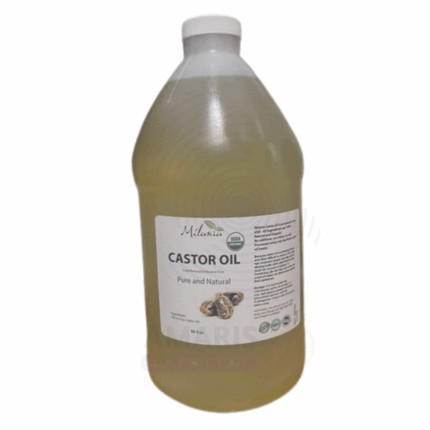
Castor Oil Food Grade
Castor Oil Food Grade is a pale yellow, viscous vegetable oil derived by cold pressing the seeds of the Ricinus communis plant. Known for its high content of ricinoleic acid, it has a mild flavor and is widely used in the food, pharmaceutical, and nutraceutical industries. As a food-grade oil, it is purified to meet strict quality and safety standards. It serves both as a laxative agent and a food additive, often used in flavor carriers, coatings, and processing aids. The oil’s high stability and low moisture content also make it suitable for specialty industrial applications in food-safe environments.

Cetyl Palmitate
Cetyl Palmitate is a naturally derived ester formed by the reaction of cetyl alcohol and palmitic acid. It appears as a white to off-white waxy solid with a mild fatty odor. This compound is widely used in cosmetic, pharmaceutical, and industrial formulations for its emollient, thickening, and texture-enhancing properties. Cetyl Palmitate imparts a smooth, creamy feel to products and contributes to improved stability and consistency in creams, lotions, balms, and ointments. Its film-forming and skin-conditioning attributes make it a preferred ingredient in personal care products as well as in specialty industrial applications.
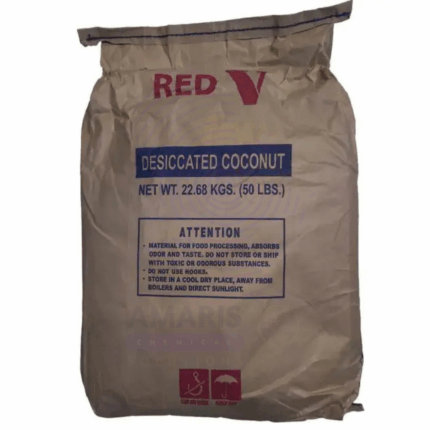
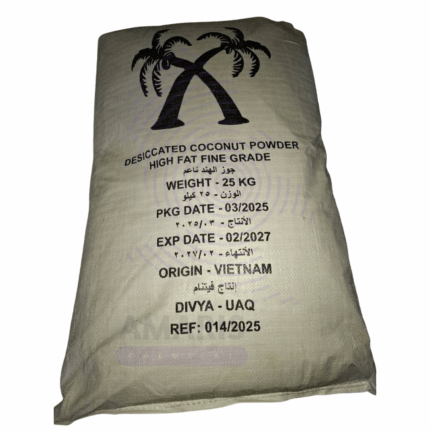
Desiccated Coconut
Desiccated Coconut is finely shredded, dried coconut meat derived from mature coconuts (Cocos nucifera). It is produced by removing the coconut water, then drying the white coconut kernel to reduce moisture content to less than 3%. The drying process preserves the natural flavor, aroma, and nutritional content while extending shelf life. Desiccated coconut is commonly available in various particle sizes and grades, suitable for culinary, bakery, confectionery, and food processing applications. It is valued for its rich texture, nutty flavor, and ability to add moisture and fat to food products.


Glycerin
Glycerin, also known as glycerol, is a colorless, odorless, viscous liquid with a sweet taste and hygroscopic properties. It is a trihydroxy alcohol (triol) used extensively across food, pharmaceutical, cosmetic, and industrial applications. Food-grade glycerin is produced through hydrolysis, saponification, or transesterification of fats and oils, ensuring compliance with stringent purity standards. It is supplied in bulk (e.g., 250kg drums) for large-scale applications where non-toxic, biodegradable humectants or solvents are required. Glycerin is widely appreciated for its moisture-retaining ability, solubility, lubricity, and stabilizing properties.
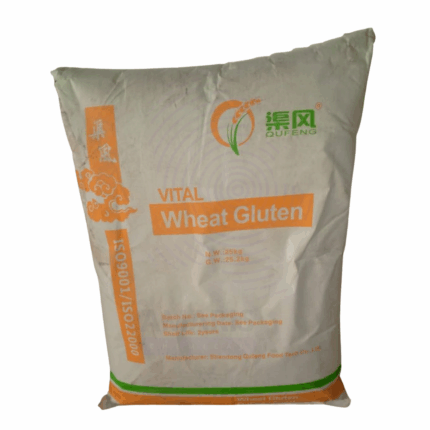
High Gluten Wheat Flour
High Gluten Wheat Flour is a finely milled powder derived from hard wheat varieties known for their high protein content, typically ranging from 12% to 14.5%. This flour has a superior gluten-forming capacity which imparts strong dough elasticity and excellent gas retention properties. It appears as an off-white to pale yellow powder with a neutral to slightly nutty aroma. High Gluten Wheat Flour is prized in baking industries and food manufacturing for producing products with enhanced chewiness, volume, and texture. It is essential for applications requiring strong dough structure and resilience.
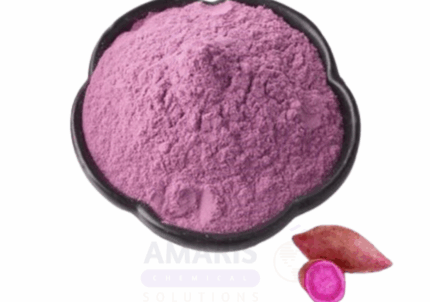
Natural Sweet Potatoes Extract
Natural Sweet Potatoes Extract is a concentrated substance derived from the roots of sweet potatoes (Ipomoea batatas) through processes such as solvent extraction, freeze-drying, or spray drying. Rich in antioxidants, vitamins (especially vitamin A and C), minerals, and natural pigments like beta-carotene and anthocyanins, this extract is valued for its nutritional benefits and vibrant natural color. It is widely used in food, beverage, nutraceutical, cosmetic, and pharmaceutical applications for its health-promoting and coloring properties.

Vitamin E Acetate Powder
Vitamin E Acetate Powder, also known as DL-Alpha-Tocopheryl Acetate Powder, is a dry, free-flowing, encapsulated form of Vitamin E, standardized to contain 50% of active DL-Alpha-Tocopheryl Acetate. It is designed for easy handling and uniform mixing in dry formulations and is ideal for use in nutritional supplements, fortified foods, and animal feed. The microencapsulation enhances stability against oxidation, heat, and light, ensuring long shelf life.












