

 Preservatives(food)
 Flavors
 Acidulants
 Sweeteners
 Antioxidants
 Colorants(food)
 Nutraceutical Ingredients (food)
 Nutrient Supplements
 Emulsifiers
 Collectors
 Dust Suppressants
 Explosives and Blasting Agents
 Flocculants and Coagulants
 Frothers
 Leaching Agents
 pH Modifiers
 Precious Metal Extraction Agents
 Antioxidants(plastic)
 Colorants (Pigments, Dyes)
 Fillers and Reinforcements
 Flame Retardants
 Monomers
 Plasticizers
 Polymerization Initiators
 Stabilizers (UV, Heat)
 Antifoaming Agents
 Chelating Agents
 Coagulants and Flocculants
 Corrosion Inhibitors
 Disinfectants and Biocides
 Oxidizing Agents
 pH Adjusters
 Scale Inhibitors( water)
 Antioxidants(cosmetic)
 Emollients
 Oils
Oils Carrier Oills
 Essential Oils
 Humectants
 Preservatives
 Surfactants(cosmetic)
 Thickeners
 UV Filters
 Fragrance (Cosmetics)
 Fertilizers
 Soil Conditioners
 Plant Growth Regulators
 Animal Feed Additives
 Biostimulants
 Pesticides (Herbicides, Insecticides, Fungicides)
 Active Pharmaceutical Ingredients (APIs)
 Excipients
 Solvents(pharmaceutical)
 Antibiotics
 Antiseptics and Disinfectants
 Vaccine Adjuvants
 Nutraceutical Ingredients (pharmaceutical)
 Analgesics & Antipyretics
 Analytical Reagents
 Solvents(lab)
 Chromatography Chemicals
 Spectroscopy Reagents
 microbiology-and-cell-culture-reagents
 Molecular Biology Reagents
 Biochemical Reagents
 Inorganic and Organic Standards
 Laboratory Safety Chemicals
 Specialty Laboratory Chemicals(Special Laboratory Equipment)
 Demulsifiers
 Hydraulic Fracturing Fluids
 Scale Inhibitors(oil)
 Surfactants(oil)
 Drilling Fluids
 Dyes and Pigments
 Bleaching Agents
 Softening Agents
 Finishing Agents
 Antistatic Agents
 Admixtures
 Waterproofing Agents
 Sealants and Adhesives
 Curing Compounds
 Concrete Repair Chemicals
 Anti-Corrosion Coatings
 Surfactants(cleaning)
 Builders
 Enzymes
 Solvents (Cleaning)
 Electronic Chemicals
 Catalysts
 Lubricants
 Photographic Chemicals
 Refrigerants
 Automotive chemicals
 Pyrotechnic Chemicals
 Biodegradable Surfactants
 Bio-based Solvents
 Renewable Polymers
 Carbon Capture Chemicals
 Wastewater Treatment Chemicals
 Pigments
 Solvents(paint)
 Specialty Coatings
 Binders/Resins
 Additives
 Driers
 Anti-Corrosion Agents
 Functional Coatings
 Application-Specific Coatings
 Leavening Agents
 Dough Conditioners
 Flour Treatments
 Fat Replacers
 Decoratives
 Preservatives(baking)
 Plasticizers & Softeners
 Reinforcing Agents
 Adhesion Promoters
 Vulcanizing Agents
 Antidegradants
 Blowing Agents
 Fillers & Extenders
 Accelerators & Retarders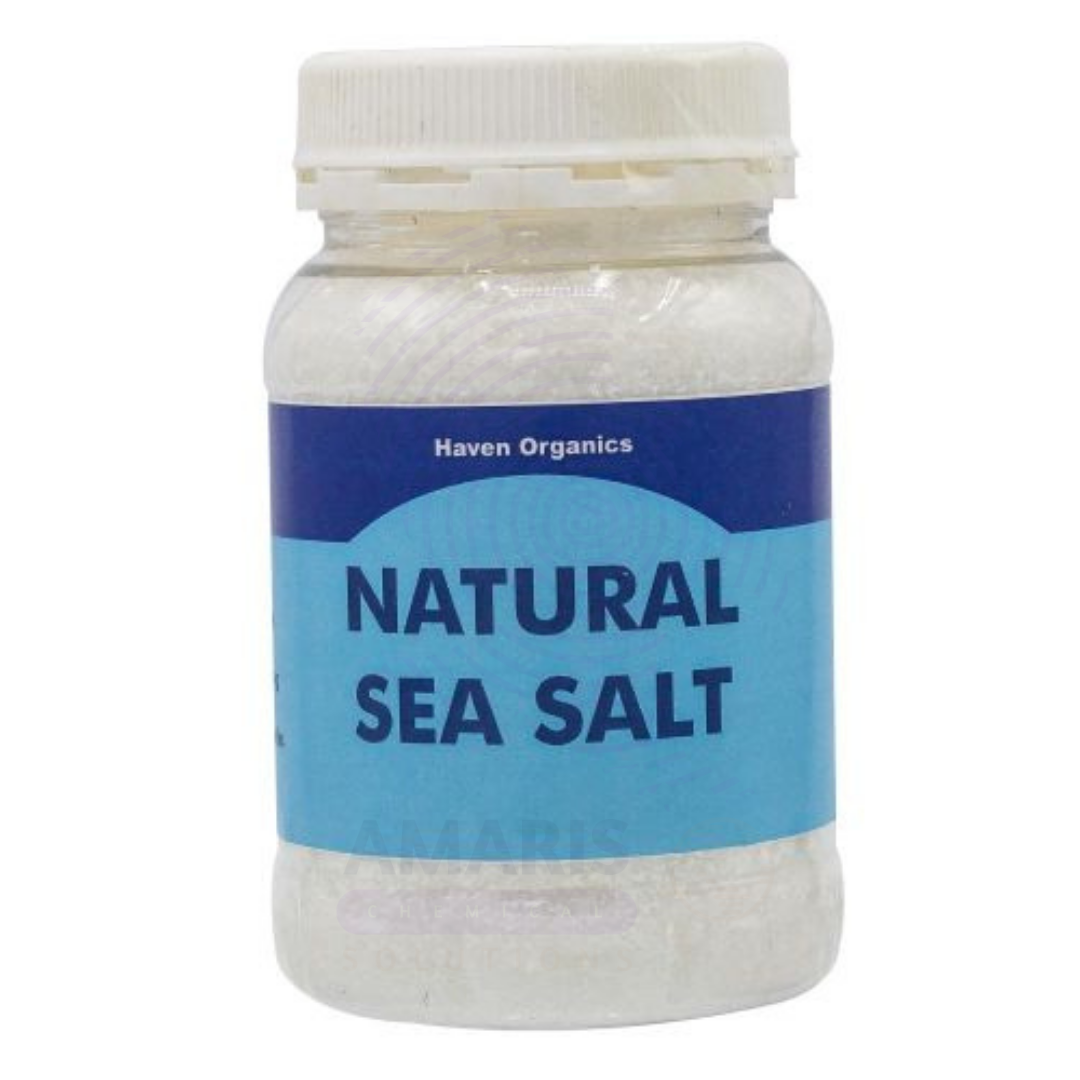

Iodised Salt Extra Pure
Original price was: $ 18.05.$ 17.98Current price is: $ 17.98.
Iodised Salt Extra Pure is a refined form of sodium chloride enriched with a precise amount of iodine, typically in the form of potassium iodate or iodide. It is primarily used to prevent iodine deficiency disorders, making it essential in nutritional and public health applications. Beyond its dietary use, iodised salt also serves in laboratory settings for controlled experiments involving iodine content and salt solubility studies. Its high purity ensures minimal contamination, making it suitable for analytical and pharmaceutical applications where quality and consistency are critical. Proper storage in airtight containers is recommended to prevent iodine loss due to air exposure.
Iodised Salt Extra Pure
Primary Uses
- Iodine Supplementation Studies:
Used in nutrition and biochemistry labs to analyze the impact of iodine fortification in dietary salt, especially for studying thyroid function and iodine deficiency disorders. - Analytical Chemistry (Iodine Detection):
Serves as a model sample for validating iodometric and colorimetric assays that detect iodine or iodide content in fortified food products. - Educational Demonstrations:
Common in school or undergraduate experiments to demonstrate trace element fortification, nutrient absorption, and simple extraction of iodine.
Secondary Uses
- Quality Control Testing:
Used in laboratories involved in food safety and standards testing to monitor iodine concentration, salt purity, and compliance with fortification guidelines. - Research on Iodine Stability:
Studied in relation to the effect of storage, heat, and humidity on the stability of iodised compounds over time. - Microbiological Media Preparation (Non-standard):
Occasionally used where salt is a required component and iodised variants are under evaluation for microbial impact, although plain sodium chloride is more typical.
1. Basic Identification Attributes
- Product Name: Iodised Salt
- Chemical Name: Sodium Chloride with Potassium Iodate or Potassium Iodide
- Grade: Extra Pure (suitable for laboratory or controlled applications)
- Formula: NaCl + KIO₃ (or KI)
- Appearance: White crystalline or powdery solid
- Odor: Odorless
2. Composition
- Sodium Chloride (NaCl): ~98–99%
- Potassium Iodate (KIO₃) or Potassium Iodide (KI): 15–50 ppm (as iodine content)
- Moisture content: Typically <0.5%
- Additives (if any): Anticaking agents like calcium silicate (optional)
3. Physical & Chemical Properties
- Solubility: Soluble in water
- Melting Point: ~801 °C (NaCl)
- Boiling Point: >1400 °C
- pH (5% solution): ~6.5–7.5
- Stability: Stable under normal conditions
4. Safety & Hazard Attributes
- GHS Classification:
✅ Not classified as hazardous under normal laboratory handling - PPE Requirements:
- Gloves (nitrile or latex)
- Safety goggles
- Lab coat
- First Aid Measures:
- Inhalation: Move to fresh air
- Skin/Eye Contact: Rinse with water
- Ingestion: Rinse mouth, not harmful in small amounts
- Environmental Impact: Minimal at lab scale; dispose in accordance with local regulations if iodate/iodide levels are high
5. Storage & Handling Attributes
- Storage Conditions:
- Store in tightly sealed container
- Keep in a cool, dry place
- Protect from moisture and light to prevent iodine degradation
- Incompatible Materials: Strong acids (may release iodine), silver nitrate (reacts with chloride)
6. Laboratory Applications
- Primary Uses:
- Nutritional and food chemistry studies (iodine enrichment)
- Control experiments in iodine deficiency testing
- Reference for salt analysis in titration (e.g., Mohr’s method)
- Demonstrating iodine stability and loss under different conditions
- Secondary Uses:
- Preparing iodine spot test solutions
- Teaching redox chemistry with iodised vs. non-iodised salt
- Demonstrating sublimation of iodine from iodised salt
- Biological studies related to thyroid function
SAFETY PRECAUTIONS
Personal Protective Equipment (PPE):
- Wear a lab coat, gloves, and safety goggles.
- Use a dust mask if working with large quantities in powder form.
Handling:
- Avoid generating dust.
- Prevent contact with eyes.
- Wash hands thoroughly after handling.
- Use in a well-ventilated area.
Storage:
- Store in a cool, dry place.
- Keep the container tightly sealed to prevent moisture absorption.
- Protect from direct sunlight and incompatible materials such as strong acids.
FIRST AID MEASURES
Inhalation:
- Move to fresh air.
- Seek medical attention if coughing or irritation develops.
Skin Contact:
- Wash with soap and water.
- Seek medical advice if irritation occurs.
Eye Contact:
- Rinse cautiously with water for several minutes.
- Remove contact lenses if present and easy to do.
- Continue rinsing and seek medical attention if irritation persists.
Ingestion:
- Rinse mouth with water.
- Iodised salt is generally safe in small amounts; seek medical advice if large quantities are consumed or if symptoms develop.
FIRE FIGHTING MEASURES
Flammability:
- Non-flammable.
Extinguishing Media:
- Use any media appropriate for surrounding fire (water spray, foam, CO₂, dry chemical).
Hazardous Combustion Products:
- May release iodine vapors or sodium oxides if subjected to high temperatures.
Firefighter Protection:
- Use standard protective equipment and SCBA if necessary.
- Avoid inhalation of fumes.
Related products
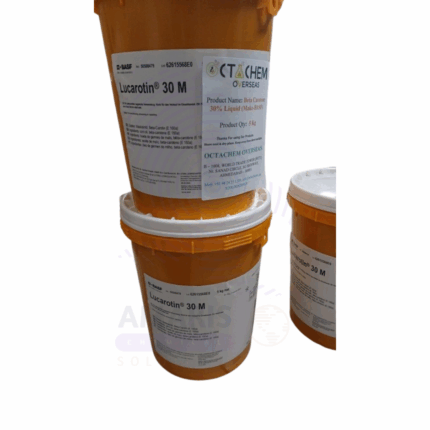
Beta Carotene
Beta Carotene is a concentrated formulation of beta carotene, a naturally occurring red-orange pigment found in plants and fruits. It is a precursor to vitamin A and a potent antioxidant that helps protect cells from oxidative damage. This product, typically suspended in an oil base or suitable carrier, is widely used as a natural colorant, nutritional supplement, and cosmetic ingredient. Beta Carotene 30% SUN offers enhanced stability under sunlight exposure, making it ideal for food, feed, and cosmetic applications where light stability is critical.

Calcium Lactate Pentahydrate
Calcium Lactate Pentahydrate is a white, crystalline, odorless powder that is the calcium salt of lactic acid with five molecules of water of crystallization. It is moderately soluble in water and has a slightly alkaline pH in solution. Widely used as a calcium supplement in the pharmaceutical and food industries, it is known for its good bioavailability and safety profile. Calcium Lactate Pentahydrate is utilized to prevent and treat calcium deficiencies and plays a role in bone health, muscle function, and enzyme activity. It also finds applications as a food additive and firming agent.
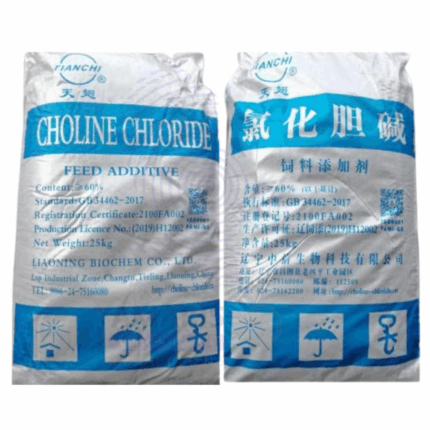
Choline Chloride Powder
Choline Chloride Powder is a white to off-white crystalline powder containing 60% choline chloride, a quaternary ammonium salt essential as a nutrient in animal and poultry feed. It serves as a vital source of choline, an important component in fat metabolism, liver function, and cell membrane integrity. Produced through chemical synthesis, this powder form is highly soluble in water, making it easy to incorporate into feed premixes and supplements. Choline chloride is widely used in the agriculture industry to prevent choline deficiency, enhance growth performance, and improve overall health in livestock. Beyond animal nutrition, it finds applications in chemical manufacturing and pharmaceuticals.
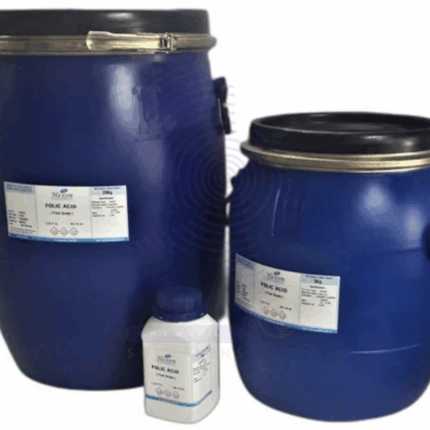
Folic Acid
Folic Acid, also known as Vitamin B9 or pteroylmonoglutamic acid, is a water-soluble vitamin essential for numerous physiological processes including DNA synthesis, repair, and methylation, as well as amino acid metabolism. It appears as a yellow to orange-yellow crystalline powder, odorless or with a faint characteristic odor. Folic Acid is vital for cell division and growth, making it critical during pregnancy and periods of rapid growth. It is widely used in the pharmaceutical, nutraceutical, food fortification, and cosmetic industries due to its role in preventing folate deficiency anemia, neural tube defects in newborns, and supporting overall cellular health.

Magnesium Oxide
Magnesium Oxide (MgO) is a white, odorless, alkaline earth metal oxide powder. It is produced by calcining magnesium carbonate or hydroxide at high temperatures, resulting in a fine, white powder with a high melting point. Magnesium Oxide is widely used for its refractory properties, chemical stability, and ability to neutralize acids. It serves important roles in pharmaceuticals, agriculture, environmental applications, and various industrial processes.
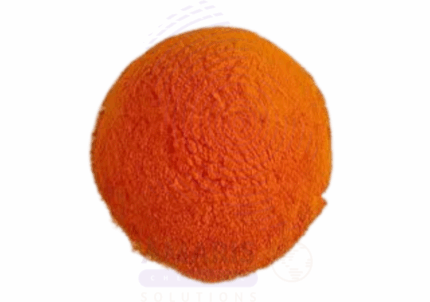
Natural Beta carotene food grade
Natural Beta Carotene Food Grade is a naturally derived carotenoid pigment obtained from sources such as algae, carrots, palm oil, and other vegetables. It is a powerful antioxidant and a precursor to vitamin A (provitamin A), essential for human health. This bright orange-red pigment is widely used as a natural colorant in food, beverages, dietary supplements, and cosmetics. Its antioxidant properties help protect cells from oxidative damage, supporting immune function, eye health, and skin vitality.
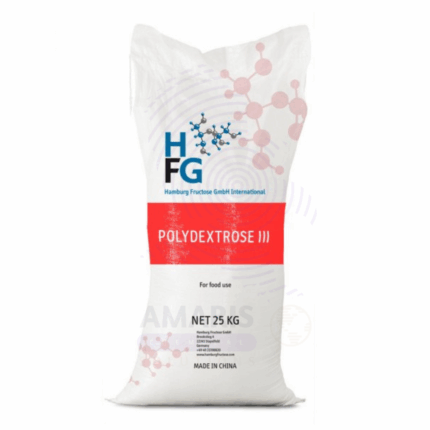
Polydextrose
Polydextrose is a synthetic, highly branched polymer of glucose used primarily as a soluble dietary fiber, bulking agent, and low-calorie sweetener. It is produced through the polycondensation of dextrose with sorbitol and citric acid. Polydextrose offers numerous health and functional benefits, such as improving texture, replacing sugar or fat, and supporting digestive health. It is extensively used in food, beverages, pharmaceuticals, and nutraceuticals for its fiber enrichment properties and technological versatility.
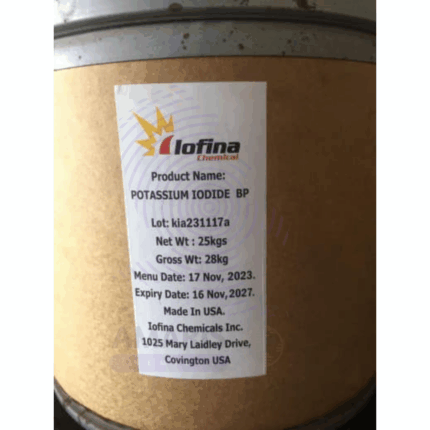
Potassium Iodide
Potassium Iodide is a white, crystalline inorganic salt that serves as a vital source of iodine. It is widely used in medical, pharmaceutical, nutritional, and industrial fields. Potassium Iodide is highly soluble in water and is used both as a dietary supplement to prevent iodine deficiency and as a protective agent against radioactive iodine exposure. It also finds applications in chemical synthesis and photographic processes.












