

 Preservatives(food)
 Flavor Enhancers
 Acidulants
 Sweeteners
 Antioxidants
 Colorants(food)
 Nutraceutical Ingredients (food)
 Nutrient Supplements
 Emulsifiers
 Collectors
 Dust Suppressants
 Explosives and Blasting Agents
 Flocculants and Coagulants
 Frothers
 Leaching Agents
 pH Modifiers
 Precious Metal Extraction Agents
 Antioxidants(plastic)
 Colorants (Pigments, Dyes)
 Fillers and Reinforcements
 Flame Retardants
 Monomers
 Plasticizers
 Polymerization Initiators
 Stabilizers (UV, Heat)
 Antifoaming Agents
 Chelating Agents
 Coagulants and Flocculants
 Corrosion Inhibitors
 Disinfectants and Biocides
 Oxidizing Agents
 pH Adjusters
 Scale Inhibitors( water)
 Antioxidants(cosmetic)
 Emollients
 Fragrances and Essential Oils
 Humectants
 Preservatives
 Surfactants(cosmetic)
 Thickeners
 UV Filters
 Fertilizers
 Soil Conditioners
 Plant Growth Regulators
 Animal Feed Additives
 Biostimulants
 Pesticides (Herbicides, Insecticides, Fungicides)
 Active Pharmaceutical Ingredients (APIs)
 Excipients
 Solvents(pharmaceutical)
 Antibiotics
 Antiseptics and Disinfectants
 Vaccine Adjuvants
 Nutraceutical Ingredients (pharmaceutical)
 Analgesics & Antipyretics
 Analytical Reagents
 Solvents(lab)
 Chromatography Chemicals
 Spectroscopy Reagents
 microbiology-and-cell-culture-reagents
 Molecular Biology Reagents
 Biochemical Reagents
 Inorganic and Organic Standards
 Laboratory Safety Chemicals
 Specialty Laboratory Chemicals(Special Laboratory Equipment)
 Demulsifiers
 Hydraulic Fracturing Fluids
 Scale Inhibitors(oil)
 Surfactants(oil)
 Drilling Fluids
 Dyes and Pigments
 Bleaching Agents
 Softening Agents
 Finishing Agents
 Antistatic Agents
 Admixtures
 Waterproofing Agents
 Sealants and Adhesives
 Curing Compounds
 Concrete Repair Chemicals
 Anti-Corrosion Coatings
 Surfactants(cleaning)
 Builders
 Enzymes
 Solvents (Cleaning)
 Fragrances
 Electronic Chemicals
 Catalysts
 Lubricants
 Photographic Chemicals
 Refrigerants
 Automotive chemicals
 Pyrotechnic Chemicals
 Biodegradable Surfactants
 Bio-based Solvents
 Renewable Polymers
 Carbon Capture Chemicals
 Wastewater Treatment Chemicals
 Pigments
 Solvents(paint)
 Specialty Coatings
 Binders/Resins
 Additives
 Driers
 Anti-Corrosion Agents
 Functional Coatings
 Application-Specific Coatings
 Leavening Agents
 Dough Conditioners
 Flour Treatments
 Fat Replacers
 Decoratives
 Preservatives(baking)
 Plasticizers & Softeners
 Reinforcing Agents
 Adhesion Promoters
 Vulcanizing Agents
 Antidegradants
 Blowing Agents
 Fillers & Extenders
 Accelerators & Retarders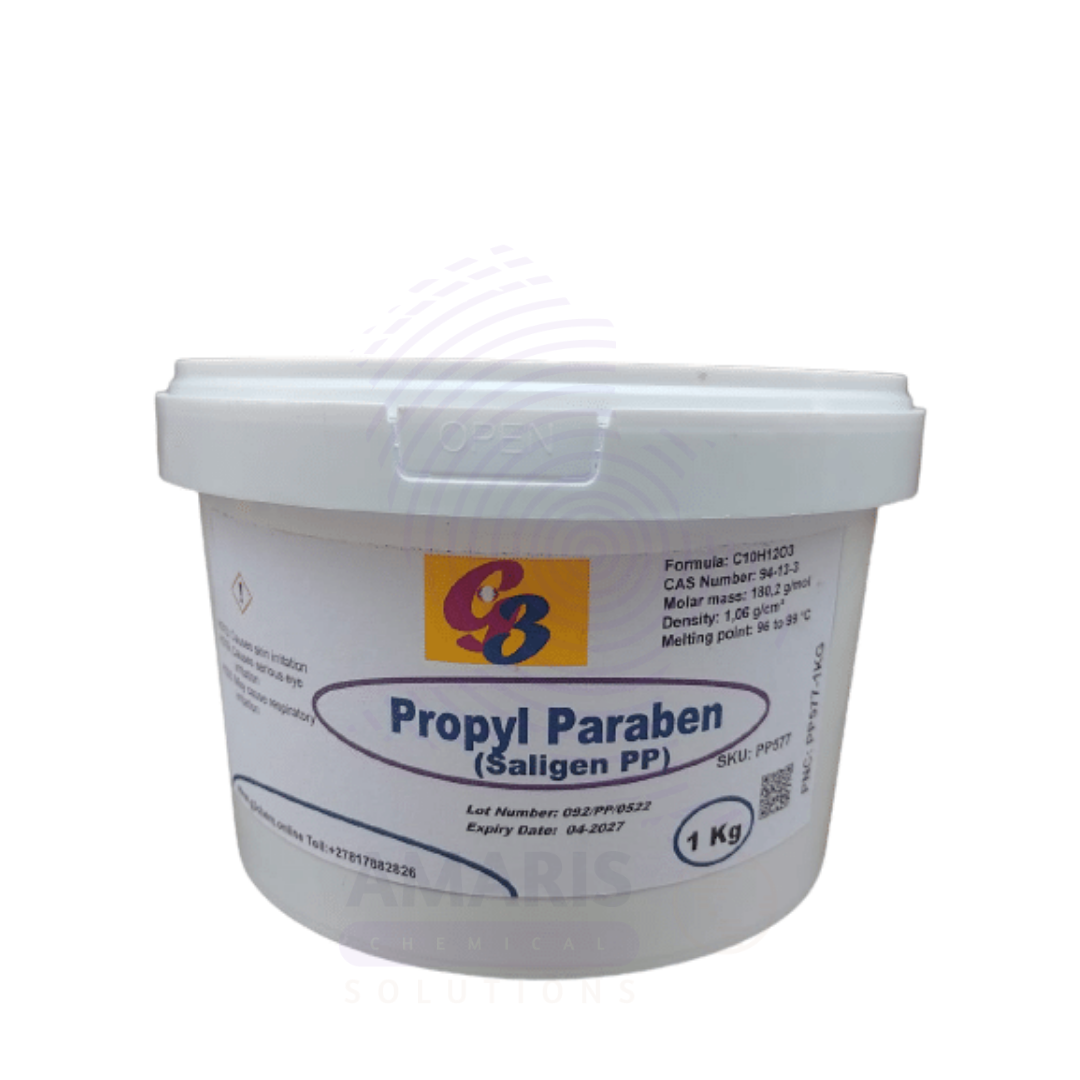

Propyl paraben
Propyl Paraben is a widely used preservative belonging to the paraben family, known for its antimicrobial properties. It is commonly employed to inhibit the growth of bacteria, mold, and yeast in cosmetic, pharmaceutical, and food products. Propyl Paraben is favored for its effectiveness, low toxicity, and compatibility with a broad range of formulations, helping extend product shelf life while maintaining safety.
Propyl paraben
Primary Uses
- Cosmetics and Personal Care
- Used as a preservative in creams, lotions, shampoos, and makeup products to prevent microbial contamination.
- Helps maintain product stability and extends shelf life.
- Pharmaceuticals
- Added to topical and oral pharmaceutical formulations to protect against microbial growth.
- Common in ointments, creams, and suspensions.
- Food Industry
- Utilized as a food preservative, especially in baked goods, beverages, and processed foods to prevent spoilage.
Secondary Uses
- Industrial Applications
- Employed in industrial products such as adhesives and paints for antimicrobial protection.
- Veterinary Products
- Used as a preservative in veterinary pharmaceuticals and topical products.
1. Basic Identification Attributes
- Chemical Name (IUPAC): Propyl 4-hydroxybenzoate
- Common/Trade Name: Propyl Paraben
- CAS Number: 94-13-3
- HS Code: 2914.11
- Synonyms: Propyl p-hydroxybenzoate; E216
2. Physical & Chemical Properties
- Physical State: White crystalline powder
- Color & Odor: White; odorless or faint characteristic odor
- Melting Point: Approximately 97–102°C
- Solubility: Slightly soluble in water; soluble in alcohol, ether, and oils
3. Safety & Hazard Attributes
- GHS Classification: May cause skin irritation; low acute toxicity
- Toxicity: Low; generally recognized as safe at recommended concentrations
- Exposure Limits: Follow product safety guidelines
4. Storage & Handling Attributes
- Storage Conditions: Store in a cool, dry place away from light and moisture
- Container Type: Sealed plastic or glass containers
- Shelf Life: Typically 2–3 years
- Handling Precautions: Avoid dust generation and inhalation
5. Regulatory & Compliance Attributes
- Approved for use in cosmetics, pharmaceuticals, and food by regulatory agencies (e.g., FDA, EU)
- Compliance with safety standards and labeling regulations
6. Environmental & Health Impact
- Biodegradability: Readily biodegradable
- Ecotoxicity: Low; no significant bioaccumulation
- Bioaccumulation: Not significant
Safety Handling Precautions
- PPE Required: Gloves and dust mask recommended during handling
- Handling Guidelines: Use in well-ventilated areas; avoid inhalation and skin contact
- Storage Measures: Keep containers tightly closed and protected from moisture
First Aid Measures
- Inhalation: Move to fresh air; seek medical attention if respiratory symptoms occur
- Skin Contact: Wash thoroughly with soap and water; seek medical advice if irritation develops
- Eye Contact: Rinse immediately with water for at least 15 minutes; get medical help if irritation persists
- Ingestion: Rinse mouth; do not induce vomiting; seek medical attention
Firefighting Measures
- Fire Hazards: Combustible solid
- Extinguishing Media: Water spray, dry chemical, foam, or CO₂
- Special Precautions: Use protective equipment and avoid inhalation of smoke
- Hazardous Combustion Products: Carbon oxides, toxic fumes
Related products
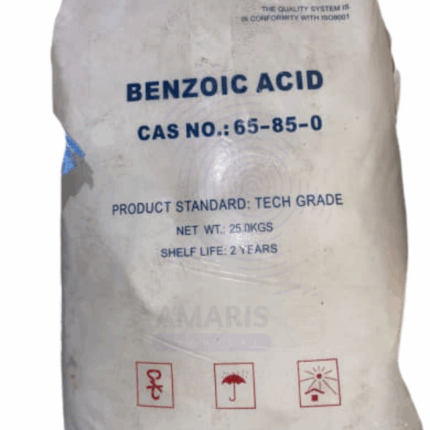
Benzoic Acid
Benzoic Acid is a white crystalline solid with a faint, pleasant odor, classified as a simple aromatic carboxylic acid. It is widely used as a food preservative, antimicrobial agent, and chemical intermediate. Naturally occurring in many plants, it is commercially produced through oxidation of toluene or extraction from natural sources. Benzoic acid is valued for its ability to inhibit the growth of mold, yeast, and certain bacteria, making it essential in food preservation and cosmetic formulations. It also serves as a precursor in the manufacture of various pharmaceuticals, dyes, and plasticizers.
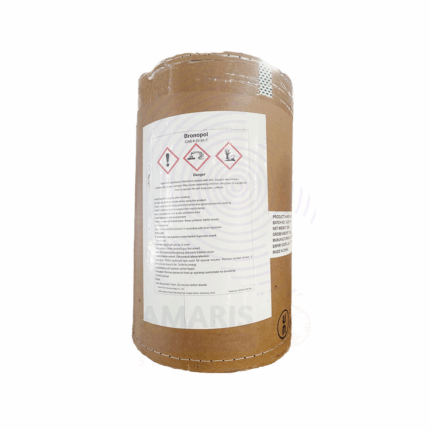
Bronopol
Bronopol (2-Bromo-2-nitropropane-1,3-diol) is a water-soluble, white crystalline powder or granules with a slight odor. It is a synthetic antimicrobial agent widely used as a preservative in personal care products, pharmaceuticals, cosmetics, and industrial applications. Bronopol exhibits broad-spectrum bactericidal and fungicidal activity, making it effective against a wide range of microorganisms. It works by releasing active formaldehyde slowly, which disrupts microbial metabolism and reproduction.
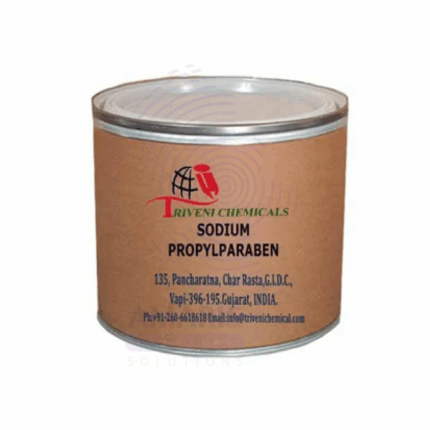
Propyl Paraben Sodium BP
Propyl Paraben Sodium BP is the sodium salt derivative of propyl paraben, widely used as an effective antimicrobial preservative. It offers improved water solubility compared to propyl paraben and is commonly employed in pharmaceutical, cosmetic, and food products to inhibit the growth of bacteria, molds, and yeasts, thereby extending shelf life and ensuring product safety.
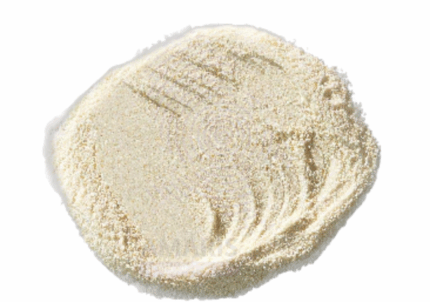
Pullulan
Pullulan is a natural polysaccharide polymer produced by the fermentation of starch by the fungus Aureobasidium pullulans. It is a water-soluble, tasteless, and odorless biopolymer widely used in the food, pharmaceutical, and cosmetic industries due to its excellent film-forming, adhesive, and oxygen barrier properties. Pullulan is biodegradable, non-toxic, and approved for use in various applications requiring edible and biodegradable films.

Vitamin B1 (Thiamine HCL)
Vitamin B1 Thiamine HCL is a water-soluble, stable salt form of vitamin B1 used widely in pharmaceuticals, nutraceuticals, and food fortification. It plays a critical role in energy metabolism by aiding carbohydrate breakdown and supports nervous system health. The hydrochloride form offers enhanced stability and solubility, making it suitable for oral supplements, injectables, and fortified foods.

Vitamin B12( Cyanocobalamin)
Vitamin B12 Cyanocobalamin BP is a pharmaceutical-grade form of vitamin B12, standardized according to the British Pharmacopoeia (BP). It is an essential nutrient involved in red blood cell formation, neurological function, and DNA synthesis. This stable, synthetic cyanocobalamin is widely used in pharmaceuticals, nutraceuticals, and fortified foods to prevent and treat vitamin B12 deficiency.
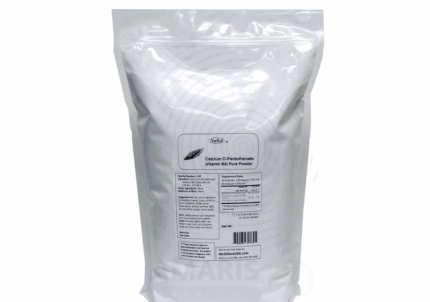
Vitamin B5 (d-pantothenate)
Vitamin B5 d-pantothenate, commonly referred to as D-Pantothenate, is the biologically active, water-soluble form of pantothenic acid. It is an essential nutrient involved in the synthesis of coenzyme A (CoA), critical for fatty acid metabolism and energy production. D-Pantothenate is used across pharmaceuticals, food, feed, cosmetics, and nutraceuticals due to its stability, bioavailability, and broad health benefits.
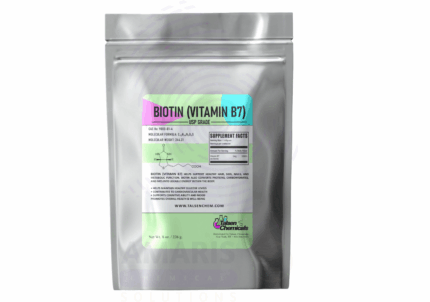
Vitamin B7 (Biotin)
Vitamin B7 Biotin, also known as Biotin, is a water-soluble B-complex vitamin essential for various metabolic processes. It serves as a coenzyme for carboxylase enzymes involved in the metabolism of fatty acids, amino acids, and glucose. Biotin is vital for healthy skin, hair, nails, and nervous system function. It is widely used in the pharmaceutical, nutraceutical, food, cosmetic, and animal nutrition industries.












