

 Preservatives(food)
 Flavor Enhancers
 Acidulants
 Sweeteners
 Antioxidants
 Colorants(food)
 Nutraceutical Ingredients (food)
 Nutrient Supplements
 Emulsifiers
 Collectors
 Dust Suppressants
 Explosives and Blasting Agents
 Flocculants and Coagulants
 Frothers
 Leaching Agents
 pH Modifiers
 Precious Metal Extraction Agents
 Antioxidants(plastic)
 Colorants (Pigments, Dyes)
 Fillers and Reinforcements
 Flame Retardants
 Monomers
 Plasticizers
 Polymerization Initiators
 Stabilizers (UV, Heat)
 Antifoaming Agents
 Chelating Agents
 Coagulants and Flocculants
 Corrosion Inhibitors
 Disinfectants and Biocides
 Oxidizing Agents
 pH Adjusters
 Scale Inhibitors( water)
 Antioxidants(cosmetic)
 Emollients
 Fragrances and Essential Oils
 Humectants
 Preservatives
 Surfactants(cosmetic)
 Thickeners
 UV Filters
 Fertilizers
 Soil Conditioners
 Plant Growth Regulators
 Animal Feed Additives
 Biostimulants
 Pesticides (Herbicides, Insecticides, Fungicides)
 Active Pharmaceutical Ingredients (APIs)
 Excipients
 Solvents(pharmaceutical)
 Antibiotics
 Antiseptics and Disinfectants
 Vaccine Adjuvants
 Nutraceutical Ingredients (pharmaceutical)
 Analgesics & Antipyretics
 Analytical Reagents
 Solvents(lab)
 Chromatography Chemicals
 Spectroscopy Reagents
 microbiology-and-cell-culture-reagents
 Molecular Biology Reagents
 Biochemical Reagents
 Inorganic and Organic Standards
 Laboratory Safety Chemicals
 Specialty Laboratory Chemicals(Special Laboratory Equipment)
 Demulsifiers
 Hydraulic Fracturing Fluids
 Scale Inhibitors(oil)
 Surfactants(oil)
 Drilling Fluids
 Dyes and Pigments
 Bleaching Agents
 Softening Agents
 Finishing Agents
 Antistatic Agents
 Admixtures
 Waterproofing Agents
 Sealants and Adhesives
 Curing Compounds
 Concrete Repair Chemicals
 Anti-Corrosion Coatings
 Surfactants(cleaning)
 Builders
 Enzymes
 Solvents (Cleaning)
 Fragrances
 Electronic Chemicals
 Catalysts
 Lubricants
 Photographic Chemicals
 Refrigerants
 Automotive chemicals
 Pyrotechnic Chemicals
 Biodegradable Surfactants
 Bio-based Solvents
 Renewable Polymers
 Carbon Capture Chemicals
 Wastewater Treatment Chemicals
 Pigments
 Solvents(paint)
 Specialty Coatings
 Binders/Resins
 Additives
 Driers
 Anti-Corrosion Agents
 Functional Coatings
 Application-Specific Coatings
 Leavening Agents
 Dough Conditioners
 Flour Treatments
 Fat Replacers
 Decoratives
 Preservatives(baking)
 Plasticizers & Softeners
 Reinforcing Agents
 Adhesion Promoters
 Vulcanizing Agents
 Antidegradants
 Blowing Agents
 Fillers & Extenders
 Accelerators & Retarders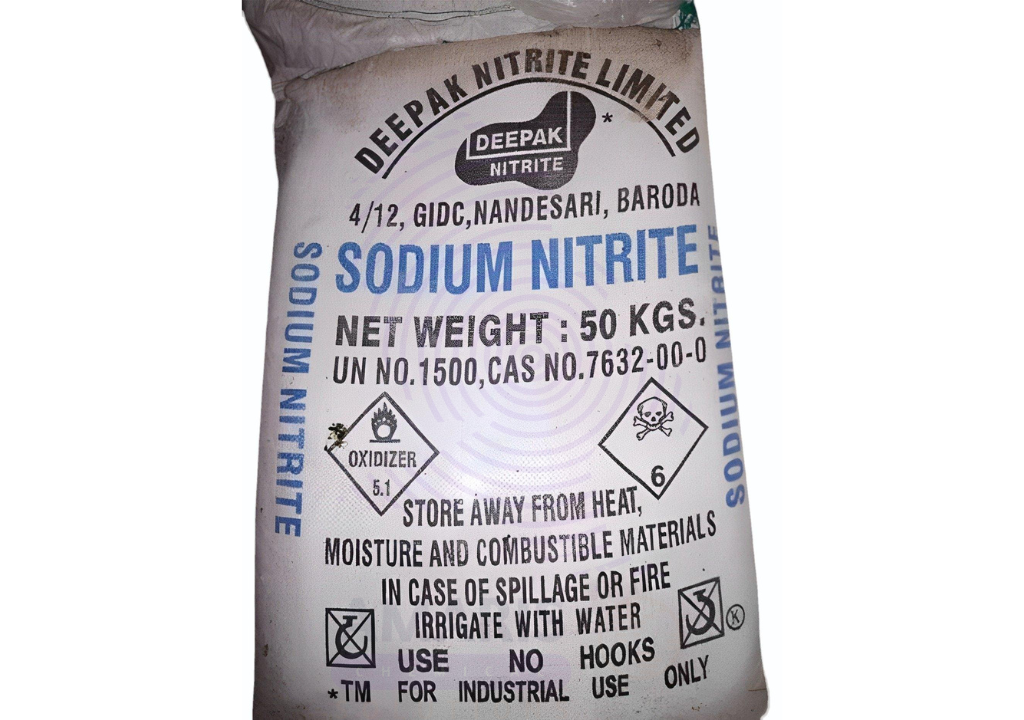



Sodium Nitrite
Sodium Nitrite is an inorganic white to slightly yellowish crystalline powder with the chemical formula NaNO₂. This versatile chemical serves as a powerful reducing agent, corrosion inhibitor, and food preservative, widely used in meat curing, pharmaceutical synthesis, and industrial applications. Its oxidative properties make it valuable for dye manufacturing and rubber processing while requiring careful handling due to its toxicity.
Sodium Nitrite
Primary Uses
- Food Preservation (E250)
- Prevents botulism in cured meats (bacon, hot dogs, sausages)
- Fixes color and enhances flavor in processed meats
- Metal Treatment & Corrosion Control
- Primary component in industrial corrosion inhibitor blends
- Passivation agent for steel and other ferrous metals
- Dye & Pigment Manufacturing
- Diazotization agent in azo dye production
- Intermediate in color-fast textile dyes
- Pharmaceutical Synthesis
- Vasodilator precursor in cardiovascular drugs
- Antidote for cyanide poisoning
- Rubber Industry
- Accelerator in rubber vulcanization processes
- Prevents premature curing of rubber compounds
Secondary Uses
- Analytical Chemistry
- Reagent for testing amino acids and sulfa drugs
- Oxygen scavenger in chemical analysis
- Photography
- Antifogging agent in developer solutions
- Stabilizer in photographic emulsions
- Wastewater Treatment
- Oxygen scavenger in boiler water treatment
- Controls hydrogen sulfide in sewage systems
- Laboratory Applications
- Standard solution for nitrite determination
- Microbial culture media component
- Pesticide Formulations
- Fumigant for agricultural pest control
- Preservative in pesticide concentrates
1. Basic Identification Attributes
- Chemical Name (IUPAC): Sodium nitrite
- Common/Trade Name: Nitrous acid sodium salt
- CAS Number: 7632-00-0
- HS Code: 2834.10.00
- Synonyms: Diazotizing salt, E250
2. Physical & Chemical Properties
- Physical State: Crystalline powder or pellets
- Color & Odor: White to yellowish; slight salty odor
- Solubility: 84.8 g/100 mL water (20°C)
- Density: 2.17 g/cm³
- pH: ~9 (1% solution)
3. Safety & Hazard Attributes
- GHS Classification: Acute Toxicity (Oral, Category 3)
- Toxicity: LD₅₀ 180 mg/kg (oral, rat)
- Exposure Limits: TWA 1 mg/m³ (nitrite)
4. Storage & Handling Attributes
- Storage Conditions: Cool, dry, ventilated, away from acids
- Container Type: 25kg fiber drums with poly liners
- Shelf Life: 2 years in original packaging
- Handling Precautions: Avoid contact with combustible materials
5. Regulatory & Compliance Attributes
- FDA 21 CFR 172.175 (food-grade)
- REACH registered
- UN1500 (Oxidizing Substances)
6. Environmental & Health Impact
- Biodegradability: Not biodegradable
- Ecotoxicity: LC₅₀ 880 mg/L (fish)
- Bioaccumulation: None
Safety Handling Precautions
- PPE Required: Chemical goggles, nitrile gloves, respirator
- Handling Guidelines: Use local exhaust ventilation
- Storage Measures: Separate from acids and flammables
First Aid Measures
- Inhalation: Immediate fresh air, medical attention
- Skin Contact: Remove clothing, wash with soap/water
- Eye Contact: Rinse 15 minutes, seek medical help
- Ingestion: Do NOT induce vomiting, call poison control
Firefighting Measures
- Fire Hazards: Enhances combustion
- Extinguishing Media: Water spray, dry chemical
- Hazardous Combustion Products: Nitrogen oxides
Related products
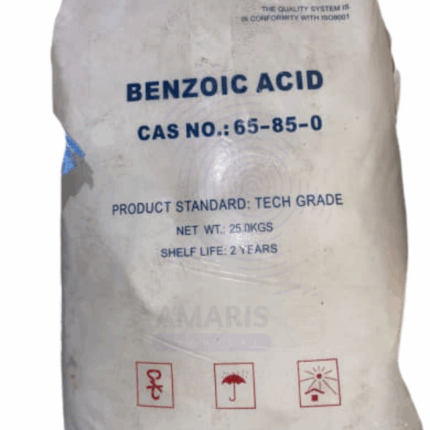
Benzoic Acid
Benzoic Acid is a white crystalline solid with a faint, pleasant odor, classified as a simple aromatic carboxylic acid. It is widely used as a food preservative, antimicrobial agent, and chemical intermediate. Naturally occurring in many plants, it is commercially produced through oxidation of toluene or extraction from natural sources. Benzoic acid is valued for its ability to inhibit the growth of mold, yeast, and certain bacteria, making it essential in food preservation and cosmetic formulations. It also serves as a precursor in the manufacture of various pharmaceuticals, dyes, and plasticizers.
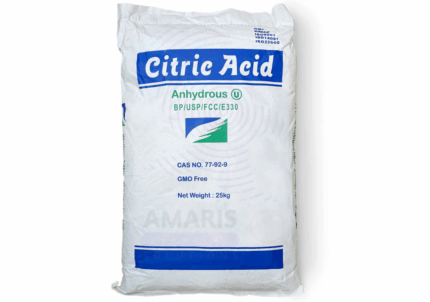
Citric Acid Anhydrous
Citric Acid Anhydrous is a white, crystalline organic acid widely used across food, pharmaceutical, cosmetic, and industrial sectors. It is the anhydrous form of citric acid, meaning it contains no water molecules in its crystal lattice, resulting in higher purity and more concentrated acidic properties compared to its monohydrate form. Derived from natural sources like citrus fruits or produced via microbial fermentation, citric acid anhydrous is valued for its sour taste, excellent chelating ability, and buffering capacity. It serves as a natural preservative, pH adjuster, antioxidant synergist, and cleaning agent, making it a versatile ingredient in many formulations.
Formic Acid
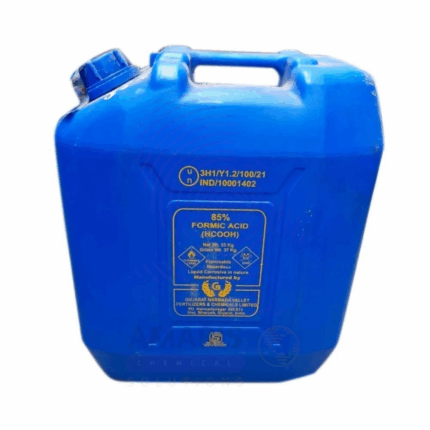
Formic Acid (methanoic acid) is the simplest carboxylic acid, typically supplied as an 85% aqueous solution. It is a colorless liquid with a pungent, penetrating odor and strong acidic properties. Formic Acid naturally occurs in insect stings and plant secretions and is widely used in chemical synthesis, agriculture, textile, leather, and rubber industries. The 85% solution balances potency and safe handling for industrial applications. It serves as a preservative, antibacterial agent, and intermediate chemical in numerous manufacturing processes.

Potassium Metabisulphite Food Grade
Potassium Metabisulphite Food Grade is a white crystalline powder with strong antioxidant and preservative properties. It is widely used in the food and beverage industry as a disinfectant, antioxidant, and preservative to prevent spoilage and microbial growth. It also acts as a bleaching agent and sulfur dioxide (SO₂) source. This compound is critical in winemaking, brewing, and food processing to maintain product quality and extend shelf life.
Sodium Acetate Trihydrate
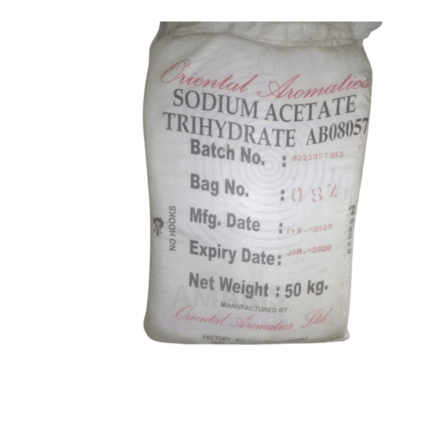
Sodium Acetate Trihydrate is a white crystalline solid that is the hydrated form of sodium acetate. It is highly soluble in water and has a mildly alkaline pH in solution. Widely used in chemical, pharmaceutical, food, and textile industries, sodium acetate trihydrate serves as a buffering agent, pH regulator, and preservative. Its ability to stabilize pH and act as a neutralizing agent makes it valuable in various industrial and laboratory applications. Additionally, it is used for heat packs due to its exothermic crystallization properties.

Sodium Formate Food Grade
Sodium Formate Food Grade is the sodium salt of formic acid, typically available as a white crystalline powder or granules. It is widely used in various industrial applications due to its properties as a buffering agent, de-icing agent, and reducing agent. Sodium Formate is valued for its effectiveness in textile dyeing, leather tanning, and as a corrosion inhibitor in oil and gas drilling fluids.
Veegum
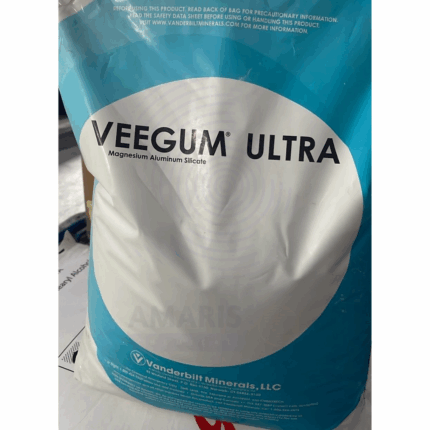
Veegum is a purified magnesium aluminum silicate clay known for its excellent suspending, thickening, and stabilizing properties. It is widely used in pharmaceuticals, cosmetics, and industrial applications as a rheology modifier, suspension stabilizer, and emulsifier. Veegum enhances the texture, consistency, and stability of formulations, providing improved performance in both liquid and semi-solid systems.

Vitamin B12( Cyanocobalamin)
Vitamin B12 Cyanocobalamin BP is a pharmaceutical-grade form of vitamin B12, standardized according to the British Pharmacopoeia (BP). It is an essential nutrient involved in red blood cell formation, neurological function, and DNA synthesis. This stable, synthetic cyanocobalamin is widely used in pharmaceuticals, nutraceuticals, and fortified foods to prevent and treat vitamin B12 deficiency.












