

 Preservatives(food)
 Flavor Enhancers
 Acidulants
 Sweeteners
 Antioxidants
 Colorants(food)
 Nutraceutical Ingredients (food)
 Nutrient Supplements
 Emulsifiers
 Collectors
 Dust Suppressants
 Explosives and Blasting Agents
 Flocculants and Coagulants
 Frothers
 Leaching Agents
 pH Modifiers
 Precious Metal Extraction Agents
 Antioxidants(plastic)
 Colorants (Pigments, Dyes)
 Fillers and Reinforcements
 Flame Retardants
 Monomers
 Plasticizers
 Polymerization Initiators
 Stabilizers (UV, Heat)
 Antifoaming Agents
 Chelating Agents
 Coagulants and Flocculants
 Corrosion Inhibitors
 Disinfectants and Biocides
 Oxidizing Agents
 pH Adjusters
 Scale Inhibitors( water)
 Antioxidants(cosmetic)
 Emollients
 Fragrances and Essential Oils
 Humectants
 Preservatives
 Surfactants(cosmetic)
 Thickeners
 UV Filters
 Fertilizers
 Soil Conditioners
 Plant Growth Regulators
 Animal Feed Additives
 Biostimulants
 Pesticides (Herbicides, Insecticides, Fungicides)
 Active Pharmaceutical Ingredients (APIs)
 Excipients
 Solvents(pharmaceutical)
 Antibiotics
 Antiseptics and Disinfectants
 Vaccine Adjuvants
 Nutraceutical Ingredients (pharmaceutical)
 Analgesics & Antipyretics
 Analytical Reagents
 Solvents(lab)
 Chromatography Chemicals
 Spectroscopy Reagents
 microbiology-and-cell-culture-reagents
 Molecular Biology Reagents
 Biochemical Reagents
 Inorganic and Organic Standards
 Laboratory Safety Chemicals
 Specialty Laboratory Chemicals(Special Laboratory Equipment)
 Demulsifiers
 Hydraulic Fracturing Fluids
 Scale Inhibitors(oil)
 Surfactants(oil)
 Drilling Fluids
 Dyes and Pigments
 Bleaching Agents
 Softening Agents
 Finishing Agents
 Antistatic Agents
 Admixtures
 Waterproofing Agents
 Sealants and Adhesives
 Curing Compounds
 Concrete Repair Chemicals
 Anti-Corrosion Coatings
 Surfactants(cleaning)
 Builders
 Enzymes
 Solvents (Cleaning)
 Fragrances
 Electronic Chemicals
 Catalysts
 Lubricants
 Photographic Chemicals
 Refrigerants
 Automotive chemicals
 Pyrotechnic Chemicals
 Biodegradable Surfactants
 Bio-based Solvents
 Renewable Polymers
 Carbon Capture Chemicals
 Wastewater Treatment Chemicals
 Pigments
 Solvents(paint)
 Specialty Coatings
 Binders/Resins
 Additives
 Driers
 Anti-Corrosion Agents
 Functional Coatings
 Application-Specific Coatings
 Leavening Agents
 Dough Conditioners
 Flour Treatments
 Fat Replacers
 Decoratives
 Preservatives(baking)
 Plasticizers & Softeners
 Reinforcing Agents
 Adhesion Promoters
 Vulcanizing Agents
 Antidegradants
 Blowing Agents
 Fillers & Extenders
 Accelerators & Retarders

















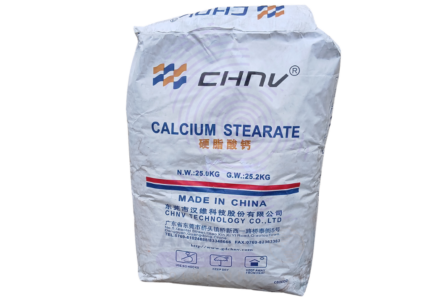
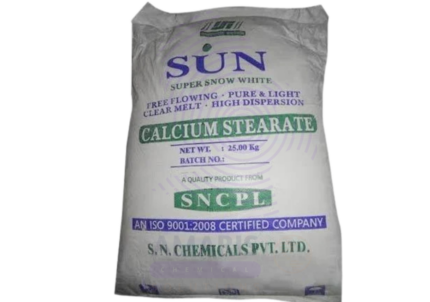
Calcium stearate
Calcium Stearate is a metallic stearate salt, appearing as a fine, white, hydrophobic powder. It is produced through the reaction of stearic acid (a fatty acid derived from natural oils and fats) with calcium oxide or calcium hydroxide. It functions primarily as an acid scavenger, lubricant, release agent, and stabilizer across multiple industrial sectors. Its unique combination of water repellency, low solubility, and high melting point makes it an essential processing additive in plastics, rubber, construction, and paper industries. Technical grade Calcium Stearate is manufactured for industrial performance applications and is not intended for direct food, pharmaceutical, or cosmetic use unless specifically certified and labeled for those applications.
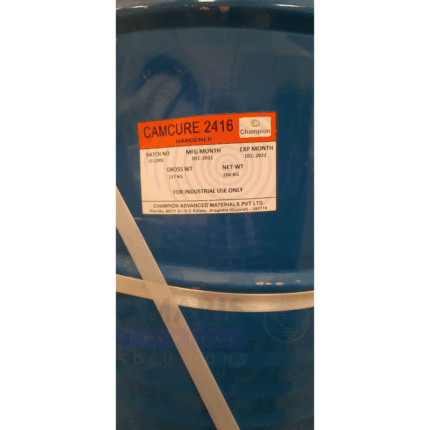
Camcure (Hardener)
Camcure is a specialized epoxy hardener designed to be used in conjunction with epoxy resins to facilitate curing, improve mechanical strength, and enhance chemical resistance. It typically appears as a clear to pale yellow liquid with low viscosity, enabling easy mixing with resin systems. This hardener is widely used in coatings, adhesives, composites, and industrial applications requiring durable, tough, and chemically resistant cured products. Camcure 9115X70 promotes rapid curing at ambient or elevated temperatures and offers excellent adhesion to a variety of substrates including metals, plastics, and concrete.
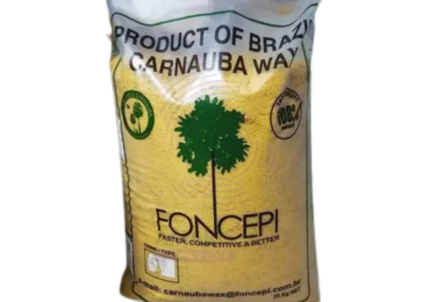
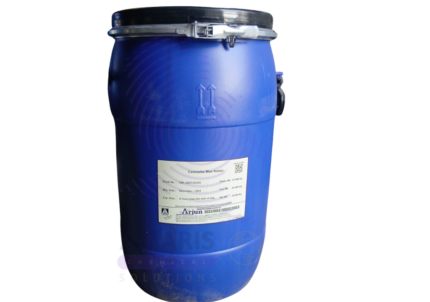
Carnauba Wax Prime Yellow
Carnauba Wax Prime Yellow, also known as Type 1 or Prime Yellow Grade, is the highest quality and purest form of carnauba wax derived from the leaves of the Copernicia cerifera palm tree, native to Brazil. It is a natural, vegetable-based wax prized for its exceptional hardness, high gloss, high melting point, and emulsification properties. Prime Yellow grade represents the finest classification, characterized by its light yellow to pale amber color, low impurities, and superior film-forming characteristics. It is obtained through a meticulous process of harvesting, drying, and processing the palm leaves to extract the waxy coating, which is then refined and graded. Carnauba Wax is often referred to as the "Queen of Waxes" due to its unique combination of properties unmatched by synthetic alternatives. Technical grade Carnauba Wax Prime Yellow is used across numerous industries for its ability to impart gloss, hardness, slip resistance, and moisture barrier properties. It is not intended for direct food consumption but is widely used in food-contact applications such as coatings and packaging.
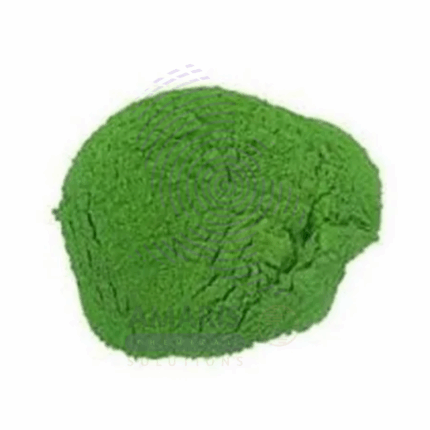
Cetex Green Dye sdn Oil Soluble
Cetex Green Dye sdn oil soluble is a synthetic oil-soluble dye known for its vibrant green coloration and excellent solubility in oils, fats, and hydrocarbon solvents. It is widely used in industries requiring stable and intense green color in oil-based formulations. The dye exhibits good resistance to heat, light, and chemical exposure, making it suitable for applications in cosmetics, plastics, and inks. Cetex Green Dye SDN offers consistent color strength and dispersion in various oil mediums.
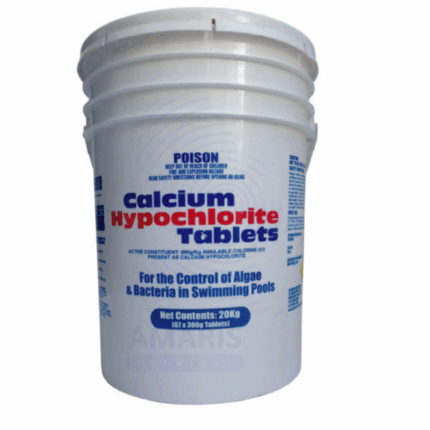
Chlorine Tablets
Chlorine Tablets are solid, compressed forms of chlorine-releasing compounds, typically composed of stabilized trichloroisocyanuric acid (TCCA) or sodium dichloroisocyanurate (SDIC). These tablets are used primarily for water disinfection and sanitation due to their controlled and sustained release of chlorine. They appear as white to off-white, hard tablets with a mild chlorine odor. Chlorine Tablets are widely used in swimming pools, drinking water treatment, wastewater treatment, and industrial sanitization processes. Their slow dissolution ensures prolonged antimicrobial activity, providing effective control against bacteria, viruses, algae, and other pathogens.
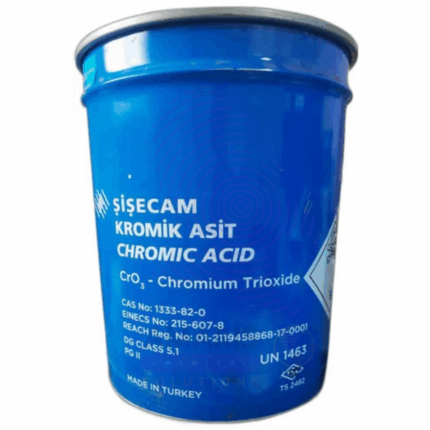
Chromic Acid
Chromic Acid is a powerful oxidizing agent, typically available as a bright orange-red crystalline solid or concentrated solution containing chromium trioxide (CrO₃) dissolved in sulfuric acid. It is a highly corrosive and strong acid used predominantly in industrial applications such as metal finishing, cleaning, and surface treatment. Chromic acid is valued for its excellent oxidative and cleaning properties, particularly in chromium plating, anodizing, and etching processes. Due to its toxicity and environmental hazards, its handling and disposal are strictly regulated. It plays a crucial role in chemical synthesis, laboratories, and manufacturing.
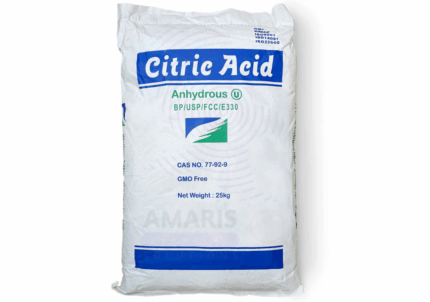
Citric Acid Anhydrous
Citric Acid Anhydrous is a white, crystalline organic acid widely used across food, pharmaceutical, cosmetic, and industrial sectors. It is the anhydrous form of citric acid, meaning it contains no water molecules in its crystal lattice, resulting in higher purity and more concentrated acidic properties compared to its monohydrate form. Derived from natural sources like citrus fruits or produced via microbial fermentation, citric acid anhydrous is valued for its sour taste, excellent chelating ability, and buffering capacity. It serves as a natural preservative, pH adjuster, antioxidant synergist, and cleaning agent, making it a versatile ingredient in many formulations.
Clear Emulsion
Clear Emulsion is a transparent or translucent mixture of two immiscible liquids—typically oil and water—stabilized by emulsifying agents to form a stable, homogenous system. This product is widely used in cosmetics and personal care, pharmaceuticals, and specialty industrial applications due to its lightweight texture, ease of absorption, and aesthetic appeal. Clear emulsions offer a visually appealing, non-greasy feel with the advantages of both oil and water phases, delivering moisturizing, protective, and active ingredient-carrying benefits. Their clarity distinguishes them from traditional creamy emulsions, making them popular in modern skincare and cosmetic formulations.
Cobalt Drier
Cobalt Drier is a metal-based drying agent primarily composed of cobalt salts (commonly cobalt octoate or cobalt naphthenate). It is widely used as a catalyst to accelerate the drying (oxidative curing) of oils, alkyd resins, and varnishes in coatings and paints. This drier promotes polymerization and cross-linking of unsaturated fatty acids in drying oils upon exposure to air, significantly reducing drying times and improving film hardness and durability. Cobalt driers are essential additives in industrial, decorative, and automotive coatings due to their effectiveness at low concentrations and compatibility with various resin systems.
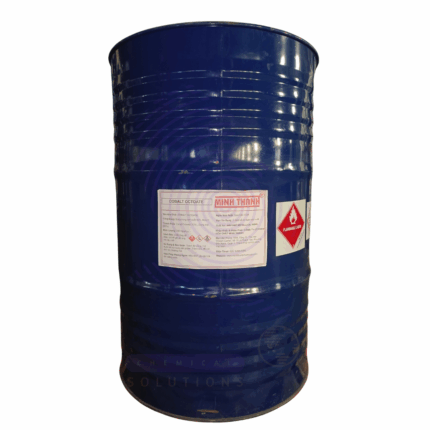
Cobalt Octoate
Cobalt Octoate is a liquid metal drying agent solution consisting of 10% cobalt octoate dissolved in an organic solvent carrier (typically mineral spirits or similar hydrocarbon solvent). It functions as a highly efficient catalyst to accelerate the oxidative curing and drying of alkyd resins, oils, and varnishes in coatings and paints. By promoting cross-linking and polymerization of unsaturated fatty acids in drying oils upon exposure to oxygen, it significantly reduces drying time and enhances film hardness, gloss, and durability. Cobalt Octoate 10% is widely used in industrial and decorative coatings, inks, and adhesives, valued for its strong catalytic activity even at low concentrations.
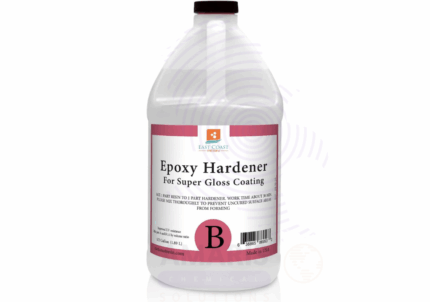
Craymide Epoxy Hardener
Craymide Epoxy Hardener is a high-performance epoxy hardener commonly used to cure epoxy resins. It is a polyamide-based curing agent that promotes excellent cross-linking with epoxy groups, resulting in coatings, adhesives, and composites with superior mechanical strength, chemical resistance, and durability. This hardener is widely used in industrial coatings, adhesives, and composite manufacturing due to its balanced curing profile and compatibility with a range of epoxy systems. Craymide 115 provides toughness and flexibility while maintaining strong adhesion to various substrates.
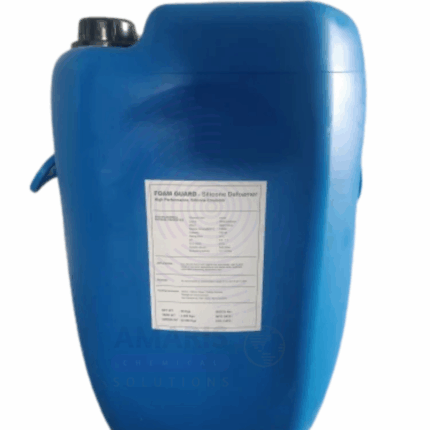
Defoamer
Defoamer is a high-performance, silicone-based antifoaming agent designed to eliminate and prevent foam formation in aqueous and non-aqueous systems. It is typically a milky-white or translucent emulsion composed of modified polydimethylsiloxane, hydrophobic silica, and proprietary surfactants or emulsifiers. Defoamer is known for its immediate foam knockdown, long-lasting suppression, and compatibility across diverse formulations. It is widely used in industrial processes, coatings, adhesives, water treatment, textiles, and more. It is effective at low concentrations, thermally stable, and resistant to shear and pH fluctuations.
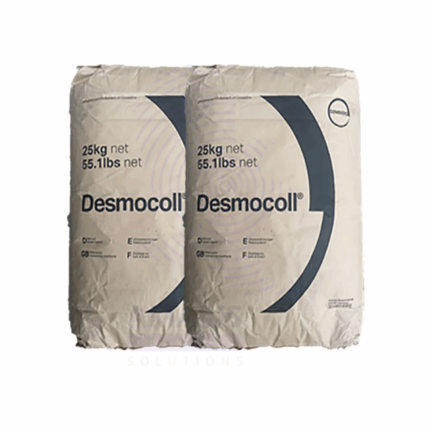
Desmocol
Desmocol is a trade name for Cocamido Propyl Betaine (CAPB), a mild amphoteric surfactant derived from coconut oil and dimethylaminopropylamine. It is widely used in personal care and cleaning formulations due to its excellent foaming, thickening, and conditioning properties. Desmocol is known for its skin-friendly nature, compatibility with a broad range of surfactants, and ability to reduce irritation potential in formulations. It appears as a viscous, amber-colored liquid or paste with a characteristic mild coconut odor.
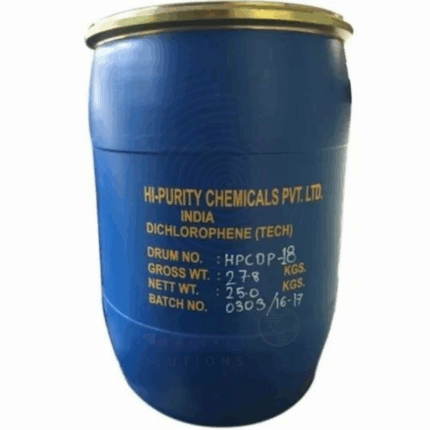
Dichlorophene Technical
Dichlorophene Technical (also known as 2,2'-Methylenebis(4-chlorophenol)) is a chlorinated phenolic compound used primarily as an antimicrobial agent and disinfectant. It appears as a white to pale yellow crystalline powder with a characteristic phenolic odor. Known for its potent bactericidal and fungicidal properties, Dichlorophene is widely used in pharmaceutical formulations, personal care products, and industrial disinfectants. The “Technical” grade refers to its industrial or bulk purity form used as a raw material in manufacturing.

Dicumyl Peroxide
Dicumyl Peroxide (DCP) is a widely used organic peroxide with powerful free radical initiator properties. It appears as a white crystalline solid with a characteristic odor and is primarily employed as a cross-linking agent and polymerization initiator in the plastics and rubber industries. Due to its ability to generate free radicals upon thermal decomposition, it facilitates curing and cross-linking of polymers, improving mechanical properties and heat resistance. Dicumyl Peroxide is a key component in manufacturing processes for polyethylene, polypropylene, EPDM rubber, and other elastomers.
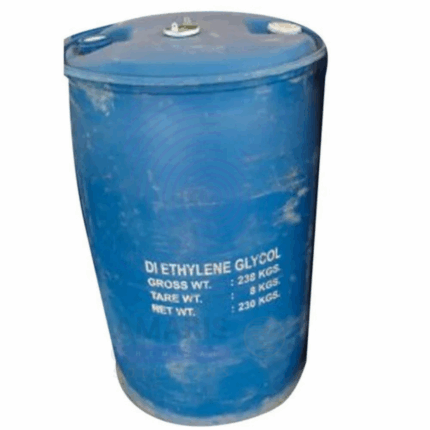
Diethyl Glycol
Diethyl Glycol is a clear, colorless, hygroscopic, and viscous liquid with a mild odor. It is a diol with two hydroxyl groups, making it a versatile chemical intermediate and solvent. DEG is miscible with water, alcohols, and many organic solvents. It is widely used in the manufacture of plasticizers, solvents, resins, and as an intermediate in chemical syntheses. Due to its high boiling point and solvent properties, DEG finds broad applications across industrial, pharmaceutical, and cosmetic sectors.
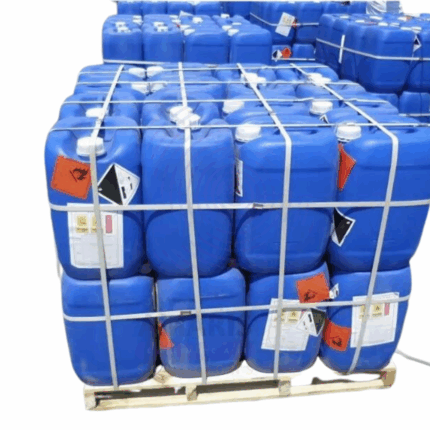
Dimethyl Acetimide
Dimethyl Acetimide is a versatile organic compound used predominantly as a solvent and intermediate in chemical syntheses. It is a colorless to pale yellow liquid with good solvency properties for a wide range of organic substances. Known for its stability and relatively low toxicity compared to similar amides, Dimethyl Acetimide finds applications in pharmaceuticals, agrochemicals, and specialty chemical manufacturing. Its miscibility with water and many organic solvents makes it suitable for formulation and processing roles.
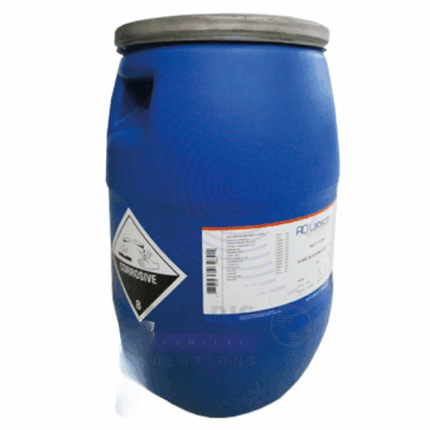
Disodium Hydrogen Phosphate
Disodium Hydrogen Phosphate, also known as sodium phosphate dibasic, is an inorganic salt widely used as a buffering agent, emulsifier, and food additive. It appears as a white, odorless crystalline powder or granules that are highly soluble in water and alkaline in nature. It plays a crucial role in maintaining pH balance, stabilizing formulations, and supplying essential sodium and phosphate ions in various industries including food, pharmaceuticals, water treatment, and agriculture.
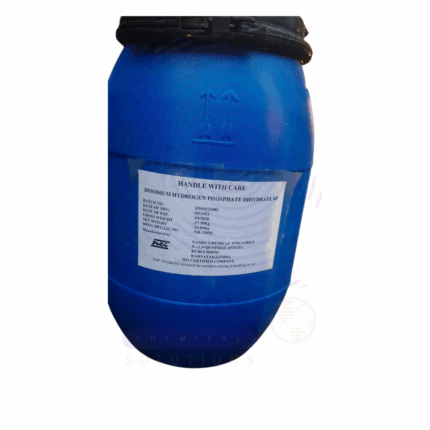
Disodium Hydrogen Phosphate Dihydrate
Disodium Hydrogen Phosphate Dihydrate is the hydrated form of disodium hydrogen phosphate, a white crystalline powder commonly used as a buffering agent, emulsifier, and sequestrant. The dihydrate form contains two water molecules per formula unit, which affects its physical properties such as melting point and solubility. It is widely applied in food, pharmaceutical, water treatment, and industrial processes to maintain pH stability, improve texture, and supply essential sodium and phosphate ions.
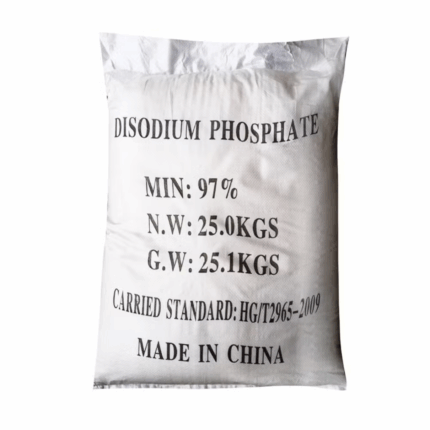
Disodium Phosphate
Disodium Phosphate, also known as sodium phosphate dibasic, is an inorganic compound widely used for its buffering, emulsifying, and chelating properties. It commonly appears as a white, odorless crystalline powder or granules that are highly soluble in water and alkaline in nature. Disodium Phosphate plays a vital role in regulating pH, improving stability in formulations, and providing essential sodium and phosphate ions. It finds extensive use across food processing, pharmaceuticals, water treatment, agriculture, and industrial applications.
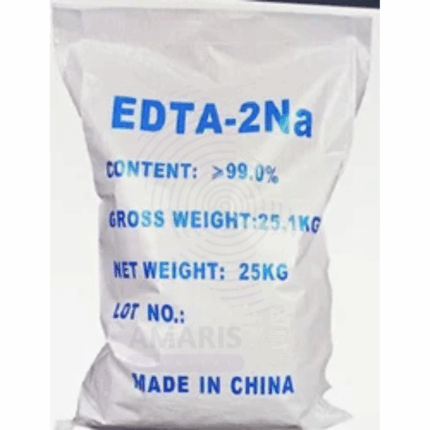
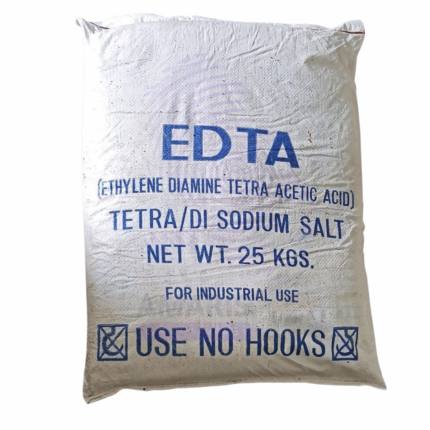
Disodium Salt (EDTA)
Disodium Salt (EDTA), (Ethylenediaminetetraacetic acid disodium salt) is a widely used chelating agent that binds metal ions to form stable complexes. It effectively sequesters divalent and trivalent metal ions such as calcium, magnesium, iron, and heavy metals, preventing their participation in unwanted chemical reactions. This property makes it essential in a wide range of industrial, pharmaceutical, cosmetic, agricultural, and water treatment applications. The disodium salt form offers excellent water solubility and is often used in neutral to slightly alkaline systems.

Dissecting Board / Soft Board
Dissecting Board / Soft Board, also known as Soft Board, is a laboratory accessory designed to provide a stable and cushioned surface for securing biological specimens during dissection procedures. Typically made from soft, durable materials like foam or rubber, the board allows easy pinning of specimens without causing damage or slippage. It is widely used in medical, veterinary, educational, and research laboratories for anatomical studies, surgical training, and sample preparation. The soft texture enhances precision and control, facilitating effective specimen manipulation and minimizing tissue trauma.
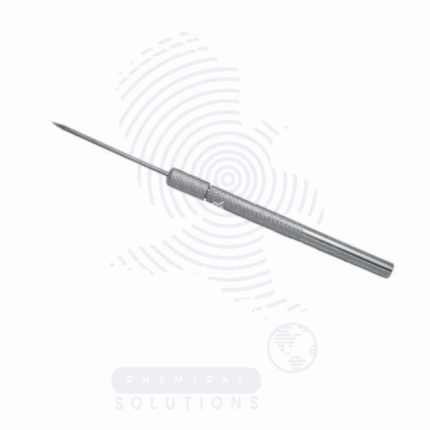
Dissecting Needle
A Dissecting Needle is a fine, pointed instrument used in biological and medical dissections to tease apart tissues, separate layers, and manipulate small structures. Typically constructed from stainless steel or surgical-grade metal, the needle has a sharp tip mounted on a rigid handle, providing precision and control during delicate procedures. Dissecting needles are essential tools in anatomy labs, research facilities, and surgical settings for detailed tissue work, facilitating clearer visibility and accurate separation without causing unnecessary damage.

Dissecting Scissors
Dissecting Scissors are precision cutting instruments designed for detailed and controlled cutting of biological tissues during dissection or surgical procedures. Typically made from high-quality stainless steel or surgical-grade metal, these scissors feature sharp, pointed or blunt tips with straight or curved blades to accommodate various dissection needs. Their ergonomic design ensures ease of use, durability, and resistance to corrosion, making them essential tools in medical, veterinary, research, and educational laboratories for safe and accurate tissue separation.
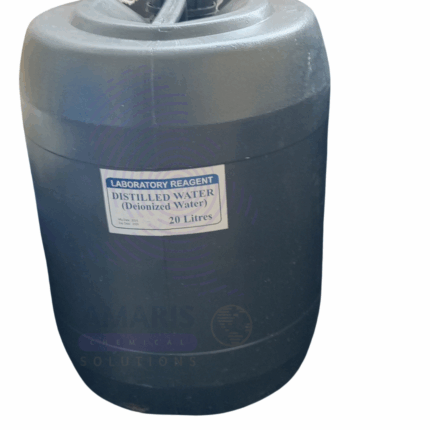
Distilled Water
Distilled Water is purified water that has been processed through distillation, a method involving evaporation and subsequent condensation to remove impurities, salts, minerals, and organic matter. This results in ultra-pure, clear, odorless, and tasteless water free of dissolved solids and contaminants. Distilled water is non-conductive, neutral in pH under ideal storage, and chemically stable. It is widely used across pharmaceutical, laboratory, medical, industrial, and consumer applications where high water purity is critical.
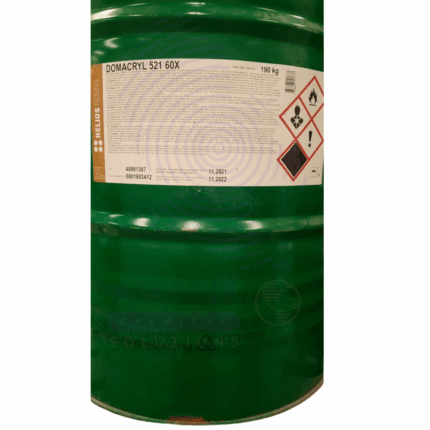
Domacryl
Domacryl is a high-performance acrylic polymer latex designed for use as a binder in water-based coatings, adhesives, sealants, and construction materials. It is a styrene-acrylic copolymer emulsion offering excellent film formation, adhesion, durability, and chemical resistance. Domacryl provides superior mechanical strength and flexibility in formulated products, making it ideal for applications requiring long-lasting protection and enhanced aesthetic qualities. The polymer is supplied as a stable aqueous dispersion with approximately 50% solids content, packed in bulk (190 kg drums) for industrial use.
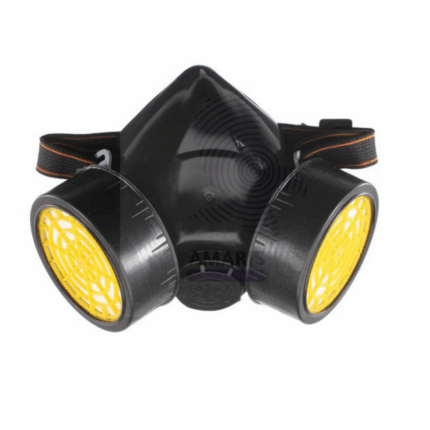
Double Gas Mask
Double Gas Mask is a protective respiratory device designed to safeguard users from inhaling hazardous airborne substances, including toxic gases, vapors, fumes, and particulate matter. Featuring two filter cartridges or canisters, this mask provides enhanced filtration capacity and extended protection time. Constructed from durable, chemical-resistant materials such as rubber or silicone, the mask forms a tight seal around the face to prevent contaminant ingress. Equipped with adjustable straps and clear visors, Double Gas Masks are widely used in industrial, laboratory, military, and emergency response settings where exposure to harmful airborne chemicals or biological agents is a risk.
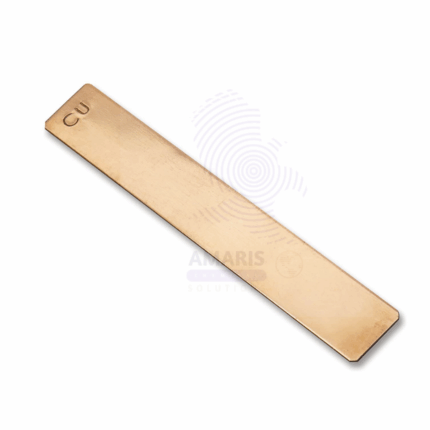
Electrode Copper Plate
Electrode Copper Plate is a high-purity copper sheet designed for use as an electrode in various electrical, electrochemical, and industrial applications. Known for its excellent electrical conductivity, thermal stability, and corrosion resistance, copper plates serve as reliable electrodes in electroplating, battery manufacturing, and electrical circuitry. These plates are manufactured with precise thickness and smooth surfaces to ensure efficient current flow and optimal performance. Copper electrodes are widely used in laboratories, manufacturing plants, and industrial processes that require durable and efficient electrical conductors.
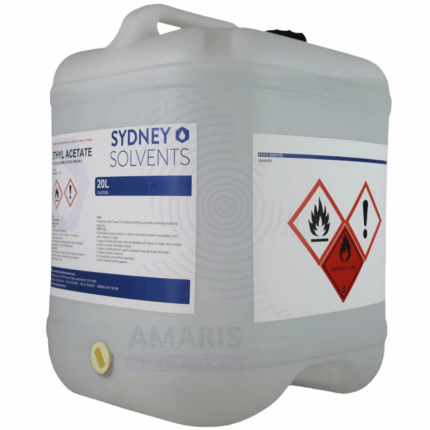
Ethyl Acetate
Ethyl Acetate is a clear, colorless, volatile organic solvent with a characteristic sweet, fruity odor reminiscent of pear drops. It is an ester formed by the condensation of ethanol and acetic acid. Known for its excellent solvency, low toxicity, and rapid evaporation rate, Ethyl Acetate is widely used as a solvent in coatings, adhesives, inks, pharmaceuticals, and chemical synthesis. It is miscible with most organic solvents and partially soluble in water. Ethyl Acetate offers high volatility, making it ideal for quick-drying formulations.
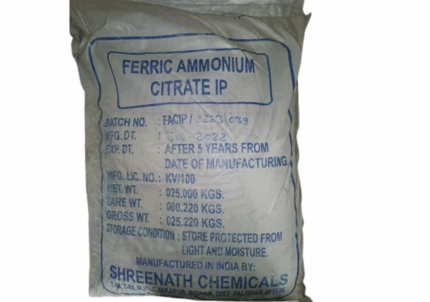
Ferric Ammonium Citrate
Ferric Ammonium Citrate is a dark green to black crystalline or granular inorganic compound composed of iron, ammonium ions, and citrate ions. It is a complex salt of citric acid with ferric iron (Fe³⁺) and ammonium. This compound is highly soluble in water, forming a greenish solution, and is widely utilized as a source of iron in various chemical, pharmaceutical, photographic, and food applications. It acts as a mild oxidizing agent and an iron supplement, valued for its bioavailability and ease of incorporation into formulations. Ferric Ammonium Citrate is typically available in different formulations distinguished by their water and ammonium content, such as green and brown types.
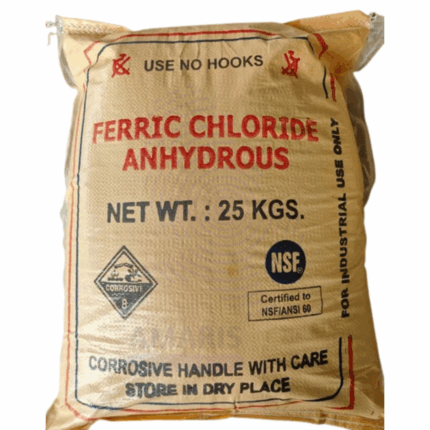
Ferric Chloride Anhydrous
Ferric Chloride Anhydrous (FeCl₃) is a dark brown to black crystalline solid with a metallic luster. It is a highly corrosive, hygroscopic inorganic salt widely used as a chemical reagent, catalyst, and coagulant. In its anhydrous form, ferric chloride is free of water and has a high purity of approximately 98%. It readily dissolves in water, releasing heat and producing acidic solutions. Ferric chloride is valued for its strong Lewis acid properties, making it effective in a variety of industrial, laboratory, and environmental applications. It is commonly supplied as a solid crystalline powder or lumps and should be handled with care due to its corrosive nature.
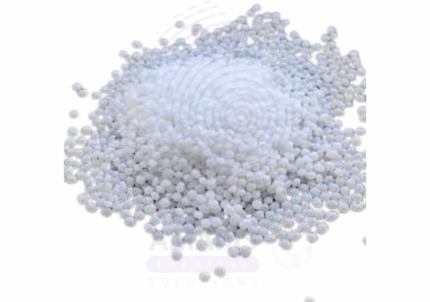
Fluiden
Fluiden is a specialized high-performance fluid additive commonly used to improve lubrication, reduce friction, and enhance the flow properties of various industrial fluids such as oils, coolants, and hydraulic fluids. It is typically a synthetic or semi-synthetic blend of surfactants, polymers, and corrosion inhibitors designed to optimize fluid stability, performance, and equipment protection. Fluiden products are utilized extensively in automotive, manufacturing, metalworking, and chemical processing industries to prolong machinery life, increase efficiency, and reduce maintenance costs. It appears as a clear to slightly colored liquid with low viscosity and excellent miscibility in water and oils depending on formulation.
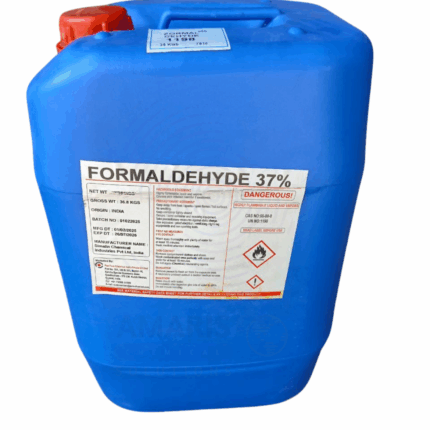
Formaldehyde (Formalin)
Formaldehyde (Formalin) is an aqueous solution containing approximately 37% formaldehyde by weight, stabilized typically with 10-15% methanol to prevent polymerization. It is a clear, colorless liquid with a pungent, penetrating odor. Formaldehyde is a simple aldehyde widely used as a disinfectant, preservative, and chemical intermediate. Formalin’s powerful antimicrobial and tissue-fixation properties make it essential in medical, laboratory, industrial, and manufacturing applications. It is one of the most commonly used chemicals worldwide for sterilization, embalming, and resin production.
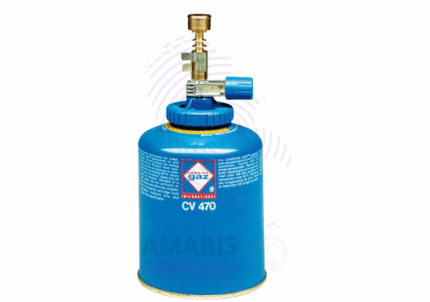
Gas Stove Portable
Gas Stove Portable is a compact, lightweight stove designed for easy transport and use in various settings, including laboratories, fieldwork, and outdoor cooking. It operates on portable gas cartridges or cylinders, providing a reliable flame source for heating, boiling, or sterilization purposes. Constructed with durable materials and equipped with safety features such as flame control and automatic shut-off valves, this stove offers convenience and efficiency. Its portability and user-friendly design make it ideal for temporary setups and situations where traditional fixed stoves are impractical.
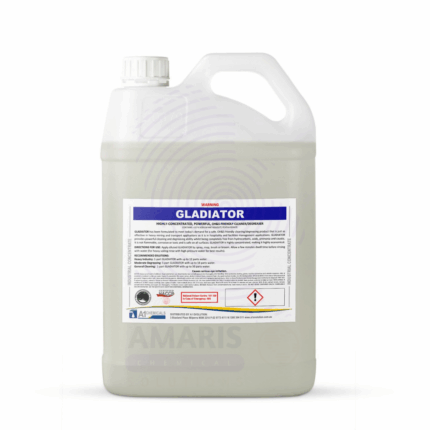
Gladiator
Gladiator is a high-performance structural adhesive based on methyl methacrylate (MMA) chemistry. Designed as a two-part reactive acrylic system, it offers exceptional bonding strength for demanding industrial and structural applications. With a shear strength exceeding 3,000 psi, Gladiator is particularly effective for bonding metals, plastics, and composite materials. It cures at room temperature and offers excellent resistance to mechanical stress, impact, vibration, and thermal cycling. Widely used in construction, automotive, marine, and maintenance applications, it features rapid setting, gap-filling capacity, and superior durability—even under harsh conditions.
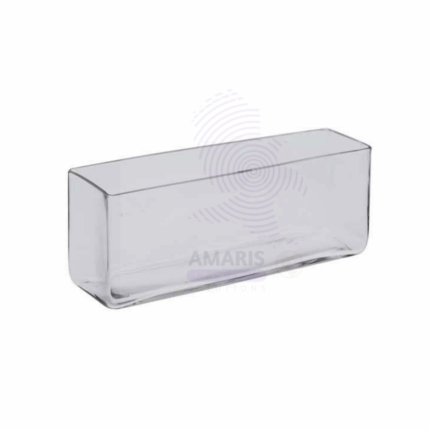
Glass Trough
Glass Trough is a sturdy, open-top container made from chemically resistant borosilicate glass, designed for use in laboratory experiments and fluid handling applications. Its transparent walls provide excellent visibility of contents, while the smooth surface resists chemical attack and allows easy cleaning. Glass Troughs are commonly used for holding liquids, conducting water displacement experiments, or as reservoirs in various scientific setups. Durable and reusable, they are essential laboratory tools in research, education, and industrial testing environments.
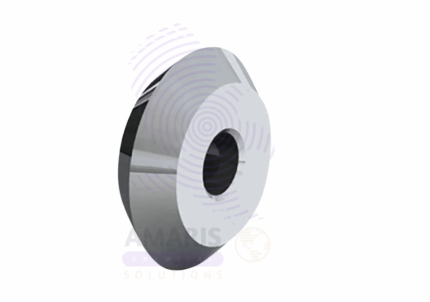
Glass Tubing Cutter Wheel Type
Glass Tubing Cutter Wheel Type is a precision cutting tool designed specifically for scoring and cutting glass tubes and rods. It features a sharp, durable cutting wheel mounted on an adjustable frame that allows for smooth, clean cuts with minimal effort. The tool is essential for laboratory, industrial, and craft applications where accurate glass tubing modification is required. Its ergonomic design ensures controlled handling and consistent performance, making it a reliable accessory for glassware preparation and repairs.
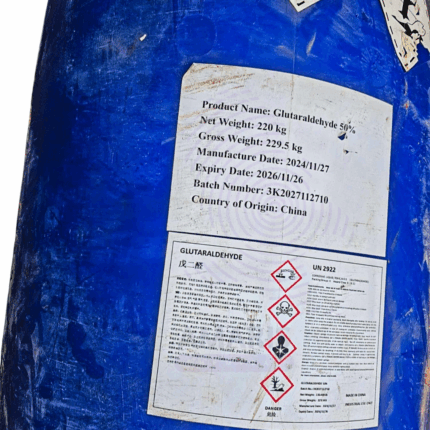
Glutardehyde
Glutardehydeis a potent biocidal agent and chemical sterilant widely used in healthcare, water treatment, and industrial applications. It is a colorless to pale yellow oily liquid with a pungent, sharp odor. Chemically, it is a dialdehyde, primarily valued for its ability to cross-link proteins, making it highly effective as a disinfectant, fixative, and preservative. Typically supplied in concentrations of 25% or 50% aqueous solutions, Glutaraldehyde is used where high-level disinfection is needed—especially against bacteria, viruses, fungi, and spores. Its versatility also extends to tanning, laboratory science, and wastewater treatment.
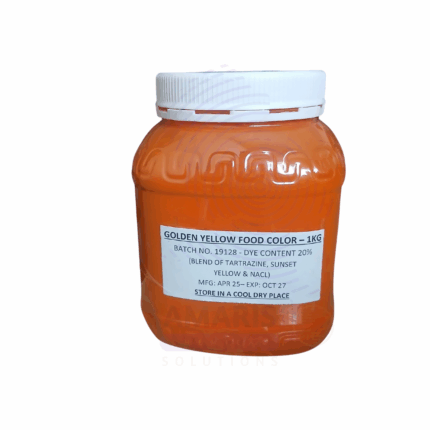
Golden Yellow Color Water Soluble
Golden Yellow Color Water Soluble is a synthetic dye known for its vibrant golden yellow hue and excellent solubility in water. It is widely used across textile, cosmetic, food and beverage, and cleaning industries to impart a bright and consistent yellow coloration. The dye offers good stability, ease of application, and compatibility with various substrates, making it ideal for aqueous dyeing and formulation processes.
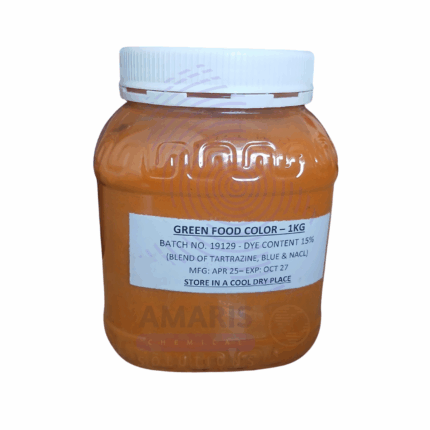
Green Color Water Soluble
Green Color Water Soluble is a synthetic dye characterized by its vibrant green hue and excellent solubility in water. This dye is widely used in various industries including textiles, cosmetics, food and beverage, and cleaning products for imparting a bright, consistent green coloration. It offers good stability, easy application, and compatibility with multiple substrates. Its water solubility makes it ideal for aqueous dyeing processes and formulations.
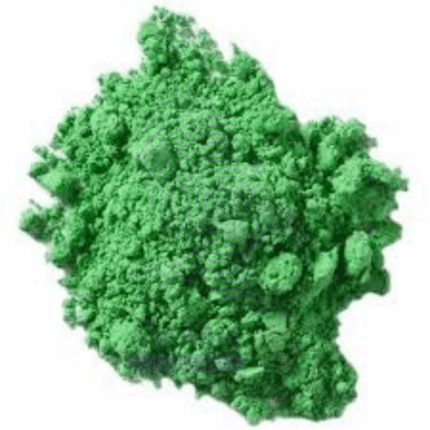
Green Pigment
Green Pigment is a concentrated dispersion of green pigment particles in a suitable carrier, designed for use in a variety of industrial and commercial applications. Known for its vivid green color and excellent stability, this pigment offers good resistance to heat, light, and chemicals. It is widely employed in plastics, coatings, inks, and other manufacturing processes where vibrant, durable green coloration is required.
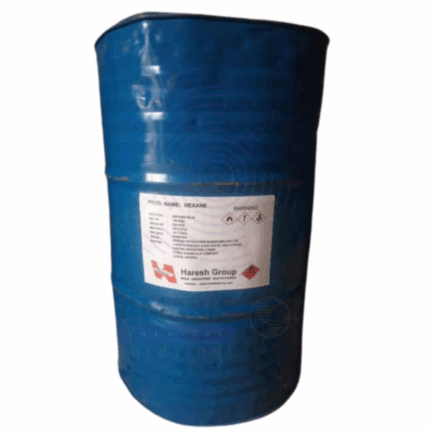
Hexane
Hexane is a colorless, volatile, and highly flammable hydrocarbon solvent belonging to the alkane series with the chemical formula C6H14. It is a mixture of isomers, primarily n-hexane, with a faint gasoline-like odor. Hexane is widely used as an industrial solvent due to its non-polar characteristics, low boiling point, and excellent ability to dissolve oils, fats, waxes, and resins. It is commonly obtained from petroleum refining and is a key component in formulations requiring rapid evaporation and strong solvency. Hexane finds broad applications in chemical synthesis, extraction, cleaning, and manufacturing sectors.
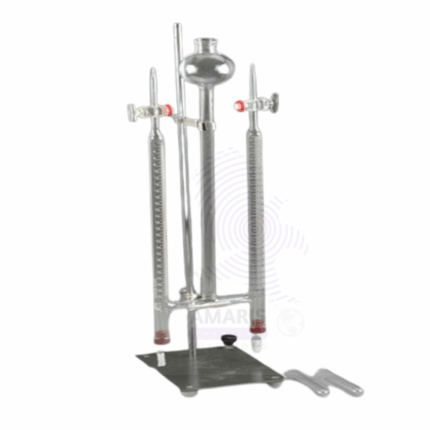
Hoffman Voltameter
Hoffman Voltameter is a specialized laboratory apparatus used to demonstrate and measure the electrolysis of water into hydrogen and oxygen gases. It consists of a central reservoir connected to two vertical graduated gas-collection tubes (electrodes) and is typically made from borosilicate glass for chemical resistance and clarity. Platinum or carbon electrodes are used at the base of each tube to conduct electric current. This apparatus is widely used in chemistry and physics education to visually demonstrate the principles of electrolysis, electrochemical reactions, gas laws, and stoichiometry.
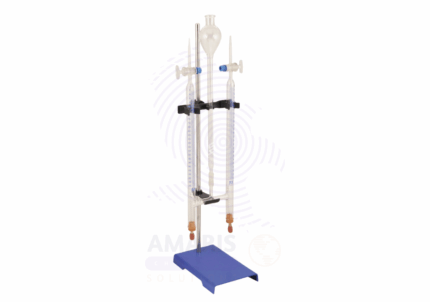
Hoffman Voltameter Complete
Hoffman Voltameter Complete is a comprehensive electrolysis apparatus designed for the demonstration and measurement of water decomposition into hydrogen and oxygen gases. The complete setup includes a borosilicate glass main body with two graduated vertical tubes, platinum or carbon electrodes, rubber stoppers or connections, and an electrode support stand for stability. It is widely used in educational, research, and analytical settings to demonstrate the fundamental principles of electrolysis, redox reactions, and gas laws. The apparatus allows for accurate measurement of the gas volumes produced, typically in a 2:1 hydrogen-to-oxygen ratio, verifying stoichiometric relationships in chemical reactions.
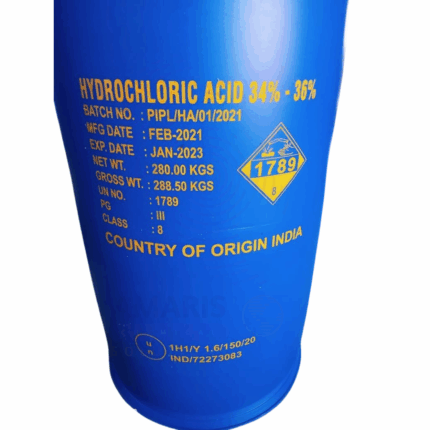
Hydrochloric Acid
Hydrochloric Acid HCL is a highly corrosive, strong mineral acid consisting of hydrogen chloride gas dissolved in water to a concentration of approximately 33% by weight. It appears as a clear, colorless to slightly yellow liquid with a sharp, pungent odor. HCl 33% is widely used in industrial, chemical, and laboratory applications due to its strong acidic properties, high reactivity, and versatility. It plays a crucial role in pH control, metal processing, chemical synthesis, and cleaning processes across numerous sectors.
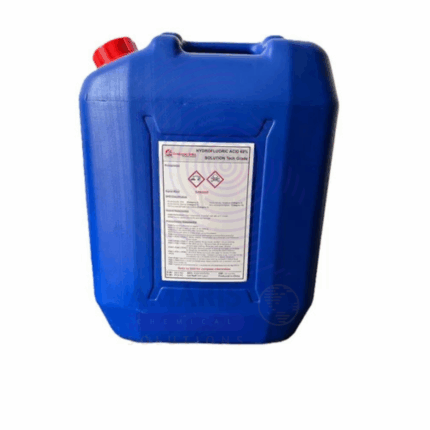
Hydrofluoric Acid
Hydrofluoric Acid is a highly corrosive aqueous solution of hydrogen fluoride gas dissolved in water. It is a colorless to pale yellow fuming liquid with a strong pungent odor. Unlike other mineral acids, HF is a weak acid chemically but uniquely reactive due to its ability to dissolve silica and glass, and penetrate tissues deeply. This makes it invaluable in numerous industrial, laboratory, and specialized applications but also highly hazardous.
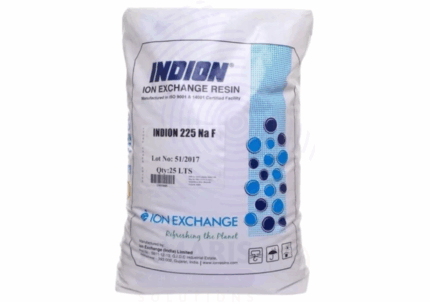
Indion Cation Resin
Indion Cation Resin is a synthetic ion exchange resin designed primarily for the removal of positively charged ions (cations) from water and various liquid streams. Typically composed of a sulfonated polystyrene-divinylbenzene (PS-DVB) copolymer, this resin features a highly porous bead structure with functional groups that exchange hydrogen or sodium ions for calcium, magnesium, iron, and other metallic cations. Available in different forms (strong acid cation, weak acid cation), Indion Cation Resin is widely used in water treatment, industrial processes, and purification systems.
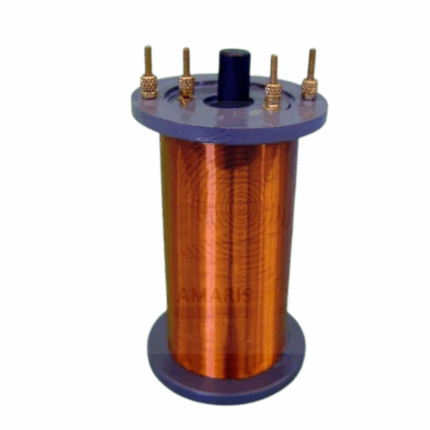
Induction Coil
Induction Coil is an electrical device used to generate high-voltage pulses from a low-voltage direct current (DC) supply. It typically consists of two coils of insulated wire (primary and secondary) wound around a shared iron core. When current is interrupted in the primary coil, a high voltage is induced in the secondary coil through electromagnetic induction. Induction coils are crucial in physics education, laboratory experiments, and ignition systems for demonstrating and utilizing high-voltage phenomena. They are widely used in applications involving spark generation, ionization, and electromagnetic studies.
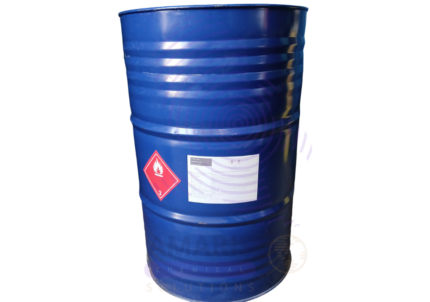
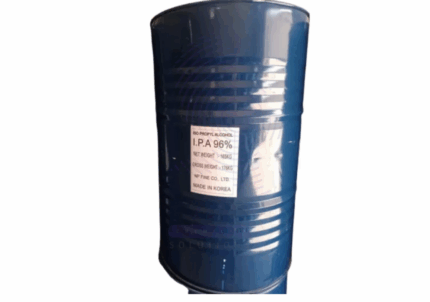
Isopropyl Alcohol Tech Grade (IPA)
Isopropyl Alcohol Tech Grade is a colorless, flammable liquid with a strong, characteristic alcohol odor. It is a solution containing approximately 85% isopropanol by volume, with the remainder primarily water. This technical-grade IPA is widely used as a solvent, disinfectant, and cleaning agent in industrial, pharmaceutical, and household applications. The 85% concentration balances efficacy with safety and evaporation rate, making it versatile for various uses.
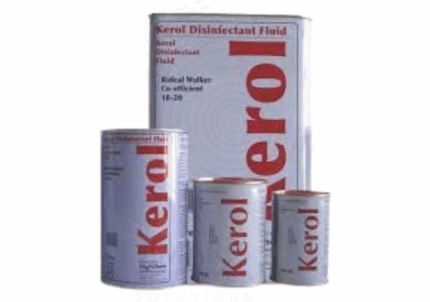
Kerol
Kerol is a synthetic kerosene-like solvent commonly used as a degreasing and cleaning agent in various industrial applications. It is a clear, colorless liquid with low aromatic content, moderate volatility, and excellent solvency properties, designed for effective removal of oils, greases, and contaminants from metal and mechanical parts. Kerol offers a balance of strong cleaning efficiency with improved safety and environmental profile compared to traditional kerosene.












