

 Preservatives(food)
 Flavor Enhancers
 Acidulants
 Sweeteners
 Antioxidants
 Colorants(food)
 Nutraceutical Ingredients (food)
 Nutrient Supplements
 Emulsifiers
 Collectors
 Dust Suppressants
 Explosives and Blasting Agents
 Flocculants and Coagulants
 Frothers
 Leaching Agents
 pH Modifiers
 Precious Metal Extraction Agents
 Antioxidants(plastic)
 Colorants (Pigments, Dyes)
 Fillers and Reinforcements
 Flame Retardants
 Monomers
 Plasticizers
 Polymerization Initiators
 Stabilizers (UV, Heat)
 Antifoaming Agents
 Chelating Agents
 Coagulants and Flocculants
 Corrosion Inhibitors
 Disinfectants and Biocides
 Oxidizing Agents
 pH Adjusters
 Scale Inhibitors( water)
 Antioxidants(cosmetic)
 Emollients
 Fragrances and Essential Oils
 Humectants
 Preservatives
 Surfactants(cosmetic)
 Thickeners
 UV Filters
 Fertilizers
 Soil Conditioners
 Plant Growth Regulators
 Animal Feed Additives
 Biostimulants
 Pesticides (Herbicides, Insecticides, Fungicides)
 Active Pharmaceutical Ingredients (APIs)
 Excipients
 Solvents(pharmaceutical)
 Antibiotics
 Antiseptics and Disinfectants
 Vaccine Adjuvants
 Nutraceutical Ingredients (pharmaceutical)
 Analgesics & Antipyretics
 Analytical Reagents
 Solvents(lab)
 Chromatography Chemicals
 Spectroscopy Reagents
 microbiology-and-cell-culture-reagents
 Molecular Biology Reagents
 Biochemical Reagents
 Inorganic and Organic Standards
 Laboratory Safety Chemicals
 Specialty Laboratory Chemicals(Special Laboratory Equipment)
 Demulsifiers
 Hydraulic Fracturing Fluids
 Scale Inhibitors(oil)
 Surfactants(oil)
 Drilling Fluids
 Dyes and Pigments
 Bleaching Agents
 Softening Agents
 Finishing Agents
 Antistatic Agents
 Admixtures
 Waterproofing Agents
 Sealants and Adhesives
 Curing Compounds
 Concrete Repair Chemicals
 Anti-Corrosion Coatings
 Surfactants(cleaning)
 Builders
 Enzymes
 Solvents (Cleaning)
 Fragrances
 Electronic Chemicals
 Catalysts
 Lubricants
 Photographic Chemicals
 Refrigerants
 Automotive chemicals
 Pyrotechnic Chemicals
 Biodegradable Surfactants
 Bio-based Solvents
 Renewable Polymers
 Carbon Capture Chemicals
 Wastewater Treatment Chemicals
 Pigments
 Solvents(paint)
 Specialty Coatings
 Binders/Resins
 Additives
 Driers
 Anti-Corrosion Agents
 Functional Coatings
 Application-Specific Coatings
 Leavening Agents
 Dough Conditioners
 Flour Treatments
 Fat Replacers
 Decoratives
 Preservatives(baking)
 Plasticizers & Softeners
 Reinforcing Agents
 Adhesion Promoters
 Vulcanizing Agents
 Antidegradants
 Blowing Agents
 Fillers & Extenders
 Accelerators & Retarders


















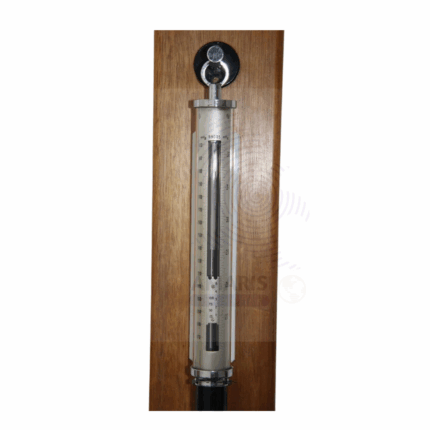
Fortin Barometer with Mercury
Fortin Barometer with Mercury is a precision instrument used to measure atmospheric pressure with high accuracy. Named after its inventor, Jean Nicolas Fortin, this barometer features a mercury column enclosed in a glass tube, mounted vertically with a cistern at the base. A screw-adjusted ivory point is used to align the mercury level at the reference point, ensuring consistent and accurate readings. The device includes a vernier scale for fine measurements and is enclosed in a protective casing for safe handling. Commonly used in meteorological studies, physics laboratories, and calibration settings, the Fortin Barometer is essential for barometric pressure determination and experimental demonstrations.

Force Pump
Force Pump is a mechanical device designed to transfer fluids by applying manual force through a piston or plunger mechanism. Unlike lift pumps that only raise liquids to limited heights, force pumps are capable of delivering fluids at higher pressures and over greater vertical distances. Constructed from corrosion-resistant metal or durable plastic, force pumps are widely used in educational demonstrations, physics experiments, and small-scale fluid transfer systems. This apparatus illustrates fundamental hydraulic principles and is essential in laboratories, training workshops, and prototype testing environments.
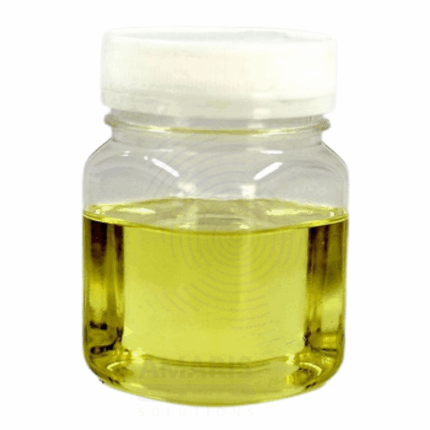
Turpentine Oil
Turpentine Oil is a volatile essential oil distilled from the resin of pine trees (primarily Pinus species). It is a colorless to pale yellow fluid with a strong, distinctive odor, composed mainly of terpenes such as alpha-pinene and beta-pinene. Traditionally used as a solvent and medicinal agent, turpentine oil has broad applications across industrial, pharmaceutical, and agricultural sectors. Its natural origin and unique chemical profile also make it valuable in fragrance, flavoring, and organic synthesis.

Special Kit
A Special Kit is a versatile laboratory equipment set designed to provide essential tools and apparatus for specific scientific experiments or procedures. These kits are thoughtfully assembled with a collection of high-quality instruments, glassware, and accessories tailored to meet the needs of particular laboratory applications such as chemical analysis, biological studies, or physics demonstrations. Each component in the kit is selected for durability, accuracy, and ease of use, ensuring efficient and reliable experimental outcomes. Special Kits promote convenience by consolidating necessary items into a single, portable package, facilitating organized and systematic laboratory work.
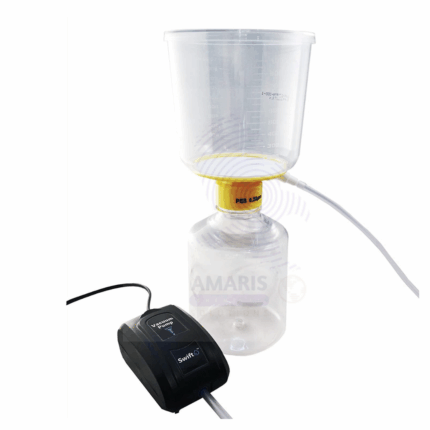
Filter Pump
Filter Pump is a laboratory device designed to create a vacuum using water or air flow to assist in filtration processes. Typically made from corrosion-resistant metal, plastic, or a combination of both, it operates by utilizing the Venturi effect to generate negative pressure. This suction power is ideal for accelerating vacuum filtration by drawing liquid through filter media quickly and efficiently. Filter pumps are commonly used in chemical, biological, environmental, and industrial laboratories where rapid and effective liquid-solid separation is required. They are a cost-effective and reliable alternative to mechanical vacuum pumps in many low-to-moderate vacuum applications.
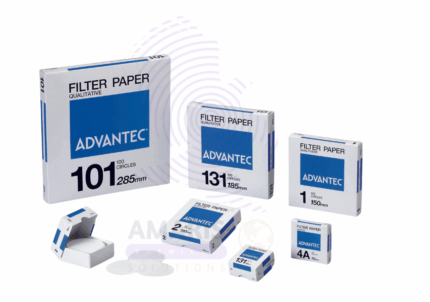
Filter Paper Schleicher and Schuell
Filter Paper Schleicher and Schuell is a premium quality, high-performance cellulose-based filter paper manufactured by Schleicher and Schuell. It is specifically engineered to provide consistent pore size distribution, excellent wet strength, and chemical resistance suitable for demanding laboratory filtration tasks. This filter paper is widely used in analytical, chemical, biological, pharmaceutical, and environmental laboratories for the separation of solids from liquids. Its precise manufacturing standards ensure reliable retention efficiency and reproducibility in filtration results. Available in multiple grades tailored for quantitative, qualitative, and special filtration requirements, this filter paper is essential for sample clarification, particulate removal, and gravimetric analysis.
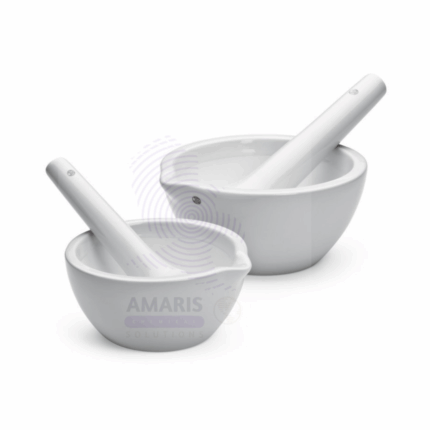
Mortar and pestle
Mortar and Pestle is a traditional laboratory apparatus consisting of a bowl (mortar) and a heavy club-shaped tool (pestle) used to manually grind, crush, and mix solid substances into fine powders or pastes. Made from durable materials such as ceramic, glass, porcelain, or stone, this tool facilitates the preparation of samples for chemical analysis, pharmaceutical compounding, and food laboratory testing. The mortar’s thick walls and the pestle’s sturdy design allow effective pulverization without contamination. Mortar and pestle sets are essential in laboratories for homogenizing powders, breaking down crystals, and preparing reagents and mixtures. Their simplicity and reliability make them a staple in chemistry, biology, pharmacology, and food science labs worldwide.
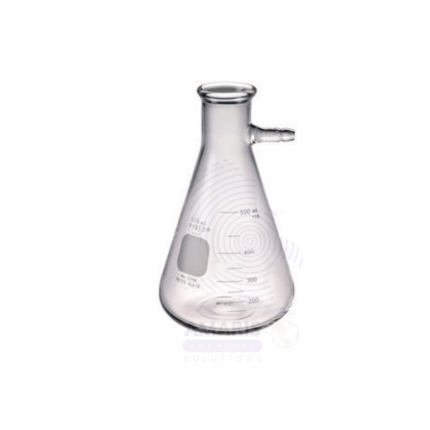
Filter Flask
Filter Flask is a specially designed laboratory glass vessel, typically made from chemically resistant borosilicate glass, featuring a thick-walled body and a side arm for connection to vacuum sources. It is used in vacuum filtration procedures to collect filtrates efficiently while providing durability and chemical resistance. The side arm allows attachment to vacuum pumps or aspirators to create suction, speeding up the filtration process. Filter flasks are essential in chemical, biological, and pharmaceutical labs for separating solids from liquids, clarifying solutions, and sample preparation.

Model steam engine
A Model Steam Engine is a scaled-down, functional representation of a steam-powered engine used primarily for educational, demonstration, and hobbyist purposes. This apparatus demonstrates the basic principles of thermodynamics, mechanical energy conversion, and steam power operation in a compact, visible form. Typically constructed from metal components such as brass and steel, the model includes key parts like a boiler, piston, cylinder, crankshaft, and flywheel. Steam generated in the boiler expands and pushes the piston, converting thermal energy into mechanical motion that turns the flywheel. Model steam engines are invaluable tools for physics and engineering education, illustrating steam mechanics, energy transfer, and engine operation clearly and tangibly. They are also popular among collectors and model enthusiasts.

Spatula plastic
Plastic Spatulas are versatile laboratory tools designed for safely handling, transferring, and mixing small quantities of powders, granules, and liquids. Made from chemically resistant, durable plastic materials, these spatulas resist corrosion from most laboratory reagents and are lightweight for easy handling. They come in various sizes and shapes, often featuring flat or slightly curved blades to facilitate scooping and scraping. Plastic spatulas are essential in chemical, pharmaceutical, biological, and research laboratories for precise sample manipulation and contamination-free operations.

Eyedrop Dropper Bottle
Eyedrop Dropper Bottle is a small, precision container designed for dispensing liquids in controlled, small volumes, commonly used for medicinal eye drops, laboratory reagents, or cosmetic liquids. These bottles are usually made from chemically resistant plastic or glass and come equipped with a dropper cap or teat for accurate drop-by-drop delivery. The secure closure prevents contamination and leakage, making them ideal for medical, pharmaceutical, and laboratory applications. Their design ensures hygiene, ease of handling, and precise dosage control.
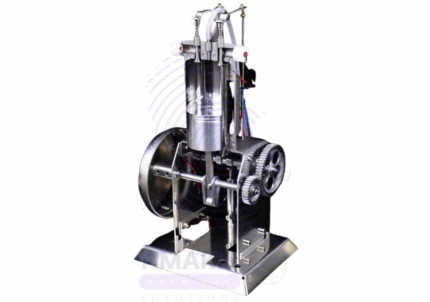
Model Diesel Engine
A Model Diesel Engine is a precision laboratory instrument used to measure very small electrical currents in the milliampere (mA) range. It is essential for experiments and procedures requiring accurate current measurements, particularly in physics and electronics labs. The device typically features a sensitive needle gauge or digital display, calibrated for fine resolution of low current levels. Compact and robust, millie ammeters are designed for easy integration into circuits and offer reliable performance for research, educational, and industrial applications.
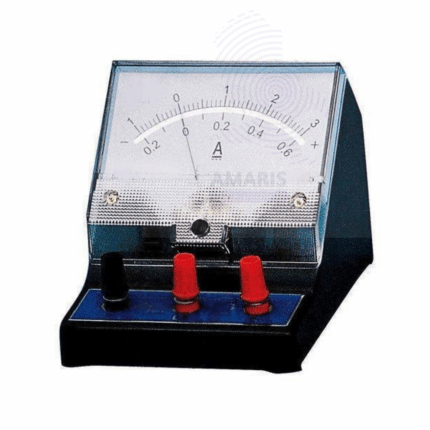
Millie ammeter
A Millie Ammeter is a precision laboratory instrument used to measure very small electrical currents in the milliampere (mA) range. It is essential for experiments and procedures requiring accurate current measurements, particularly in physics and electronics labs. The device typically features a sensitive needle gauge or digital display, calibrated for fine resolution of low current levels. Compact and robust, millie ammeters are designed for easy integration into circuits and offer reliable performance for research, educational, and industrial applications.

Smoke cell
Smoke Cells are specialized laboratory apparatus designed to generate and contain smoke or aerosols for experimental and educational purposes. Typically constructed from chemically resistant glass or plastic, smoke cells enable the study of particulate matter behavior, light scattering, gas flow dynamics, and air pollution analysis. The apparatus allows controlled introduction of smoke or aerosols inside a sealed chamber, facilitating observation and measurement of physical and optical properties. Smoke Cells are essential in research laboratories focusing on environmental science, physics, and chemical engineering.

Soft iron rod
Soft Iron Rods are magnetic laboratory apparatus made from highly pure iron characterized by low carbon content, which gives them excellent magnetic permeability and low coercivity. These rods are widely used in physics and electrical laboratories for experiments involving magnetism, electromagnetism, and induction. Their softness allows them to be easily magnetized and demagnetized, making them ideal for use as cores in electromagnets, transformers, and magnetic field demonstrations. Soft iron rods are durable, corrosion-resistant when properly treated, and come in various lengths and diameters to suit different experimental needs.
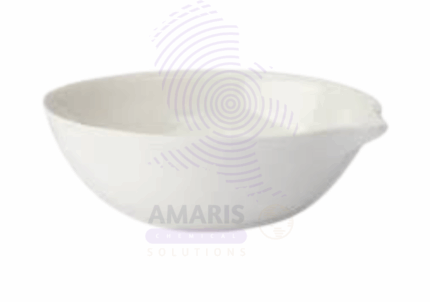
Evaporation Dish
Evaporation Dish is a shallow laboratory container typically made from chemically resistant materials such as porcelain, borosilicate glass, or metal. It is designed to hold liquids for evaporation processes where solvents are removed by heating, leaving behind solid residues or concentrated solutions. The dish provides a wide surface area to facilitate rapid evaporation and is widely used in chemical, pharmaceutical, and educational laboratories. Its durable construction allows it to withstand thermal stress and chemical exposure during repetitive heating and cooling cycles.

Microscope mirror holder
A Microscope Mirror Holder is a precision laboratory accessory designed to securely mount and position the microscope mirror beneath the stage. It allows for adjustable angling and stable placement of the mirror to direct light optimally onto specimens during microscopic examination. Typically made from durable metal or plastic, the holder features clamps or brackets to hold the mirror firmly while enabling smooth rotational and tilt movements. This accessory is essential for microscopes without built-in illumination systems, facilitating better light control, improved specimen visibility, and enhanced image contrast. Widely used in educational, medical, and research laboratories, the microscope mirror holder aids in consistent and effective lighting setup.
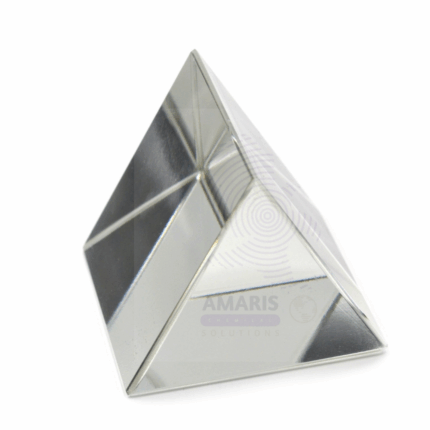
Equilateral Prism Glass
Equilateral Prism Glass is an optical glass component shaped as a triangular prism with all three sides of equal length. It is used to refract, disperse, or reflect light beams in precise laboratory, educational, and industrial optics applications. Made from high-quality, optically clear glass, the prism offers excellent light transmission and minimal distortion. It is widely used in physics experiments, spectroscopy, and optical instrument calibration. The equilateral prism’s geometry allows it to bend light rays at specific angles, enabling the study of light properties such as dispersion and refraction.

Slinky springs
Slinky Springs are helical coil springs made from metal or plastic materials, widely used as demonstration and educational tools in physics and engineering laboratories. These springs exhibit elastic properties, capable of stretching and compressing while returning to their original shape, making them ideal for teaching concepts such as harmonic motion, wave propagation, and energy transfer. Available in various sizes and coil thicknesses, slinky springs serve as practical models for studying mechanical behavior, oscillations, and spring constants in both academic and research settings.
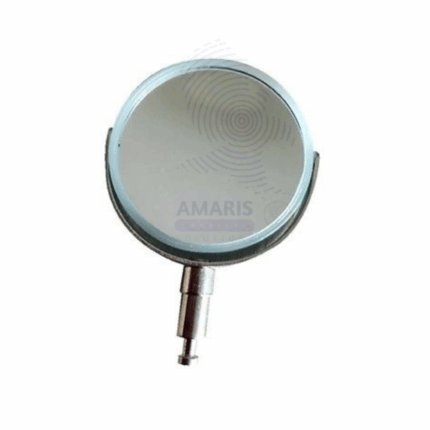
Microscope mirror
A Microscope Mirror is an optical accessory used to direct and focus external light onto the specimen being examined under a microscope. Traditionally mounted beneath the microscope stage, the mirror reflects ambient or artificial light upward through the condenser and specimen to illuminate the sample. Microscope mirrors typically have one flat and one concave reflective surface, allowing users to adjust the intensity and focus of the light beam. Made from highly polished glass or metal with reflective coatings, these mirrors are essential in microscopes lacking built-in illumination systems or as backup lighting aids. They enhance visibility, contrast, and detail, making them valuable in educational, medical, and research laboratory settings.
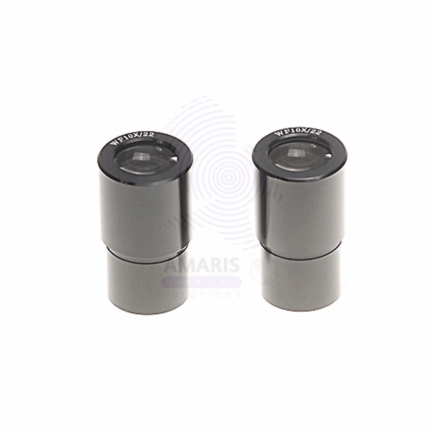
Microscope eye piece
A Microscope Eye Piece, also known as the ocular lens, is the lens or group of lenses located at the top of a microscope through which the user views the magnified specimen. It typically provides an additional magnification—commonly 5x, 10x, or 15x—working in conjunction with the objective lenses to achieve total magnification. The eyepiece contains optical components designed to enhance image clarity, brightness, and field of view. Modern eyepieces may include features such as reticles for measurement, adjustable diopters for individual eye correction, and wide-field optics for increased viewing comfort. Made from precision optical glass and durable housing, microscope eyepieces are essential for delivering a clear, sharp, and comfortable viewing experience in scientific, medical, educational, and industrial laboratories.

Microscope cover slips
Microscope Cover Slips are thin, flat pieces of transparent glass or plastic used in microscopy to cover specimens placed on microscope slides. They serve to protect the specimen from contamination, prevent drying, and provide a uniform thickness for improved optical clarity during examination. Cover slips help to flatten the specimen, ensuring even focus and minimizing distortion under the microscope lens. They are typically made from high-quality borosilicate or soda-lime glass to offer excellent optical transparency and chemical resistance. Available in various sizes and thicknesses, cover slips are essential in biological, medical, and research laboratories for preparing wet mounts, fixed samples, and stained slides. Their use enhances image resolution and protects both the specimen and microscope objective lenses.
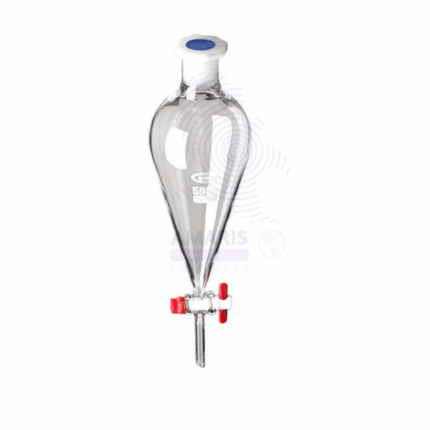
Separating funnel
Separating Funnels are essential laboratory glassware designed for liquid-liquid extraction and phase separation procedures. Constructed from chemically resistant borosilicate glass, these funnels feature a conical body with a stopcock at the base and a ground glass stopper at the top for secure sealing. They are used to separate immiscible liquids based on their densities, allowing precise and safe transfer of liquid layers during chemical extractions, washing, or purification. Available in 60ml and 125ml volumes, these funnels provide versatility for various scales of laboratory applications, widely employed in organic synthesis, pharmaceutical labs, and research facilities.
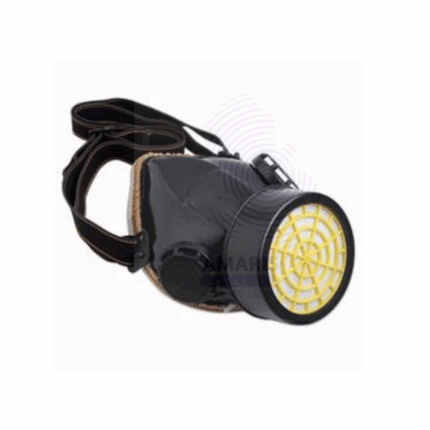
Single Gas Mask
Single Gas Masks are vital personal protective equipment designed to protect the wearer’s respiratory system from harmful gases, vapors, dust, and airborne contaminants commonly encountered in laboratory, industrial, and hazardous environments. Constructed with durable, chemical-resistant materials, these masks typically feature a full-face or half-face design with a replaceable filter cartridge tailored to specific contaminants. They provide a secure seal around the face to prevent ingress of toxic substances, ensuring safe breathing in contaminated atmospheres. Single Gas Masks are essential for use during chemical handling, fumigation, and emergency response situations, safeguarding health and safety compliance.
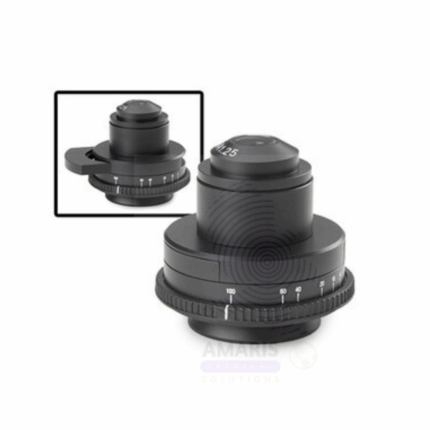
Microscope condenser
A Microscope Condenser is a vital optical component in a microscope designed to focus and concentrate light onto the specimen being observed. It is typically positioned beneath the microscope stage and plays a crucial role in controlling illumination intensity, contrast, and resolution during microscopic examination. The condenser gathers and directs light from the microscope’s illumination source into a cone of light focused on the specimen, enhancing image clarity and detail. Condensers often include adjustable diaphragms (such as iris diaphragms) to regulate the amount of light and improve contrast. Available in various designs including Abbe, achromatic, and aplanatic condensers, they cater to different magnification levels and imaging requirements. Microscope condensers are essential for achieving optimal image quality in biological, medical, and materials science applications.

Microscope
A Microscope is an essential laboratory instrument designed to magnify and visualize small objects or specimens that are not visible to the naked eye. It uses a system of lenses—typically an objective lens and an eyepiece lens—to enlarge images of biological samples, materials, or microscopic particles for detailed examination. Microscopes come in various types including compound, stereo, electron, and digital, each suited for specific applications in biology, materials science, medicine, and research. High-quality microscopes offer adjustable magnification, fine focus controls, and illumination systems to enhance clarity and contrast. Widely used in clinical diagnostics, microbiology, pharmaceutical research, and education, microscopes are vital for studying cell structures, microorganisms, tissue samples, and more. They provide precise, reliable visualization crucial for scientific analysis and discovery.

Sodium Thiosulphate
Sodium Thiosulphate (Na₂S₂O₃) is a white, crystalline, odorless powder or granular solid highly soluble in water. This 25kg packaged chemical is widely used in photographic processing, water treatment, chemical synthesis, and medicine. Known for its reducing and complexing properties, it acts as an effective dechlorinating agent and fixer in photography by dissolving silver halides. It is stable under normal conditions and easily handled for industrial and laboratory applications.
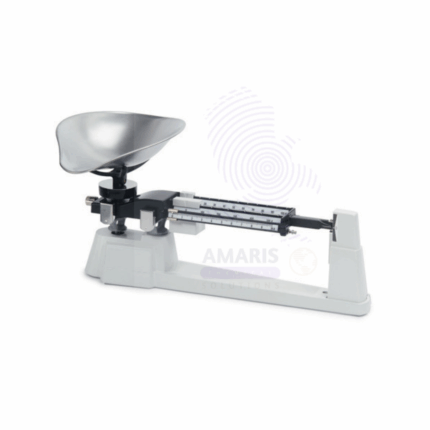
Mechanical Balance
The Mechanical Balance is a precision laboratory instrument designed to measure the mass of objects through mechanical means. It operates using a system of levers, beams, and calibrated weights to determine mass with high accuracy without requiring electrical power. Mechanical balances typically feature a robust metal frame, a beam with a central pivot, and sliding weights or poises for balancing. The instrument provides reliable and repeatable mass measurements essential for quantitative analysis in chemistry, biology, physics, and industrial quality control. Known for its durability and ease of maintenance, the mechanical balance is widely used in educational settings, research laboratories, and production environments where precise weighing is necessary. Its mechanical operation ensures functionality even in environments where electronic devices may be unsuitable due to power constraints or interference.

measuring cylinder glass
The Measuring Cylinder Glass is a fundamental laboratory apparatus specifically engineered for the precise measurement of liquid volumes. Constructed from high-quality, chemically resistant borosilicate glass, it ensures durability, resistance to chemical corrosion, and clarity for optimal visibility of liquid levels. The cylindrical shape provides a stable base and ergonomic design for ease of handling and pouring. Graduated volume markings, typically etched or printed with high contrast, allow accurate reading of liquid quantities down to the milliliter, supporting quantitative experiments and solution preparations. The transparent nature of the glass facilitates observation of the meniscus, which is critical for accuracy in volume measurement. Measuring cylinders vary in size, commonly ranging from small (10 mL) to large capacities (1000 mL or more), meeting diverse laboratory needs. They are widely used across chemical, biological, medical, educational, and industrial laboratories for tasks including volumetric analysis, solution preparation, and quality control. Their ability to withstand thermal fluctuations and autoclaving processes also makes them suitable for sterilized environments. Measuring Cylinder Glass is essential for maintaining precision and reproducibility in experimental and routine laboratory procedures.

Manometer on stand
The Manometer on Stand is a precision laboratory instrument used to measure pressure differences in gases or liquids. It consists of a U-shaped or straight tube partially filled with a liquid (commonly mercury, water, or oil) mounted securely on a stable stand for ease of use and accurate readings. The manometer operates based on the principle of balancing pressure against the height of the liquid column. It is widely used in physics and engineering laboratories for experiments involving fluid mechanics, gas laws, and pressure calibration. The stand provides stability and convenient placement during measurements.
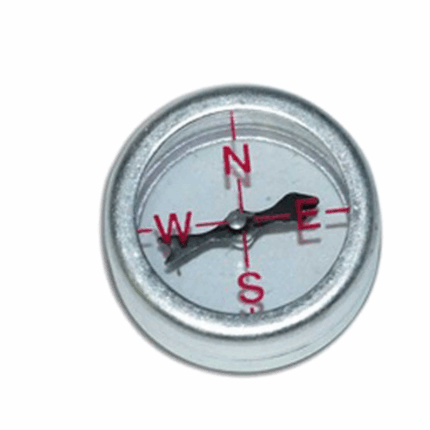
Magnetic plotting compass
The Magnetic Plotting Compass is a precision navigational and laboratory instrument designed to measure and plot directions and angles with accuracy. It features a magnetized needle that aligns with the Earth’s magnetic field, mounted on a rotating base marked with degree graduations for angular measurements. Commonly used in navigation, surveying, cartography, and educational demonstrations, the plotting compass aids in determining bearings and orientations. Its durable construction and clear scale markings make it suitable for fieldwork and laboratory settings where accurate directional data is required.

Sodium Sulphide
Sodium Sulphide (Na₂S) is a yellow to red-yellow crystalline solid or powder with a characteristic odor of hydrogen sulfide. It is highly soluble in water, forming strongly alkaline solutions. This 25kg packaged product is widely used in the chemical, leather, pulp and paper, and textile industries as a reducing agent, sulfur donor, and in flotation processes. Due to its strong reducing properties and reactivity, it must be handled with care under proper safety measures.

Siphon Pump
Siphon Pump is a manual laboratory apparatus designed for transferring liquids from one container to another using the principle of siphoning. Made from chemically resistant materials such as rubber tubing and plastic or glass components, siphon pumps provide an easy and safe method for liquid transfer without the need for power sources. They are commonly used in laboratories to transfer solvents, reagents, and other fluids with precision and control, minimizing spills and contamination. Available in various sizes and configurations, siphon pumps are essential for fluid handling in research, medical, and industrial laboratories.
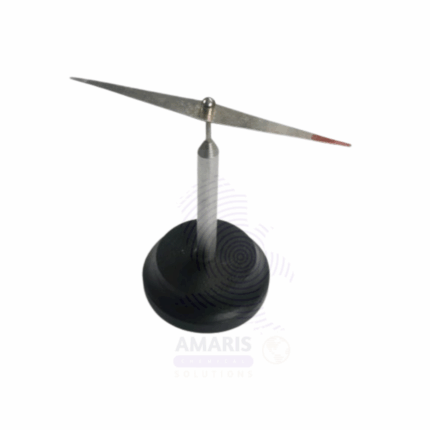
Magnetic needle on stand
The Magnetic Needle on Stand is a precision laboratory instrument used primarily for demonstrating magnetic fields and directionality in physics and earth science education. It consists of a finely balanced magnetic needle mounted on a stable stand, allowing free rotation to align with the Earth’s magnetic field or an applied magnetic field. Constructed from magnetized metal, the needle provides a clear and accurate indication of magnetic north or the direction of a nearby magnetic field source. The sturdy stand ensures stability during demonstrations or experiments, making it an essential tool for classroom experiments, compass demonstrations, and magnetism studies.

Magnet horse shoe
Product Description
The Magnet Horse Shoe is a classic U-shaped permanent magnet commonly used in laboratories for experiments involving magnetic fields and forces. Made typically from ferromagnetic materials like steel or rare-earth alloys, this magnet is designed with two poles positioned close together in a horseshoe shape to concentrate the magnetic field between them, creating a strong and uniform magnetic area. The compact design allows easy handling and application in physics demonstrations, magnetic field studies, and educational experiments. Its durable construction ensures long-lasting magnetic strength and resistance to mechanical wear.


Sodium Sulphate Anhydrous
Sodium Sulphate Anhydrous (Na₂SO₄) is a white crystalline powder, odorless and highly soluble in water. Unlike the decahydrate form (Glauber's salt), this anhydrous grade contains minimal water content, making it ideal for industrial applications requiring low moisture levels. Supplied in 25kg packaging, it is widely used as a filler, drying agent, and raw material in detergents, glass manufacturing, pulp and paper, and chemical synthesis. Its excellent stability, non-hygroscopic nature, and cost-effectiveness make it an essential bulk chemical.

Magnet electrode u shape
The Magnet Electrode U Shape is a specialized laboratory electrode designed in a U-shaped configuration for precise measurements involving magnetic fields or electrochemical applications. Typically fabricated from corrosion-resistant metals or alloys, these electrodes are integrated into setups requiring stable electrical contact and magnetic influence, such as in electrolysis, magnetic field studies, and sensor calibration. The U-shape design facilitates easy mounting and positioning within experimental apparatuses, allowing efficient contact with solutions or materials. They are widely used in research, industrial testing, and educational laboratories for experiments involving electromagnetism and electrochemistry.

Magnet bar
A Magnet Bar, often called a stirring bar or magnetic stir bar, is a laboratory tool used to mix liquids efficiently by magnetic stirring. It consists of a small, coated magnetic rod, typically made from rare-earth magnets encased in chemically resistant materials like PTFE (polytetrafluoroethylene). When placed inside a container with liquid, the magnet bar rotates driven by a magnetic stirrer plate underneath the container, providing uniform and controlled mixing without contamination or the need for manual stirring. Magnet Bars are essential for experiments requiring gentle or continuous mixing, including chemical reactions, sample preparations, and biological assays. Their durable coating ensures resistance to chemicals, heat, and abrasion, making them suitable for diverse laboratory environments.

Litmus paper red
Litmus paper red is a specialized pH indicator paper impregnated with red litmus dye derived from natural lichens. It serves as a quick and reliable qualitative tool for detecting alkaline (basic) conditions in various liquids and substances. Upon contact with an alkaline solution, the red paper undergoes a distinct color change to blue, signaling a pH above approximately 8.3. In neutral or acidic solutions, the paper retains its red color. This simple yet essential laboratory reagent is widely used in chemistry, biology, environmental science, clinical diagnostics, food industry, and educational settings for rapid acidity and alkalinity testing without the need for sophisticated instrumentation.
Red litmus paper is highly valued for its ease of use, portability, and cost-effectiveness, making it ideal for field testing, classroom demonstrations, and routine lab work. It provides immediate visual feedback, which is crucial for quick decision-making during experiments, quality control processes, and environmental monitoring. Packaged typically in convenient strips or sheets within moisture-proof packets, the paper is protected from contamination and degradation, ensuring long shelf life and consistent performance.
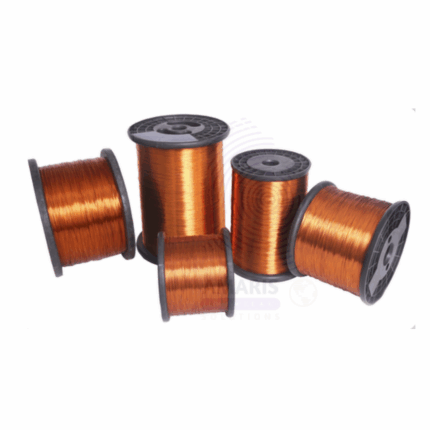
Enamelled Copper Round Winding Wire
Enamelled Copper Round Winding Wire is a high-quality copper conductor coated with a thin layer of insulating enamel. This enamel coating provides electrical insulation while maintaining excellent conductivity and mechanical flexibility. The wire is typically round in cross-section and is widely used for winding coils in electrical motors, transformers, inductors, and other electromagnetic devices. Its robust insulation and durability make it ideal for applications requiring efficient current flow and resistance to heat, moisture, and abrasion. Enamelled copper wire is essential in both industrial manufacturing and laboratory setups involving electromagnetism and electrical engineering.
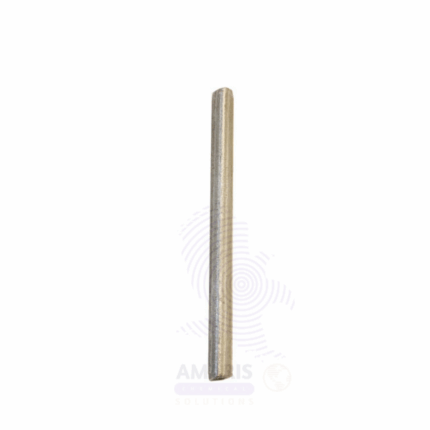
Electrode Zinc Rod
Electrode Zinc Rod is a high-purity cylindrical zinc metal rod designed for use as an electrode in electrochemical cells, corrosion protection systems, and industrial electrolysis. Known for its excellent electrical conductivity and sacrificial anode properties, zinc rods protect metal structures from corrosion by preferentially oxidizing. These rods are widely used in laboratory experiments, galvanic cells, battery systems, and cathodic protection of pipelines and tanks. Manufactured with uniform diameter and smooth surface finish, Zinc Rods are reliable components in both research and industrial applications.

Electrode Zinc Plate
Electrode Zinc Plate is a high-quality zinc metal sheet designed for use as an electrode in various electrochemical applications, including batteries, corrosion protection, and electroplating. Zinc plates offer good electrical conductivity and act as sacrificial anodes in cathodic protection systems to prevent corrosion of metal structures. Manufactured with uniform thickness and smooth surfaces, these plates are widely used in lead-acid batteries, galvanic cells, and industrial electrolysis. Zinc electrodes are essential components in chemical processing, environmental protection, and laboratory research.
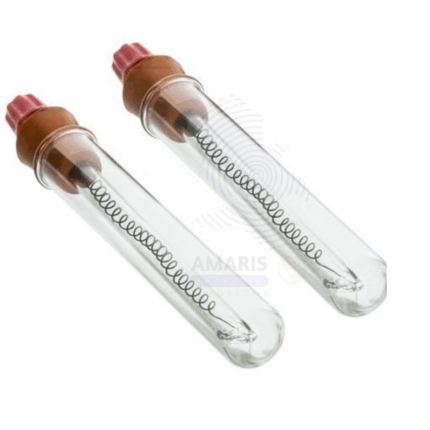
Electrode Platinum Pair
Electrode Platinum Pair consists of two high-purity platinum electrodes used in laboratory and industrial electrochemical applications. Renowned for their excellent chemical inertness, corrosion resistance, and superior electrical conductivity, platinum electrodes provide stable and reliable performance in harsh chemical environments. These electrodes are commonly employed in electrolysis, standard electrode potential measurements, and catalysis research. Typically designed as pairs, they facilitate accurate current flow and measurement in analytical and research settings, making them indispensable in pharmaceutical, environmental, and chemical laboratories.

Electrode Lead Plate
Electrode Lead Plate is a high-purity lead sheet designed for use as an electrode in various electrical and electrochemical applications, including batteries and electroplating processes. Lead plates exhibit good corrosion resistance in acidic environments and offer reliable conductivity for efficient current flow. These plates are manufactured with precise thickness and smooth surfaces to ensure optimal performance in lead-acid batteries, industrial electrolysis, and laboratory experiments. Lead electrode plates are commonly used in energy storage systems, chemical manufacturing, and scientific research.

Sodium Sulphate
Sodium Sulphate (Na₂SO₄) is a white crystalline powder or granule, odorless and highly soluble in water. This 25kg packaged product is widely used in detergents, glass manufacturing, chemical industries, and pulp and paper processing. It acts as a filler, bulking agent, and drying agent, with excellent stability and non-reactivity under standard storage conditions. Its cost-effectiveness and availability make it an essential raw material in many industrial processes.
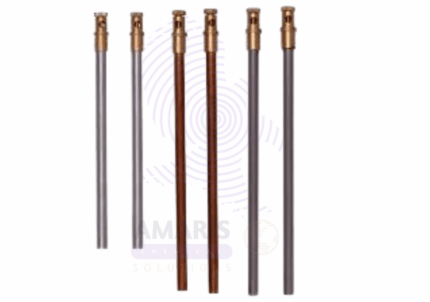
Electrode Copper Rod
Electrode Copper Rod is a high-purity copper rod used primarily as an electrode in various electrical, electrochemical, and industrial applications. Known for its superior electrical conductivity, thermal stability, and corrosion resistance, copper rods are essential components in electroplating, battery manufacturing, welding, and electrical circuitry. Manufactured to precise dimensions with smooth surfaces, these rods ensure efficient current transmission and durability under demanding conditions. They are widely utilized in laboratories, manufacturing industries, and research facilities requiring reliable conductive electrodes.

Litmus Paper Blue
Litmus Paper Blue is a pH indicator paper used to detect acidic substances. It is impregnated with litmus dye extracted from lichens, which changes color when exposed to acidic or basic environments. Blue litmus paper turns red under acidic conditions (pH < 4.5) and remains blue in neutral or alkaline solutions. It is widely used in laboratories, education, environmental testing, and industrial processes for quick and easy pH testing.

Electrode Copper Plate
Electrode Copper Plate is a high-purity copper sheet designed for use as an electrode in various electrical, electrochemical, and industrial applications. Known for its excellent electrical conductivity, thermal stability, and corrosion resistance, copper plates serve as reliable electrodes in electroplating, battery manufacturing, and electrical circuitry. These plates are manufactured with precise thickness and smooth surfaces to ensure efficient current flow and optimal performance. Copper electrodes are widely used in laboratories, manufacturing plants, and industrial processes that require durable and efficient electrical conductors.
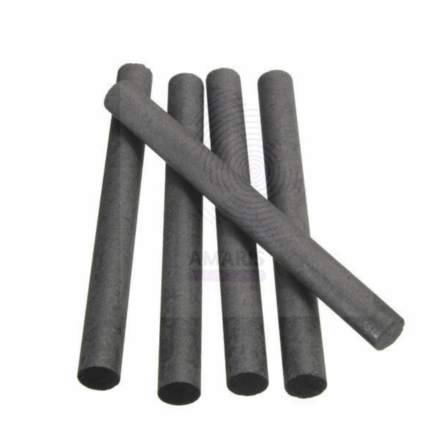
Electrode Carbon Rod
Electrode Carbon Rod is a high-purity carbon rod designed for use as an electrode in various electrical, industrial, and laboratory applications. Manufactured from graphite or carbon composites, these rods offer excellent electrical conductivity, chemical inertness, and thermal stability. They are commonly used in electrochemical cells, arc welding, battery manufacturing, and analytical instruments. The rods are precision-made to ensure uniform size and surface quality, enabling reliable performance in harsh environments involving high temperatures and reactive substances.
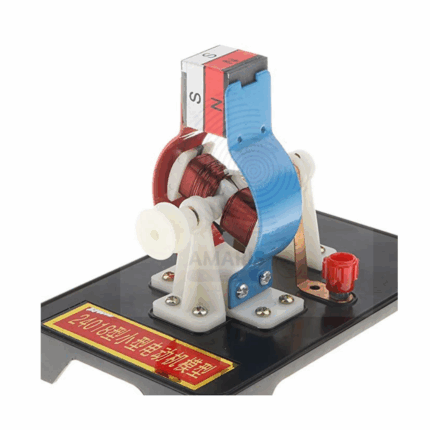
Electric Motor Model
Electric Motor Model is a scaled-down or functional demonstration version of an electric motor designed primarily for educational and training purposes. It replicates the basic components and operation of standard electric motors, allowing users to study electromagnetic principles, motor function, and mechanical motion in a controlled environment. Typically constructed with visible stator coils, rotors, and power sources, these models are essential tools in classrooms, laboratories, and workshops to facilitate hands-on learning in physics, electrical engineering, and related fields.












